
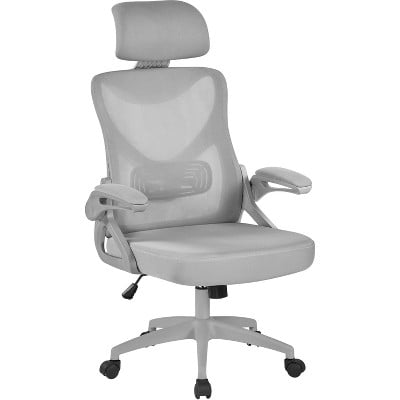
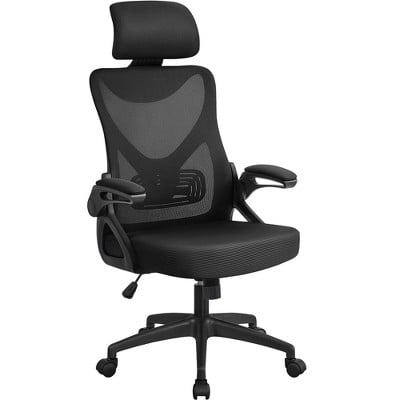
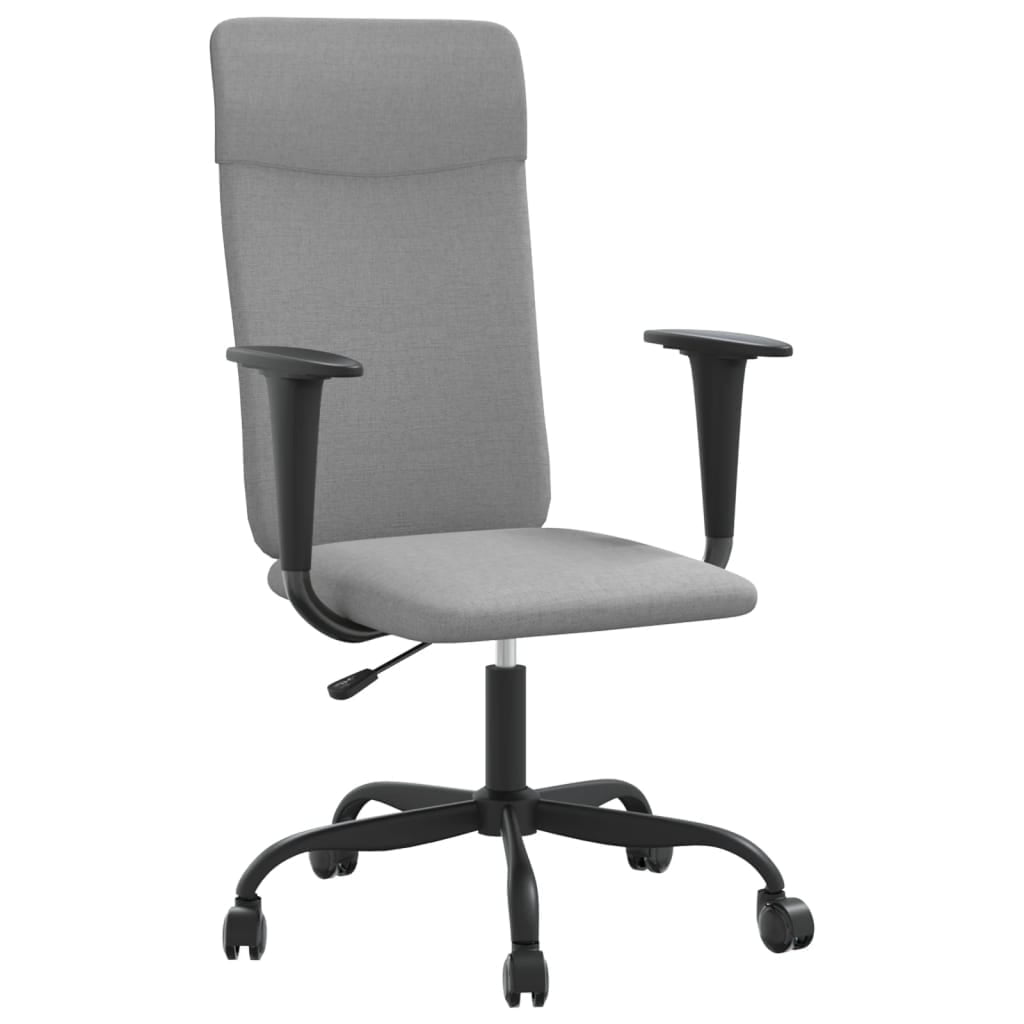
Why Choose an Office Chair with Low Armrests?
If you've ever felt shoulder tension or found yourself hunching forward to reach your keyboard, the culprit might be your armrest height. A office chair with low armrest is specifically designed to allow your shoulders to drop naturally, your elbows to rest at a comfortable angle, and your forearms to remain parallel to the floor. This subtle shift in posture can dramatically reduce upper-body fatigue and improve your focus throughout the day.
Unlike traditional chairs with high, fixed armrests, low-arm models prioritize flexibility and desk integration. They are ideal for workers who pull their chair close to the desk, use multiple monitors, or simply prefer a less confined seating experience. Whether you're a petite professional, a creative worker, or someone recovering from shoulder strain, these chairs offer a tailored solution for your unique needs.
Ergonomic Insight: According to a study by the American Physical Therapy Association, improper armrest height is a leading cause of neck and shoulder discomfort among office workers. A low-armrest design can reduce shoulder elevation by over 20°, decreasing muscle tension and improving circulation in the upper extremities.
Top Benefits of Low-Armrest Office Chairs
- Improved Shoulder Posture: Low arms prevent shrugging, allowing the trapezius muscles to relax.
- Better Desk Clearance: Slide under desks easily without armrests hitting the edge.
- Enhanced Range of Motion: Move freely in your chair without feeling restricted.
- Ideal for Petite Users: Low armrests accommodate shorter torsos and shorter arms.
- Versatile for Different Tasks: Perfect for typing, writing, or even leaning back to think.
Key Features to Look For
Not all low-armrest chairs are created equal. When shopping for the perfect model, pay attention to these essential features:
| Feature | Why It Matters | What to Look For |
|---|---|---|
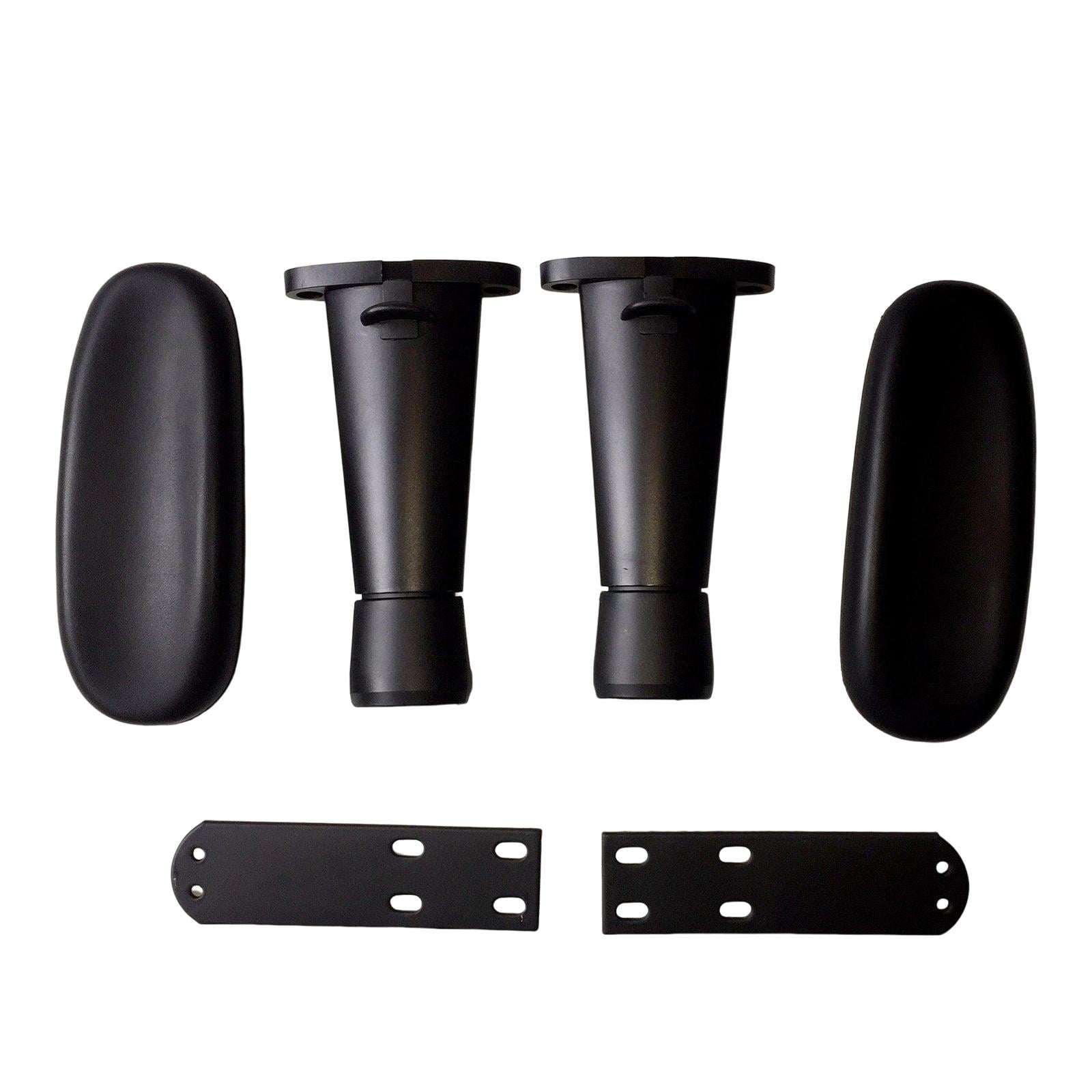
| Armrest Adjustability | Ensures the chair fits your body, not just a standard size | Height, width, and pivot adjustments; 3D/4D arms preferred |
| Seat Depth & Height | Allows proper leg positioning and back support | Adjustable seat slider (2–4 inches) and pneumatic height lift |
| Lumbar Support | Maintains spinal alignment and prevents lower back pain | Adjustable lumbar pad (height and depth) or built-in curve |
| Material & Breathability | Affects comfort during long work sessions | Mesh back for airflow, high-density foam seat, premium fabrics |
| Base & Casters | Stability and floor protection | Nylon or aluminum base, dual-wheel casters for carpets/hard floors |
Who Should Buy a Low-Armrest Chair?
Low-armrest chairs are not a one-size-fits-all solution, but they are a game-changer for specific users. Here’s a breakdown of who benefits most:
Short-Statured Users
Lower armrests prevent the "perched" look and allow feet to rest flat on the floor.
People with Shoulder Issues
Reduces impingement and allows for a more natural arm position.
Multi-Taskers & Creatives
Freedom to move and adjust posture without armrests getting in the way.
Small Home Offices
Chairs slide easily under desks, saving precious floor space.
How to Adjust Your Low-Armrest Chair for Optimal Comfort
Buying the chair is only half the battle—proper adjustment is key to unlocking its full ergonomic potential. Follow these steps:
- Feet Flat on the Floor: Adjust the seat height so your feet rest comfortably on the ground, with knees at a 90° angle.
- Armrest Height: Lower the armrests until your elbows rest at a comfortable 90–100° angle, with your shoulders relaxed.
- Seat Depth: Sit back in the chair and adjust the seat pan so there are 2–3 fingers of space between the edge of the seat and your knees.
- Lumbar Support: Position the lumbar pad to fit the natural curve of your lower back.
- Desk Proximity: Pull the chair close enough that your wrists are straight and your forearms are parallel to the desk surface.
Comparing Low Armrests vs. Standard Armrests
To help you decide if a low-armrest chair is right for you, here's a side-by-side comparison:
| Feature | Low Armrests | Standard Armrests |
|---|---|---|
| Shoulder Posture | Encourages relaxed, dropped shoulders | May cause shrugging or tension |
| Desk Clearance | Excellent – slides under most desks | Often hits desk, requiring more space |
| Comfort for Petite Users | High – fits shorter frames well | Can be too high or wide |
| Adjustability | Often features height/width adjustment | May be fixed or limited adjustment |
| Typing Comfort | Forearms parallel, less strain | Can force wrists to angle upward |
Frequently Asked Questions About Low-Armrest Chairs
Conclusion: Find Your Perfect Low-Armrest Chair
Choosing an office chair with low armrests is a smart investment in your physical health and daily productivity. By allowing your shoulders to relax and your arms to rest naturally, these chairs help prevent the common aches and pains associated with modern desk work. Whether you’re a petite professional, a creative, or someone who simply values freedom of movement, a low-armrest chair can transform your workspace.
Remember to prioritize adjustability, quality materials, and proper fit when making your selection. With the right chair, you’ll not only work more comfortably but also more efficiently. Explore our top-rated picks above and take the first step toward a healthier, more enjoyable workday.