
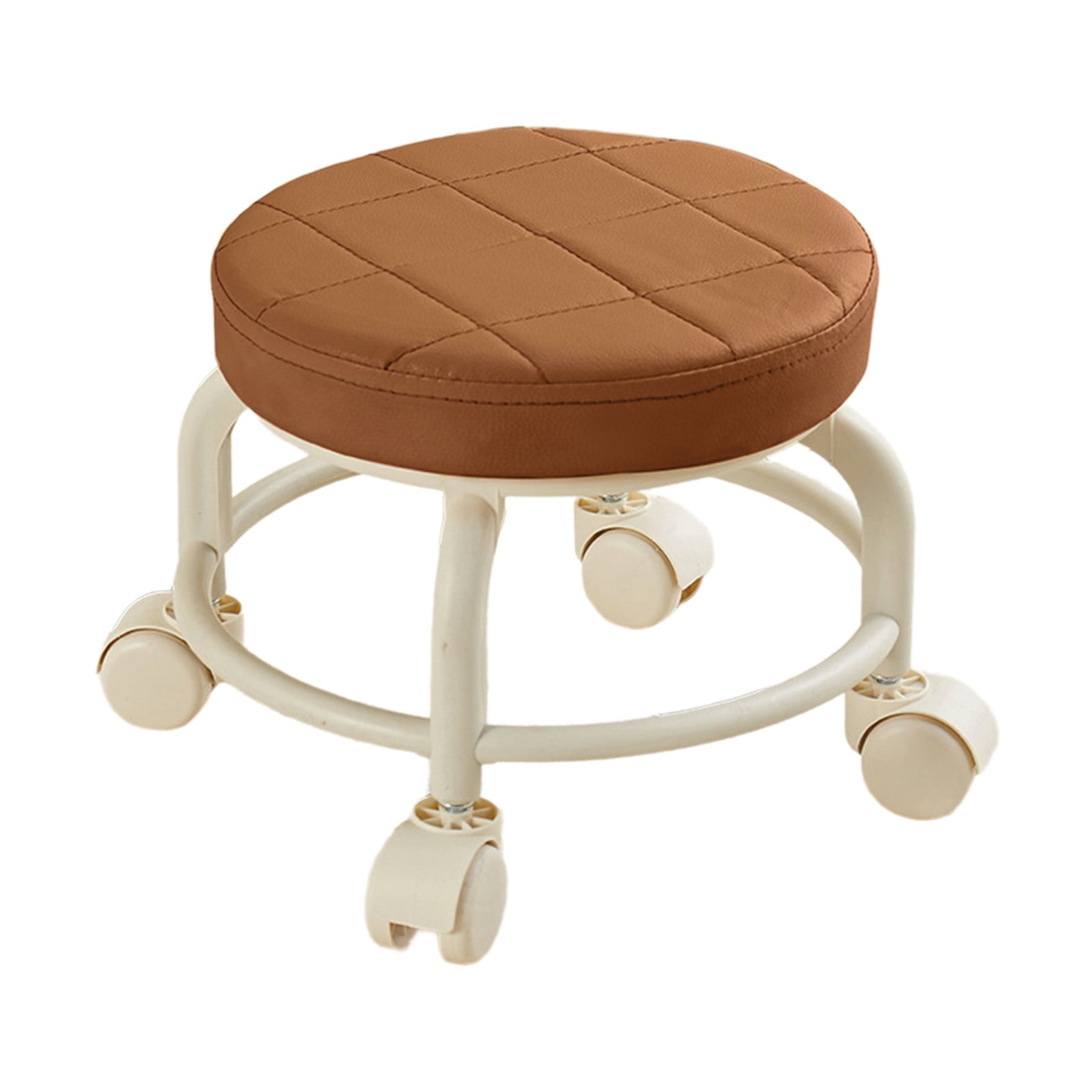
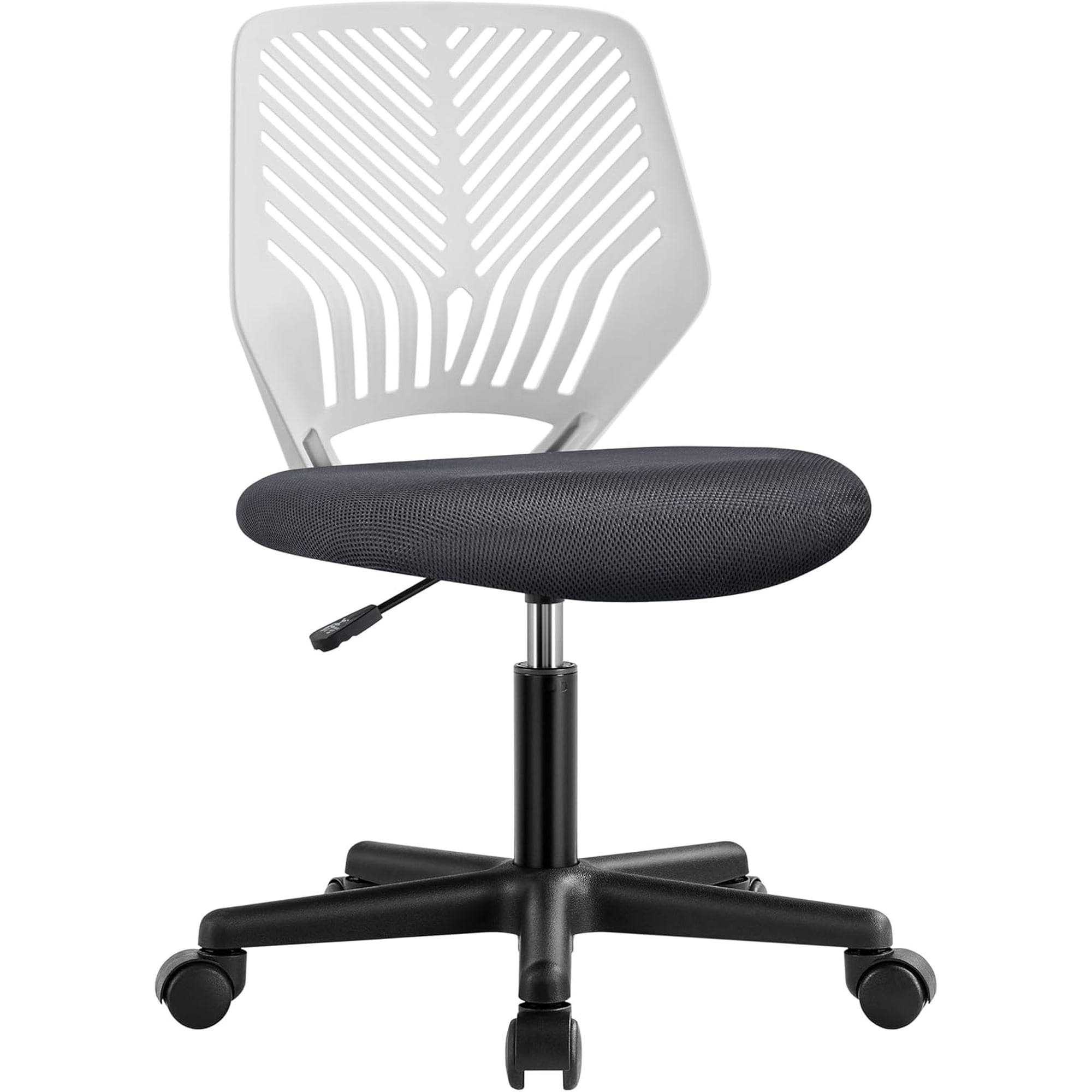
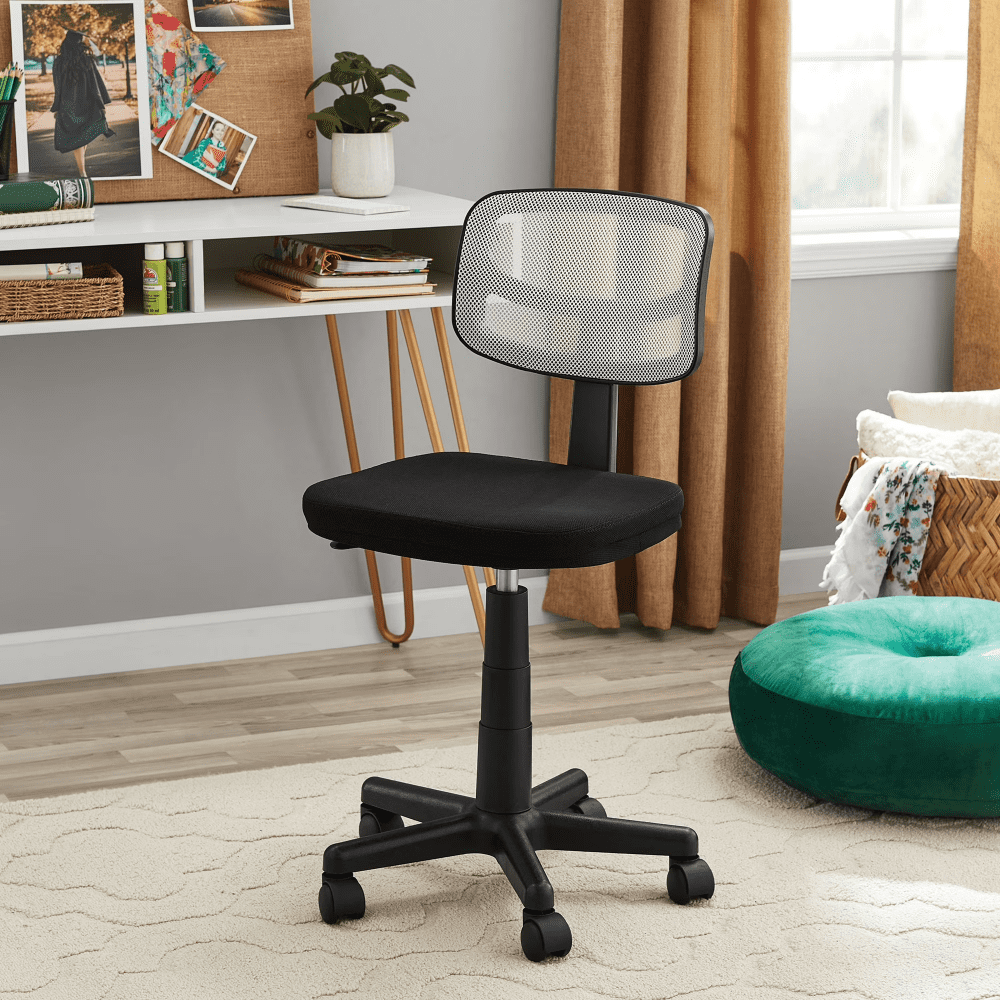
Why a Low Seat Office Chair is a Game-Changer
Imagine sitting at your desk with your feet firmly planted on the floor, your knees at a perfect 90-degree angle, and your back feeling naturally aligned. For many, this is a rare luxury. If you're under 5'5", have a low-profile desk, or simply prefer a more grounded seating position, a low seat office chair is not just a comfort upgrade; it's an ergonomic necessity that can transform your workday.
Standard office chairs often have a minimum seat height of 18 to 20 inches. While this works for the average user, it leaves many shorter individuals with dangling feet, which forces the thighs to press against the seat edge, cutting off circulation and causing discomfort. This poor posture can lead to a cascade of issues, from lower back pain to neck strain and decreased focus. A low seat chair solves this by offering a seat height range that starts as low as 15 or 16 inches, ensuring a proper fit for a wider range of body types.
Ergonomic Insight: According to the Occupational Safety and Health Administration (OSHA), maintaining proper posture is critical in preventing musculoskeletal disorders. When your feet are unsupported, it creates a chain reaction of misalignment. A low seat office chair corrects this at the foundation, promoting a healthier, more productive you.
Key Features of an Exceptional Low Seat Chair
When shopping for a low-profile office chair, look beyond just the minimum height. The best models incorporate features that cater specifically to a shorter or lower-seated user:
- Extended Height Range: A seat height that adjusts from as low as 15" to a comfortable maximum (around 20"-22"). This ensures you can fine-tune the chair to your exact needs.
- Shorter Seat Depth: A seat depth of 17" to 18" prevents the edge of the seat from pressing against the back of your knees, improving circulation and comfort.
- Reduced Backrest Height: A backrest that is proportional to a smaller frame provides better support for the shoulders and upper back, unlike a standard chair that might be too tall.
- Adjustable Armrests: 3D or 4D adjustable armrests allow you to position them at a comfortable height and angle, relieving shoulder and neck tension.
- Quality Caster Base: A stable five-star base with smooth-rolling casters suitable for your floor type (carpet, hardwood, etc.) is essential for safe and easy movement.
Choosing the Right Low Seat Office Chair: A Buyer's Guide
Selecting the perfect low seat office chair is a personal process. Use this step-by-step guide to find your ideal match:
| Feature | Why It Matters for Low-Seat Users | What to Look For |
|---|---|---|
| Seat Height Range | Ensures your feet are flat on the floor for proper posture and circulation. | Minimum height of 16" or lower. Range should cover 16" to 22" for versatility. |
| Seat Depth | Prevents the front edge from cutting into your thighs, improving leg comfort. | Adjustable or fixed depth around 17"-18". Avoid anything over 19". |
| Lumbar Support | Maintains the natural curve of your spine, preventing lower back pain. | Adjustable height and depth lumbar support for personalized comfort. |
| Weight Capacity | Ensures safety and durability, even for compact chairs. | Minimum 250 lbs; higher capacities indicate stronger construction. |
| Warranty | Protects your investment and ensures long-term support. | At least a 5-year warranty on the frame and 2-3 years on parts. |
The Health Benefits of Proper Seating Height
The impact of a properly adjusted low seat office chair extends far beyond mere comfort. It has significant, measurable health benefits that directly influence your performance and well-being:
Reduced Spinal Stress
With feet flat, your pelvis is properly aligned, reducing strain on your lower back by up to 30%.
Improved Circulation
A proper seat depth prevents pressure on the popliteal area, ensuring uninterrupted blood flow to your legs.
Increased Energy & Focus
Reduced discomfort means less fidgeting and greater mental clarity. You can focus on your work, not your aching back.
Better Shoulder Posture
A chair that fits allows your shoulders to relax, reducing tension headaches and neck pain.