
Why a Long Office Chair Changes the Game for Tall Users
If you're over 6 feet tall or simply prefer a chair that supports your entire back, a standard office chair often leaves your shoulders and upper spine unsupported. This is where the long office chair—also known as an extra-high-back or tall office chair—becomes essential. It’s like upgrading from a sedan to a luxury SUV: more room, better posture, and long-term comfort. According to ergonomic studies, proper back support can reduce muscle fatigue by up to 40% during an 8-hour workday. A long office chair ensures that your thoracic spine (upper back) isn't left hanging, preventing slouching and the dreaded 'desk hunch'.
Did you know? The average office chair backrest is only 21-22 inches high. A long office chair typically offers 26-32 inches of back height, providing critical support for taller physiques. Investing in the right length can be the difference between chronic back pain and sustained energy.
Anatomy of a Long Office Chair: Key Features That Matter
Not all 'long' chairs are created equal. Here are the core components that define a true long office chair and why they matter for your health and productivity.
1. Extended Backrest Height: The Primary Distinction
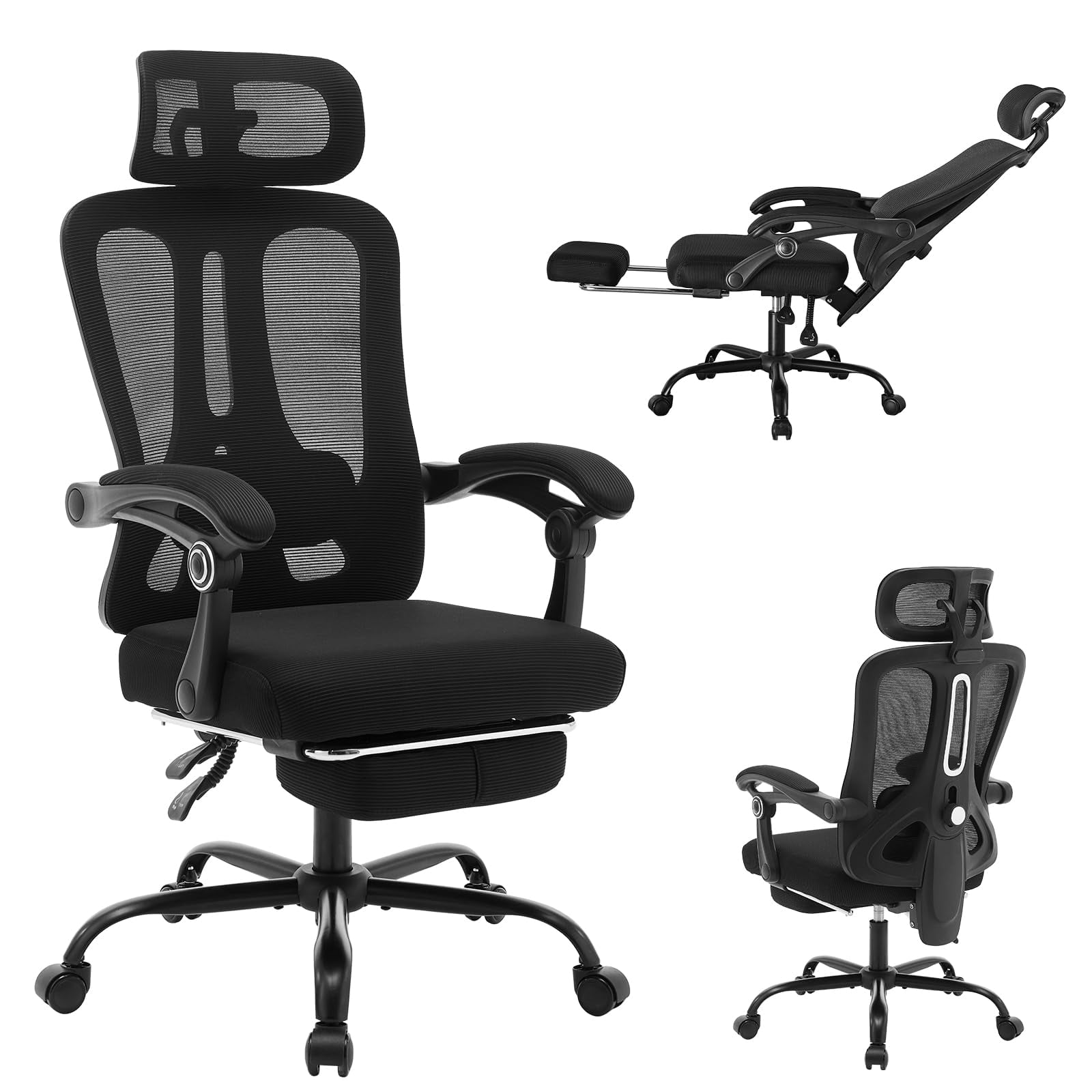
The most obvious feature is the vertical length of the backrest. A genuine long office chair should have a back height of at least 26 inches from the seat pan to the top. Some premium models go up to 33 inches, often including an integrated headrest. This extra height ensures that the natural curve of your spine is supported all the way to the shoulders. Think of it as a supportive hand on your upper back, encouraging you to sit tall.
2. Seat Depth Adjustability: Matching Your Femur Length
Height isn't just about torso length; leg length matters too. Tall individuals often have longer femurs, requiring a deeper seat pan (typically 18 to 20 inches). A good long office chair will offer seat depth adjustment. This allows you to slide the seat forward or backward so there's a 2-3 finger gap between the back of your knee and the seat edge. This prevents circulation restriction and supports your thighs properly. Without this, you might feel like you're sitting on a stool rather than a chair.
3. Lumbar Support Placement: Precision for the Tall Spine
Standard lumbar support often hits too low for tall users, landing on the sacrum instead of the lumbar curve. In a long office chair, look for adjustable lumbar support in both height and depth. The mechanism should allow you to move the curve up or down so it fits snugly into your lower back's natural arch. This targeted support reduces spinal disc pressure by up to 30%, according to biomechanics research.
4. Headrest Integration: Supporting the Cervical Spine
Many long office chairs include a headrest, but not all headrests are created equal. For a chair to be truly 'long' and supportive, the headrest should be adjustable in height and angle. A fixed headrest might hit a 6'4" user in the middle of the neck rather than the base of the skull. Look for 2D or 3D headrests that move with you, especially if you recline during phone calls or deep-focus sessions.
5. Recline Mechanism and Tension Control
A longer backrest means more leverage when you recline. Quality long office chairs use synchronized or multi-function mechanisms that allow the backrest to move independently of the seat, or in a coordinated ratio (often 2:1 or 3:1). This ensures that as you lean back, the seat tilts slightly to keep your feet planted and your posture stable. Adjustable recline tension is crucial so the chair supports your weight without feeling too stiff or too loose.
Full Spine Coverage
Supports thoracic and lumbar regions simultaneously.
Reduced Shoulder Strain
Upper back support minimizes rounding of shoulders.
Better Breathing Posture
Opens chest cavity for improved oxygen flow.
Long-Term Durability
Reinforced frames handle taller centers of gravity.
Long Office Chair vs. Standard Chair: A Quick Comparison
To visualize the difference, consider this analogy: a standard chair is like a regular bed—fine for average heights—while a long office chair is like an extra-long twin bed, designed specifically for taller frames. Here’s a breakdown:
| Feature | Standard Office Chair | Long Office Chair |
|---|---|---|
| Backrest Height | 19-22 inches (usually ends mid-back) | 25-33 inches (reaches shoulders or head) |
| Seat Depth Range | 15-17 inches (often fixed) | 18-21 inches (often adjustable) |
| Ideal User Height | 5'4" to 5'10" | 5'11" to 6'6"+ |
| Headrest Inclusion | Optional, often non-adjustable | Common, with multi-directional adjustability |
| Frame Strength | Standard weight capacity (~250-300 lbs) | Reinforced, often 350-500 lbs capacity |
Selecting the Right Material for Your Long Office Chair
Material choice affects both comfort and longevity, especially for extended sitting. Here's how popular options perform in a long-chair context:
High-Back Mesh
- Breathability: Ideal for long hours, prevents heat buildup.
- Flexibility: Conforms to spine movements.
- Durability: Modern mesh resists sagging if well-made.
- Weight: Lighter than leather, easier to roll.
Full Leather
- Premium Feel: Classic executive aesthetic.
- Durability: Can last 15+ years with care.
- Support: Often paired with thick foam.
- Consideration: Requires conditioning, can be warm.
For a long office chair, hybrid designs (mesh back + leather/cushioned seat) offer a balance: breathable support for the spine plus comfort for the thighs. This combination is popular among those who sit 8+ hours daily.
Ergonomic Benefits: More Than Just Height
Why go long? Beyond the obvious, a properly fitted long office chair promotes micro-movements and dynamic sitting. The extended backrest allows you to shift your sitting position—from upright to slightly reclined—while maintaining contact with the chair. This dynamic support encourages blood flow and reduces static loading on spinal discs. A study in the Journal of Physical Therapy Science noted that chairs with full back support (including upper back) significantly reduced reported discomfort in the trapezius muscles compared to mid-back chairs.
Key Health Advantages at a Glance:
- Reduces 'Tech Neck': Supports cervical spine to prevent forward head posture.
- Alleviates Thoracic Kyphosis: Encourages shoulders to roll back naturally.
- Improves Circulation: Proper seat depth prevents pressure behind knees.
- Enhances Focus: Physical comfort reduces distraction from aches.
Step-by-Step Guide: How to Choose Your Ideal Long Office Chair
Step 1: Measure Your Torso and Full Height
Sit against a wall and mark where your shoulder blades end. Measure from the sitting surface (seat bone) to that mark. Add 2-4 inches for headroom if you want headrest support. This is your minimum backrest height.
Step 2: Check Seat Depth Requirements
Measure from the back of your buttocks to the back of your knee. Subtract 1-2 inches. That's your ideal seat depth. Look for chairs with depth adjustment to dial it in perfectly.
Step 3: Prioritize Lumbar Adjustability
Ensure the lumbar support can move vertically at least 3-4 inches. In-store, sit and see if the curve hits your lumbar (lower back) not your sacrum.
Step 4: Test Recline and Headrest Together
Lean back. Does the headrest support your neck, or does it poke your shoulders? A good long chair's headrest will adjust so it cups the natural curve of your neck, even when reclined.
Step 5: Verify Weight Capacity and Base Stability
Taller users often have a higher center of gravity. Look for a chair with a sturdy 5-star base (nylon or metal) and a weight rating at least 50 lbs above your weight for safety and longevity.
Frequently Asked Questions About Long Office Chairs
Final Thoughts: Invest in the Length That Supports Your Success
Choosing a long office chair is not just about comfort—it's about respecting your body's unique dimensions and investing in long-term health. Whether you're a tall executive, a remote worker, or someone recovering from back issues, the right chair with an extended backrest and proper adjustability can transform your workday. Think of it as a tailored suit for your spine: it fits perfectly, moves with you, and projects a sense of well-being. Use the guide above to identify the features that matter most, and remember that a quality long office chair is a 10-year investment in your productivity and physical health.
Recommendation Snapshot
Look for chairs with 4D armrests, separate headrest adjustment, and seat depth slider.
Prioritize breathable mesh backs with ample lumbar support.
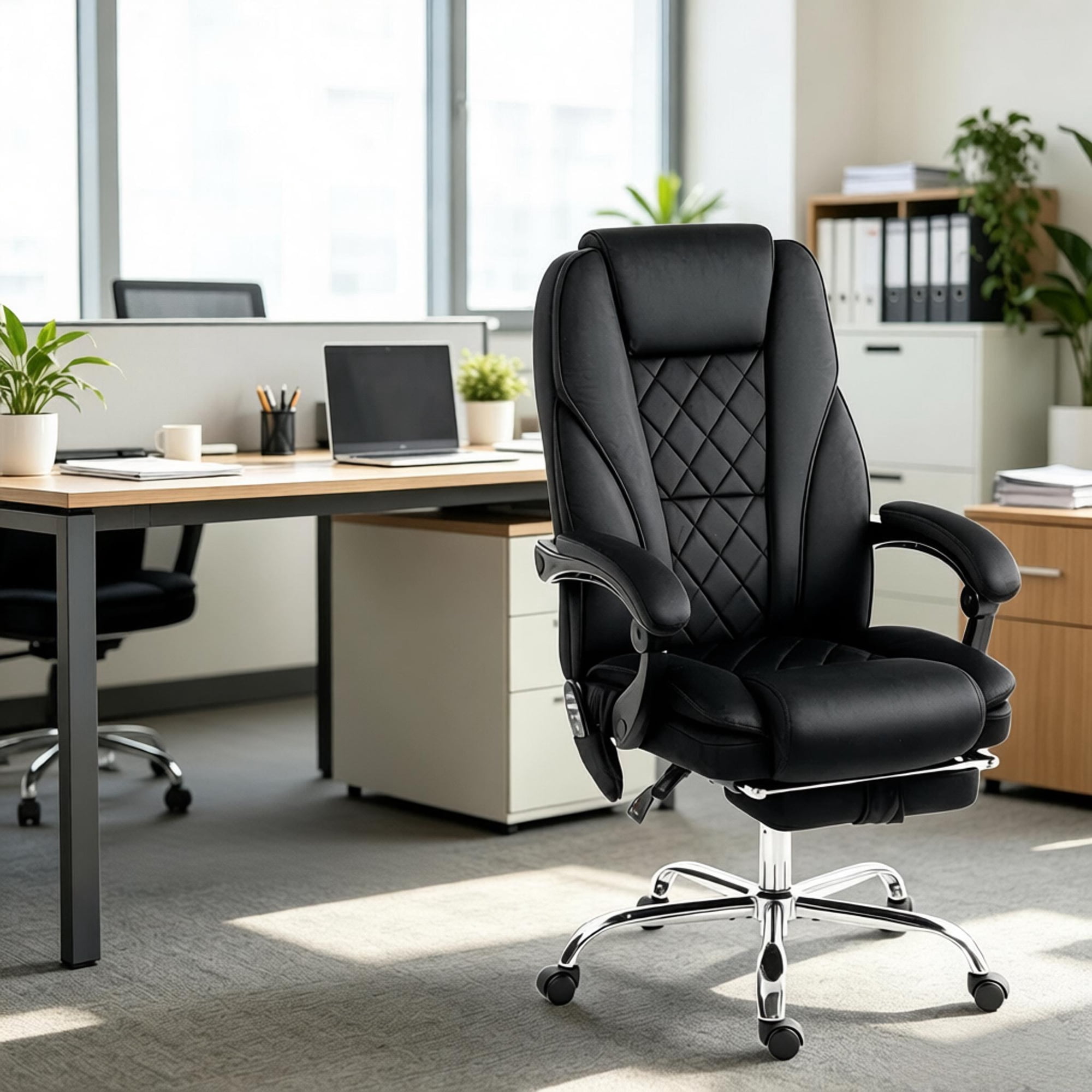
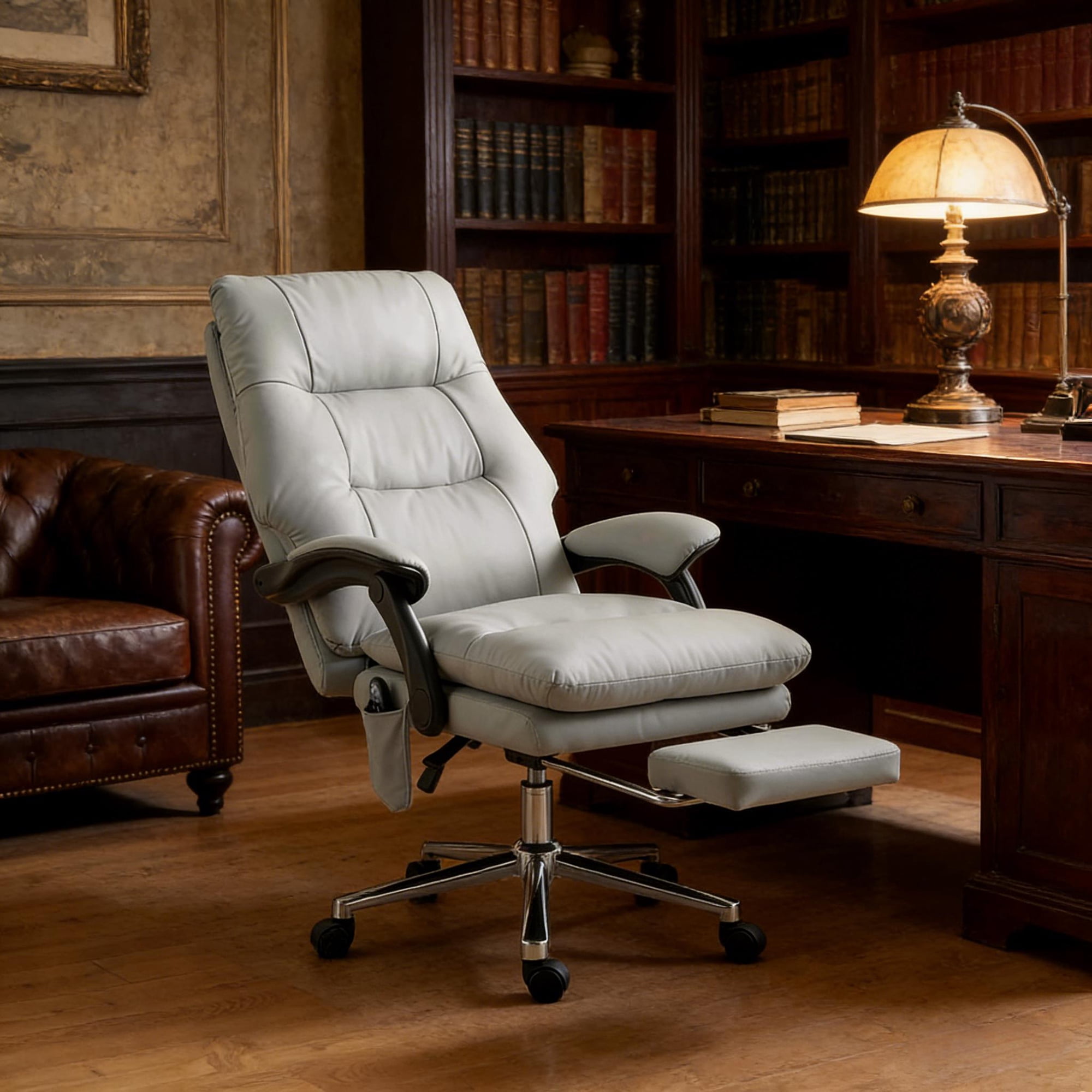
Choose leather or bonded leather with thick cushioning and a tall, wing-back design.