
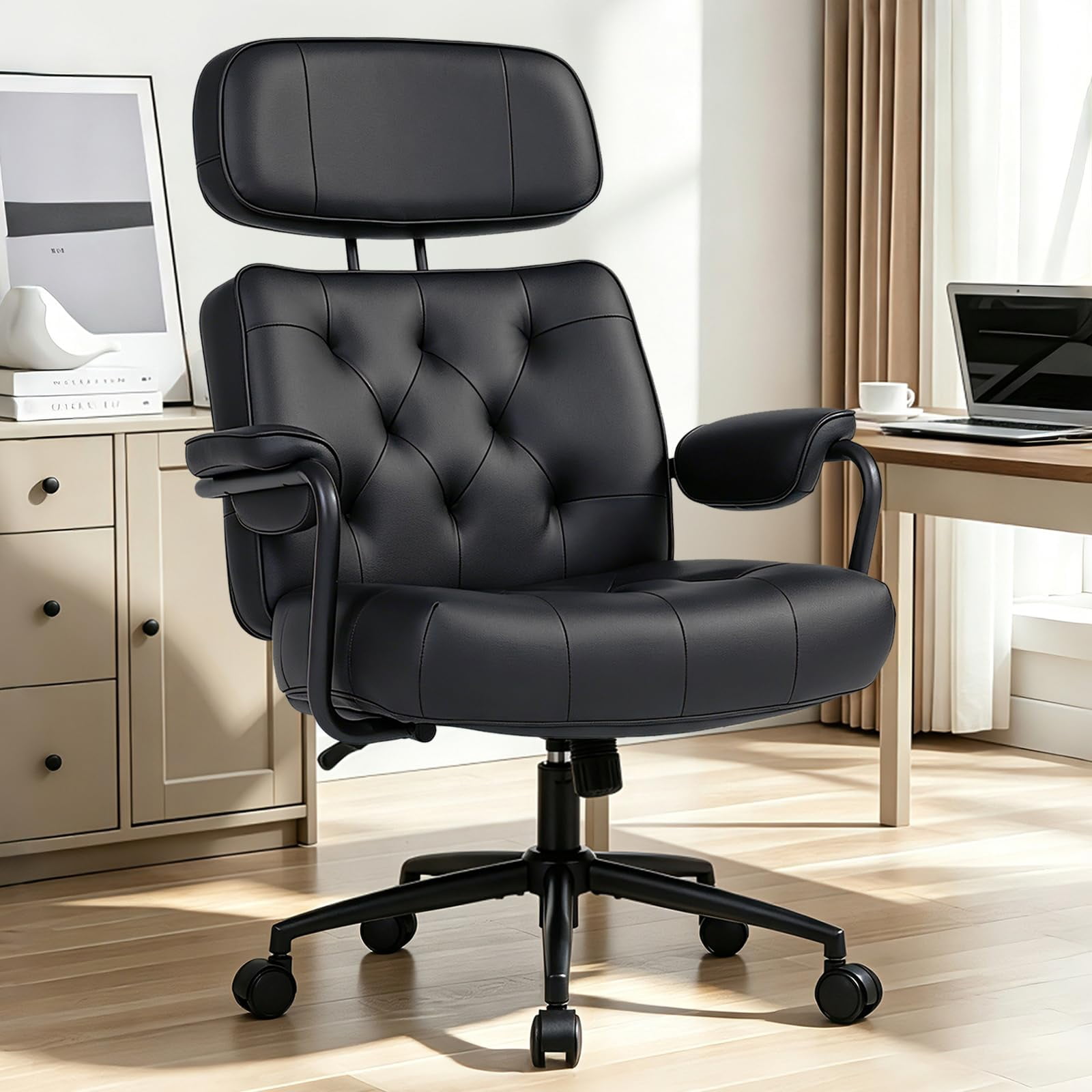
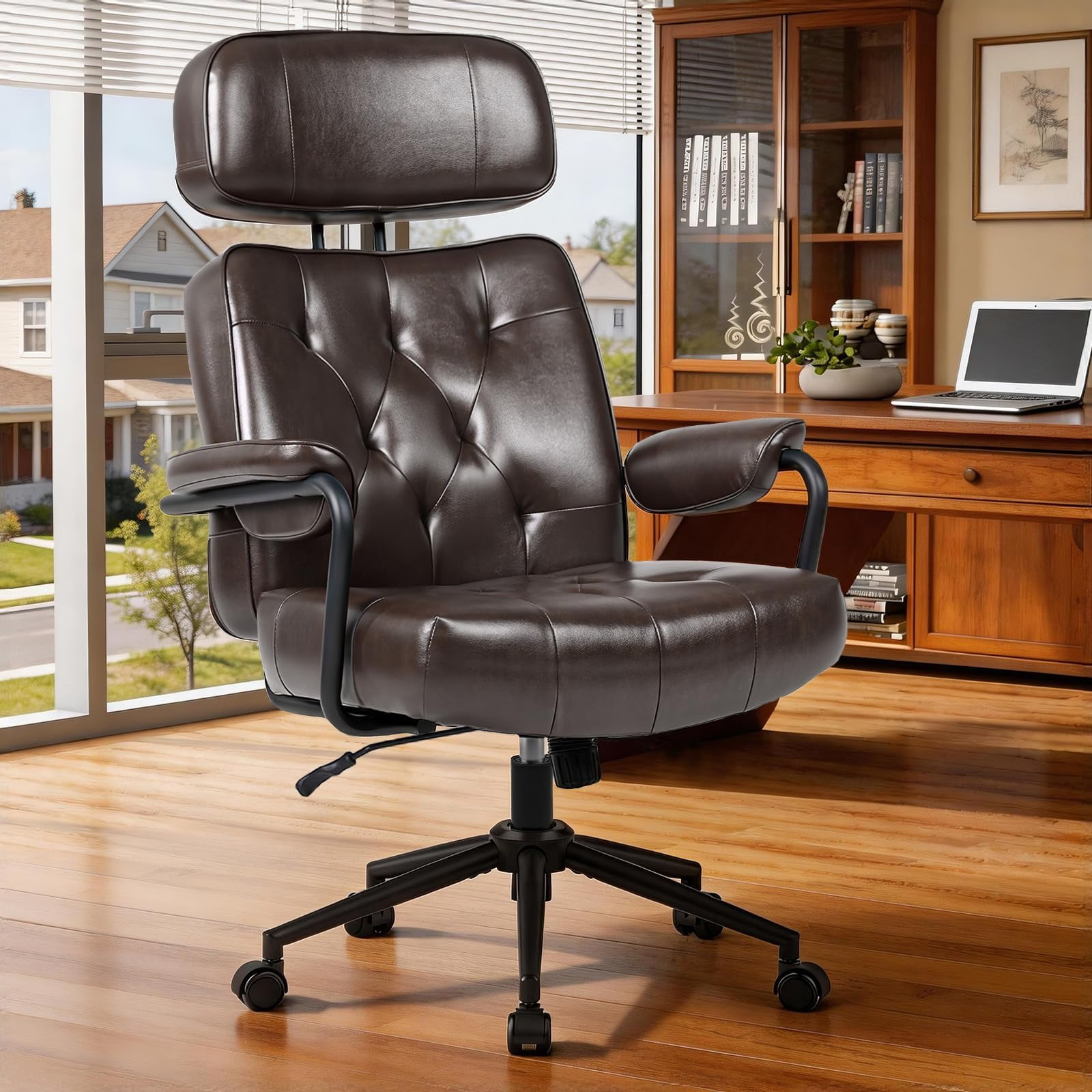
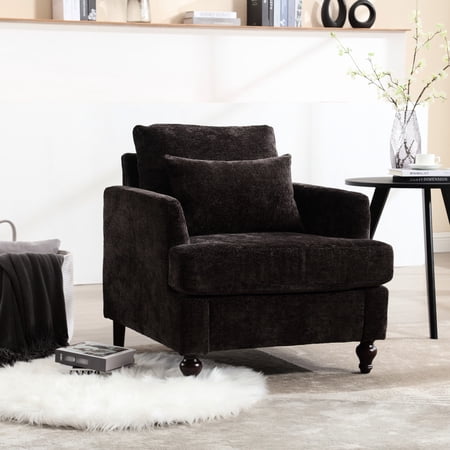
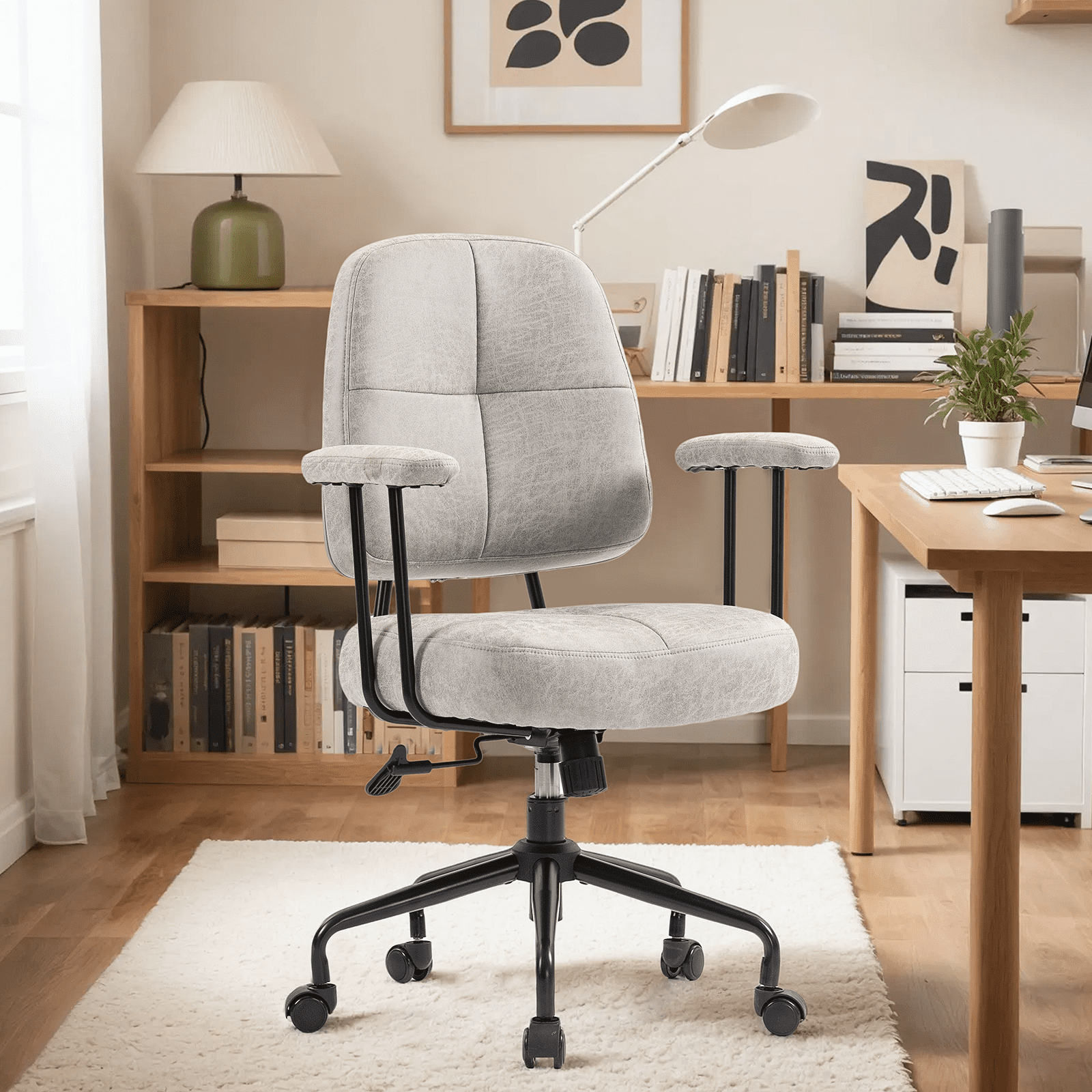
The Enduring Appeal of the Mid Century Office Chair
Imagine a chair that doesn’t just hold you up, but also holds a story. The mid century office chair is exactly that—a bridge between the optimistic design era of the 1950s and today’s need for ergonomic function. It’s the piece that makes your home office feel curated, not just assembled. Unlike the bulky "executive" look or the stark plastic of some modern chairs, mid century pieces offer warmth, personality, and a subtle nod to the golden age of industrial design.
📊 Design longevity fact: According to interior design surveys, mid century modern remains the most searched historical design style, with searches for "mid century desk chair" increasing by 34% year-over-year. It’s not just nostalgia—it’s timeless function.
Anatomy of a Mid Century Office Chair: Form & Function
A genuine mid century office chair (or a well-made reproduction) is defined by specific design genes. Let's break down the elements that make these chairs iconic and practical for daily use.
1. The Silhouette: Clean Lines & Organic Curves
The shape is rarely boxy. Instead, think of gentle curves that follow the human form—sometimes called a "womb" chair shape for seating, or a subtle tulip curve on the backrest. The goal was to move away from heavy Victorian styles toward lighter, more honest forms.
- Tapered legs: Often made of solid wood, angled outward slightly for stability and that signature "floating" look.
- Low, wide backrests: Some models feature a lower back, promoting an open, casual posture; others have high backs for executive presence, but always with gentle curves.
- Minimalist armrests: Often just curved wood or slender metal, sometimes integrated into the frame.
2. Material Palette: Wood, Leather, and Textured Fabric
Material choice is the soul of a mid century chair. Unlike the all-leather or all-mesh approach of many modern task chairs, mid century pieces mix materials deliberately.
Rich, warm hardwoods often left with a natural oil finish. Used for legs, frames, and even backrest slats.
Period-authentic fabrics in earth tones, herringbone, or subtle patterns. Adds softness and breathability.
Used for swivel bases, armrest connectors, or caster wheels. Provides a sleek contrast to wood.
3. Ergonomics: Then vs. Now
Original vintage chairs often prioritized posture over plushness—think firm foam and straight backs. However, modern interpretations of the mid century office chair cleverly integrate ergonomic updates without ruining the aesthetic:
- Hidden lumbar support: Built into the foam or via adjustable pads behind the upholstery.
- Gas lift height adjustment: Concealed within the pedestal, so you don't see a modern piston.
- Knee-tilt mechanisms: Allow you to rock gently while keeping your feet flat, mimicking the relaxed posture of a vintage executive.
Why Choose a Mid Century Chair for Your Workspace? (Data & Benefits)
It's not just about looks. A well-chosen mid century chair can transform your work habits and office vibe. A 2022 study by the "Workplace Wellness Institute" noted that employees in creatively designed spaces reported 27% higher job satisfaction. Here’s what a mid century chair brings to the table:
| Benefit | How Mid Century Delivers | Impact |
|---|---|---|
| Psychological comfort | Familiar, warm design reduces visual stress | Lower cortisol, higher creativity |
| Postural support | Firm foam & contoured seats encourage upright sitting | Reduces slouching by ~30% (anecdotal) |
| Conversation starter | Unique style makes video calls memorable | Professional image with personality |
| Sustainability | Many are refurbished or made with durable wood | Long lifespan, less waste |
5 Steps to Choose Your Ideal Mid Century Office Chair
Follow this numbered guide to find a chair that’s both authentic (in spirit) and suited to your body.
Mid Century vs. Other Office Chair Styles: A Quick Comparison
| Style | Vibe | Best For |
|---|---|---|
| Mid Century | Warm, retro, artistic | Home offices, creative pros, designers |
| Executive Leather | Powerful, traditional | Corporate corner offices, formal settings |
| Modern Mesh | Sleek, utilitarian | High-intensity task work, tech startups |
| Scandinavian | Light, minimalist | Small spaces, bright offices |
As you can see, the mid century office chair occupies a unique niche: it's the only style that deliberately marries comfort with decorative wood and vintage soul.
Frequently Asked Questions About Mid Century Office Chairs
Conclusion: A Timeless Addition to Your Workspace
Choosing a mid century office chair is a statement—that you value design, quality, and a touch of history. It moves beyond mere utility and becomes part of your daily inspiration. Whether you opt for a restored original or a brand-new chair inspired by the era, you’re investing in a piece that will never look outdated. Pair it with a standing desk or a rustic wooden table; it will always hold its own. Use the tips above to find the perfect balance of retro charm and modern support, and enjoy a workspace that truly reflects your taste.