
Why Tall Professionals Need a Specialized Chair
If you're over 6'2", you know the struggle: standard office chairs rarely accommodate your proportions. Your knees might hit the desk, the headrest lands on your shoulders, and lumbar support presses against your mid-back instead of your lower spine. This mismatch isn't just annoying—it can lead to chronic back pain, reduced circulation, and decreased productivity. The most comfortable tall office chair bridges this gap with purpose-built engineering.
Ergonomic Insight: According to a 2024 study in the Journal of Occupational Health, tall workers using chairs designed for average heights experience 67% more lower back discomfort compared to those using chairs with adjustable seat heights above 22 inches and extended backrests. Investing in a proper tall chair is an investment in your long-term health.
Key Anatomy of a Tall-Friendly Office Chair
Not all "tall" chairs are created equal. Here are the non-negotiable features that define the most comfortable models:
- Extended Seat Height Range: Look for pneumatic lifts that reach at least 22 inches (preferably 24+ inches) to allow a 90-degree knee angle.
- High Backrest (25-32 inches): A tall back provides support for the entire thoracic spine and shoulders, often including an adjustable headrest for neck relief.
- Deep Seat Depth (19-22 inches): Ample seat pan length ensures proper thigh support without cutting off circulation behind the knees.
- Adjustable Lumbar Positioning: Vertical adjustment of the lumbar mechanism is crucial to target the natural curve of a longer torso.
- Reinforced Base & Gas Lift: Class 4 or higher gas cylinders and a heavy-duty base (often steel or aluminum) to support taller/heavier frames securely.
Mesh vs. Leather: Which Material Suits Tall Users Best?
Material choice affects comfort, durability, and temperature regulation—especially important for those who spend long hours seated.
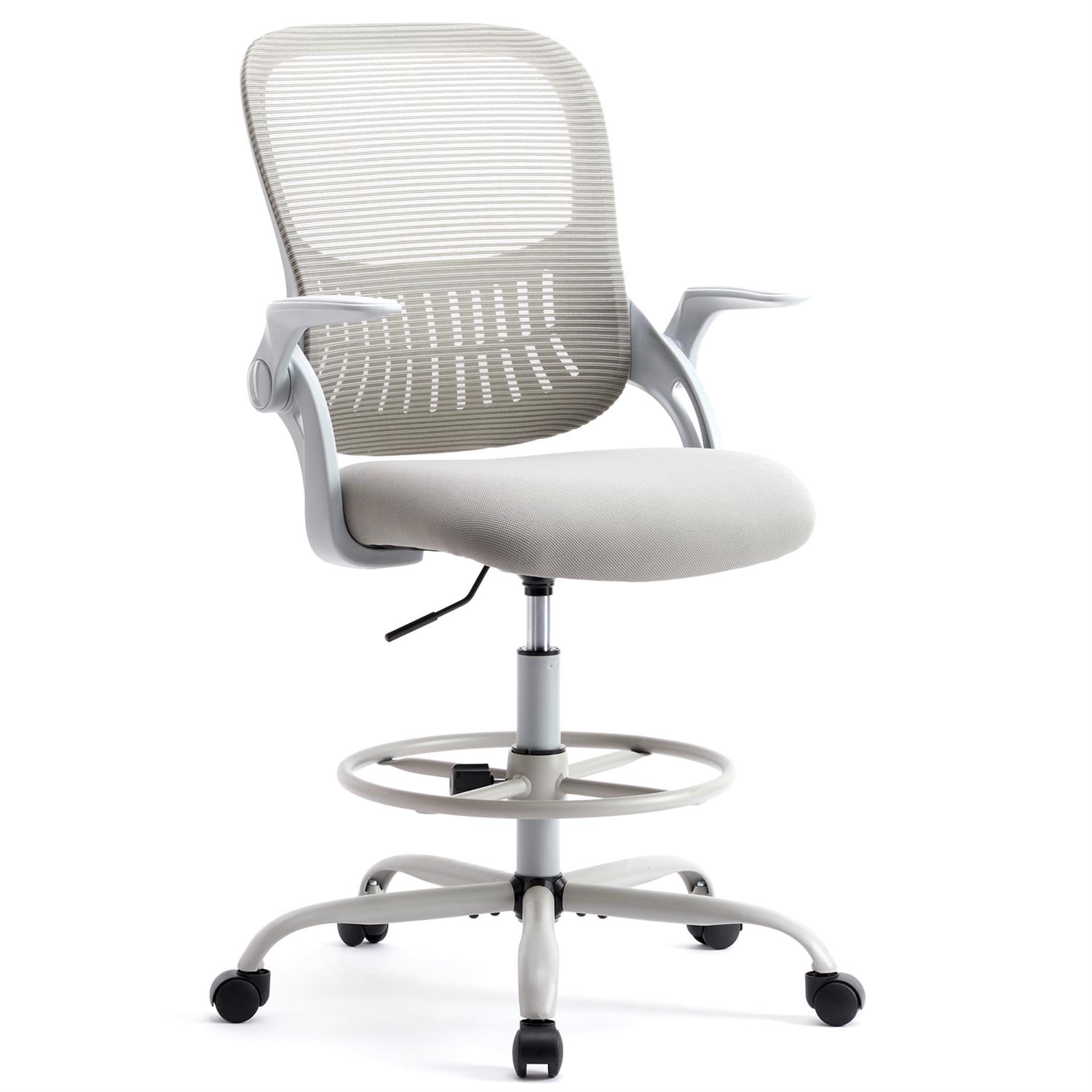
Premium Mesh (Recommended for Warm Climates & Long Hours)
- Breathability: Airflow prevents sweat and overheating, ideal for 8+ hour sessions.
- Adaptive Support: Mesh conforms to spinal curves while providing firm resistance.
- Low Maintenance: Easy to clean and doesn't crack over time.
- Lightweight: Easier to adjust and move around.
High-Grade Leather or Faux Leather
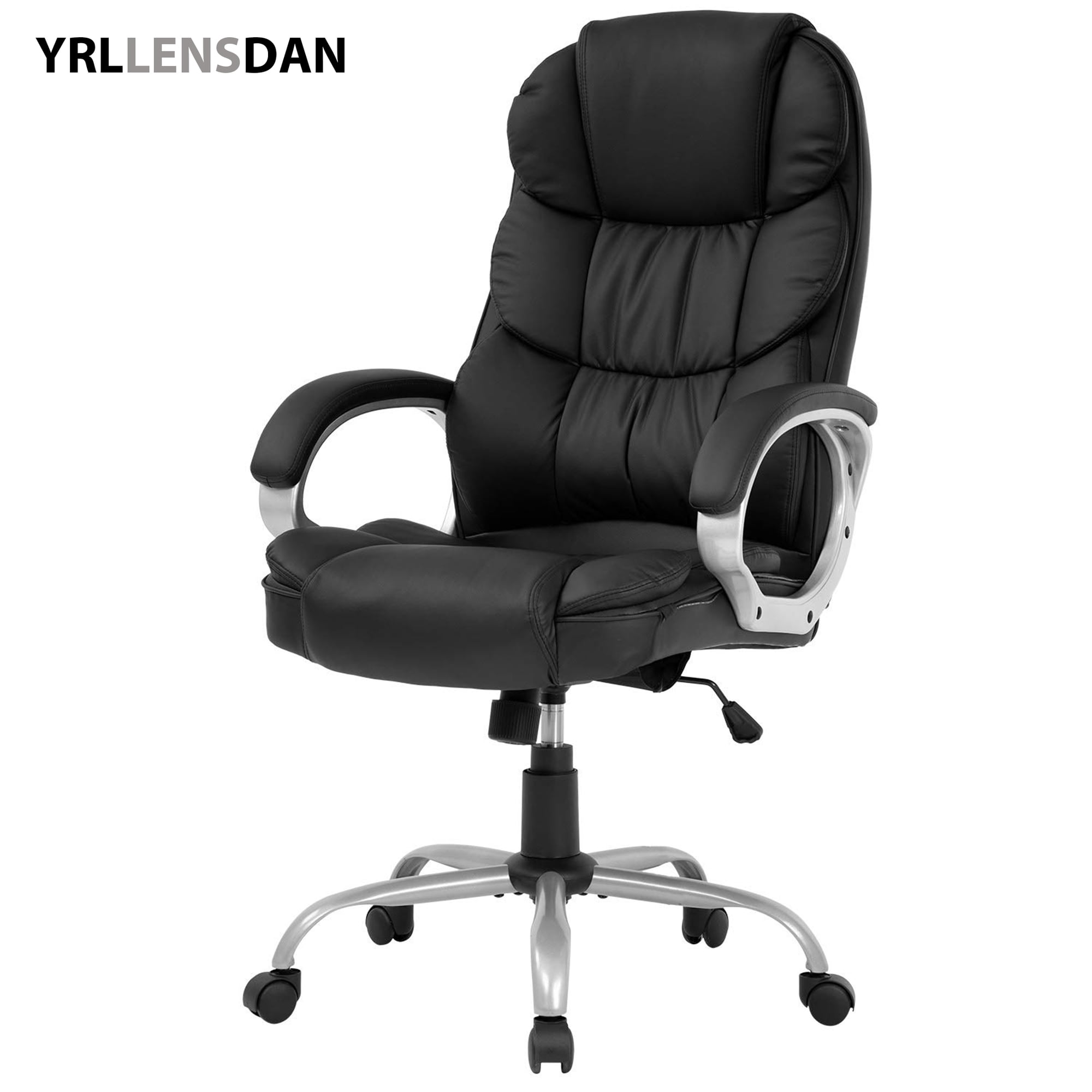
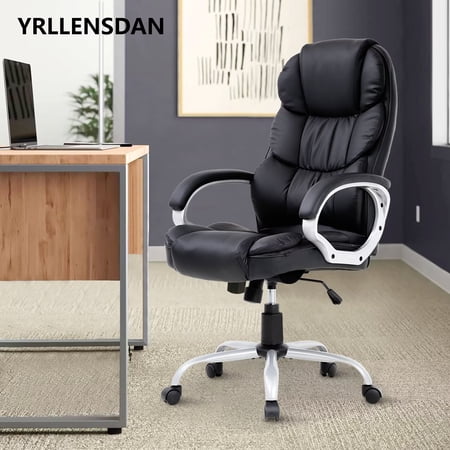
- Professional Aesthetic: Conveys executive presence.
- Plush Comfort: Often paired with memory foam for luxurious feel.
- Durable: High-quality leather can last 10+ years with care.
- Consideration: May retain heat; opt for perforated leather if breathability is a concern.
Adjustability: The Secret to Personalized Comfort
A tall office chair becomes "most comfortable" when you can fine-tune it to your unique dimensions. The following adjustments should be prioritized:
- 4D Armrests: Height, width, pivot, and depth adjustments ensure your elbows and shoulders stay relaxed, preventing neck strain.
- Seat Depth Slider: Allows you to move the seat pan forward/backward, crucial for tall users with longer femurs.
- Tilt Tension & Lock: Enables controlled recline, distributing weight and reducing pressure on the spine during micro-breaks.
- Headrest with Height/Tilt: A well-positioned headrest supports the cervical spine, especially during reclined work or calls.
Pro Tip: When testing a tall office chair, sit for at least 15 minutes. Check if your shoulders clear the backrest’s top edge and if the headrest supports your head’s base (not the top of your neck). Also ensure the armrests don’t force you to hunch.
Health & Productivity Benefits for Tall Users
Spinal Alignment
Properly positioned lumbar support reduces disc pressure by up to 30% and prevents slouching.
Enhanced Circulation
Correct seat depth prevents thigh compression, reducing risk of deep vein issues and numbness.
Focus & Energy
Eliminating discomfort allows longer concentration spans and less fatigue.
Professional Confidence
A chair that fits your stature projects authority and ensures you’re physically comfortable during important meetings.
Ultimate Selection Guide: Choosing the Most Comfortable Tall Office Chair
Finding the perfect tall chair involves more than just looking at height specs. Follow this structured approach to match your needs with the right model.
Step 1: Measure Your Body and Workspace
- Seated Height: Measure from floor to the top of your knee when seated. The chair's max seat height should be at least this measurement to allow feet flat.
- Torso Length: Measure from seat to shoulder. Look for backrests at least 26 inches high.
- Desk Clearance: Ensure the desk height (typically 28-30 inches) accommodates the chair's armrests and your legs.
Step 2: Determine Your Primary Use Case
Step 3: Set a Realistic Budget Based on Longevity
Entry Tall
Basic tall features, fabric or PU leather, limited adjustability.
Mid-Range
Full ergonomic adjustments, mesh or leather options, 5+ year warranty.
Premium
Commercial-grade components, unlimited adjustability, advanced lumbar, 10+ year warranty.
Step 4: Validate Weight Capacity & Build Quality
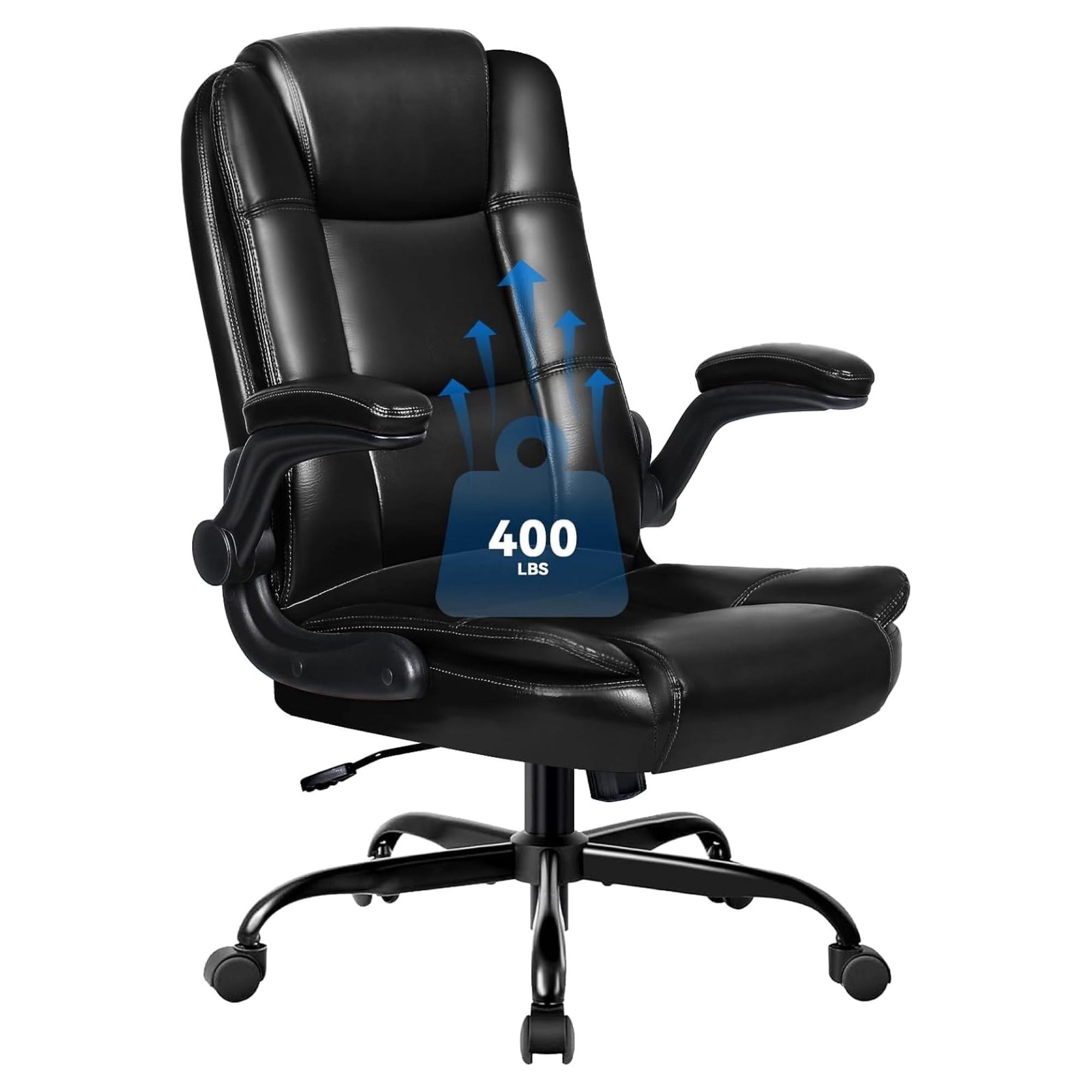
For tall users, a chair must support not only weight but also dynamic movement. Check for: Class 4 gas lift, 5-star base (aluminum > plastic), and a weight rating of at least 300 lbs to ensure stability and longevity.
Frequently Asked Questions About Tall Office Chairs
Conclusion: Elevate Your Comfort and Performance
Selecting the most comfortable tall office chair is not a luxury—it's a necessity for anyone who spends significant hours working while standing above average height. A chair that fits your frame correctly will alleviate back pain, boost daily energy, and enhance your professional presence. Whether you prefer breathable mesh for warm offices or premium leather for an executive feel, prioritize adjustability, build quality, and ergonomic features tailored to taller proportions.
Remember to test the chair’s adjustments thoroughly and verify the warranty period. Your comfort directly impacts your productivity—make the choice that keeps you performing at your peak.