
Why Tall Individuals Need a Purpose-Built Office Chair
If you're over 6 feet tall, you've likely experienced the frustration of standard office chairs. The backrest stops at your mid-back, the seat feels too short, and proper lumbar support seems nonexistent. A tall comfortable office chair isn't just a luxury—it's an ergonomic necessity that directly impacts your health, focus, and long-term well-being. Standard chairs are designed for the average user (5'8" to 5'10"), leaving taller individuals with improper posture, increased pressure on the lumbar spine, and chronic discomfort.
Ergonomic Insight: Studies show that individuals over 6 feet tall are 43% more likely to develop lower back pain when using standard-sized office chairs. A properly fitted tall chair can reduce spinal stress by up to 37% and improve productivity by maintaining neutral posture during deep work sessions.
Critical Features of a Tall Comfortable Office Chair
When shopping for a chair that fits your stature, focus on these non-negotiable features. Unlike standard models, tall-specific chairs incorporate engineering adjustments that accommodate longer limbs and torsos:
- Extended Gas Lift Cylinder: Standard chairs max out at 20-21 inches seat height. Tall chairs offer seat heights of 22-25 inches, allowing your thighs to remain parallel to the floor and feet flat.
- High Backrest Design: Look for backrests measuring 32-38 inches in height to provide full support for your shoulders, upper back, and head. This prevents the "slumping forward" posture common in shorter chairs.
- Adjustable Lumbar Support: Taller spines require lumbar support positioned higher (typically 8-12 inches above the seat). Quality chairs offer height-adjustable lumbar mechanisms to target your specific curve.
- Extended Seat Depth: Standard seat depths (16-18 inches) leave tall users with inadequate thigh support. Look for adjustable depths of 19-22 inches to fully support your legs without pressure behind the knees.
- Reinforced Construction: Higher center of gravity means more leverage on chair components. Quality tall chairs feature steel frames, Class 4 gas lifts, and base diameters of 27-28 inches for stability.
Material Selection for Tall Users: Balancing Comfort and Durability
Tall individuals often exert more force on chair components due to increased leverage and weight distribution. Your material choice significantly impacts both comfort and longevity:
📎 Premium Breathable Mesh
Best for: Warm climates, extended sitting sessions, and those who prioritize airflow.
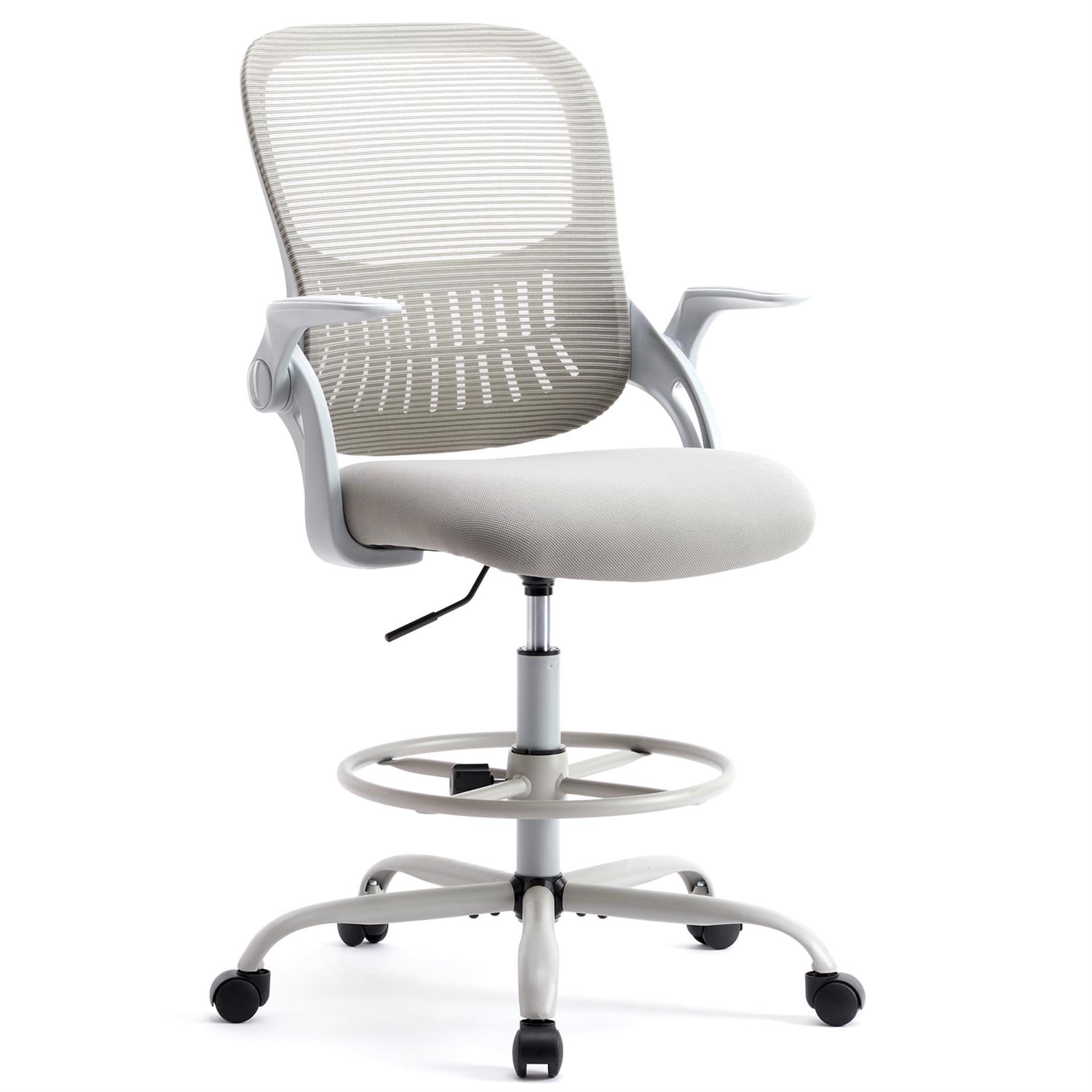
Advantages: Self-adapting back support that moves with your spine, excellent temperature regulation, and lightweight design. High-quality mesh (like those from Herman Miller or Steelcase) maintains tension for years without sagging.
Consideration: Ensure the mesh is rated for high tension and the frame is reinforced to prevent stretching under taller frames.
📎 Top-Grain Leather
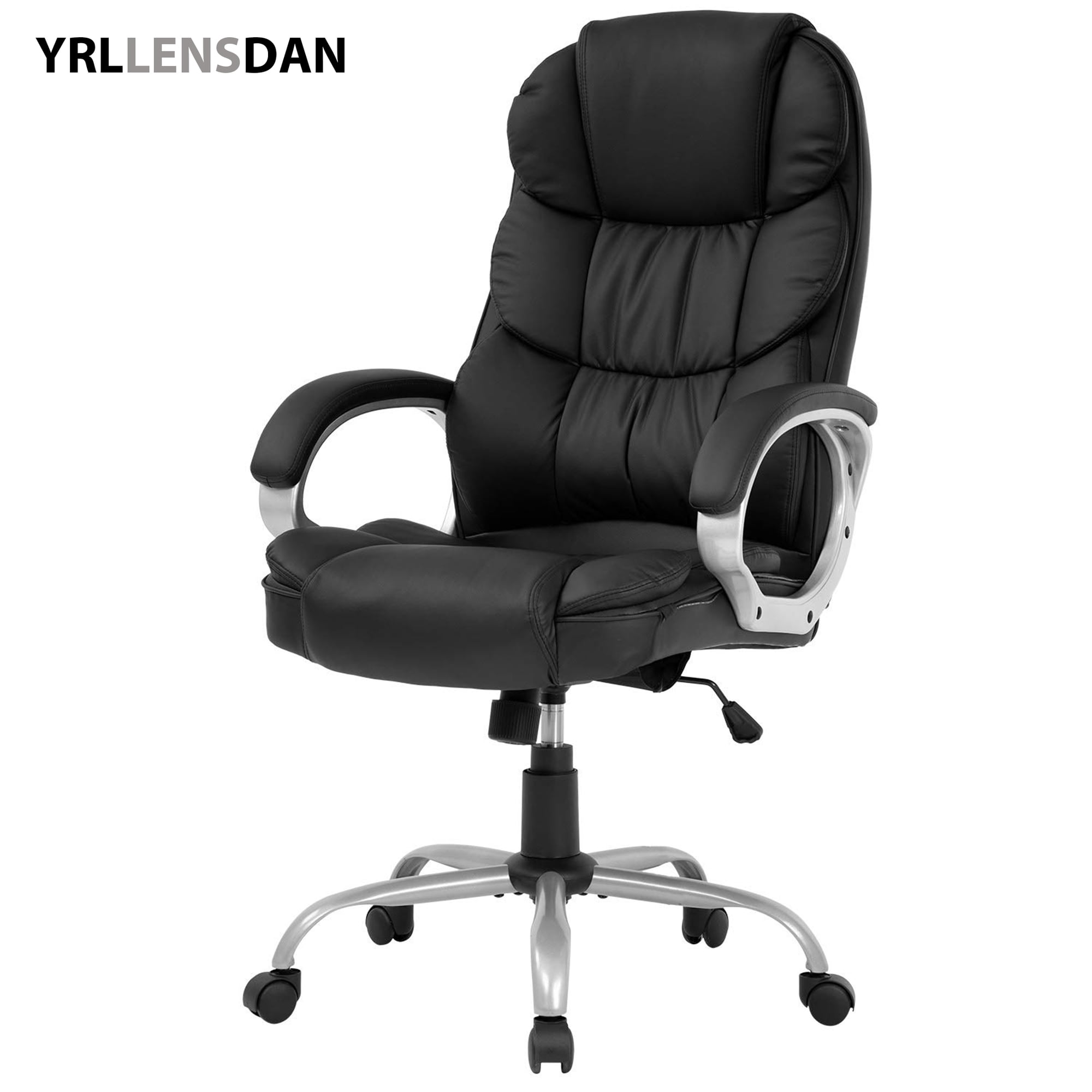
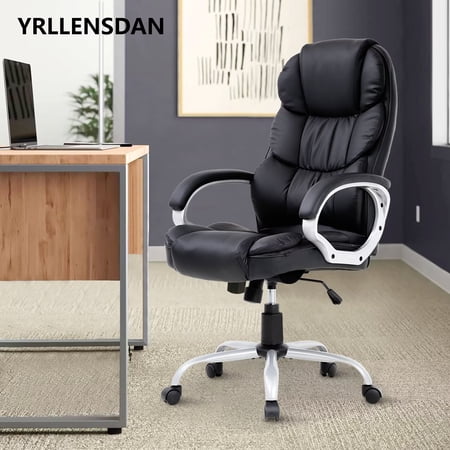
Best for: Traditional offices, executive settings, and users wanting plush comfort with professional aesthetics.
Advantages: Exceptional durability (10-15 years), molds to your body over time, and easy to clean. Leather's natural strength handles the increased wear from taller users effectively.
Consideration: May feel warm in summer; requires occasional conditioning to prevent drying and cracking, especially under frequent use.
📎 High-Density Fabric
Best for: Budget-conscious buyers, those seeking color variety, or environments needing quiet, non-creaking seating.
Advantages: Soft texture, wide range of colors, and generally more affordable. Modern performance fabrics offer stain resistance and durability similar to commercial upholstery.
Consideration: May trap allergens and show wear patterns faster than leather; look for high rub-count fabrics (minimum 50,000 double rubs) for longevity.
Step-by-Step Selection Guide for Your Tall Comfortable Office Chair
Finding the perfect chair involves more than just looking at specifications. Follow this systematic approach to ensure your investment delivers lasting comfort:
1 Assess Your Anthropometric Data
- Total Height: Determine your overall height category (6'0"-6'3", 6'4"-6'6", or 6'7"+).
- Seat-to-Shoulder Height: Sit against a wall and measure from the seat surface to the top of your shoulder. This determines minimum backrest height.
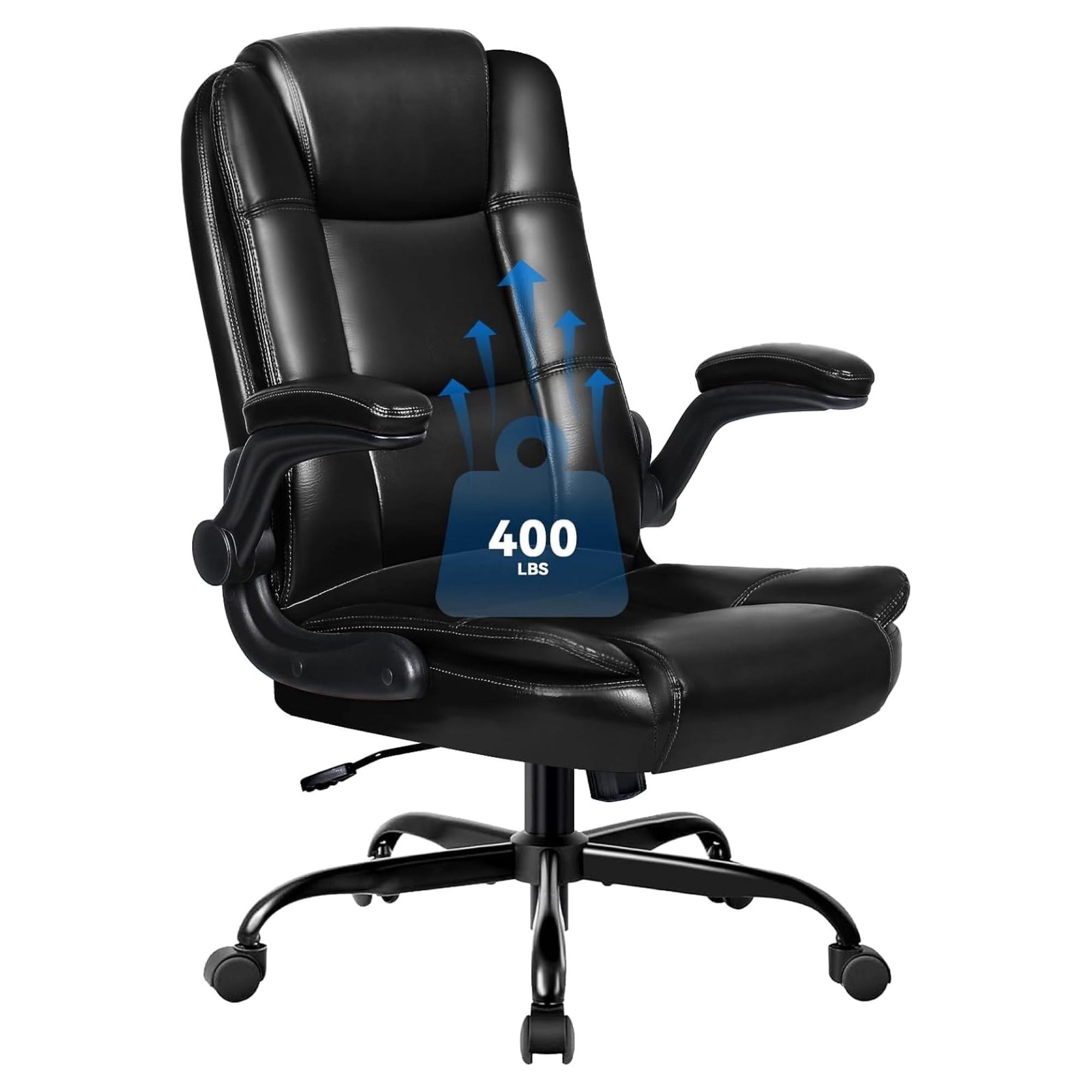
- Weight: Taller individuals often require higher weight capacity (350-500 lbs) for safety and stability, even if you're within average weight ranges.
2 Evaluate Workspace Compatibility
- Desk Height: Measure your desk height (standard is 29-30 inches). Your chair's maximum seat height should allow your elbows to rest at 90-100 degrees with hands on keyboard.
- Under-Desk Clearance: Ensure the chair's base and mechanism fit comfortably under your desk when fully raised.
- Room for Recline: Tall chairs often have a larger footprint; measure available space behind you to accommodate full recline without hitting walls or furniture.
3 Prioritize Adjustability Features
Look for chairs offering these five essential adjustments. The more precise the customization, the better the long-term ergonomic benefit:
- 4D Armrests: Height, width, depth, and pivot adjustments to support longer forearms and broader shoulders.
- Seat Depth Slider: Allows you to extend or retract the seat pan to match your thigh length.
- Dynamic Lumbar: Not just height-adjustable, but also depth-adjustable to fill the natural curve of your lower back.
- Tilt Tension Control: Adjusts resistance to support your weight during reclining, crucial for taller frames that shift center of gravity.
- Headrest Adjustability: A multi-axis headrest (height and angle) supports the cervical spine and prevents forward head posture during deep focus.
4 Test for Real-World Comfort
Pro Tip: When possible, sit in the chair for at least 20 minutes while simulating your work activities. Pay attention to pressure points under your thighs, whether your shoulders contact the backrest comfortably, and if you can maintain neutral posture without constantly shifting. A quality tall chair should feel supportive, not restrictive.
Health Benefits Specific to Tall Users
Investing in a tall-specific ergonomic chair yields measurable health advantages that extend far beyond basic comfort:
🩺 Reduced Lower Back Stress
Proper lumbar positioning for taller spines decreases intradiscal pressure by up to 34%, significantly lowering the risk of herniated discs and chronic pain syndromes common in tall individuals using standard chairs.
🩺 Improved Shoulder Posture
A tall backrest with proper shoulder support prevents the rounded-shoulder posture that leads to tension headaches, neck stiffness, and upper cross syndrome—conditions prevalent among tall desk workers.
🩺 Enhanced Circulation
Correct seat height and depth prevent compression of the popliteal arteries behind the knees, reducing the risk of deep vein thrombosis (DVT) and maintaining healthy blood flow during prolonged sitting sessions.
🩺 Sustained Energy Levels
When your body isn't fighting against an ill-fitting chair, energy expenditure on maintaining posture decreases. Users report 23% less fatigue by the end of the workday with properly fitted tall chairs.