
Why the Right Black Office Chair with Wheels Matters
Imagine your office chair as the engine of your productivity. It needs to move you effortlessly from task to task—whether you're gliding to a filing cabinet, turning to collaborate with a colleague, or simply shifting position to stay comfortable. A black office chair with wheels is more than just a place to sit; it's a mobile command center. The color black offers timeless versatility, blending into any decor while hiding minor wear. But the wheels? They are the foundation of your dynamic workspace. This guide will help you choose a chair that doesn't just look good, but actively supports your workflow and well-being.
Did You Know? According to a study by the National Library of Medicine, prolonged static sitting can reduce metabolic rate and lead to musculoskeletal discomfort. A chair with smooth-rolling wheels encourages micro-movements and easy position changes throughout the day, which can improve circulation and reduce fatigue.
Decoding the Wheels: Casters, Floors, and Mobility
The wheels (or casters) on your office chair determine how freely you move. Not all wheels are created equal, and choosing the right type for your flooring is crucial for both chair performance and floor protection. Think of casters as the tires on a car: you wouldn't use racing slicks on a snowy road. Here’s what you need to know.
1. Wheel Material: Soft vs. Hard Casters
The material of the wheel is the primary factor in how it interacts with your floor.
- Hard Plastic (Nylon) Casters: These are standard on many budget and mid-range chairs. They roll easily on low-pile carpet but can be noisy and potentially scratch hardwood, tile, or laminate floors. They are durable but unforgiving.
- Soft Rubber/Polyurethane Casters: Often called "hardwood floor casters," these have a soft, grippy tread. They are quieter, protect delicate surfaces from scratches and dents, and provide better control on smooth floors. They are the preferred choice for home offices with hard surfaces.
- Dual-Wheel Casters: These casters have two small wheels side-by-side. They distribute weight better, reducing floor wear and making the chair feel more stable. Many modern chairs feature dual-wheel casters, often in soft materials.
2. Floor Type Compatibility: A Quick Guide
Choosing the wrong caster can turn your chair from a tool into a nuisance. Use this simple guide:
| Your Floor Type | Recommended Wheel Type | Why? |
|---|---|---|
| Hardwood / Laminate / Tile | Soft rubber or polyurethane (marked "hard floor") | Prevents scratching, quieter, better grip. |
| Low-Pile Carpet (office style) | Hard nylon or soft casters both work | Standard casters roll fine; soft casters may have slightly more resistance. |
| Thick, Plush Carpet | Larger "carpet" casters (often 3") or all-terrain wheels | Prevents sinking into carpet, makes rolling much easier. |
| Mixed Surfaces (rug + hard floor) | Soft rubber casters + chair mat | Soft wheels protect hard floor; mat eases transition to carpet. |
3. Beyond Standard: Locking Casters and Upgrades
Standard wheels allow free movement, but sometimes you need stability.
- Locking Casters: Some chairs, or aftermarket wheels, feature a lock that prevents the wheel from rolling. This is useful if you work on a slight incline or want absolute stillness during focused tasks.
- Rollerblade-Style Casters: A popular upgrade, these use soft polyurethane wheels like those on inline skates. They are exceptionally smooth, quiet, and glide effortlessly over nearly any surface. You can often buy a set of these to replace your existing casters.
Investing in the right wheels ensures your black office chair with wheels becomes a seamless extension of your workspace, not a source of frustration.
Ergonomics Meets Aesthetics: The Allure of Black
While mobility is key, the chair itself must support your body. A black office chair offers a unique advantage: it's a blank canvas that fits any style, from minimalist modern to traditional executive. But don't let the color fool you; the ergonomics are what count.
Key Ergonomic Features to Look For
Black Chair Material Options
The material of a black chair dramatically changes its feel and durability.
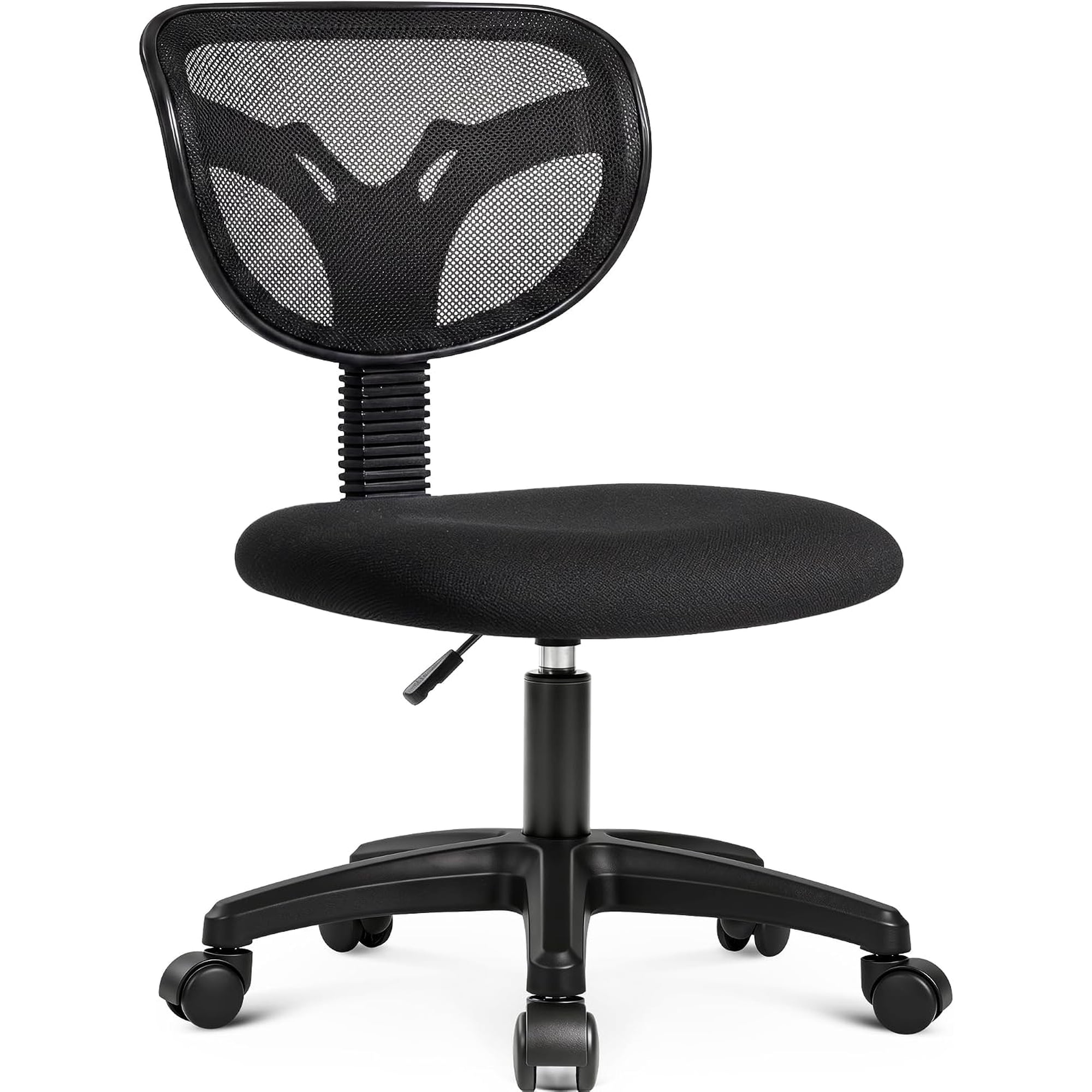
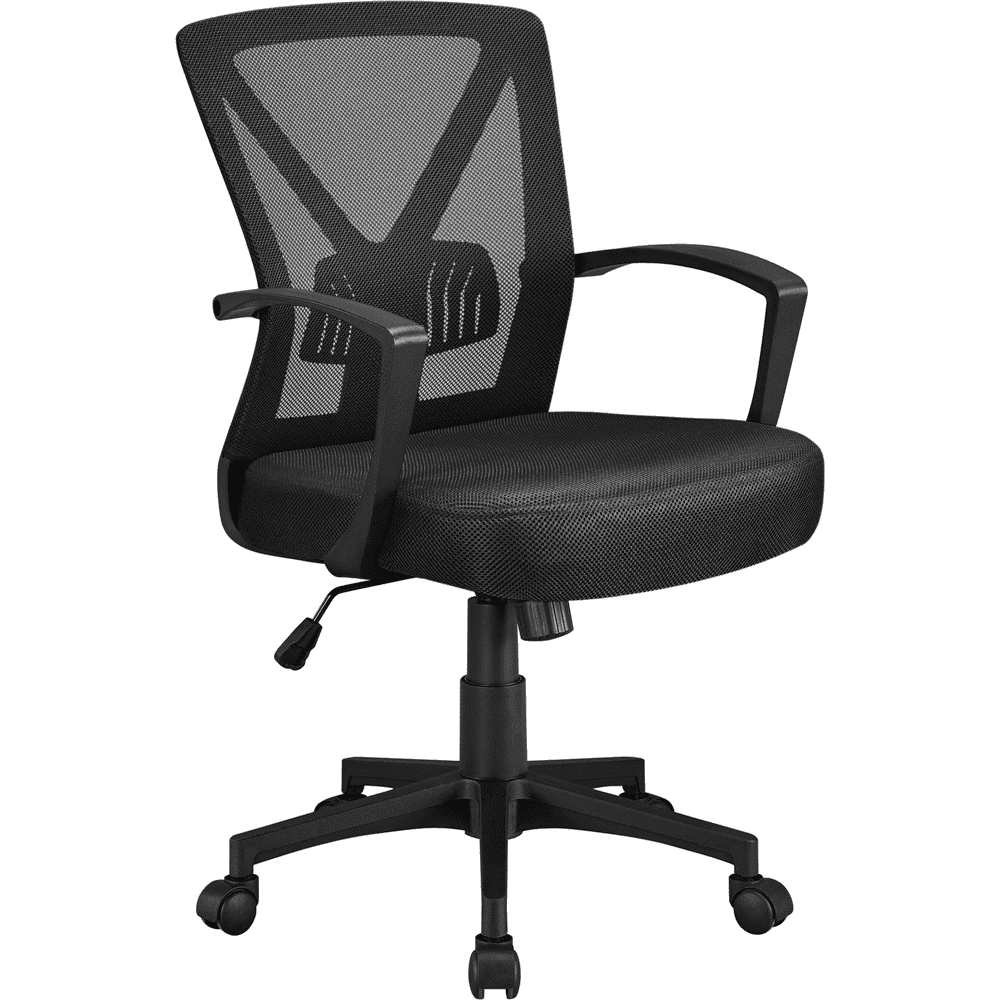
- Black Mesh: Ideal for warm climates or long hours. It's breathable, preventing sweat buildup. The black color gives mesh a sleek, modern, and professional look that hides wear well.
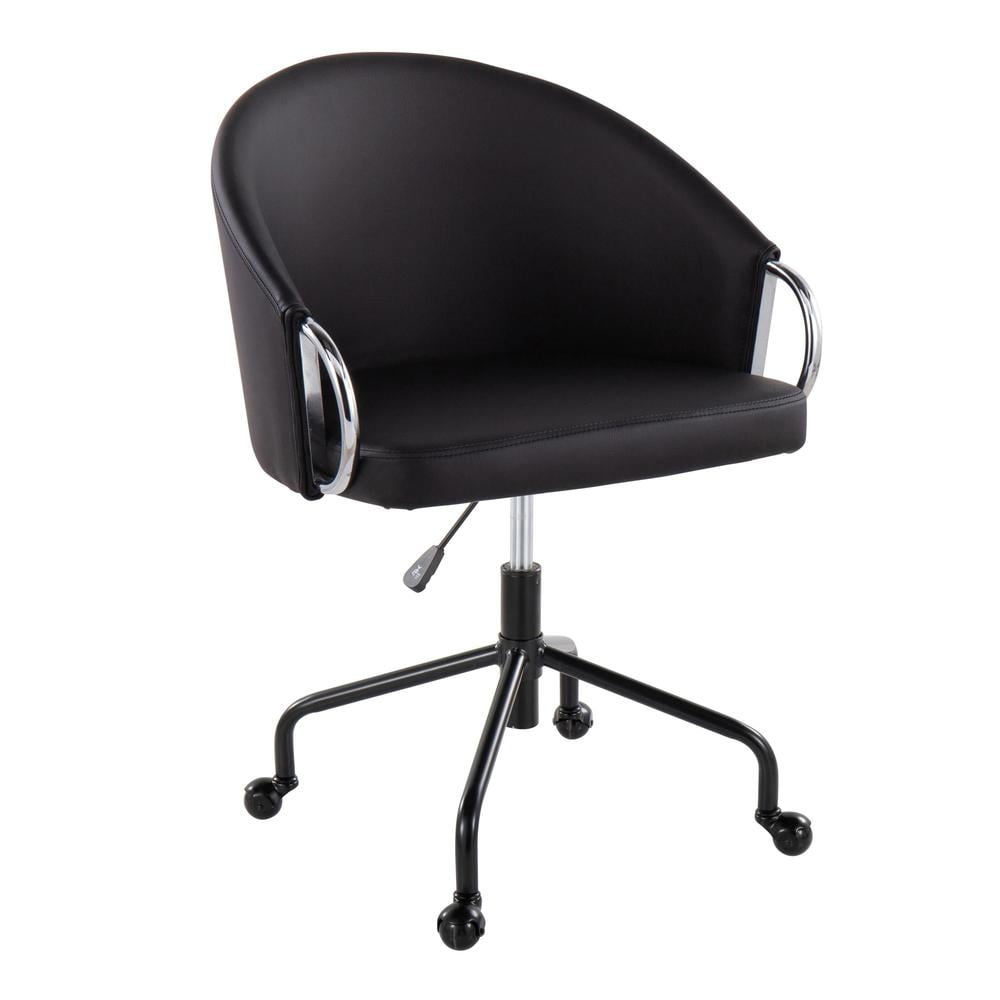
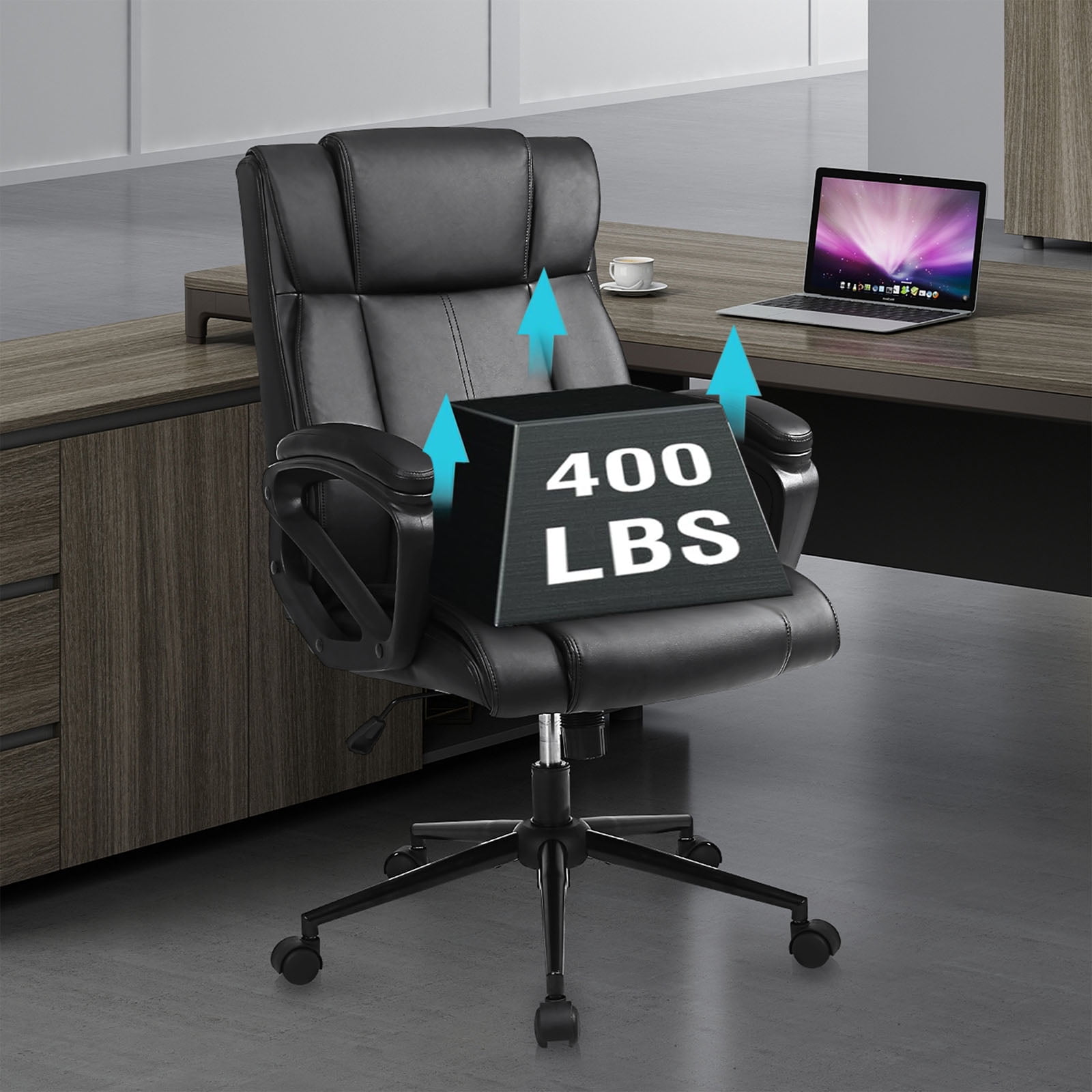
- Black Leather (or Faux Leather): Projects an executive, classic image. It's easy to wipe clean and very durable. However, it can get warm and requires occasional conditioning if real leather. Faux leather is a budget-friendly but less breathable alternative.
- Black Fabric: Offers a soft, cozy feel and comes in various textures like velvet or tweed. It's comfortable and warm but can be harder to clean than leather or mesh. Black fabric is forgiving with stains.
Maintaining Your Black Office Chair and Wheels
A little maintenance goes a long way in preserving the look and function of your chair.
- Clean Wheels Regularly: Hair and lint are the enemies of smooth-rolling casters. Check the axles monthly and remove any debris with scissors or a seam ripper.
- Protect Your Floor: Even with soft wheels, a high-quality chair mat provides an extra layer of protection for your flooring and makes rolling even easier, especially on carpet.
- Upholstery Care: For leather, use a damp cloth and occasional leather conditioner. For mesh, vacuum with a brush attachment. For fabric, spot-clean immediately with a mild cleaner.
- Tighten Bolts: Every few months, check and tighten any visible bolts or screws on the base, armrests, and backrest to prevent wobbling.
By paying attention to these details, your black office chair with wheels will remain a reliable, stylish, and comfortable part of your daily work life for years.
Frequently Asked Questions About Black Office Chairs with Wheels
Conclusion: Finding Your Perfect Mobile Seat
Choosing the right black office chair with wheels is a balance of form, function, and floor compatibility. Start by assessing your space: what type of flooring do you have? Do you need the breathability of mesh or the classic look of leather? Prioritize ergonomic adjustments that fit your body, and don't overlook the importance of quality casters. A chair that moves with you—smoothly and quietly—enhances your workflow and keeps you comfortable. Use this guide to navigate the options, and invest in a chair that supports both your posture and your daily tasks.