
Why Your Next Investment Should Be a High Back Comfortable Office Chair
Imagine your spine as the central pillar of a building. Over time, without proper structural support, even the strongest foundation begins to show stress. A standard office chair often only cradles the lower back, leaving the upper back, shoulders, and neck to fend for themselves. This is where a high back comfortable office chair transforms your workspace from a source of strain into a sanctuary of support.
Ergonomic Insight: Studies indicate that individuals using chairs with full back support (extending above the shoulders) report 47% less upper back and neck discomfort compared to those using mid-back chairs. This reduction translates directly into sharper focus and sustained energy throughout the workday.
The Science of Comfort: Anatomy of a High Back Chair
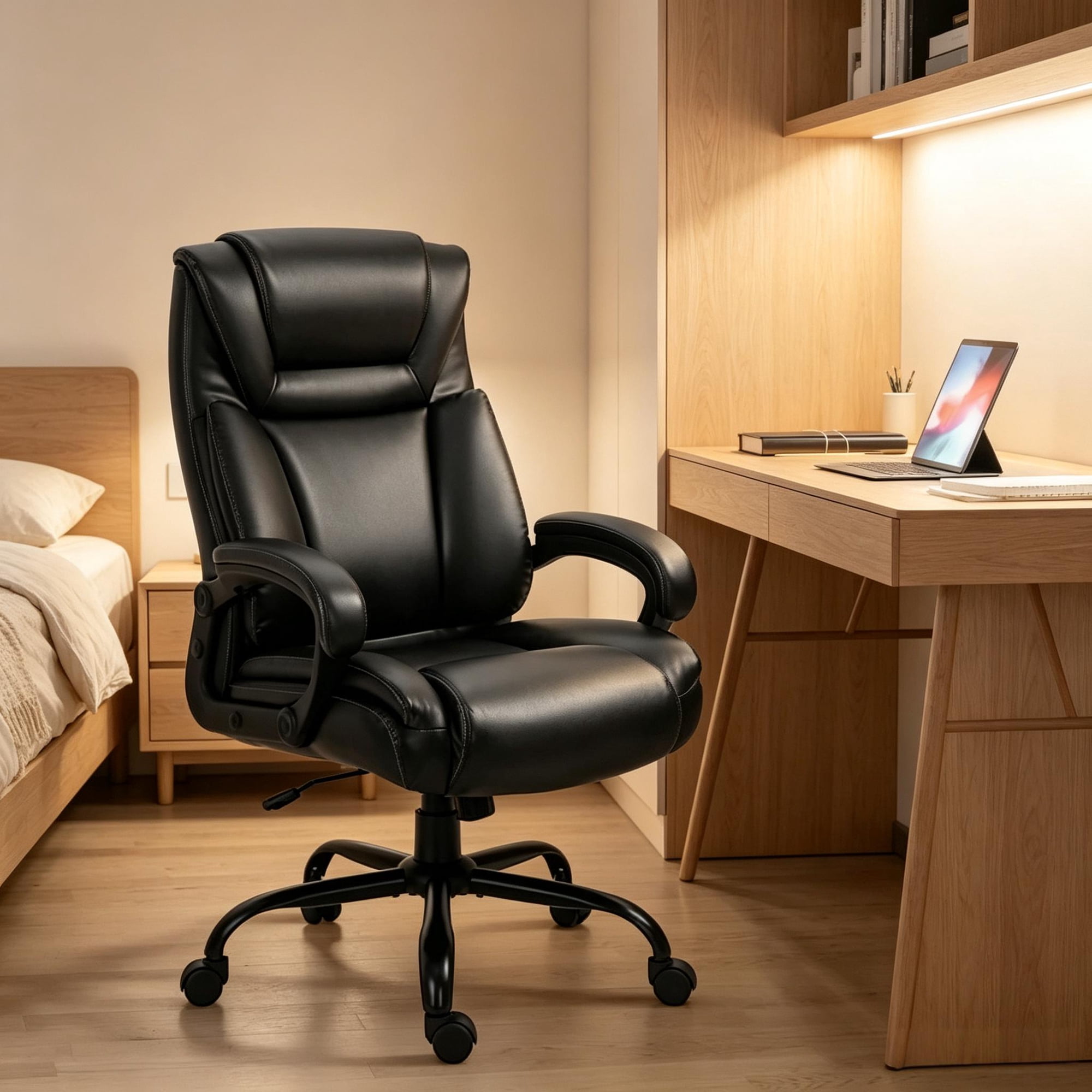
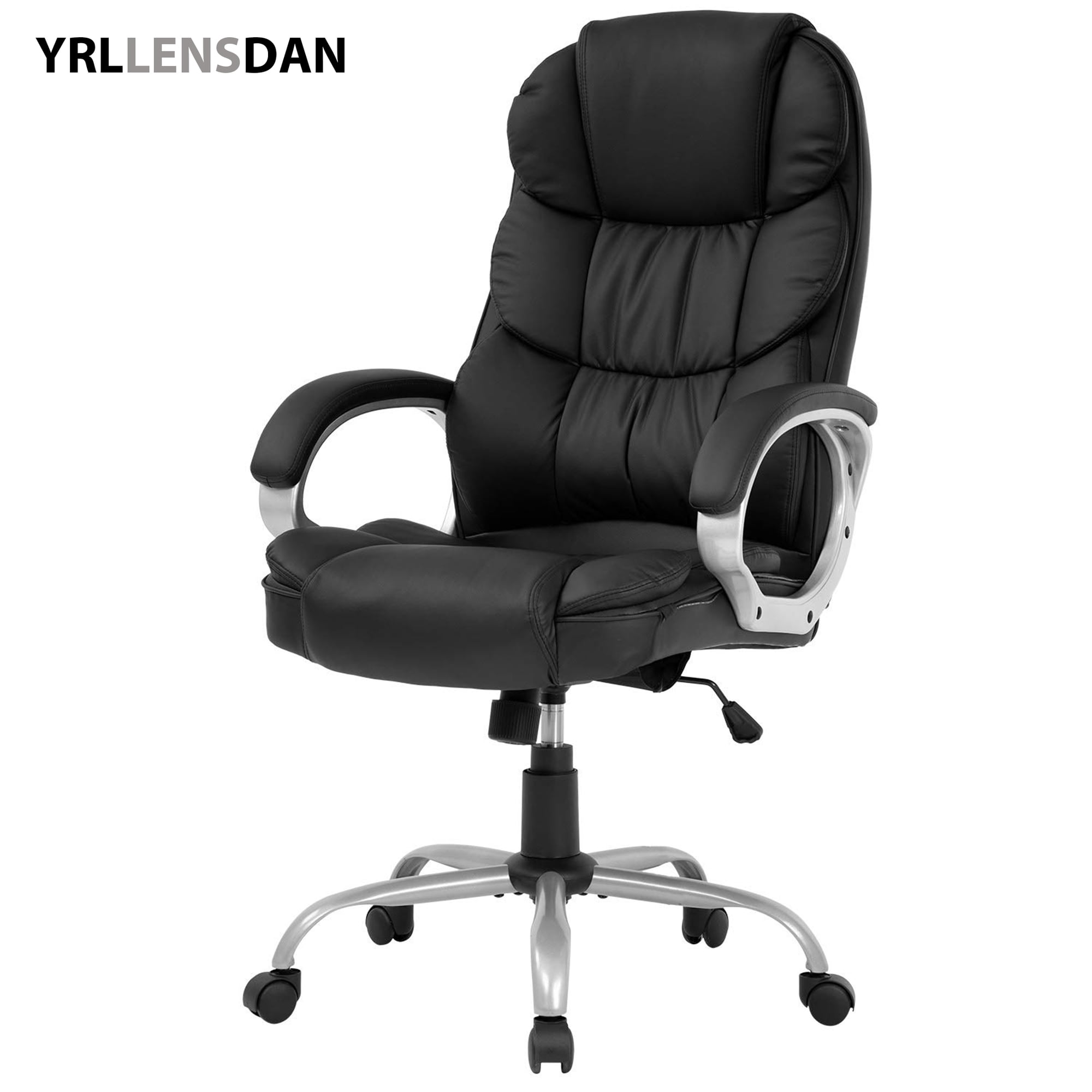
A true high back chair is engineered to follow the natural curvature of the human spine, from the sacrum up to the cervical vertebrae. Unlike standard task chairs that stop at the mid-back, these chairs incorporate three critical zones of support:
- Lumbar Zone: Adjustable support for the lower back to maintain the natural lordotic curve, preventing slouching and disc compression.
- Thoracic Zone: The broad mid-back area that stabilizes the rib cage and encourages an open chest posture, facilitating better breathing.
- Cervical Zone: Often featuring an integrated or adjustable headrest, this zone supports the neck and head, reducing forward head posture (a common issue in screen-heavy work).
Posture Perfection
By providing continuous contact along the spine, high back chairs act as a passive postural coach, guiding you into a neutral, aligned position without conscious effort.
Pressure Point Elimination
The extended backrest distributes upper body weight across a larger surface area, reducing focal pressure points that cause fatigue and discomfort over 8+ hour workdays.
Dynamic Recline Support
Quality high back chairs feature synchronized tilt mechanisms. As you recline, the backrest moves in harmony with your body, maintaining ergonomic support in any position.
Key Features to Prioritize in a High Back Chair
Not all high back chairs are created equal. When navigating your options, focus on these non-negotiable features to ensure you're investing in genuine comfort and durability:
Material Matters: Choosing Your Comfort Level
The upholstery of your high back chair significantly impacts both its tactile comfort and long-term durability. Here’s a breakdown to guide your decision:
| Material | Best For | Comfort Experience | Longevity |
|---|---|---|---|
| Premium Breathable Mesh | Warmer climates, high-energy work environments | Excellent airflow, temperature-neutral, supportive yet flexible | 7-10 years with proper frame care |
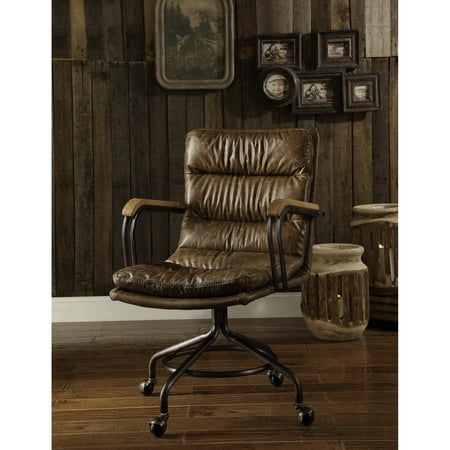
| Top-Grain Leather | Executive offices, formal settings, cooler environments | Luxurious feel, molds to body over time, easy to wipe clean | 10-15+ years with conditioning |
| High-Performance Fabric | General use, home offices, color-conscious buyers | Soft to the touch, wide color variety, stain-resistant options available | 5-8 years depending on weave density |
Ergonomic Principle: Regardless of material, the foam density in the seat cushion is critical. Aim for foam with a density of at least 4-5 lbs per cubic foot. This ensures the cushion maintains its shape and support for years without bottoming out.