
Why a Heavy Office Chair is a Smart Investment
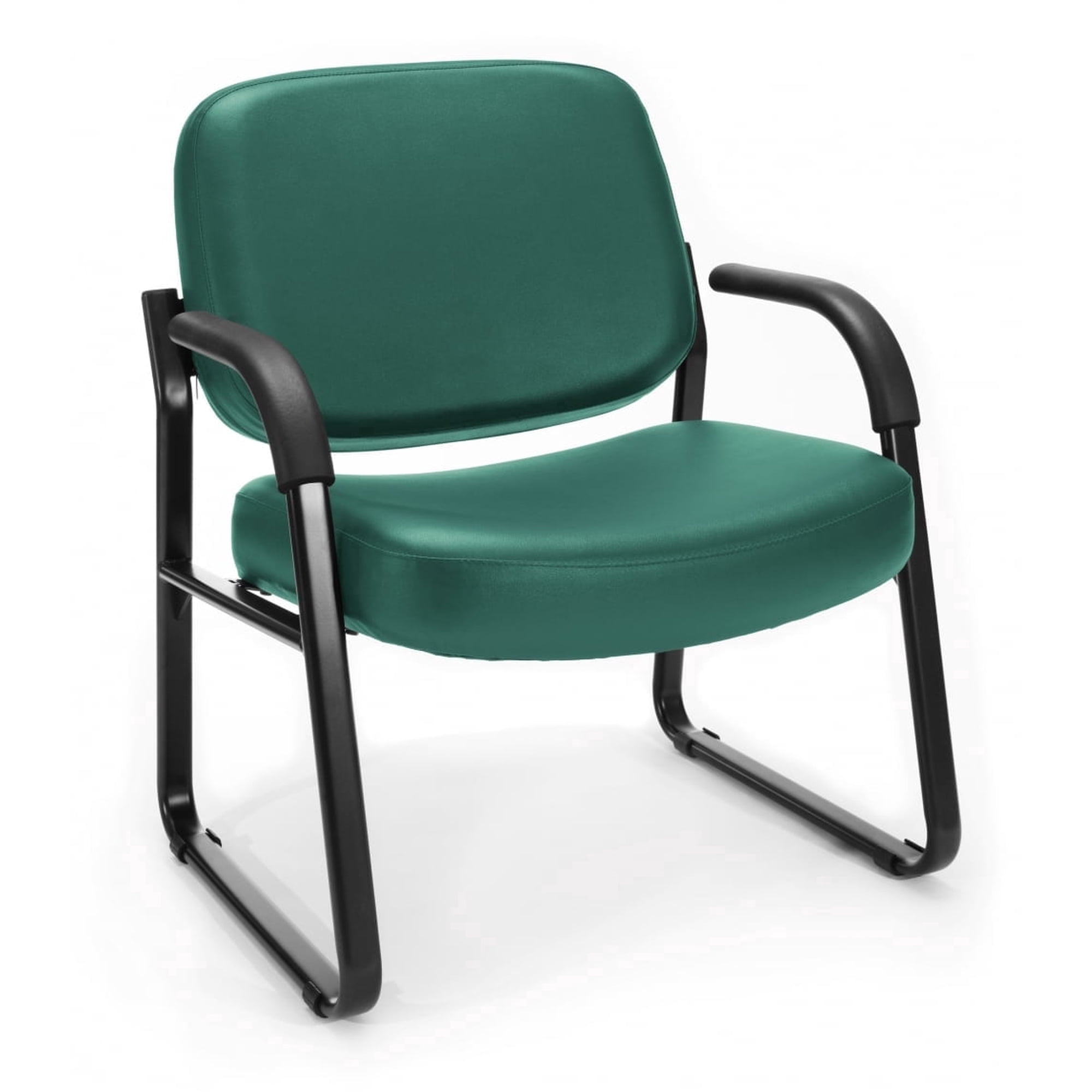
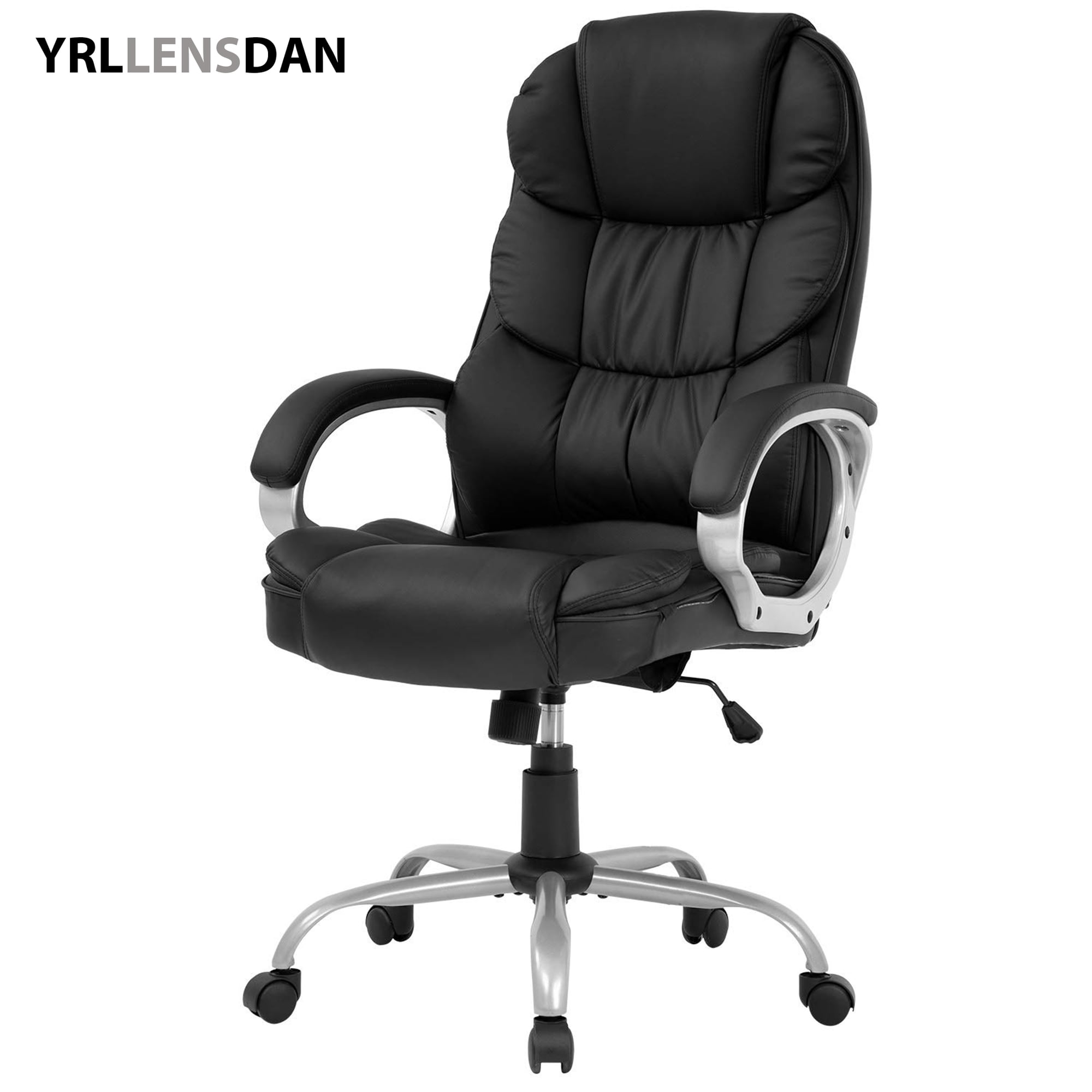
Choosing a standard office chair when you need extra support is like wearing shoes that are too tight—it may work for a while, but eventually it leads to discomfort, wear, and failure. A heavy office chair (often called heavy duty or big & tall chair) is engineered from the ground up with reinforced components: a wider seat, stronger gas lift, thicker base, and durable casters. According to ergonomic studies, users in the 95th percentile for weight report 78% less chair-related fatigue when using properly rated seating.
Safety first: Chairs with insufficient capacity can fail catastrophically. A quality heavy office chair with a 400+ lb rating protects you from accidents and provides peace of mind.
Who Specifically Needs a Heavy Office Chair?
- Big & tall individuals (over 6'2" or 250 lbs) who need extra seat width and depth.
- Users who sit 8+ hours daily — the reinforced foam and frame resist sagging.
- Anyone wanting a "forever chair" — heavy duty construction lasts 10-15 years vs. 3-5 for budget chairs.
- People recovering from injuries who need stable, non-wobbly seating.
Anatomy of a True Heavy Duty Chair
Not every chair labeled "heavy duty" lives up to the name. Here are the five critical components that separate genuine heavy office chairs from ordinary ones:
- Seat frame & cushion: Look for high-density foam (at least 2.5 lb/ft³) over a metal or reinforced plywood base. Cheap foam collapses within months.
- Gas lift class: Class 4 or Class 5 lift cylinders are mandatory. Class 3 (common in regular chairs) can leak or fail under heavy loads.
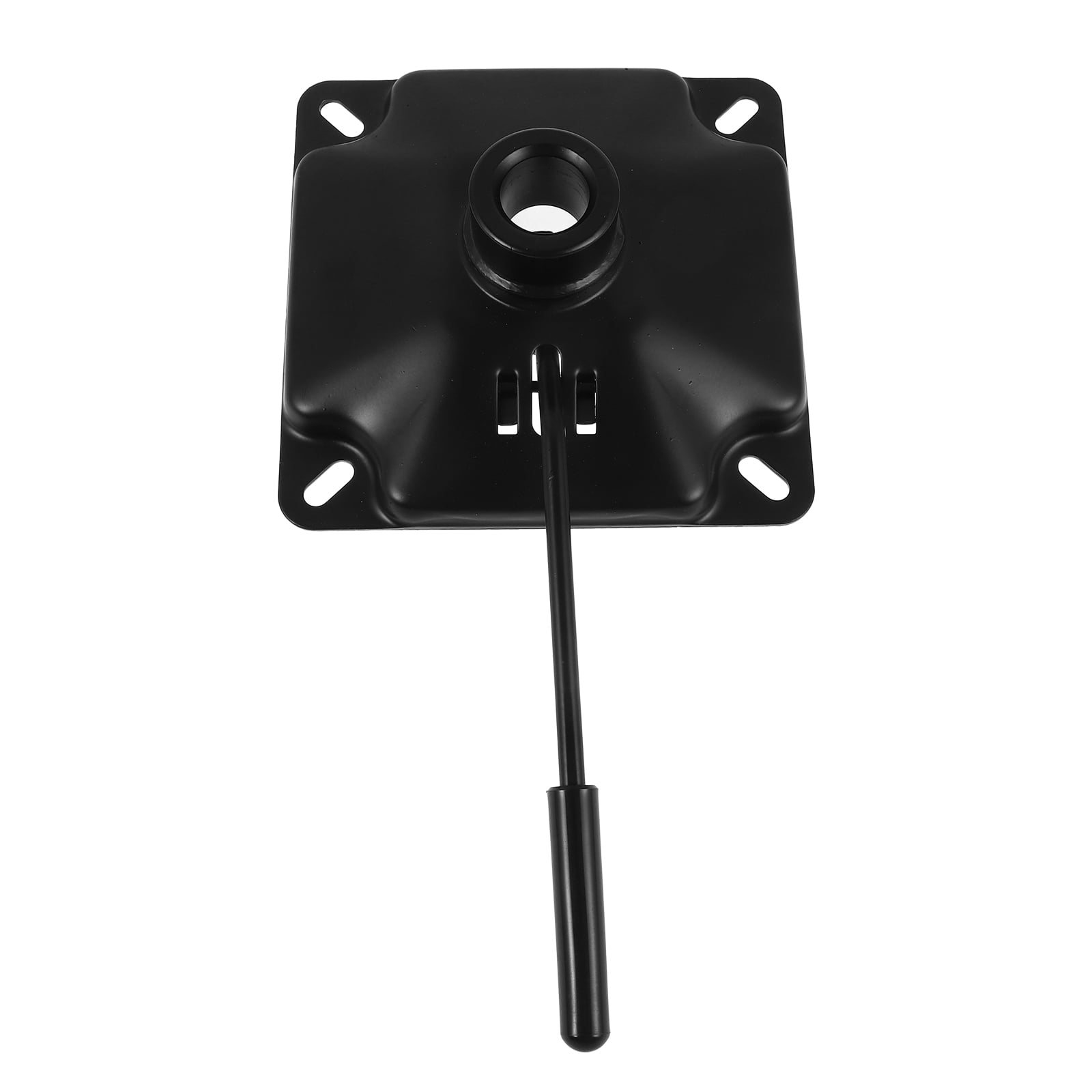
- Base diameter and material: A 27-inch minimum aluminum or heavy-duty nylon base spreads the load. Avoid small 25-inch plastic bases.
- Casters: Dual-wheel or large roller-blade style casters (with metal core) roll smoothly without breaking under weight.
- Backrest support: The back frame should be reinforced with metal or thick gauge plastic, often with a mesh or leather surface that won't stretch.
Comparison: Heavy Office Chair vs. Standard Office Chair
| Feature | Heavy Office Chair | Standard Office Chair |
|---|---|---|
| Weight capacity | 350 – 500+ lbs | 250 – 300 lbs max |
| Seat width | 22 – 28 inches | 18 – 20 inches |
| Gas lift class | Class 4 or 5 (heavy duty) | Class 2 or 3 |
| Base diameter | 27 – 30 inches (metal often) | 24 – 26 inches (plastic) |
| Caster type | Dual-wheel / heavy duty | Single-wheel plastic |
| Typical lifespan | 8 – 15 years | 2 – 5 years |
Key Ergonomic Features for Larger Bodies
A heavy office chair isn't just about strength — it must also fit your body ergonomically. Pay attention to these adjustments:
- Seat depth adjustment: Allows taller users to have proper thigh support (2-4 inches from back of knee).
- Adjustable lumbar support: Should move vertically and in tension to match your spine's curve.
- 4D armrests: Width, height, depth, and pivot adjustments help keep shoulders relaxed.
- Tilt tension and lock: Heavier users need stronger springs to recline comfortably without slamming back.
Durability
Reinforced mechanics mean fewer repairs and no worrying about collapse.
Comfort for all-day
Wider seats and stronger foam prevent "bottoming out" after a few hours.
Better posture support
Wider backrests ensure lumbar support contacts the right area.
Increased productivity
Stable seating reduces fidgeting and discomfort, boosting focus.
Material Considerations for Heavy Office Chairs
Upholstery choice affects both durability and comfort. Here's how materials perform under heavy use:
- Premium bonded leather or polyurethane: Easy to clean, durable, but can get warm. Look for at least 1.5mm thickness.
- Heavy-duty mesh: Highly breathable and supportive; ensure the mesh is rated for high tension to avoid sagging.
- Fabric (woven polyester/olefin): Very durable and breathable, but may stain easier. Choose high double-rub count (50,000+).
Step-by-Step Selection Guide: Finding Your Perfect Heavy Office Chair
Step 1: Measure your space and yourself
Measure seat width (hip breadth + 2 inches), seat height from floor, and back height. Standard heavy chairs: seat 22-24" wide, back 30-34" tall.
Step 2: Determine the right capacity
If you weigh 300 lbs, get a 400 lb rated chair. The buffer ensures the gas lift and mechanism last. For 350-400 lbs, look for 500 lb capacity.
Step 3: Choose mechanism type
Synchro-tilt or multi-function mechanisms are best for heavy users—they allow the seat and back to move in a healthy ratio. Avoid basic swivel only.
Step 4: Check the base and casters
Aluminum base is strongest. For carpets: dual-wheel hard casters; for hardwood: soft rubber casters (often included with heavy duty lines).
Step 5: Read warranty details
A 10-year frame warranty is standard for top heavy-duty brands. If the manufacturer only offers 1 year, avoid it—they don't trust their own build.
Budget Tiers for Heavy Office Chairs
Value Heavy
350-400 lb capacity, basic adjustments, good for light heavy duty.
Mid-Range
400-450 lb capacity, better foam, metal base, 4D armrests.
Premium Heavy
500 lb capacity, commercial grade, extended warranties, premium materials.
Prolonging the Life of Your Heavy Office Chair
Even a tank needs maintenance. To keep your chair performing:
- Clean casters regularly from hair/debris to prevent locking.
- Retighten armrest bolts every 6 months.
- Apply silicone lubricant to gas lift mechanism if squeaking occurs.
- Avoid sitting on the edge of the seat to prevent uneven foam compression.
Frequently Asked Questions About Heavy Office Chairs
Final Verdict: Is a Heavy Office Chair Right for You?
If you value stability, durability, and long-term comfort, investing in a true heavy office chair is a no-brainer. It's not just about weight—it's about the peace of mind that comes from sitting on equipment designed to last. For larger users, it's the difference between a chair that works for you and one that works against you. Browse our top picks above and choose a model that matches your body and budget.