
The Rise of the Grey Ergonomic Office Chair: A Match for Modern Professionals
Walk into any modern office or browse workspace design blogs, and you'll notice a trend: the dominance of the grey ergonomic office chair. It has quietly replaced the ubiquitous black chair as the go-to choice for professionals who value both aesthetics and wellbeing. But this shift isn't just about looks. Choosing a grey chair is a statement of practicality and a commitment to creating a calming, focused work environment.
Unlike stark black or pure white, grey acts as a chameleon. It anchors a space without overwhelming it. A grey ergonomic chair can look powerful and authoritative in a leather finish, or airy and modern in a breathable mesh. For the home professional, it's a piece of furniture that integrates seamlessly with existing decor, not just a piece of office equipment. This guide will explore everything you need to know to select the perfect grey ergonomic chair, ensuring your investment supports your body as effectively as it complements your space.
Decoding the Perfect Match: Grey Materials and Your Body Type
While the color grey unifies this category, the material it's made from fundamentally changes the chair's feel, support, and suitability for different body types and work habits. Choosing the right material is the first step toward ergonomic bliss.
Breathable Grey Mesh: The Choice for the "Hot Worker" and All-Day Sitters
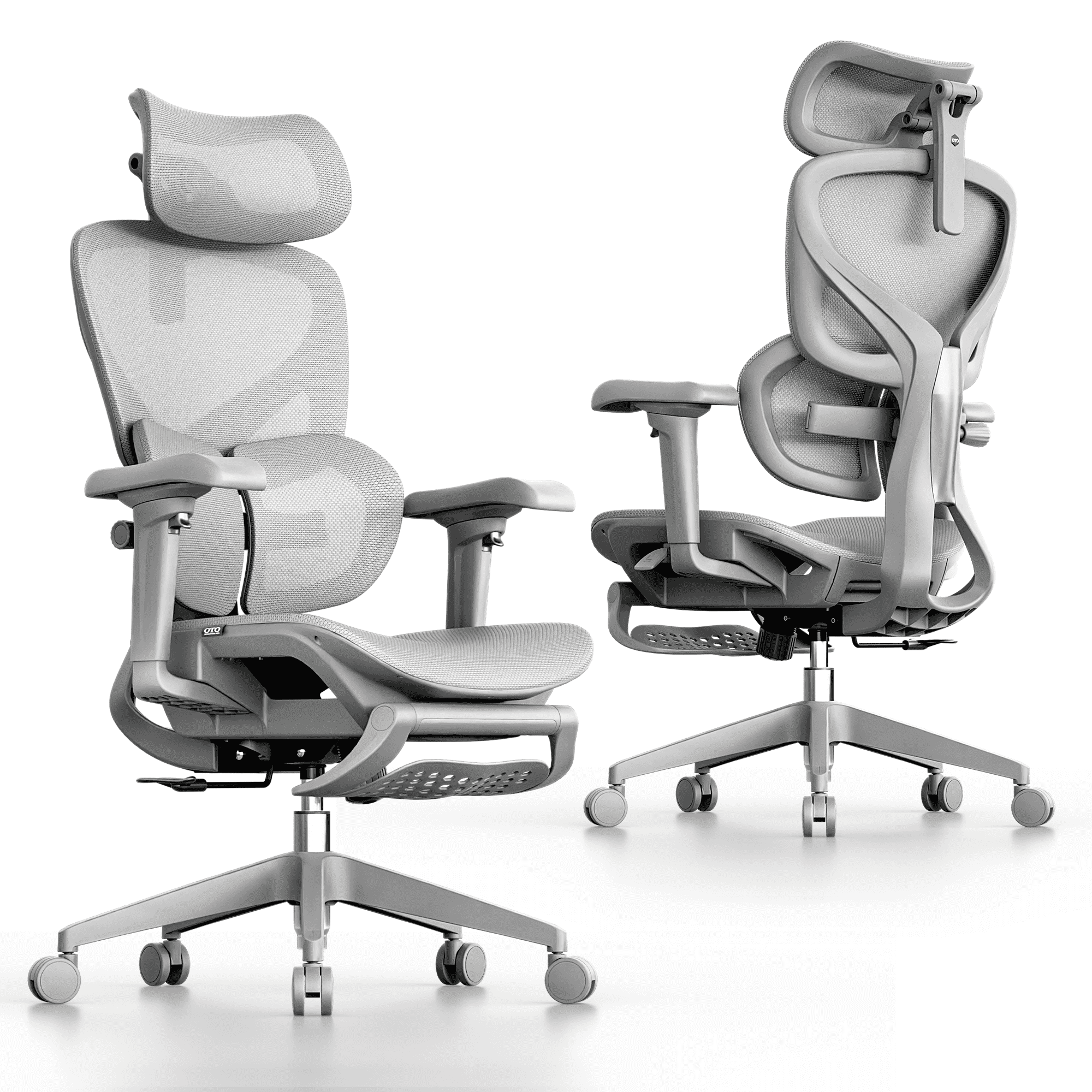
If you tend to run warm, or if you spend more than 8 hours a day at your desk, a grey mesh ergonomic chair is your best ally. Mesh is designed for maximum airflow, preventing the heat buildup that can occur with fabric or leather.
- Best Body Type: Excellent for a wide range of body types. High-quality mesh contours to your shape without creating pressure points.
- Support Style: Provides firm, consistent support. The tension in the mesh back promotes active sitting, subtly engaging your core muscles.
- Pros & Cons:
- Unmatched breathability keeps you cool.
- Modern, professional aesthetic.
- Easy to clean with a vacuum.
- May not offer the "plush" feeling some users prefer.
- The mesh can lose tension over many years of heavy use.
Think of a grey mesh chair like a high-performance athletic shoe—it's supportive, breathable, and designed for endurance.
Plush Grey Fabric: The Choice for Comfort-Seekers and Creative Minds
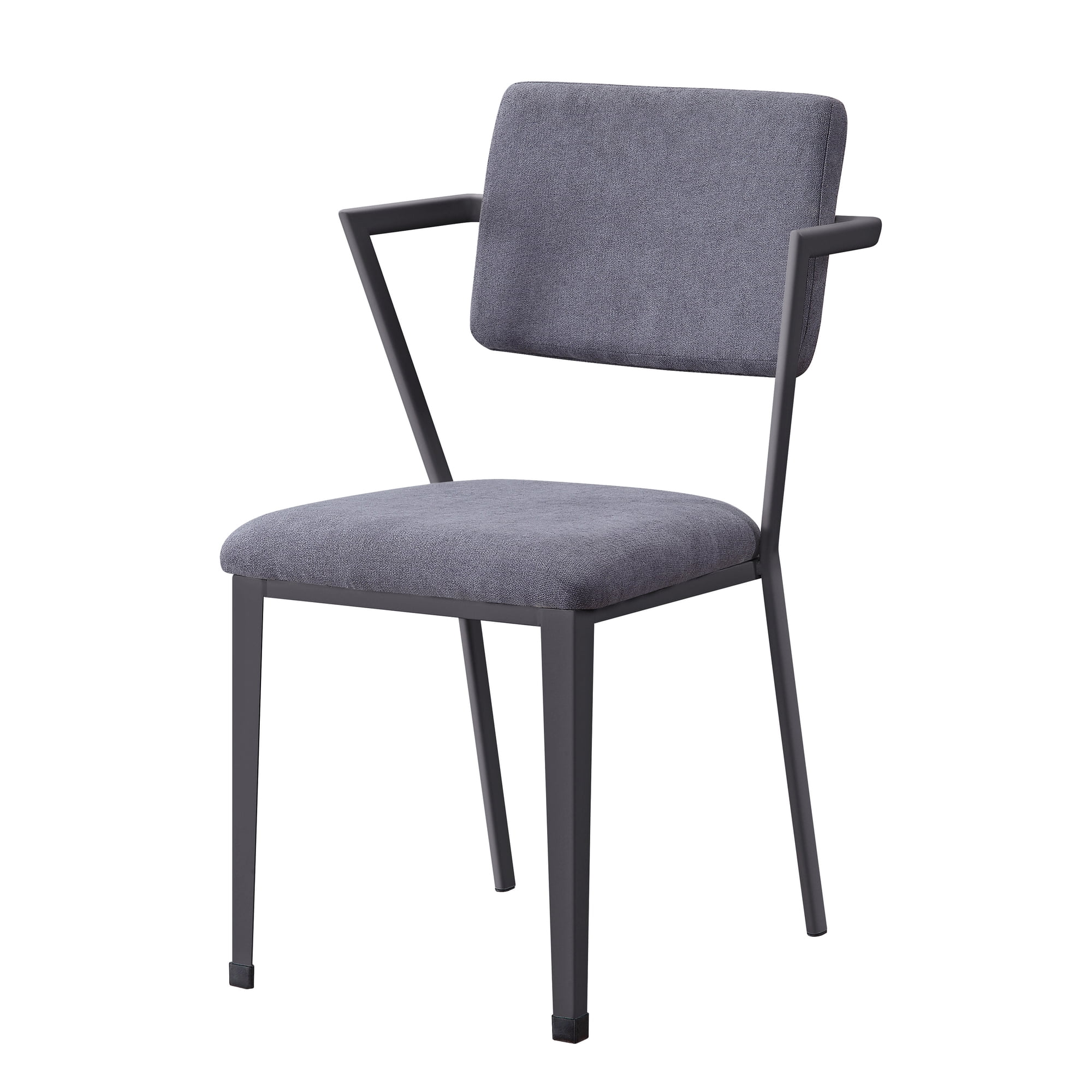
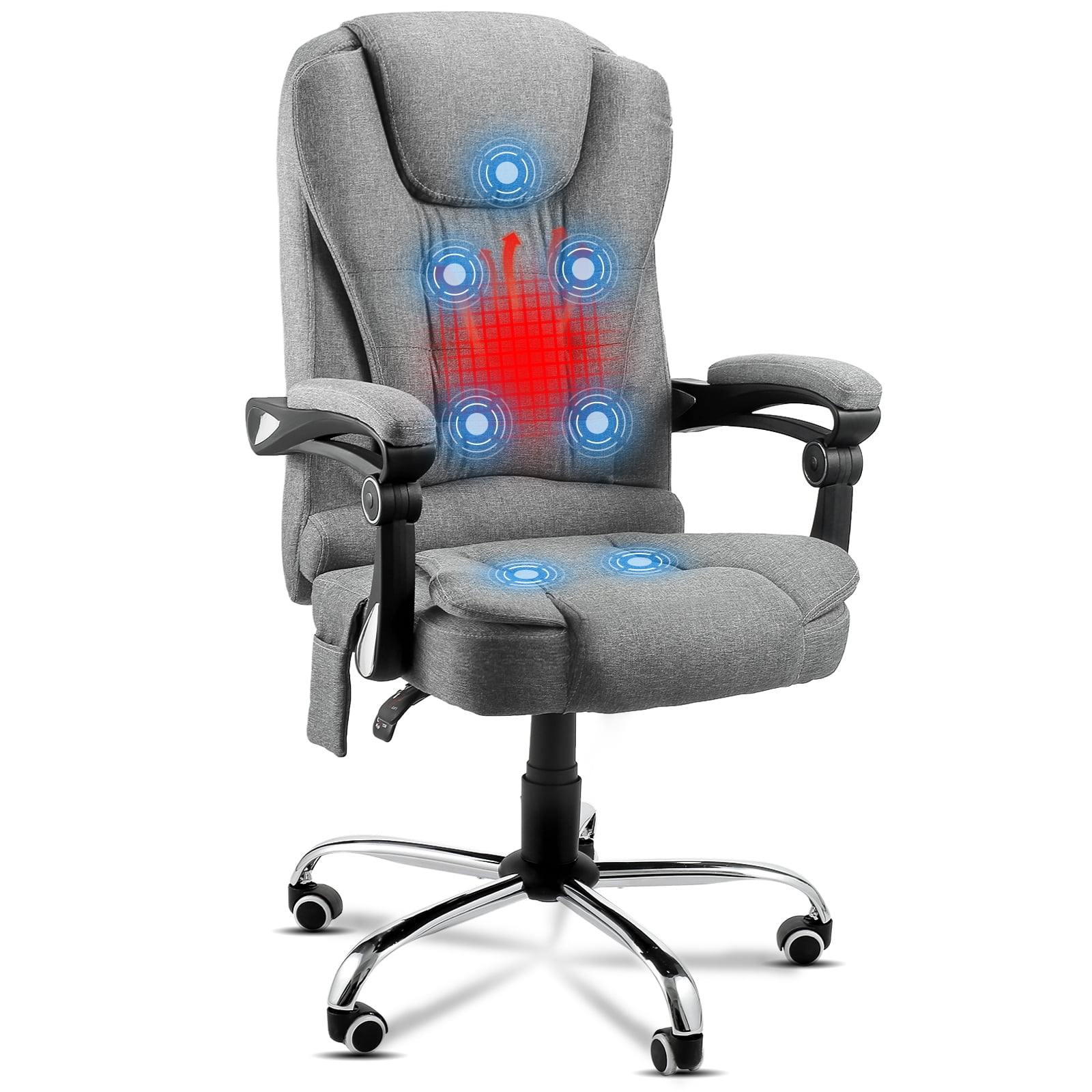
For those who prioritize a cozy, warm, and inviting seat, a grey fabric ergonomic chair is the ideal pick. Fabric chairs often feature thicker cushioning, providing a "sink-in" comfort that can be conducive to creative thinking and relaxed work sessions.
- Best Body Type: Ideal for users who prefer a softer feel. Look for high-density foam to ensure the seat doesn't compress too quickly.
- Support Style: Offers a forgiving, cushioned support. It's less about firm guidance and more about overall comfort.
- Pros & Cons:
- Feels warm and inviting.
- Available in a wide variety of grey textures (tweed, linen, knit).
- Generally quieter than leather or vinyl.
- Can trap heat and be harder to clean if spills occur.
- May show wear patterns over time.
A grey fabric chair is like your favorite well-worn sweater—comfortable, familiar, and perfect for long, focused hours of work.
Sleek Grey Faux Leather: The Choice for the Style-Conscious Professional
If your goal is to create a sleek, executive-style home office, a grey faux leather or bonded leather ergonomic chair delivers on aesthetics. It projects a polished image and is incredibly easy to maintain.
- Best Body Type: Best for moderate use in a temperature-controlled environment. Can be less forgiving on pressure points if padding is insufficient.
- Support Style: Provides a firm, stable support surface.
- Pros & Cons:
- Sophisticated, premium look and feel.
- Wipes clean easily—great for homes with pets or kids.
- Often the most affordable option.
- Poor breathability; can get sticky in warm weather.
- Faux leather can crack or peel over time, especially in dry climates.
Think of a grey faux leather chair as a stylish leather jacket—it looks sharp and makes a statement, but you might not want to wear it on a long, hot hike.
Grey Chair Materials at a Glance
| Material | Best For | Key Benefit | Key Drawback |
|---|---|---|---|
| Mesh | All-day sitters, warm climates | Breathability | Less plush feel |
| Fabric | Comfort seekers, creative work | Warmth & cushioning | Stain susceptibility |
| Faux Leather | Style-focused, easy cleaning | Aesthetics & maintenance | Poor breathability, durability |
Essential Ergonomic Features to Look For in Your Grey Chair
Beyond the material, the true value of a grey ergonomic office chair lies in its adjustability. A chair that doesn't fit your body cannot be ergonomic, regardless of how good it looks. Here are the non-negotiable features to prioritize:
- Adjustable Lumbar Support: This is the cornerstone of an ergonomic chair. Look for support that adjusts not just in height, but also in depth, allowing you to dial in the exact pressure needed to fill the curve of your lower back. According to a study in the journal *Spine*, proper lumbar support can reduce disc pressure by up to 40%.
- Seat Depth Adjustment: Your thighs should be fully supported without the seat edge pressing into the back of your knees. A seat depth adjustment (sliding the seat pan forward or back) ensures proper circulation and comfort for people with different leg lengths.
- 4D Armrests: "4D" means armrests that adjust in height, width, depth, and pivot. This allows you to position your arms so your shoulders are relaxed and your wrists are straight while typing, preventing strain in your neck and upper back.
- Tilt Mechanism with Tension Control: A synchronized tilt mechanism allows the seat and back to move in harmony as you recline. Tension control lets you adjust how much force is needed to recline, accommodating your weight and preference for movement.
- Waterfall Seat Edge: A seat with a gently sloping front edge (like a waterfall) reduces pressure on the underside of your thighs, promoting better blood flow to your legs and feet.
Think of these adjustments as the dials on a high-end piece of audio equipment. Each one fine-tunes the experience, and when they're all set correctly, you get perfect harmony—in this case, a perfectly balanced, supportive seating posture.