
The Perfect Fusion: Why Aesthetics and Ergonomics Go Hand-in-Hand
Gone are the days when office chairs were purely utilitarian, hidden away in drab cubicles. Your workspace is an extension of your personality and professionalism. A good looking ergonomic office chair is an investment in both your physical well-being and the visual harmony of your environment. It’s the piece of furniture that anchors your room, silently communicating your taste while actively supporting your body through countless hours of focused work.
The Psychology of Design: Research in environmental psychology suggests that a well-designed, aesthetically pleasing workspace can boost mood, creativity, and even productivity by up to 15%. When you sit in a chair that you find visually appealing, it creates a positive feedback loop, making you feel more motivated and valued in your work.
Defining the "Good Looking" Ergonomic Chair
What exactly elevates a chair from being merely functional to a design statement? It's a thoughtful combination of several elements that work in harmony.
- Clean, Modern Lines: A silhouette that is sleek and uncluttered, avoiding bulky or overly aggressive styling. Think minimalist Scandinavian design or the refined curves of mid-century modern influence.
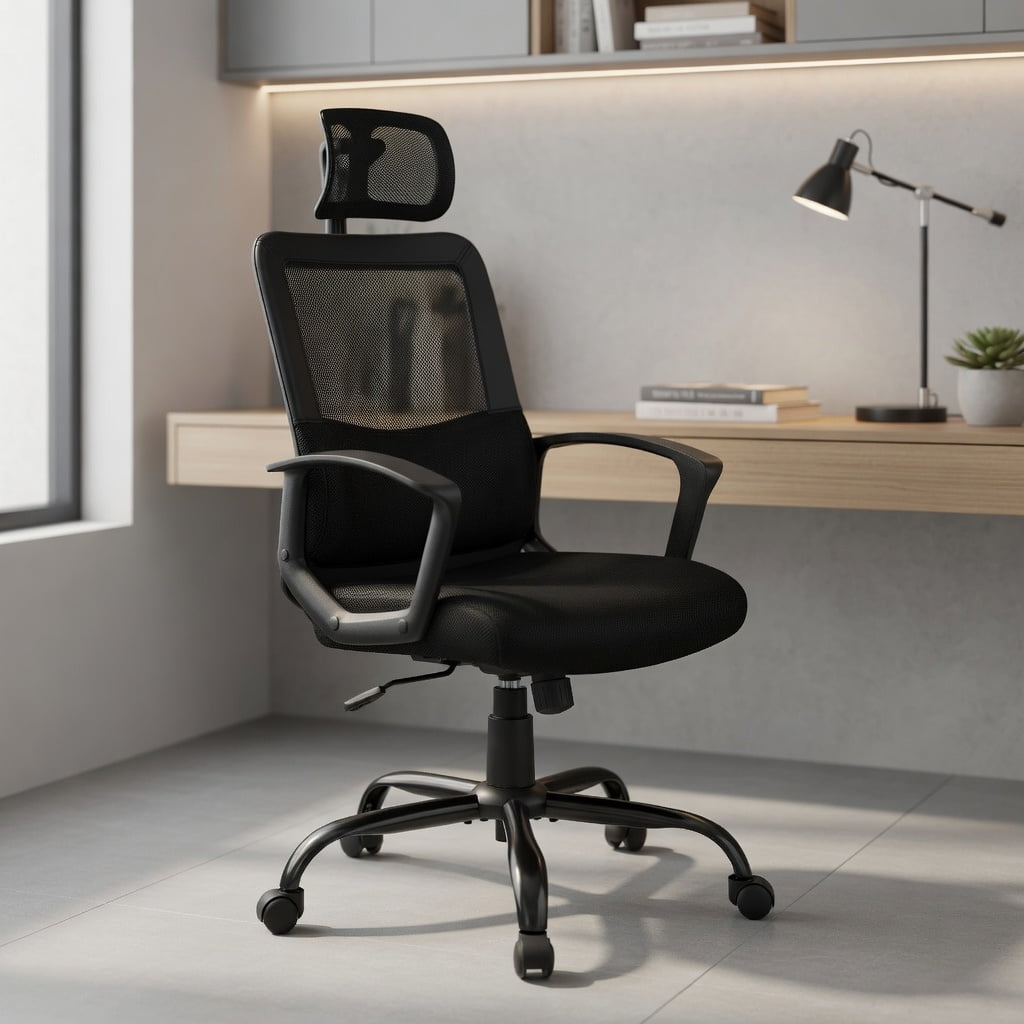
- Premium Material Palette: The use of high-quality materials like breathable, color-coordinated mesh, supple top-grain leather, or textured fabric in sophisticated, muted tones (greige, navy, charcoal, forest green).
- Thoughtful Detailing: Subtle accents that make a difference, such as polished aluminum or matte black bases, color-matched stitching, or seamlessly integrated adjustment controls that don't disrupt the chair's visual flow.
- Proportional Form: A design that is appropriately scaled for the human body and the modern office, avoiding excessive bulk while still providing ample support and comfort.
The Anatomy of Style and Support
To truly understand the value, let's break down the key components where design and ergonomics intersect in a high-quality chair.
| Component | Design & Aesthetic Role | Ergonomic Function |
|---|---|---|
| The Backrest | Serves as the chair's visual centerpiece. Can be a single sheet of tensioned mesh for a clean look, or a sculpted form that mimics the human back. | Provides critical lumbar support and follows the spine's natural 'S' curve. Height-adjustable backs ensure a perfect fit for different torso lengths. |
| The Seat | Its shape, depth, and upholstery define the chair's character. "Waterfall" edges are not just comfortable, they create a softer, more inviting profile. | Contoured high-density foam distributes weight evenly, reducing pressure on the hips and thighs. Seat depth adjustment is a key ergonomic feature for proper leg support. |
| The Armrests | Slim, sculpted armrests mounted flush with the chair's frame contribute to a sleek, integrated appearance. | 4D armrests (adjustable height, width, depth, and pivot angle) allow you to keep your shoulders relaxed and arms at a 90-degree angle, preventing neck and shoulder tension. |
| The Base & Casters | A polished aluminum or sleek black nylon base adds a touch of sophistication. The choice of casters (e.g., solid brass-look vs. silent rubber) impacts the overall aesthetic. | A sturdy five-point base ensures stability and safety. High-quality, smooth-rolling casters (suitable for your floor type) allow for effortless movement, reducing strain from twisting and reaching. |
The Tangible Benefits of Investing in Style and Ergonomics
Choosing a chair that excels in both form and function delivers dividends that go far beyond the initial purchase.
Elevated Professional Image
For client-facing roles or video calls, a stylish chair projects competence, success, and attention to detail. It frames you perfectly.
Sustained Energy & Focus
Ergonomic support prevents the "3 PM slump" caused by muscle fatigue. You stay comfortable and focused for longer, tackling complex tasks with greater clarity.
Long-Term Health Investment
Proper support reduces the risk of developing chronic back pain, repetitive strain injuries, and poor posture, which are common ailments for desk workers.
A Joy to Use Daily
There's a simple pleasure in using a well-designed object. A chair you love to look at and love to sit in makes the workday more enjoyable.
Exploring Design Languages: Finding Your Chair's Aesthetic
The "good-looking" aspect is subjective. To help you navigate, we've broken down the most popular design languages for ergonomic chairs. Identifying your preferred style will narrow down your search significantly.
1. The Modern Minimalist
Scandinavian Simplicity
Characterized by light woods, pale upholstery (off-white, light grey, beige), and clean, organic lines. These chairs prioritize visual lightness and often feature breathable fabric or high-quality mesh. They blend seamlessly into bright, airy home offices.
The Tech-Innovator
This look is defined by advanced materials like polished aluminum, carbon-fiber-look accents, and seamless, tensioned mesh. The design is purposeful and uncluttered, where every element serves a function. It's the perfect choice for a modern, tech-forward workspace.
2. The Classic Sophisticate
Executive Leather Refined
Think soft, top-grain leather in rich browns, deep burgundies, or classic black. The silhouette is often more generous and plush, with details like button-tufting or subtle stitching. This style conveys warmth, tradition, and established success.
Mid-Century Modern Revival
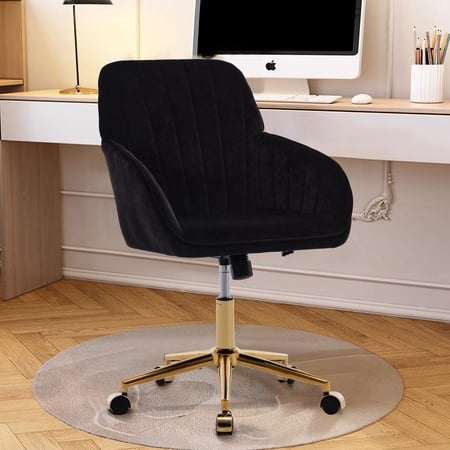
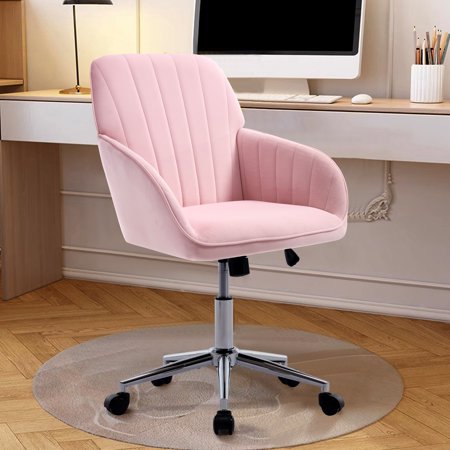
This style features iconic design elements like a winged headrest, a sculpted plywood back, or a five-star base with a retro profile. Upholstered in velvet or premium fabric in bold yet tasteful colors (mustard, teal, rust), it adds a unique, artistic flair to any room.
Quick Style Comparison
| Style | Key Materials | Color Palette | Ideal Office Vibe |
|---|---|---|---|
| Modern Minimalist | Mesh, polished aluminum, matte nylon | Grey, white, black, silver | Clean, focused, high-tech |
| Classic Sophisticate | Top-grain leather, polished wood, chrome | Black, brown, burgundy, cream | Authoritative, warm, traditional |
| Mid-Century Modern | Velvet, premium fabric, solid wood, brass | Mustard, teal, rust, olive green | Creative, artistic, welcoming |
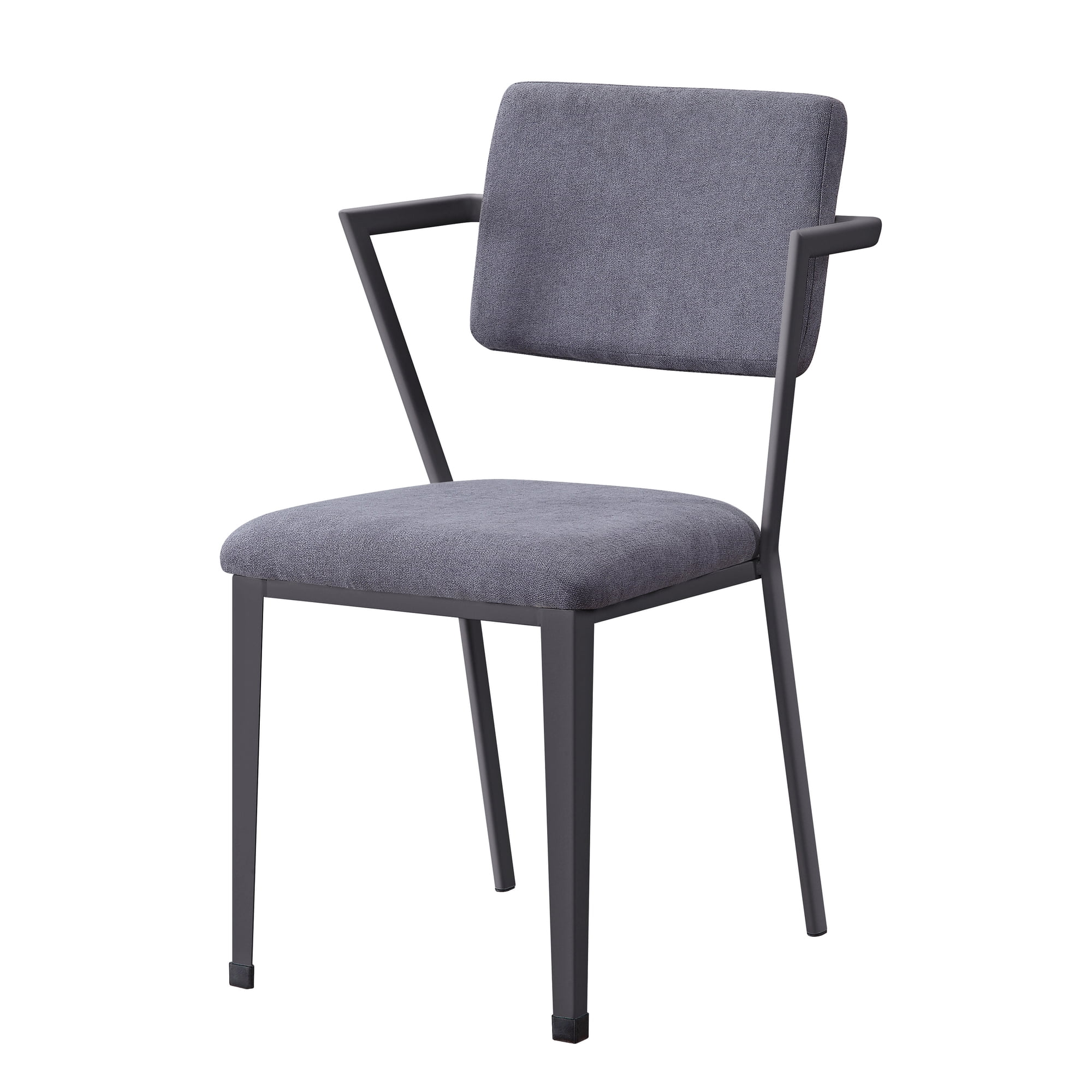
| Industrial Chic | Full-grain leather, exposed metal rivets, steel frame | Brown, black, gunmetal grey | Bold, rugged, character-filled |
Your Step-by-Step Guide to Finding "The One"
Finding the perfect chair is a personal journey. Follow this structured approach to make a decision you'll be happy with for years to come.
Step 1: Define Your Style & Space
- Take a picture of your office. What's the dominant style? (e.g., modern, traditional, eclectic).
- Identify your "hero" piece. Do you want the chair to be a statement piece or to blend in harmoniously?
- Create a mood board. Use Pinterest or a simple folder to save images of chairs and spaces you love. Look for common themes in material and color.
- Measure your space. Note the chair's potential footprint. A chair with a high back might look cramped under a low window ledge.
Step 2: Match Style with Ergonomic Necessities
Your dream chair must also fit your body. Consider these non-negotiables based on your physical needs.
Prioritize chairs with a high maximum seat height and an adjustable, high-back headrest.
Look for chairs with a lower minimum seat height and a shallow seat depth option.
Make adjustable, firm lumbar support your absolute top priority.
Seek out chairs with a synchronized recline mechanism and breathable material like mesh.
Step 3: Set a Realistic Budget for a Design-Forward Chair
Investing in a good-looking, durable, and ergonomic chair is a commitment. Here’s a realistic breakdown of what you can expect at different price points.
Entry-Level Style
Basic ergonomics with a modern aesthetic. Good for a part-time home office.
The Sweet Spot
Excellent ergonomics, superior materials, and refined design. The best value.
Premium & Luxury
The pinnacle of design and ergonomics, with the finest materials and full adjustability.
Step 4: The Final Test - Read & Visualize
Pro Tip: Since you can't sit in every chair before buying, read reviews from multiple sources. Look for feedback on both comfort and aesthetics over time. Watch video reviews to see the chair from all angles and get a sense of its scale and how it moves.
Frequently Asked Questions About Good Looking Ergonomic Office Chairs
Final Thoughts: Your Chair, Your Statement
Selecting a good looking ergonomic office chair is one of the most rewarding investments you can make for your workspace. It's a daily affirmation that you value both your health and your environment. By following this guide, you're not just buying a place to sit; you're curating an experience that will enhance your productivity, support your body, and bring a touch of personal style to every workday.
Recommendations by Priority
Prioritize a chair from the Mid-Century Modern or Scandinavian categories. Let the chair's unique silhouette and material be the star of your office, and ensure it has the core ergonomic adjustments to keep you comfortable.
A Modern Minimalist or high-quality Mesh chair is often the best fit. It provides excellent breathability for all-day wear, a clean aesthetic that won't clash with home decor, and a focus on functional support.
A Classic Sophisticate leather chair is a powerful choice. It commands respect, offers a luxurious feel, and, when chosen with proper ergonomic features, ensures you remain comfortable and focused through back-to-back meetings.