
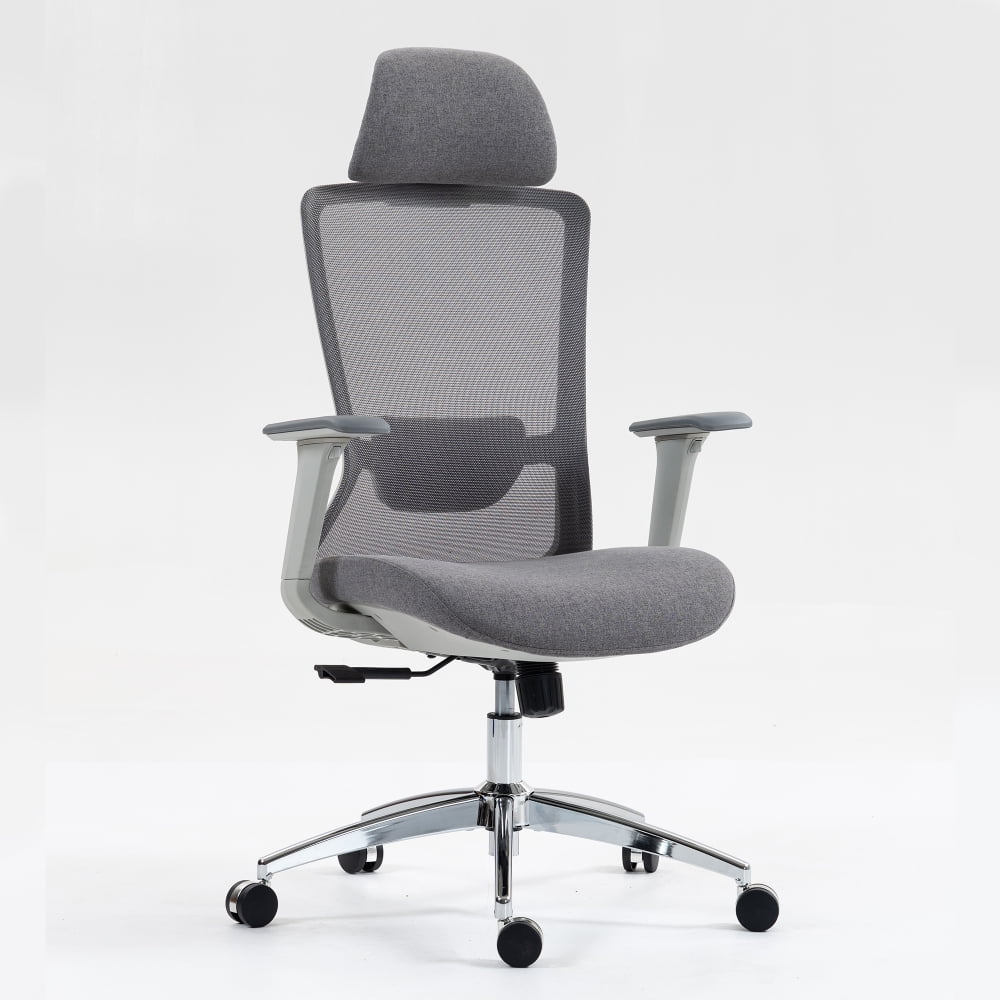
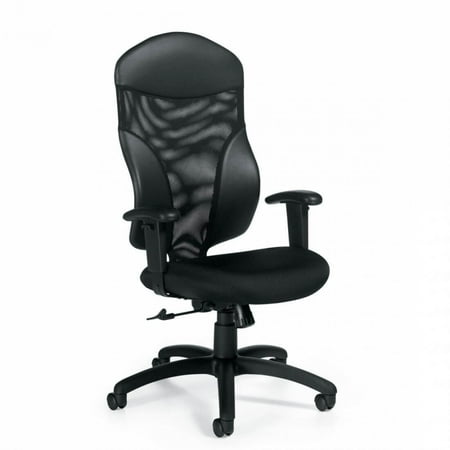
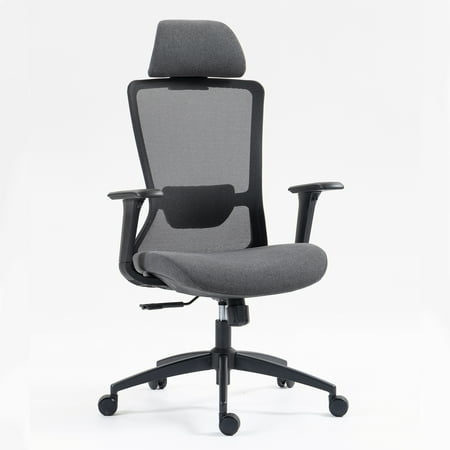
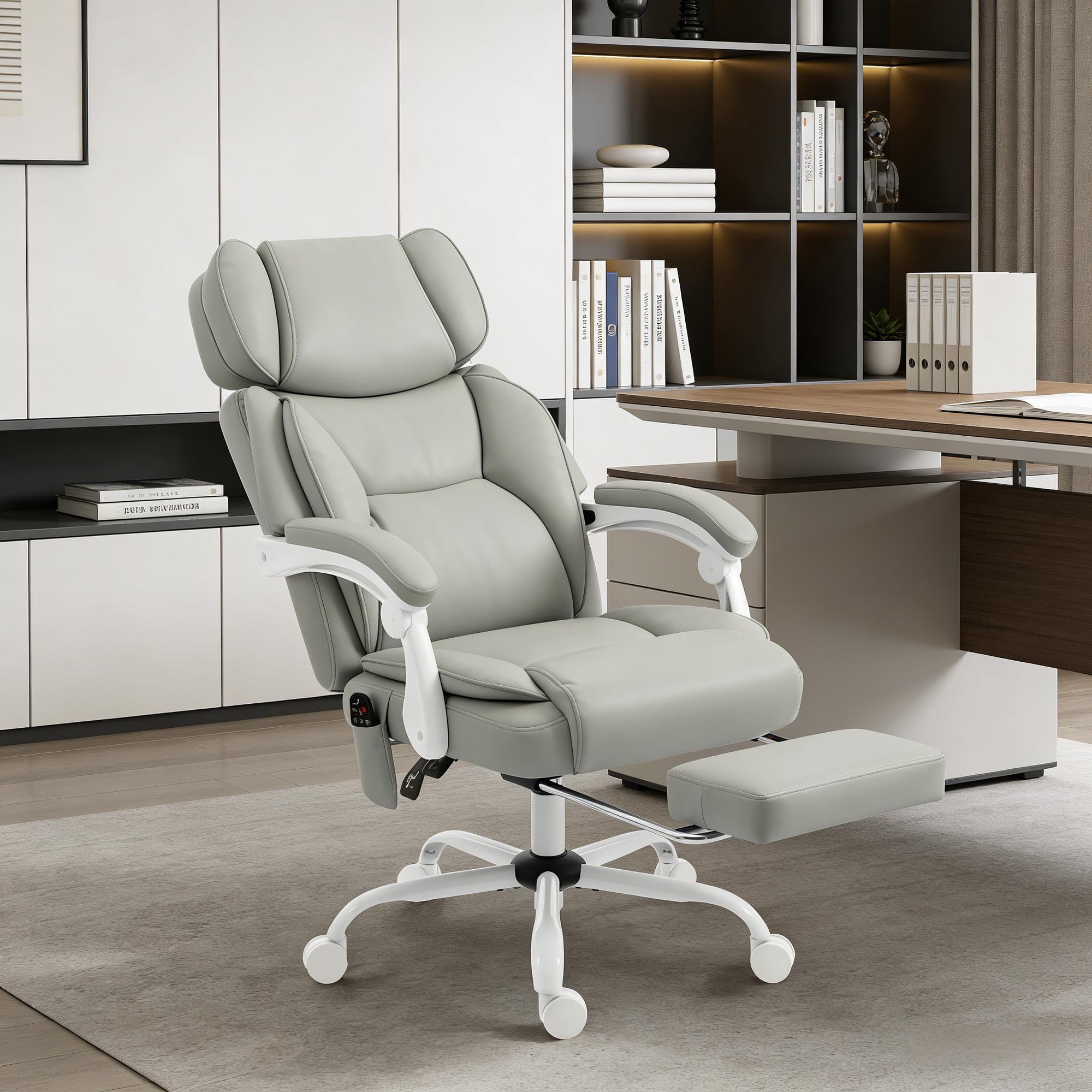
Introduction: The Case for a High Back Office Chair
Imagine your spine as a suspension bridge. The towers are your hips and head, and the cables are your muscles, holding everything in alignment. Now, imagine that bridge without proper support on one end. That's what sitting in a low-back or poorly designed chair for hours feels like. An office high back chair acts as the full support system for that bridge, cradling your entire back and shoulders.
For professionals spending countless hours at a desk, moving from a standard task chair to a high back model isn't just an upgrade in comfort; it's an investment in long-term musculoskeletal health. According to a study by the American Chiropractic Association, 80% of the population will experience back pain at some point, often exacerbated by prolonged sitting. A high back chair provides the necessary structure to maintain the spine's natural S-curve, distributing weight evenly and alleviating pressure points.
Anatomy of a High Back Chair: Key Ergonomic Zones
To choose the right chair, you need to understand its components. A quality high back chair isn't just tall; it's strategically designed. Let's break down the three critical zones it supports:
1. The Lumbar Zone: Your Foundation of Support
This is the inward curve of your lower back. A chair without adequate lumbar support forces your muscles to work overtime to maintain this curve, leading to fatigue and slouching. Look for a chair with adjustable lumbar support—both in height and depth. This ensures the support pad fits perfectly into the small of your back, regardless of your height.
- Dynamic Lumbar: Some advanced chairs feature lumbar support that moves with you as you shift positions.
- Fixed vs. Adjustable: Always prioritize adjustable options. A fixed lumbar pad is a gamble on your specific spinal shape.
2. The Thoracic & Shoulder Zone: Encouraging an Open Chest
This is the area the "high back" specifically targets. A well-designed backrest curves gently to support the shoulder blades without pushing them forward. This promotes an "open" chest position, which is crucial for deep breathing and preventing the rounded-shoulder posture common among desk workers.
Consider the backrest's contour. Does it have a slight "wings" shape to gently guide your posture, or is it completely flat? A subtle contour can significantly enhance comfort over an 8-hour workday.
3. The Cervical Zone: The Role of the Headrest
Most, but not all, office high back chairs include a headrest. This isn't just for reclining during a quick break; it's a functional ergonomic feature. When you lean back to think, take a call, or rest your eyes, the headrest supports the weight of your head (typically 10-12 lbs), relieving your neck and upper trapezius muscles.
- 2D Headrests: Adjustable up/down and tilt angle, offering good customization.
- 3D/4D Headrests: These may also adjust forward/backward, allowing you to find the perfect spot to rest your neck without craning it forward.
Material Science: Finding Your Perfect Match
The material of your high back chair dictates its feel, breathability, and longevity. Here’s a closer look at the common contenders:
Premium Mesh
- Breathability King: Excellent airflow prevents heat buildup.
- Modern Aesthetic: Sleek and professional, fits contemporary offices.
- Resilient Support: High-quality mesh conforms to your back while providing firm, even tension.
- Ideal for: Warmer climates, tech companies, anyone who tends to run hot.
Top-Grain Leather
- Unmatched Prestige: Projects an image of success and authority.
- Durable & Easy to Clean: Wipes clean easily and, with care, can last 15+ years.
- Comfort Over Time: High-quality leather softens and molds to your body.
- Ideal for: Executive suites, law offices, home offices with a classic style.
High-Performance Fabric
- Warm & Cozy: Offers a soft, inviting texture.
- Color & Pattern Variety: More design options to match your decor.
- Quiet Operation: Doesn't squeak or make noise like some leathers.
- Ideal for: Creative studios, collaborative spaces, home offices seeking a cozy vibe.
Bonded/Faux Leather
- Budget-Friendly: Most affordable leather-like option.
- Easy Initial Cleanup: Easy to wipe down at first.
- Note on Durability: It is less breathable and prone to peeling or cracking after a few years, unlike genuine leather.
- Ideal for: Guest chairs or short-term use on a tight budget.
How to Test a High Back Chair Before You Buy
You can't sit in a spec sheet. Whenever possible, test a chair for at least 15 minutes. Here’s a quick checklist for your trial:
- The 90-90-90 Test: Sit with your feet flat on the floor, knees at a 90-degree angle, and hips at a 90-degree angle. Adjust the seat height to achieve this.
- Lumbar Check: Does the lumbar support hit the curve of your lower back? If adjustable, try moving it up/down and in/out to find the sweet spot.
- Shoulder Shrug: Relax your shoulders. Does the backrest encourage them to stay back, or do they feel pushed forward?
- The 2-Finger Rule for Armrests: Adjust the armrests so your elbows rest comfortably at 90 degrees. Your shoulders should be relaxed, not hunched. Try sliding your fingers under the armrest; there should be just enough room, not too tight.
- Recline and Rock: Lean back. Does the chair's tilt tension support you comfortably? Does the headrest (if any) support your neck, not the back of your skull?
The Long-Term Value Equation
Viewing an office high back chair as an expense is a common mistake. It's better to think of it as capital equipment for your most valuable asset: your body. A well-constructed chair with a strong frame and high-quality gas lift can last a decade or more. This breaks down the cost to pennies a day for the benefit of improved focus, fewer sick days due to back pain, and a more professional workspace. As noted by ergonomists, the cost of a chair is often less than the cost of one medical visit for back pain treatment.
Frequently Asked Questions About Office High Back Chairs
Conclusion: Make the Investment in Your Well-being
Choosing the right office high back chair is a personal journey. It requires understanding your body, your work habits, and your aesthetic preferences. By focusing on the three key zones—lumbar, shoulder, and cervical—and selecting a material that fits your environment, you can transform your workspace from a source of strain into a hub of productivity and comfort. Remember, the best chair isn't necessarily the most expensive one; it's the one that disappears beneath you, allowing you to focus entirely on your work, not your aching back. Explore the top picks above and take the first step towards a more comfortable and healthier workday.