
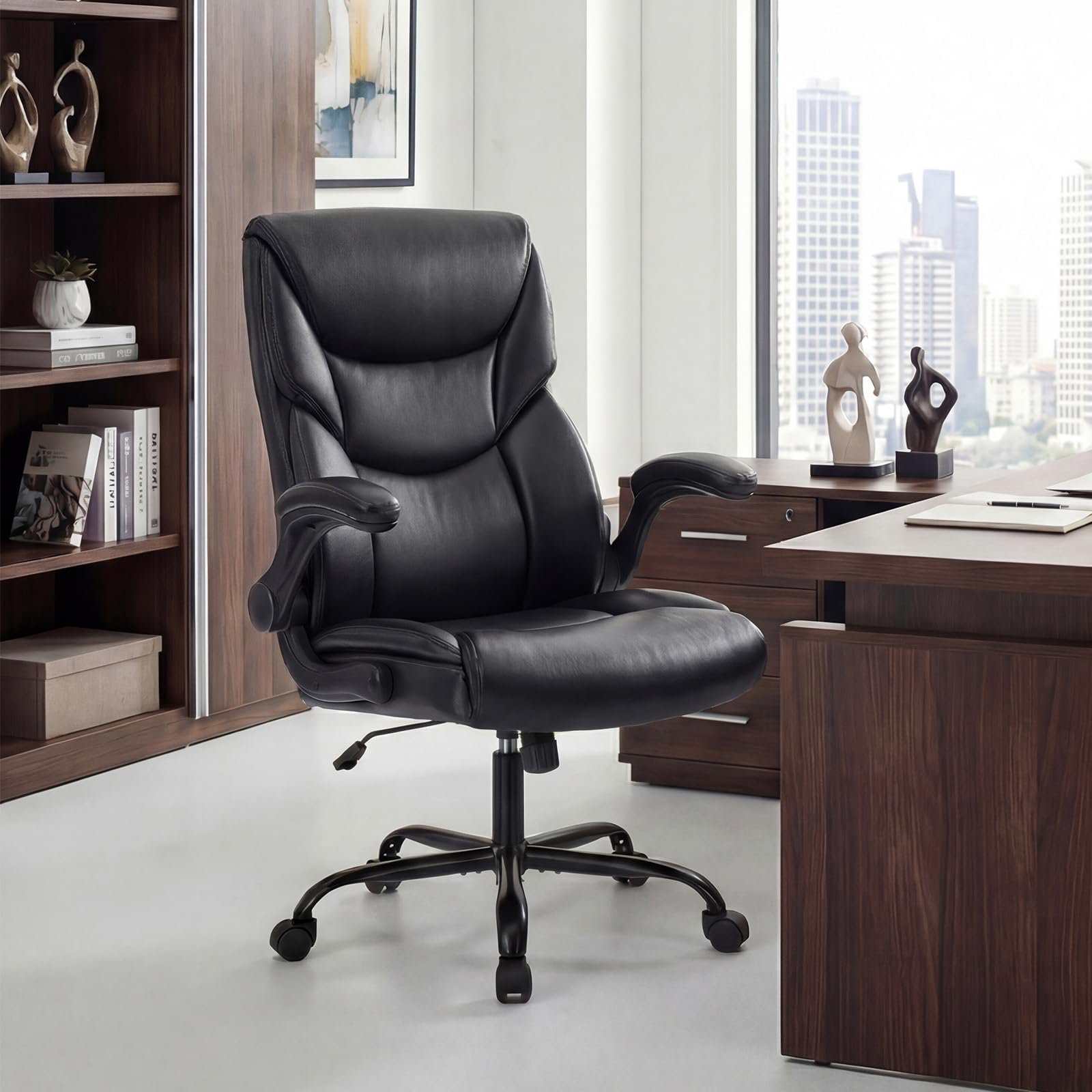
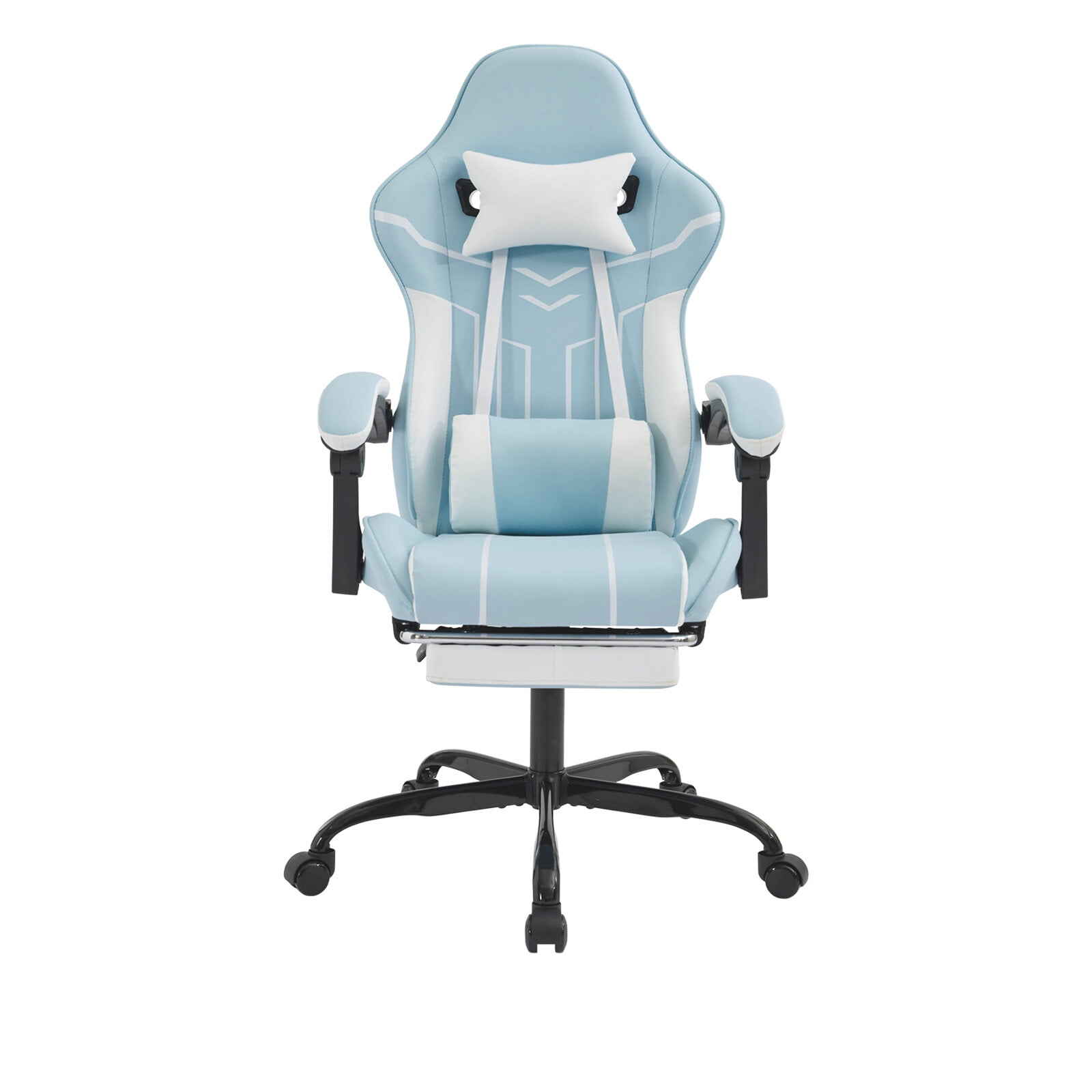
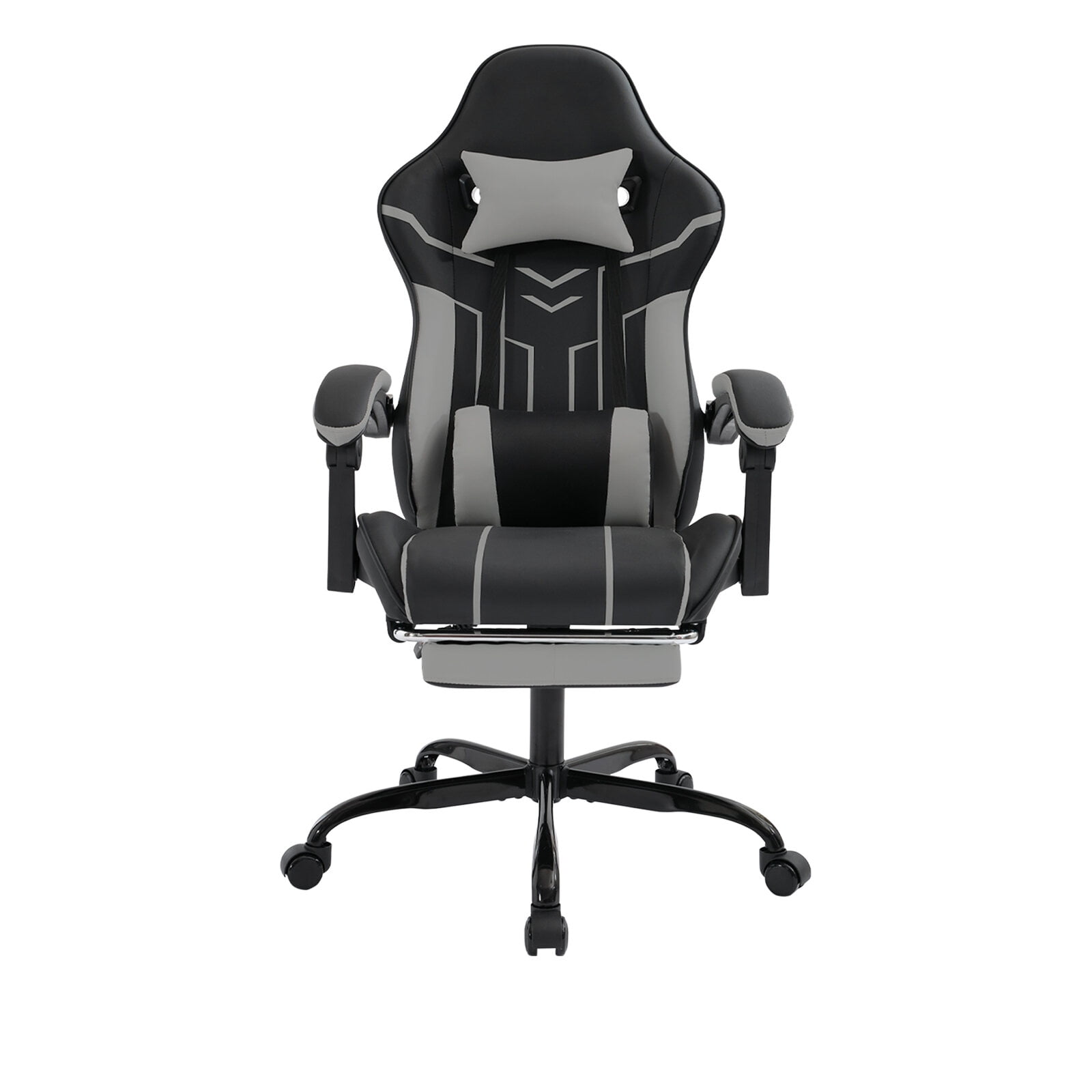
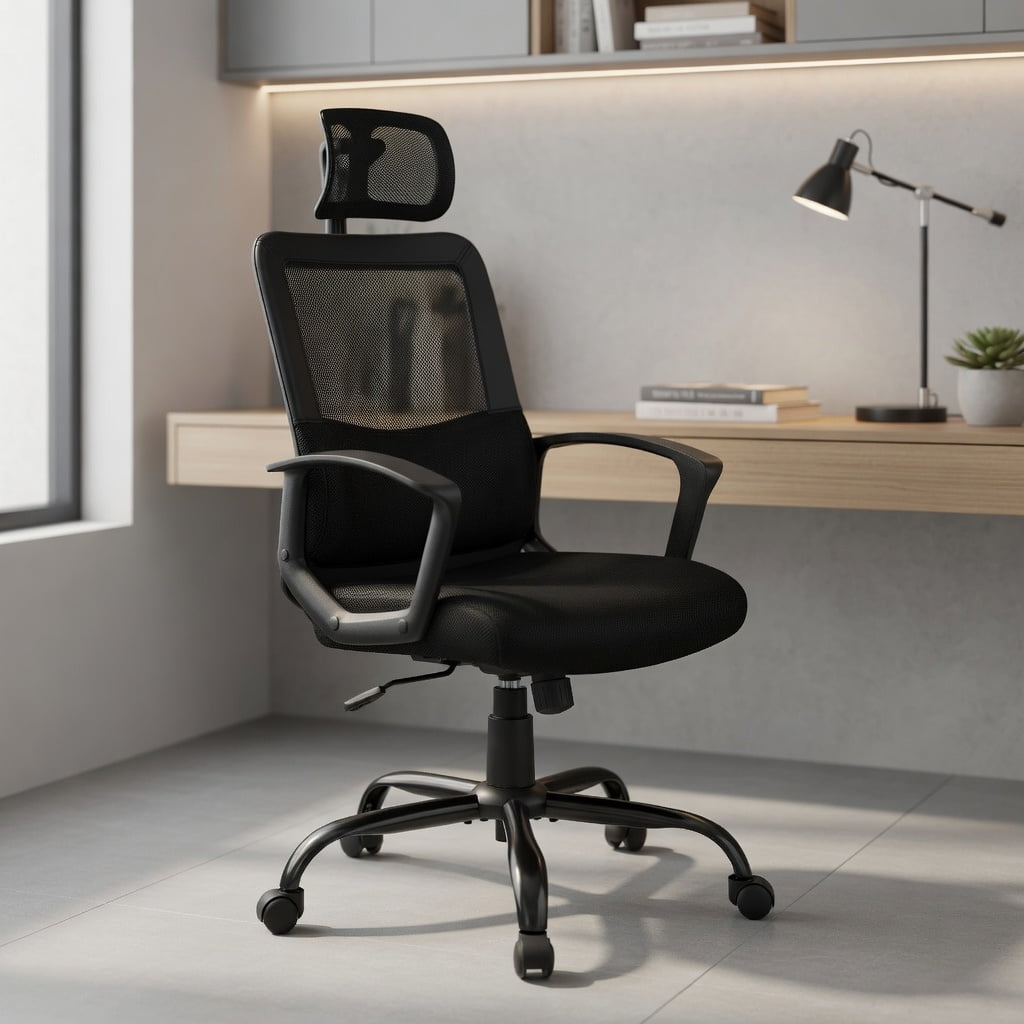
Why a Folding Office Chair Ergonomic Model is a Game-Changer for Modern Professionals
The way we work has evolved dramatically. Home offices, co-working spaces, and hybrid schedules demand flexibility without compromising health. A folding office chair ergonomic design bridges the gap between mobility and wellness. Unlike clunky traditional executive chairs, these innovative seats allow you to reclaim floor space when not in use, yet they provide the critical lumbar support and adjustability required for 6–8 hour workdays.
Market Insight: According to a 2024 workplace flexibility report, 68% of remote workers struggle with inadequate seating in multipurpose rooms. Folding ergonomic chairs reduce clutter and increase usable space by up to 40% while offering scientifically-backed posture correction.
Key Engineering Features of Premium Folding Ergonomic Chairs
What separates a basic folding chair from a true ergonomic powerhouse? It’s all in the details:
- Dynamic Lumbar Mechanism: Built-in adjustable curve that moves with your spine, reducing pressure on the lumbar discs by up to 35% compared to flat-back folding chairs.
- Multi-Point Hinge System: Industrial-grade folding joints tested for over 20,000 open-close cycles, ensuring long-term stability.
- Contoured High-Density Foam Seat: Memory foam or molded polyurethane that maintains shape and distributes weight evenly, preventing “bottoming out” after hours of sitting.
- Tool-Free Adjustability: Quick-release levers for seat height, tilt tension, and armrest width — all accessible without flipping the chair.
- Breathable Mesh or Eco-Leather Upholstery: Materials that resist wear from folding and unfolding while providing temperature regulation.
Folding Office Chair Ergonomic vs. Standard Office Chair: A Practical Comparison
To help you decide, here’s how folding ergonomic chairs stack up against conventional fixed office chairs across key performance indicators:
| Feature | Folding Ergonomic Chair | Standard Fixed Office Chair |
|---|---|---|
| Space Efficiency | Folds to 10–12 inches depth; can be stored in closets or under desks | Permanent footprint; requires dedicated floor area |
| Portability | Lightweight (20–30 lbs); built-in carrying handles | Heavy (40+ lbs); difficult to move between rooms |
| Lumbar Support | Adjustable or integrated ergonomic curve with memory foam | Often adjustable, but not always foldable models |
| Adjustability | Height, tilt, and sometimes armrest width; folds flat for transport | Comprehensive (4D arms, seat depth), but stationary |
| Typical Lifespan | 5–8 years with reinforced hinges | 8–12 years |
Pro Tip: If you frequently switch between standing desk mode and seated work, choose a folding ergonomic chair with a quick-fold mechanism and pneumatic height adjustment that matches your desk’s range. This allows seamless transitions without sacrificing posture alignment.
Who Benefits Most from a Folding Office Chair Ergonomic Design?
🏠 Hybrid & Remote Workers
Convert a dining room or guest bedroom into a professional office by day, then fold the chair away for family time. No permanent “office clutter.”
📦 Small Apartment Dwellers
Urban living often lacks dedicated office space. Foldable ergonomic chairs slide into closets or behind furniture, preserving precious square footage.
🎓 Students & Academics
Dorm rooms and shared study areas benefit from chairs that can be stored during group activities but provide ergonomic support during exam prep.
💼 Mobile Professionals & Consultants
Easily transport a comfortable, supportive chair between home office, client sites, or satellite offices without back strain.
Ergonomics Meets Engineering: Anatomy of a High-Quality Folding Ergonomic Chair
When evaluating options, pay close attention to these critical components:
- Gas Lift Class: Class 3 or 4 gas cylinders ensure smooth height adjustment and reliable weight support. Avoid chairs with unspecified “pneumatic” ratings.
- Frame Material: Powder-coated steel or aluminum alloy frames resist rust and withstand repeated folding stress. Avoid plastic-heavy hinges.
- Seat Depth & Width: Look for seats at least 18 inches wide and 17 inches deep to accommodate various body types. Waterfall front edge reduces circulation pressure.
- Locking Mechanism: Dual-locking hinges prevent accidental folding while seated. Safety certifications (BIFMA or ANSI) indicate rigorous testing.
- Caster Quality: Even folding chairs can have wheels. Opt for dual-wheel casters (PU material) that glide on hardwood and carpet without scratching.
Did You Know? The global ergonomic office furniture market is projected to grow at 6.8% CAGR through 2030, with folding ergonomic chairs as the fastest-growing segment due to urbanization and hybrid work trends.
Step-by-Step Guide to Choosing Your Ideal Folding Ergonomic Chair
Step 1: Measure Your Storage & Workspace
- Folded Dimensions: Ensure the chair’s folded depth fits your closet, under-desk area, or designated corner.
- Desk Clearance: When unfolded, check that armrests (if any) slide under your desk surface.
Step 2: Prioritize Adjustability Based on Usage
If you sit 4+ hours daily → Prioritize adjustable lumbar support, tilt lock, and breathable mesh back.
If you frequently move the chair → Choose lightweight models (under 25 lbs) with integrated carry handles.
If aesthetics matter → Select upholstery that matches your decor; modern folding chairs now come in neutral tones and sleek profiles.
Step 3: Test the Folding Mechanism
Visit a showroom if possible, or read verified reviews about hinge durability. The mechanism should open and close with one hand, without pinching fingers. A smooth gas lift and stable base when locked are non-negotiable.
Step 4: Verify Warranty & Support
Top manufacturers offer 5-year warranties on frames and 2–3 years on moving parts. Extended coverage indicates confidence in the chair’s longevity.
Common Myths About Folding Ergonomic Chairs — Debunked
- Myth: “Folding chairs are only for temporary use.”
Fact: Premium folding ergonomic chairs are engineered for daily, all-day use, with commercial-grade components. - Myth: “They lack proper lumbar support.”
Fact: Many models include integrated or adjustable lumbar pads that rival fixed chairs, plus contoured backrests. - Myth: “They’re unstable and wobble.”
Fact: Reinforced steel bases with wide footprints and anti-rocking hinges provide exceptional stability.