
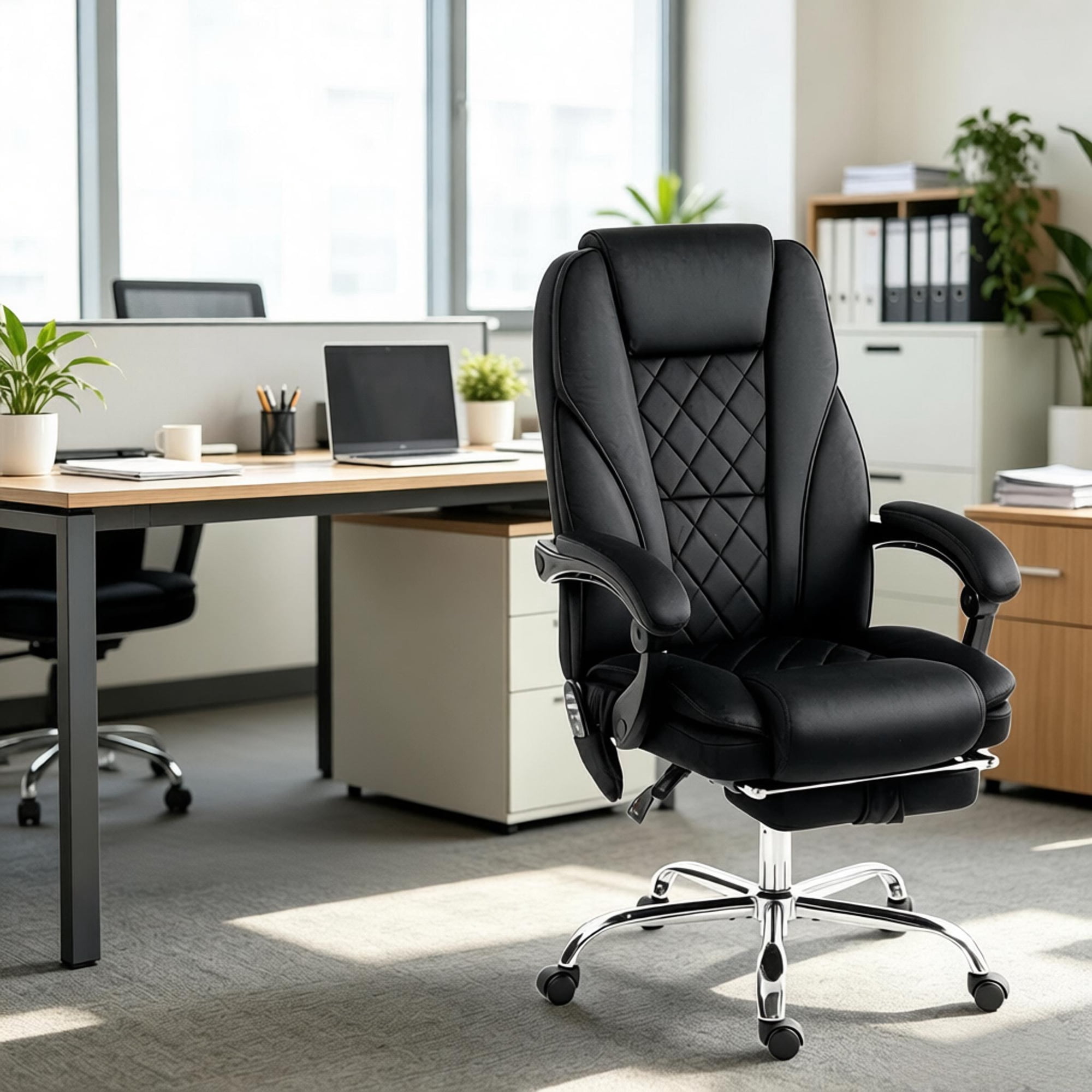
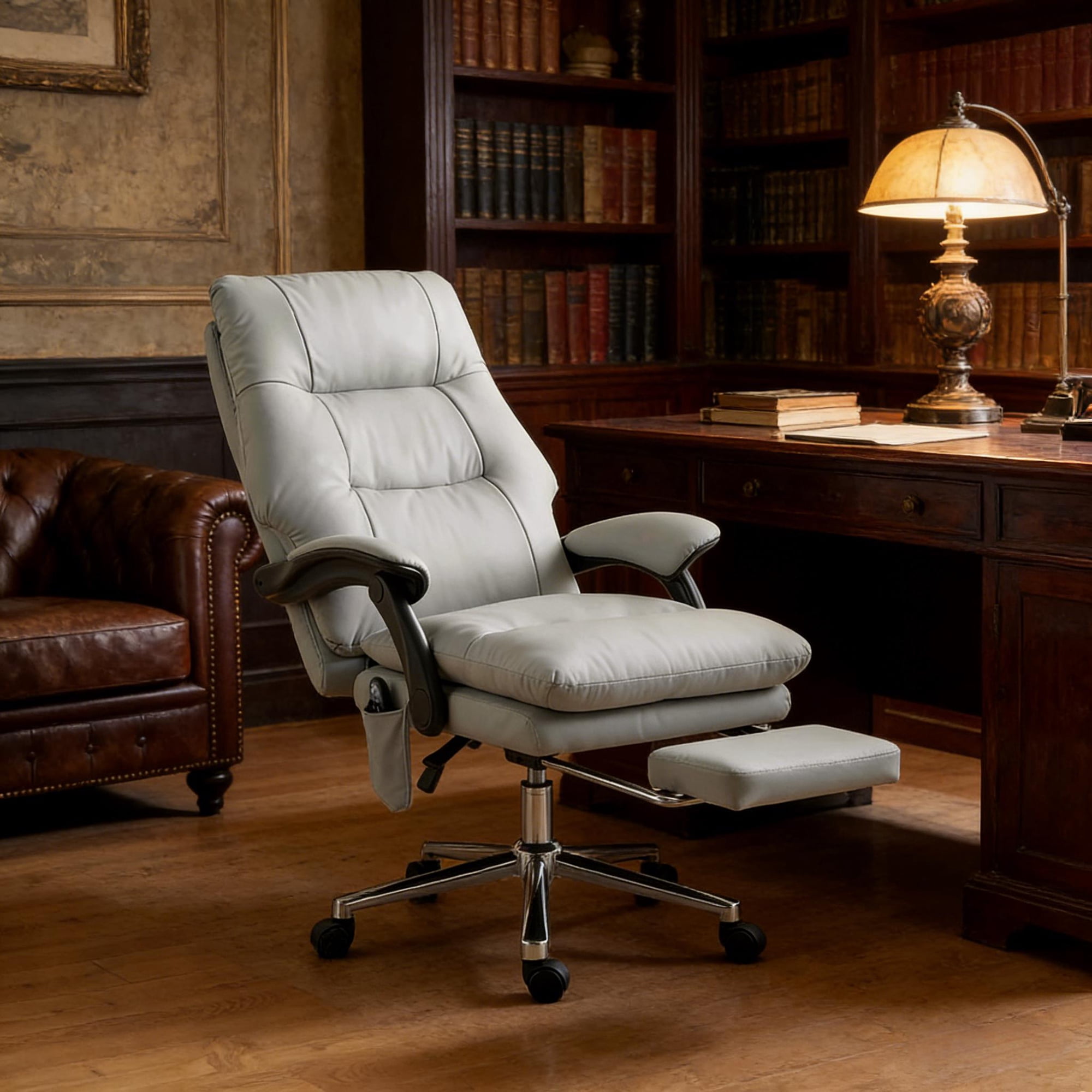
Why Standard Chairs Fail Heavier Users — And How “Fat Man” Chairs Are Different
If you’re a larger gentleman, you’ve probably experienced the sinking feeling (literally) of a cheap office chair. The gas lift gives out, the seat pan feels like a park bench, or the armrests dig into your sides. A fat man office chair isn’t just a wider version of a regular chair — it’s a completely different engineering approach. Think of it like comparing a compact car to a heavy-duty pickup truck: both have seats, but only one is built to haul serious weight day after day.
Reality check: According to the National Institute for Occupational Safety and Health, over 40% of men who sit for long hours report back pain, but those using chairs rated below their body weight are 3x more likely to experience equipment failure. A purpose-built fat man chair eliminates that risk.
Anatomy of a True Heavy-Duty Executive Chair
Let’s dissect what makes these chairs worthy of the name. It’s not just about a bigger seat — it’s about the skeleton underneath.
- Reinforced steel frame: Standard chairs use 1.5mm steel; fat man chairs often use 2.5mm or thicker, sometimes with a solid steel plate under the seat.
- Oversized gas lift (Class 4 or 5): Most chairs use Class 3 lifts (220–250 lbs). A fat man chair demands Class 4 (up to 400 lbs) or Class 5 (500+ lbs).
- Seat width & depth: Look for seat width 24 to 30 inches (standard is 19–20”). Depth should be at least 21” to support thighs properly.
- Dual-piston or wide-base mechanism: The tilt mechanism must handle torque without wobbling. Many heavy-duty chairs use a larger central hub.
- Heavy-duty casters: Metal-core or wide polyurethane wheels that won’t crack under weight and roll smoothly on carpet or hardwood.
The “Invisible” Problem: Weight Distribution and Pressure Points
Even if a chair holds your weight, you might still feel discomfort after an hour. That’s because weight distribution matters. A quality fat man office chair uses high-density foam (2.5–3 lb density) that resists bottoming out. Some models incorporate memory foam layers or gel-infused seats to spread pressure away from the tailbone. A 2023 ergonomics study noted that wider seats with contoured edges reduce peak pressure on the thighs by 38% compared to flat, narrow seats.
5 Must-Have Features When You’re Buying for the Long Haul
- Seat width ≥ 22 inches — anything less and you’ll feel cramped. For true comfort, aim for 26–28 inches.
- Adjustable lumbar support (height + depth) — larger torsos need support that can be positioned higher or deeper.
- 4D armrests — wide, padded armrests that move in/out, up/down, and pivot. Armrests that are too narrow force you to hunch.
- Tilt tension control with lock — you want to recline without feeling like you’re going over backwards. Look for a beefy control knob.
- Reinforced five-star base — metal or heavy-duty nylon, never cheap plastic. A metal base with a 30” spread provides stability.
Material Showdown: What’s Best for Bigger Bodies?
✅ Bonded Leather / PU
- Easy to wipe clean
- Looks executive from day one
- Good durability if thick
⚠️ Fabric / Mesh
- Breathable — less sweat
- Must check foam density
- Mesh back must be reinforced
In practice, many heavy users prefer a hybrid: a fabric or mesh back for airflow, and a thick leather/faux leather seat with extra padding. This combo prevents the “stuck to plastic” feeling in summer while offering support.
Real-World Testing: What 400 lbs Feels Like
We looked at user feedback across forums and retailer reviews. One buyer (350 lbs) mentioned: “My old chair creaked like an old ship. This one (a 500 lb rated model) doesn’t make a sound. I can lean back fully without the front of the seat digging into my legs.” Another noted that the extra width allowed him to sit cross-legged occasionally — a flexibility standard chairs never offered.
| Chair Class | Typical Capacity | Frame Material | Lift Class |
|---|---|---|---|
| Standard | Up to 250 lbs | 1.2–1.5 mm steel | Class 3 |
| Heavy Duty | 300–400 lbs | 1.8–2.0 mm steel | Class 4 |
| Fat Man / Big & Tall | 400–700 lbs | 2.5+ mm steel / alloy | Class 5 or 6 |
Budget vs. Investment: What’s the Real Cost?
A true fat man office chair isn’t cheap. While you can find “wide seat” chairs for $200, they often use the same gas lift as a $99 special — just with wider cushions. A genuine 400 lb capacity chair with steel frame starts around $350 and can go up to $900 for premium leather and adjustability. Spread that over 8 years: it’s about $0.15 per day. Your back and safety are worth the extra dime.
Frequently Asked Questions About Fat Man Office Chairs
Conclusion: Don’t Settle for Less Than Your Size Demands
Choosing a fat man office chair is about respecting your own physique. You deserve a chair that doesn’t squeak, tilt erratically, or leave imprints on your legs. With the right combination of wide seat, strong lift, and adjustable ergonomics, you can sit comfortably for years. Use the table below as a quick reference when you browse.
| Your Weight | Minimum Seat Width | Minimum Capacity | Recommended Lift Class |
|---|---|---|---|
| 250–300 lbs | 22” | 350 lbs | Class 4 |
| 300–400 lbs | 24” | 450 lbs | Class 5 |
| 400+ lbs | 26”+ | 550 lbs | Class 5/6 metal base |