
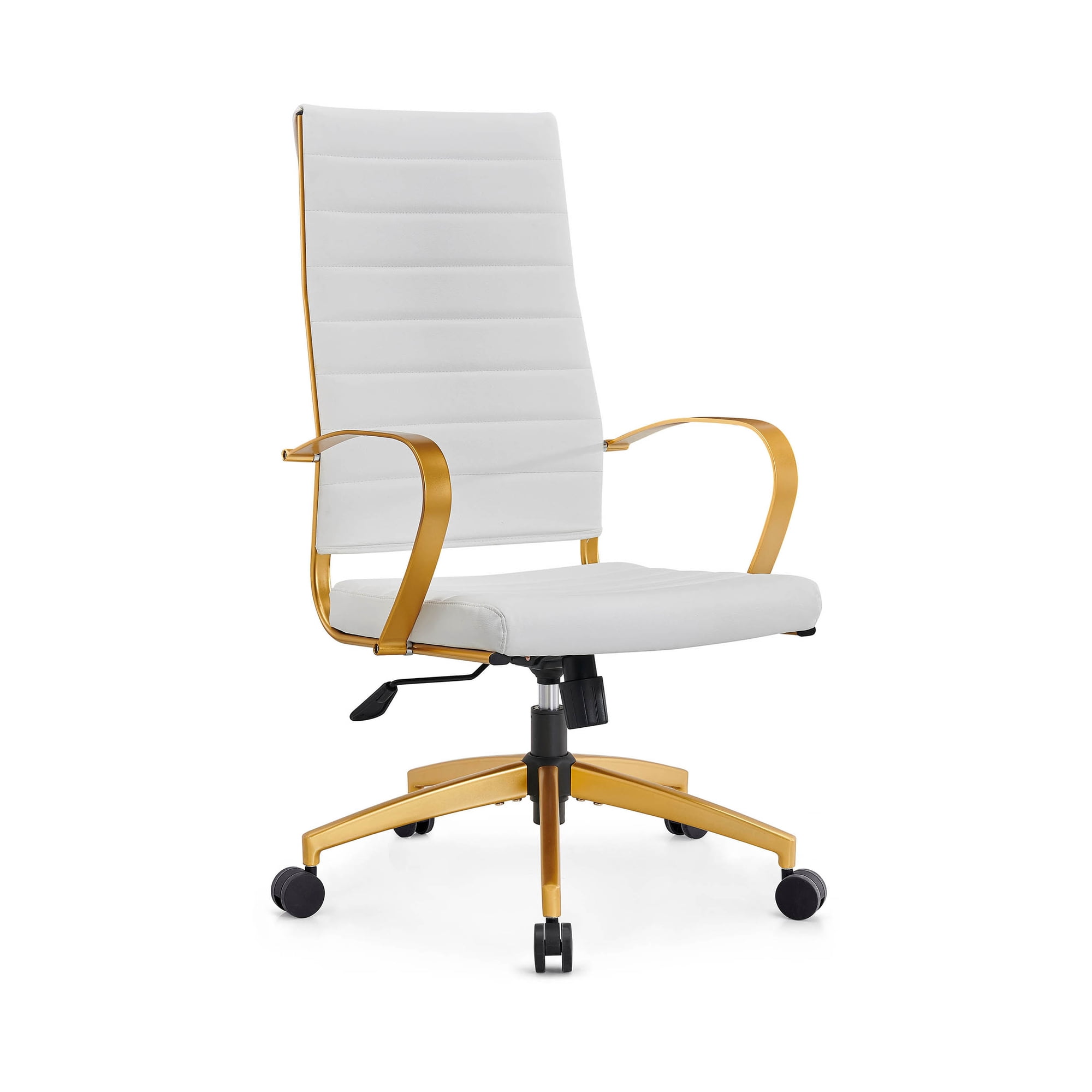
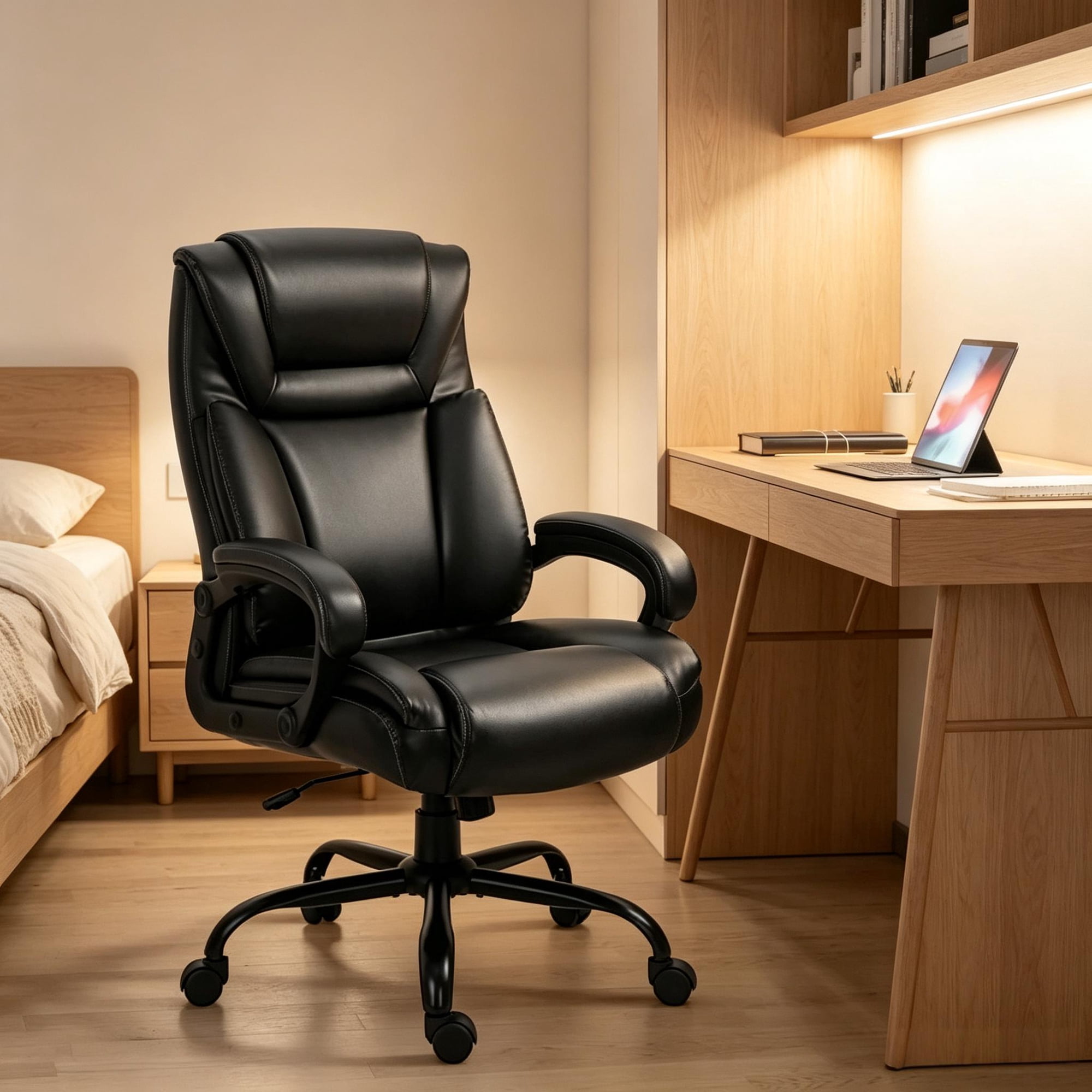
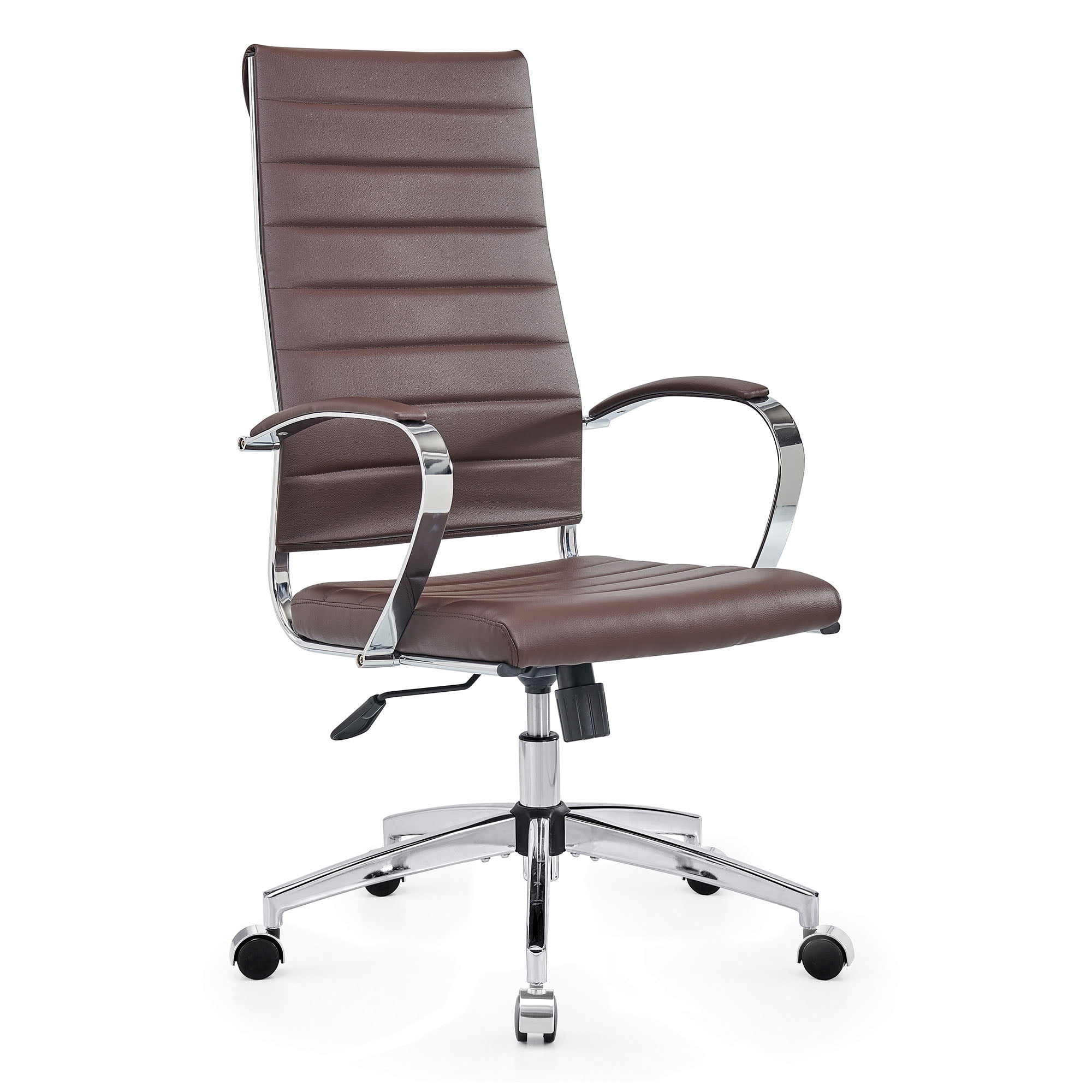
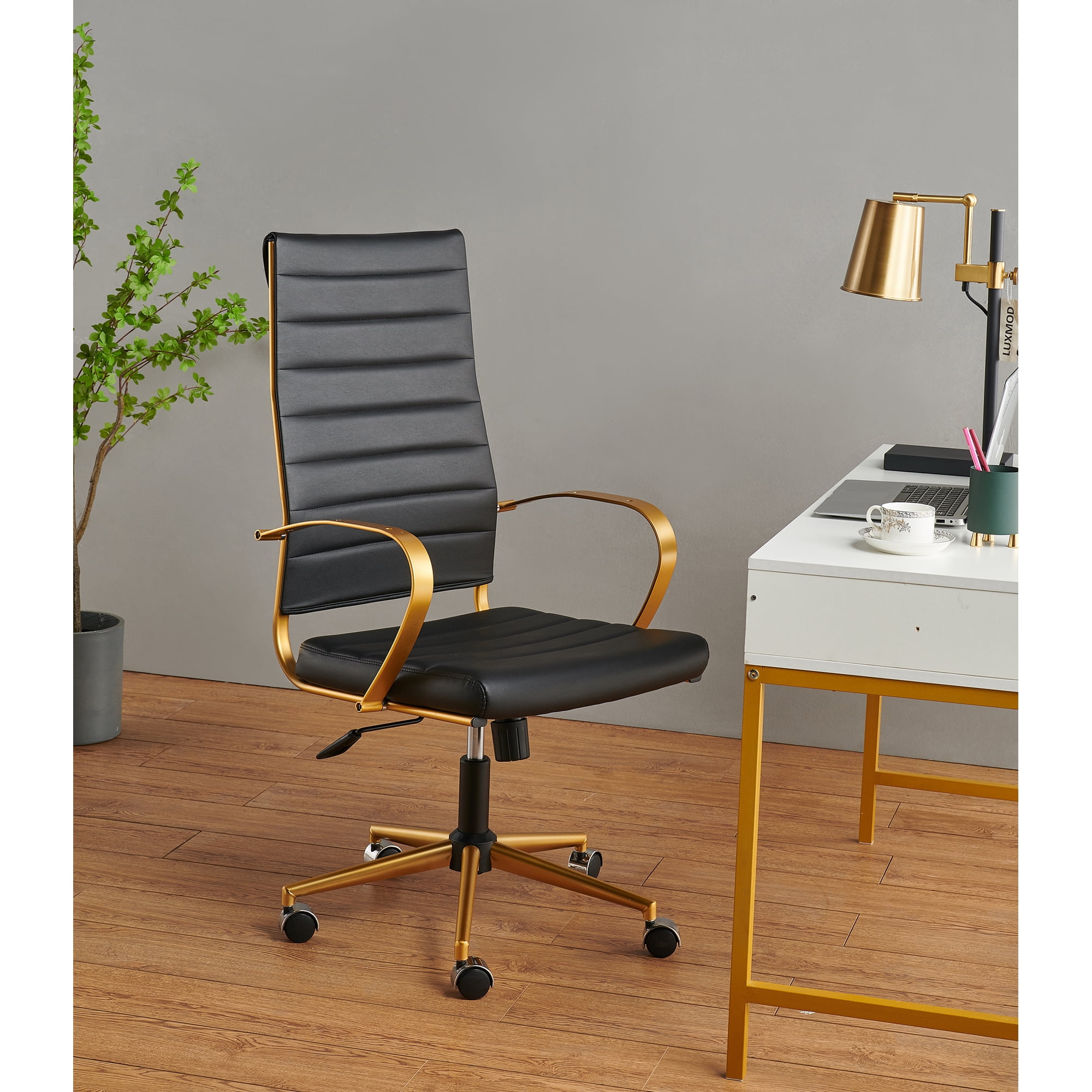
Why Your Workspace Demands an Extra High Back Office Chair
For professionals who spend long hours at a desk, standard office chairs often fall short. They provide support only up to the mid-back, leaving the upper back, shoulders, and neck unsupported. This gap can lead to a cascade of issues: chronic tension headaches, rounded shoulders, and persistent fatigue. An extra high back office chair bridges this gap, acting as a supportive cocoon for your entire spine, from your pelvis to the base of your skull.
Ergonomic Impact: Research indicates that proper neck and upper back support can reduce perceived discomfort by 58% after 6 hours of continuous sitting. The inclusion of a height-adjustable headrest in an extra high back chair helps maintain the natural cervical curve, decreasing the likelihood of forward head posture by up to 40%.
Key Ergonomic Advantages of High-Back Seating
Choosing a chair with an elevated backrest is a proactive step in workplace wellness. Here are the specific advantages:
- Complete Thoracic Support: The extended backrest supports the entire rib cage area, promoting better lung expansion and reducing shallow breathing associated with slouching.
- Cervical Alignment: Integrated or adjustable headrests prevent the "tech neck" phenomenon, keeping your head balanced over your shoulders.
- Reduced Muscle Fatigue: By providing full surface contact, these chairs distribute your body weight more evenly, reducing localized pressure on the trapezius and rhomboid muscles.
- Enhanced Recline Experience: Extra high backs create a safer and more comfortable reclining posture, perfect for deep thinking sessions or post-lunch relaxation without compromising support.
- Professional Presence: A commanding high-back design conveys authority and attention to personal well-being, suitable for executive suites and home offices alike.
Critical Features to Evaluate in an Extra High Back Chair
Not all high-back chairs are created equal. To maximize your investment, scrutinize these specific attributes:
| Feature | Why It Matters for Extra High Back Chairs | What to Look For |
|---|---|---|
| Headrest Adjustability | Ensures the headrest supports your neck, not the back of your skull, preventing forward head tilt. | Look for both height and angle adjustment (tilt). Mesh or memory foam padding for comfort. |
| Lumbar Support Independence | High backs require separate lumbar adjustment to support the lower spine without being overshadowed by the upper backrest. | Adjustable height and depth (dynamic or air bladder) lumbar mechanism. |
| Seat Depth Adjustment | Taller users need deeper seats. This ensures proper thigh support without pressure behind the knees. | Minimum 2-inch sliding seat pan. Check that the seat depth accommodates your leg length. |
| Armrest Versatility | 4D armrests (height, width, pivot, depth) allow you to position arms close to the body, relieving shoulder tension. | Soft padding, wide range of motion, and lockable positions. |
| Backrest Recline Tension | Multi-angle tilt lock with adjustable tension ensures the chair moves with you, maintaining contact with the high back during recline. | Mechanism that allows recline without stiff resistance, plus tilt lock at preferred angles. |
Material Selection for High-Back Durability & Comfort
The material of your extra high back chair influences both its longevity and your comfort. Here’s how different materials perform:
Breathable Mesh
Best for: Warm climates and active sitters. Mesh provides continuous airflow, preventing sweat accumulation on the back. High-quality mesh maintains tension and support for years without sagging.
Consideration: May feel less "plush" than upholstered options but offers superior temperature regulation.
Premium Leather
Best for: Traditional offices and luxury aesthetics. Full-grain leather conforms to your body over time and is easy to clean. It provides a solid, supportive feel.
Consideration: Can retain heat; requires occasional conditioning to prevent cracking in dry environments.
High-Density Fabric
Best for: Balanced comfort and cost. Modern performance fabrics are stain-resistant and durable. They offer a softer feel than mesh while being more breathable than leather.
Consideration: May require spot cleaning and can attract dust mites if not vacuumed regularly.
Quick Ergonomics Check: Using Your High Back Chair Correctly
Even the best extra high back chair is ineffective without proper adjustment. Follow this 5-step routine:
- Feet Flat: Adjust seat height so your feet rest flat on the floor, knees at 90-110 degrees.
- Seat Depth: Sit back fully. You should have 2-3 fingers of space between the back of your knees and the seat edge.
- Lumbar Lock: Adjust the lumbar support so it fits snugly into the curve of your lower back.
- Headrest Harmony: Recline slightly and set the headrest so it supports the natural curve of your neck, not pushing your head forward.
- Armrest Alignment: Raise armrests so your shoulders are relaxed and elbows rest at 90 degrees when typing.
Re-evaluate these settings every few months or if you share the chair with others.
Extra High Back vs. Standard High Back: A Detailed Comparison
Understanding the distinction helps you avoid underperforming options. While both offer improved support, the "extra high" category is purpose-built for full spinal coverage.
| Feature | Standard High Back (20-24 inches) | Extra High Back (28-34 inches) |
|---|---|---|
| Shoulder Support | Partial; tops of shoulders often unsupported | Full support for shoulders and upper back |
| Head/Neck Support | Rarely includes adjustable headrest | Integrated or adjustable headrest standard |
| Ideal User Height | Up to 5'10" for optimal support | 5'10" and above; provides support for taller frames |
| Recline Dynamics | Upper back may leave contact point during recline | Maintains full back contact throughout recline range |
| Typical Weight Capacity | 250-300 lbs | 300-400 lbs (reinforced for taller/heavier users) |
Real-World Applications: Who Needs This Level of Support?
The extra high back office chair is not merely a luxury; it's often a necessity for specific user profiles:
- Executives and Managers: Those presiding over long meetings or reviewing documents for extended periods benefit from the added neck and shoulder support to maintain focus and authority.
- Creative Professionals: Designers, writers, and software engineers who often work in deep focus can lean back comfortably without losing support, fostering a relaxed yet productive posture.
- Remote Workers with Non-Standard Setups: If your home office lacks a dedicated desk or you use a sit-stand converter, a high-back chair provides consistent support regardless of posture shifts.
- Individuals Recovering from Injury: For those with whiplash, chronic neck pain, or thoracic outlet syndrome, the structured support of an extra high back can be part of a medical-recommended ergonomic solution.