
Why a Compact Office Chair is the Ultimate Space-Saving Solution
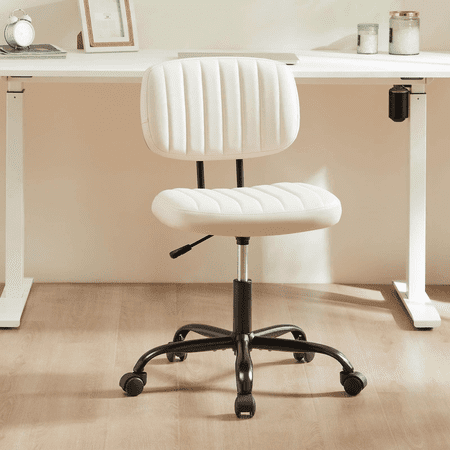
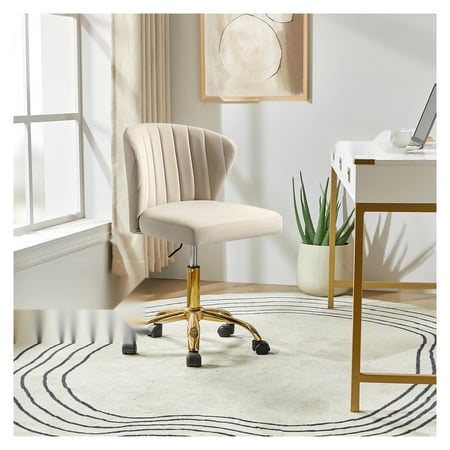
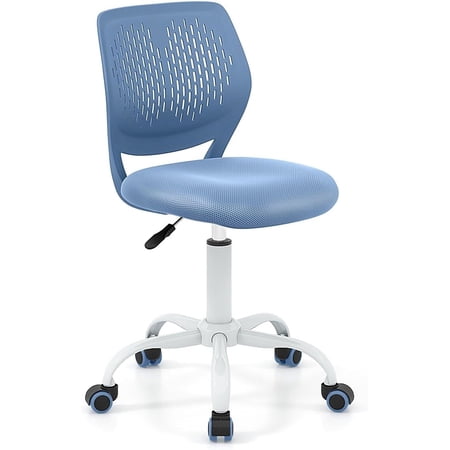
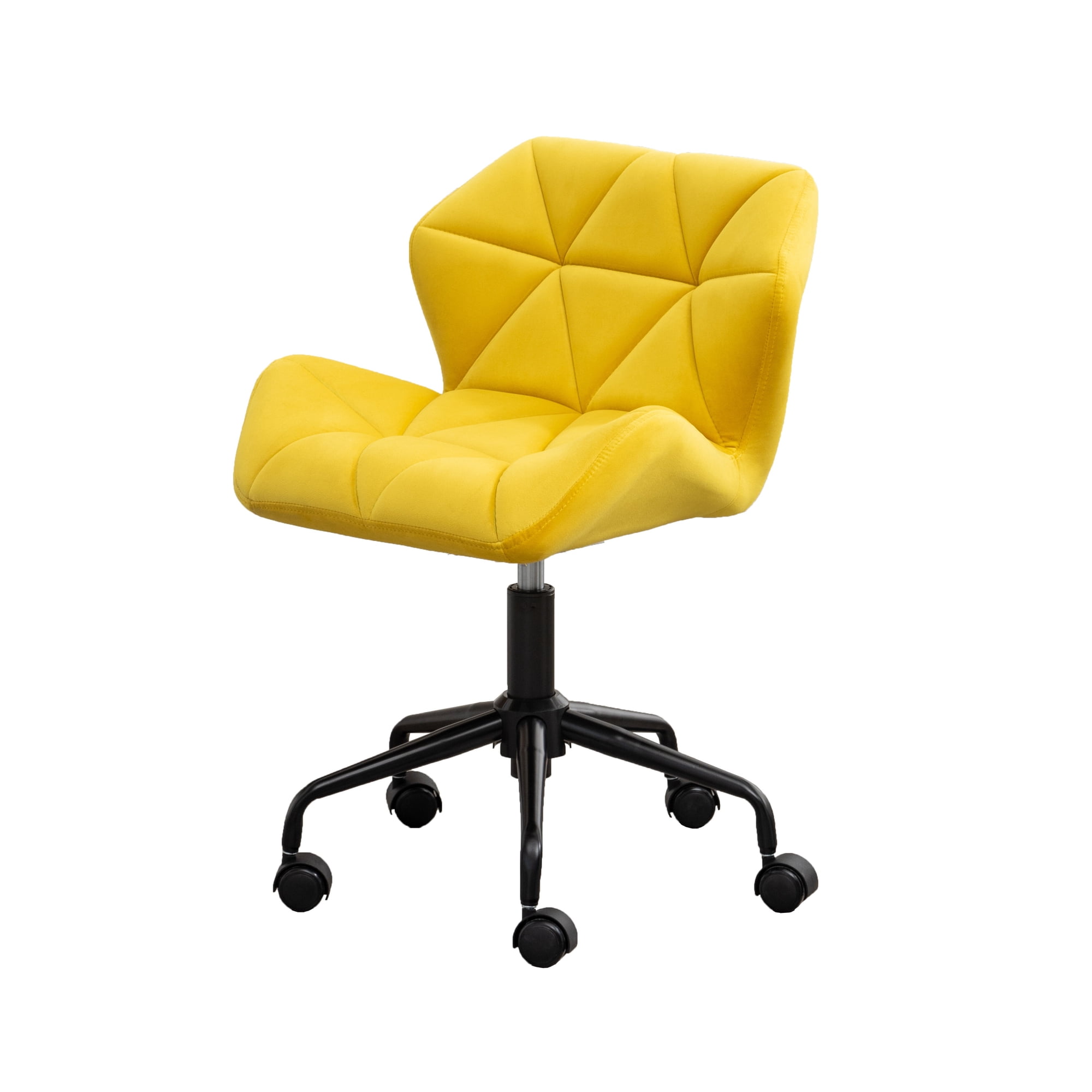
In today's flexible work environment, home offices are often squeezed into corners, shared bedrooms, or under lofts. A standard bulky executive chair can overwhelm these spaces, making the area feel cramped and reducing functionality. This is where a compact office chair for small space becomes essential. These chairs are engineered with a smaller footprint, intelligent adjustability, and ergonomic support that rivals full-size models, proving that good things really do come in small packages.
Space-Saving Insight: According to a recent home office survey, 68% of remote workers report that their primary workspace is under 50 square feet. Using a compact chair with a seat width under 20 inches can free up to 20% more usable floor space compared to a traditional high-back executive chair, making room for storage or movement.
Key Features of a True Compact Office Chair
Not every chair labeled "compact" delivers on its promise. Here's what separates a genuinely space-efficient chair from a standard model that simply has a smaller label:
- Slim Seat Width: Typically between 18 and 20.5 inches, allowing easy passage in narrow walkways and fitting under smaller desks.
- Narrow Backrest: Streamlined back design (often contoured) that doesn't protrude sideways, keeping the visual footprint minimal.
- Flip-Up or Retractable Armrests: A game-changer for small spaces — arms that lift out of the way let you slide the chair entirely under the desk when not in use.
- Compact Base & Casters: Smaller wheelbase with high-quality dual-wheel casters that glide smoothly even in tight corners.
- Breathable Materials: Mesh or performance fabric to maintain comfort without adding bulky padding that increases dimensions.
Ergonomics in a Small Frame: Why Compact Doesn't Mean Compromised
Many assume a smaller chair can't provide proper ergonomic support. However, leading manufacturers now integrate advanced ergonomics into compact designs. The goal is to support the spine's natural curvature while respecting spatial limits. Key ergonomic elements to look for include:
Adjustable Lumbar
Even compact chairs now feature height-adjustable lumbar support, preventing slouching and lower back fatigue during long work sessions.
Seat Depth Slider
Shorter seat pans (with depth adjustment) ensure proper thigh support without cutting into the backs of knees — essential for petite users.
3D or 4D Armrests
Narrow armrests that adjust in height, width, and pivot allow customized support while maintaining a compact overall width.
Top Materials for Compact Office Chairs
Material choice influences both the visual weight and comfort of a space-saving chair. Consider these options based on your environment:
- Breathable Mesh: Creates an airy, open feel. Ideal for warmer climates or rooms with limited ventilation. Mesh backs also often have a slimmer profile.
- Performance Fabric: Soft yet durable, often stain-resistant. Available in lighter colors that make a small room appear larger.
- Faux Leather (Vegan): Easy to clean and offers a sleek, modern look. Choose matte finishes to avoid a heavy, shiny appearance in tight quarters.
- Minimalist Plastic/Composite: Ultra-lightweight and often stackable, perfect for multi-purpose rooms where the chair might be moved frequently.
How to Measure Your Space for a Compact Office Chair
To ensure the perfect fit, follow this simple measuring guide before making a purchase:
Step 1: Desk Clearance
- Under-Desk Height: Measure from floor to the underside of your desk. Look for chairs with seat height range that fits with at least 2 inches of thigh clearance.
- Desk Width Opening: If your desk has side panels, measure the width of the kneehole. Aim for a chair total width 2–4 inches less than that measurement.
Step 2: Chair Dimensions
- Seat Width: Standard compact chairs: 18–20 inches. If you prefer armrests, consider flip-up styles to reduce storage width.
- Total Depth: When fully pushed in, the chair depth should not extend beyond the desk front. Aim for under 24 inches for tight spaces.
- Back Height: Low-back or mid-back chairs often feel less imposing; high-back with headrest can still work if the design is narrow.
Benefits Beyond Space: Why Compact Chairs Improve Productivity
A clutter-free environment directly impacts mental clarity. By selecting a chair that doesn't overwhelm the room, you create a more organized, calm workspace. Compact chairs also encourage better posture because they force you to sit centered and aligned — they simply don't allow sprawling. Many users report that switching to a space-saving ergonomic chair helped them:
Enhanced Focus
Less visual clutter means fewer distractions, helping you concentrate on deep work.
Easier Room Transition
Lightweight compact chairs can be moved aside quickly when transitioning from work to relaxation in multi-use rooms.
Better Air Circulation
Open floor space improves airflow, keeping the room feeling fresh and less stuffy.
Increased Property Value
A well-designed home office with efficient furniture is an attractive feature for future buyers.