
Why "Durable" Matters More Than You Think
Imagine buying a pair of shoes that wear out in three months—frustrating, expensive, and wasteful. The same logic applies to office chairs. A chair that squeaks, leans, or loses padding within a year isn't just annoying; it's a hidden cost. Durable office chairs are engineered with robust materials and construction techniques to withstand the rigors of daily use—whether you're an executive logging 60-hour weeks, a home office worker, or managing a bustling cubicle farm. According to the Business + Institutional Furniture Manufacturers Association (BIFMA), a commercial-grade chair should endure over 100,000 tilt cycles and 200,000-pound compression tests. Yet many budget chairs cut corners, leading to premature failure. This guide dives deep into what makes a chair genuinely durable, helping you avoid the trap of "disposable furniture."
1. The Anatomy of a Long-Lasting Office Chair
Durability isn't a single feature—it's a system of interdependent components. Think of it like a car: a powerful engine is useless if the transmission fails. Here are the critical parts that determine a chair's lifespan, and what to look for when you want a seat that lasts a decade or more.
1.1 Frame: The Skeleton
The frame is the foundation. Most inexpensive chairs use plastic or thin stamped metal that can crack under heavy loads or repeated stress. For true durability, seek chairs with:
- Heavy-gauge steel frame: At least 2mm thickness, often welded at stress points.
- Reinforced nylon or aluminum back supports: These resist flexing and maintain ergonomic shape.
- One-piece construction: Fewer joints mean fewer failure points.
Pro tip: Chairs that meet BIFMA X5.1 standards have passed rigorous structural durability tests. Look for that certification.
1.2 Gas Lift: The Powerhouse
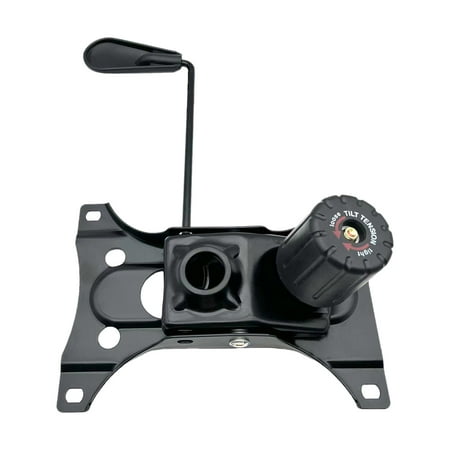
A wobbly or sinking chair is often due to a failed gas cylinder. Durable chairs use Class 3 or Class 4 gas lifts (rated for higher cycles and weight). Class 4 is standard for 24/7 use and supports up to 500 lbs. The cylinder should be made of hardened steel with a chrome-plated finish to resist corrosion.
1.3 Base & Casters: The Foundation on Wheels
A five-star base made of solid aluminum or glass-filled nylon spreads weight evenly and resists cracking. Casters matter too: dual-wheel casters with soft polyurethane tread roll smoothly on carpets and hard floors without flattening over time. Look for casters rated for at least 100,000 rolling cycles.
2. Material Science: Upholstery That Fights Wear
Fabric, mesh, or leather—each material has a different durability profile. Understanding "abrasion resistance" (measured in double rubs) helps you choose wisely.
Commercial-Grade Fabric
- Wyzenbeek test: 100,000+ double rubs (heavy-duty).
- Solution-dyed nylon or polyester resists fading and stains.
- Breathable and less prone to cracking than leather.
- Ideal for 24/7 multi-user environments.
Top-Grain Leather
- Full-aniline leather develops a patina and can last 20 years.
- Susceptible to drying and fading if exposed to direct sunlight.
- Requires conditioning every 6–12 months.
- Scratches can sometimes be buffed out.
High-Tensile Mesh
- Used in chairs like Herman Miller Aeron—tensioned mesh rarely sags.
- Extremely breathable, no padding to flatten.
- Easy to clean, but can be damaged by sharp objects.
- Lifespan often 10–15 years in the original frame.
For the ultimate durability, some manufacturers offer hybrid designs: a steel frame, high-density cold-cure foam (won't lose shape), and a breathable mesh or replaceable fabric panels.
3. Who Really Needs an Ultra-Durable Chair?
Durability isn't one-size-fits-all. Let's match construction to user profiles:
In a study by Office Furniture Magazine, facilities that switched to BIFMA-certified chairs reduced replacement costs by 73% over five years.
4. Hidden Features That Separate Durable Chairs From the Rest
Beyond obvious components, these details signal a chair built to last:
- Bolted connections instead of plastic clips: Easier to tighten and repair.
- Aluminum or steel armrest pads (or replaceable polyurethane tops).
- High-density foam (2.5–3.0 lb/ft³) vs. low-density (1.5 lb) that collapses in months.
- Modular design: Ability to replace seat cushions, gas lifts, or casters individually extends overall lifespan.
5. Deciphering Warranties: The Truth About "Lifetime" Coverage
A warranty is a manufacturer's promise of durability. But not all warranties are equal:
| Warranty Type | What It Covers | Typical Duration (Durable Chairs) |
|---|---|---|
| Frame | Structural integrity (welds, base) | 10 years – Lifetime |
| Mechanism / Gas lift | Tilt mechanism, cylinder | 5–10 years |
| Foam / Upholstery | Sagging, material defects | 2–5 years (longer for commercial-grade) |
| Parts / labor | Comprehensive coverage | 1–2 years typically |
True durable chairs offer at least 10 years on the frame and 5 years on mechanical parts. Beware of "limited lifetime" that prorates coverage or excludes labor.
6. Simple Habits to Keep Your Durable Chair in Top Shape
Even the toughest chair needs occasional TLC. Here's a maintenance checklist:
- Monthly: Vacuum upholstery to prevent grit from abrading fibers. Check and tighten all bolts (especially seat pan and backrest).
- Quarterly: Clean casters and remove hair/debris. Lubricate moving parts with PTFE spray.
- Annually: For leather, apply a quality conditioner. For mesh, wipe with mild soap and water.
- As needed: Replace casters if they no longer roll smoothly (universal fit is common).
7. Investment Perspective: Why Paying More Now Saves More Later
A $200 chair that lasts 2 years costs $100/year. A $800 durable chair that lasts 12 years costs $67/year—and provides better ergonomics and comfort throughout. If you factor in potential medical costs from poor support, the durable choice wins hands-down. For businesses, the math is even clearer: less downtime, fewer procurement cycles, and consistent employee comfort.
Basic Durable
$300–600, 5–7 yrs life, good for light use.Commercial Grade
$700–1,200, 10–12 yrs, meets BIFMA.Heavy-Duty Premium
$1,300–2,500, 15+ yrs, aluminum frame, 500 lb capacity.Frequently Asked Questions About Durable Office Chairs
Conclusion: Choose Strength, Comfort, and Long-Term Value
A durable office chair is not a luxury—it's a fundamental tool for anyone who spends significant time at a desk. By focusing on frame integrity, material quality, and warranty depth, you avoid the frustration of premature breakdowns and the hidden costs of replacement. Whether you're an individual seeking a chair that will survive a decade of work or a facility manager equipping an office, prioritize chairs that carry BIFMA certification, offer replaceable parts, and come from manufacturers with transparent warranty policies. In the long run, the most durable chair is the one you barely think about—because it simply works, day after day.