
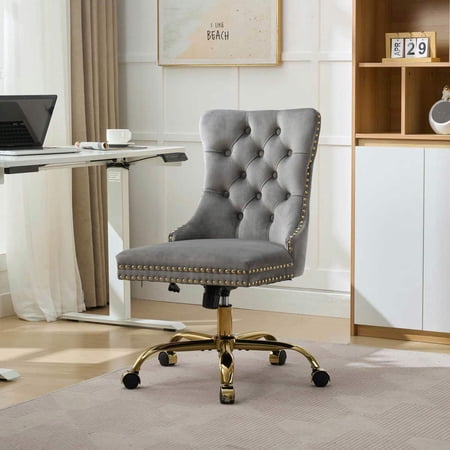
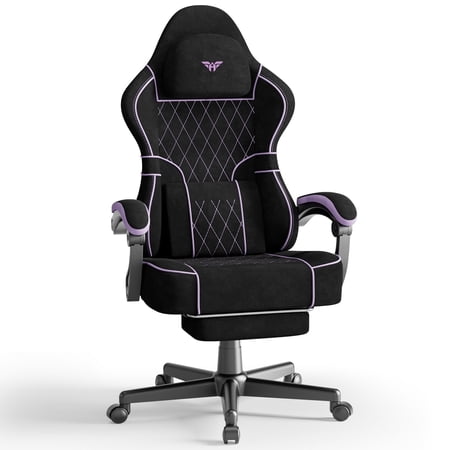
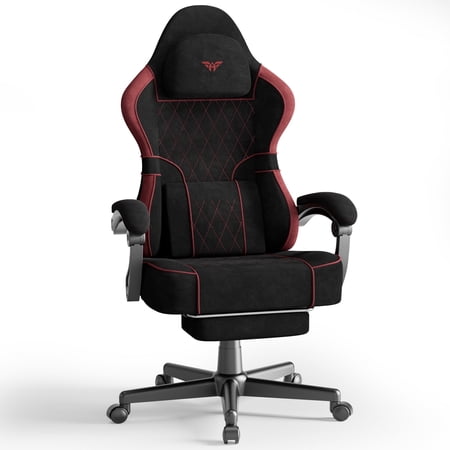
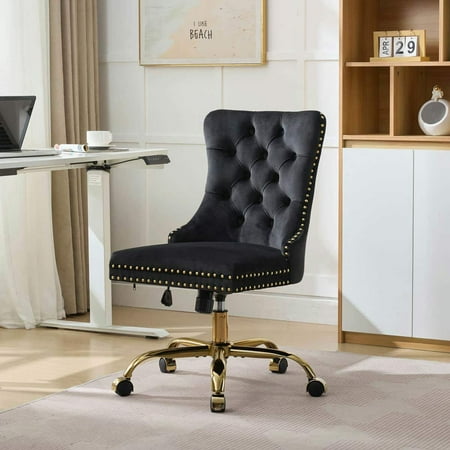
Why an Ergonomic Velvet Office Chair Is a Game Changer
Imagine sinking into a chair that feels like a luxury cinema seat, yet when you lean forward to type, your spine stays perfectly aligned. That is the promise of today’s ergonomic velvet office chair. Velvet, once reserved for drapes and vintage sofas, has been re‑engineered for the modern workplace: durable, stain‑resistant, and breathable. But the real magic lies beneath the fabric. High‑density molded foam, adjustable lumbar support, and synchronized mechanisms transform a beauty into a back‑saving tool.
Ergonomics Insight: A study from the National Institutes of Health found that chairs with adequate lumbar support and soft yet supportive upholstery can reduce muscle fatigue by up to 35%. Velvet’s slight give helps distribute pressure evenly, reducing hot spots during eight‑hour workdays.
The Anatomy of a Velvet Ergonomic Chair
To understand why this category is exploding, let’s dissect its components. An ergonomic velvet office chair is not just a pretty face:
- High‑resilience foam seat – retains shape, doesn’t flatten like cheap cushions.
- Multi‑density backrest – often with integrated lumbar curve or adjustable pad.
- Smooth‑rolling casters – suitable for hardwood or carpet (often with 360° swivel).
- Velvet upholstery – typically polyester or nylon blend, tested for 50,000+ rubs (Martindale).
- Adjustable armrests (3D or 4D) – some models include padded velvet arms for extra comfort.
Why Velvet? The Tactile & Practical Advantages
Leather can be sticky in summer, mesh can feel too casual. Velvet strikes a middle ground. It’s warm in winter, not freezing like faux leather, and it adds a touch of elegance to Zoom calls. But here’s what the labels won’t tell you:
- Stain resistance: Most modern velvet is treated to repel liquids – a coffee spill can be wiped away if caught quickly.
- Pet friendly: The tight pile resists claws better than linen or wool blends.
- Acoustic absorption: Velvet slightly dampens sound, making your office feel quieter.
Health Benefits Backed by Design
Beyond the lush feel, these chairs contribute to wellbeing. Because they are ergonomic, they encourage dynamic sitting. Some models include:
Pelvic support
Waterfall front edge reduces pressure on thighs, improving circulation.
Syncro tilt mechanism
Backrest and seat move together, keeping you supported while reclining.
Headrest integration
Some velvet chairs include a padded headrest for neck relief during breaks.
Breathable velvet
New weaving techniques allow air circulation, preventing sweat buildup.
Who Is the Ideal User?
Ergonomic velvet chairs aren’t just for influencers. They suit:
- Work‑from‑home professionals who spend 6+ hours at a desk and want their office to feel inviting.
- Executives who host video calls and need a chair that looks premium but also supports their back.
- Creative freelancers – designers, writers, artists – who value aesthetics as much as function.
- People with mild back discomfort looking for a chair that doesn’t look clinical but provides proper alignment.
Adjustability: What to Look For
Not all velvet chairs are created equal. To be truly ergonomic, a velvet office chair should offer:
- Seat height adjustment (pneumatic) – so your thighs are parallel to the floor.
- Lumbar support depth – either a built‑in curve or a movable pad.
- Tilt tension control – lets you customize recline resistance based on your weight.
- Armrest adjustability – height and width, preferably with soft padding.
- Seat slider – for deeper or shallower seats, crucial for tall or petite users.
A chair that lacks these might be velvet but not truly ergonomic.
Debunking Myths: Velvet is Fragile? Too Hot?
Many executives worry velvet equals high maintenance. In reality, performance velvet (often made with polyester) is tested for abrasion and lightfastness. It’s the same material used in contract seating for hotels. As for heat: because it’s a fabric, it breathes better than bonded leather. Some chairs combine a velvet back with a mesh inset for extra ventilation.
Velvet vs. Other Upholstery: A Quick Comparison
| Material | Comfort | Breathability | Maintenance | Longevity |
|---|---|---|---|---|
| Velvet (synthetic) | High (plush) | Medium | Easy (vacuum/damp cloth) | 8‑12 years |
| Mesh | Medium | Excellent | Very easy | 7‑10 years |
| Leather | High (firm) | Low | Conditioning needed | 10‑15 years |
| Fabric (standard) | Medium | Medium | Stain‑prone | 5‑7 years |
Step‑by‑Step Guide: Selecting Your Perfect Velvet Ergonomic Chair
Step 1: Measure your space & body
• Seat height range: ideally 16–21 inches.
• Backrest height: should reach at least your mid‑back (or shoulders if you want head support).
• Width: look for at least 20 inches between armrests.
Step 2: Prioritize adjustability features
Make a list of must‑haves: adjustable lumbar? Headrest? Seat depth? The more adjustments, the better the chair adapts to your body.
Step 3: Check the velvet quality
Look for “high abrasion resistance” (50,000 double rubs or more). Crushed velvet vs. plain velvet is a visual choice – both perform similarly.
Step 4: Test the foam density
If possible, sit on the chair. The foam should feel supportive, not mushy. High‑density polyurethane foam (HR foam) holds up for years.
Step 5: Verify weight capacity & base
Most quality velvet chairs have a metal frame and a 5‑star nylon or aluminum base. Look for at least a 275 lb capacity.
Frequently Asked Questions About Ergonomic Velvet Office Chairs
Final Take: Is an Ergonomic Velvet Chair Right for You?
If you’re seeking a chair that doesn’t look like it belongs in a sterile office, yet provides the scientific support your spine craves, the ergonomic velvet office chair is a brilliant choice. It bridges the gap between style and substance. Remember to prioritize adjustability, quality velvet (with rub count), and a robust mechanism. Whether you choose a full‑velvet high‑back or a model with a mesh lumbar insert, your back—and your sense of style—will thank you.
Browse our top picks above (updated via Walmart API) to find a model that fits your body and budget. A chair is an investment in your daily wellbeing, so take your time and choose wisely.