
What Makes an Office Chair Truly "Ultimate"?
The quest for the ultimate office chair is a journey towards a workspace that works for you, not against you. It's about finding a seat that fades into the background, providing such seamless support that you can focus entirely on your deepest work. Unlike standard task chairs, an ultimate chair is a holistic tool, engineered from the ground up to enhance your performance, safeguard your physical health, and reflect your professional standards. It's the difference between enduring your workday and conquering it.
Think of it like this: a basic chair gets you from point A to point B, like a commuter car. The ultimate office chair is the luxury performance vehicle—precision-engineered, crafted from premium materials, and customized to fit you perfectly. Every adjustment, every curve, every material is chosen with a purpose: to create an environment of sustained comfort and peak efficiency. According to ergonomic studies, a well-fitted, high-quality chair can reduce musculoskeletal discomfort by over 50% and boost concentration by enabling longer periods of uninterrupted work.
The Five Pillars of the Ultimate Office Chair
To separate marketing hype from true excellence, you need to evaluate a chair against five core criteria. These are the non-negotiable elements that define the ultimate seating experience.
1. Ergonomic Adjustability: The "Goldilocks" Principle
No two bodies are alike, which is why adjustability is the cornerstone of any ultimate chair. It's not enough to simply raise or lower the seat. Look for these advanced features:
- Independent Lumbar Support: Not just a fixed bump. The ultimate chair offers a lumbar system that adjusts in both height and depth, allowing you to precisely fill the curve of your lower back. This is critical for maintaining the spine's natural S-shape and preventing "office chair slump."
- 4D Armrests: Your arms should rest comfortably with shoulders relaxed. "4D" means armrests that adjust up/down, forward/back, side-to-side (width), and pivot angle. This ensures support whether you're typing, reading, or taking a call.
- Seat Depth Adjustment: A waterfall edge is good, but a seat pan that slides forward or backward is better. You should have 2-4 finger-widths of space between the back of your knee and the seat edge. This prevents pressure on the sciatic nerve and promotes healthy circulation.
- Synchronous Tilt Mechanism: This advanced feature allows the backrest and seat to move in a carefully calibrated ratio (often 2:1 or 3:1) as you recline. This keeps you supported and your feet planted, preventing the shirt-riding-up effect and maintaining a healthy posture even when leaning back.
2. Premium Materials & Build Quality
The "ultimate" feel comes from the materials. This is where you feel the difference between a $200 chair and a $1,500 chair.
- Backrest Material: High-tension mesh is the gold standard for breathability. It conforms to your back, provides dynamic support, and keeps you cool. Look for mesh with different weave densities for varied support in different zones. Alternatively, some ultimate chairs use high-performance suspension fabric or meticulously stitched leather for a luxurious feel, often with perforations for breathability.
- Seat Cushion: Forget flat foam. Ultimate chairs utilize multi-density foam or advanced materials like memory foam or latex. The goal is a firm initial feel that supports, with a softer top layer for comfort. The cushion should not compress fully after a few hours of sitting.
- Frame & Base: A five-star base should be made of solid aluminum or reinforced steel, not plastic. It provides a sturdy foundation and contributes to the chair's premium feel and longevity. Casters should be high-quality, often dual-wheeled, and chosen for your floor type (hardwood or carpet).
3. Dynamic Support & Intuitive Movement
The human body is made to move. An ultimate chair encourages micro-movements throughout the day, which is vital for spinal disc health.
- Advanced Tilt Tension: You can adjust the resistance so that leaning back feels natural and supportive, not like a fight or a free-fall. The best mechanisms allow you to lock in multiple positions or move freely.
- Automatic Weight Adjustment: Some high-end chairs use a mechanism that automatically adjusts the recline tension based on your body weight, providing a perfectly calibrated experience right out of the box.
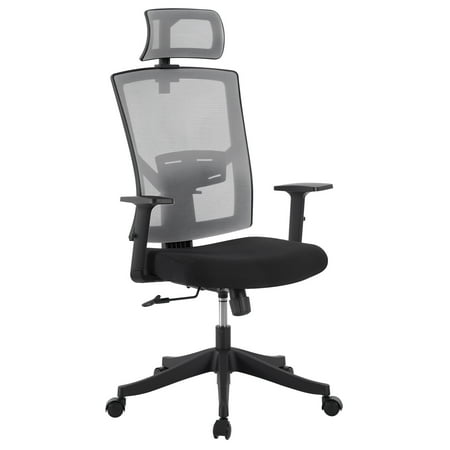
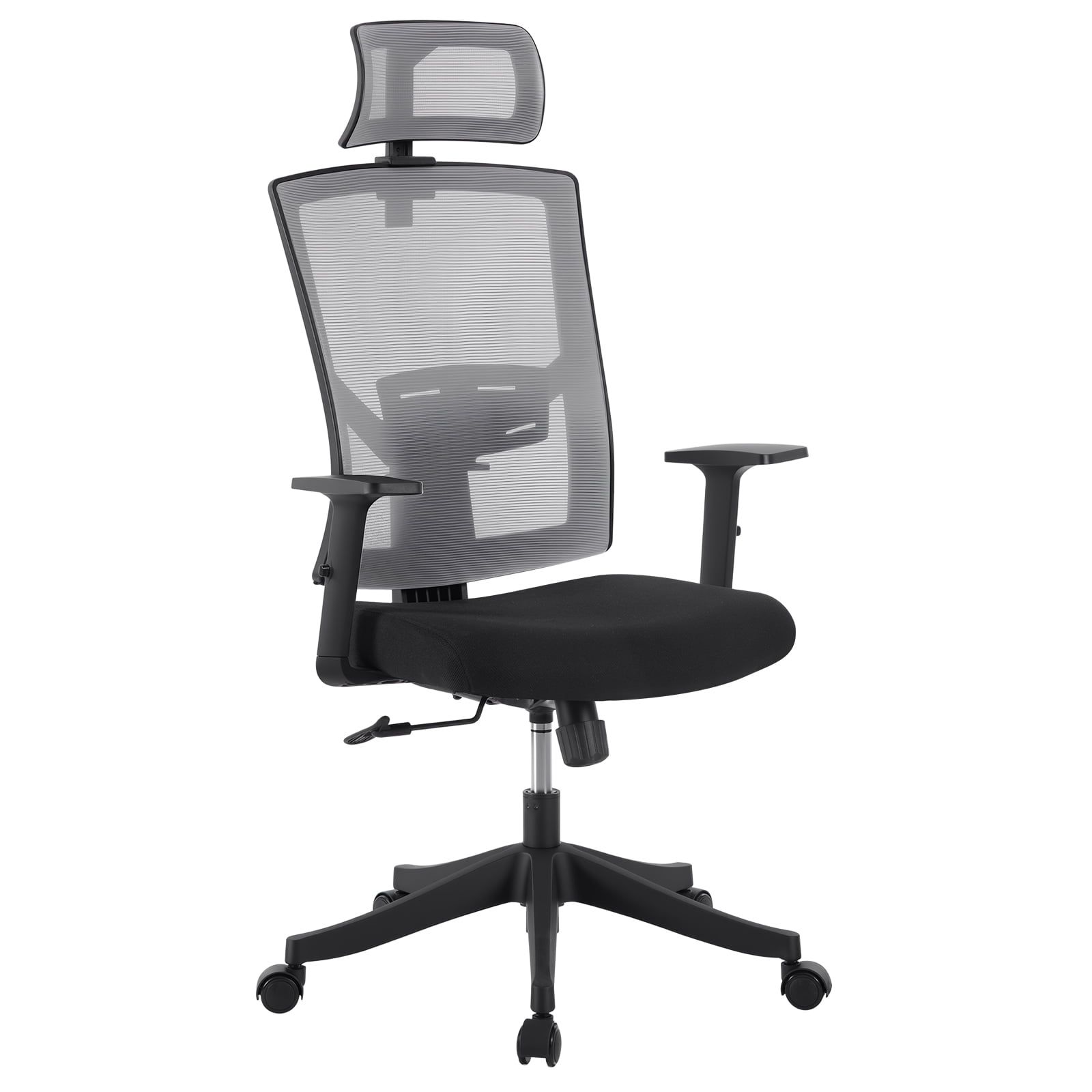
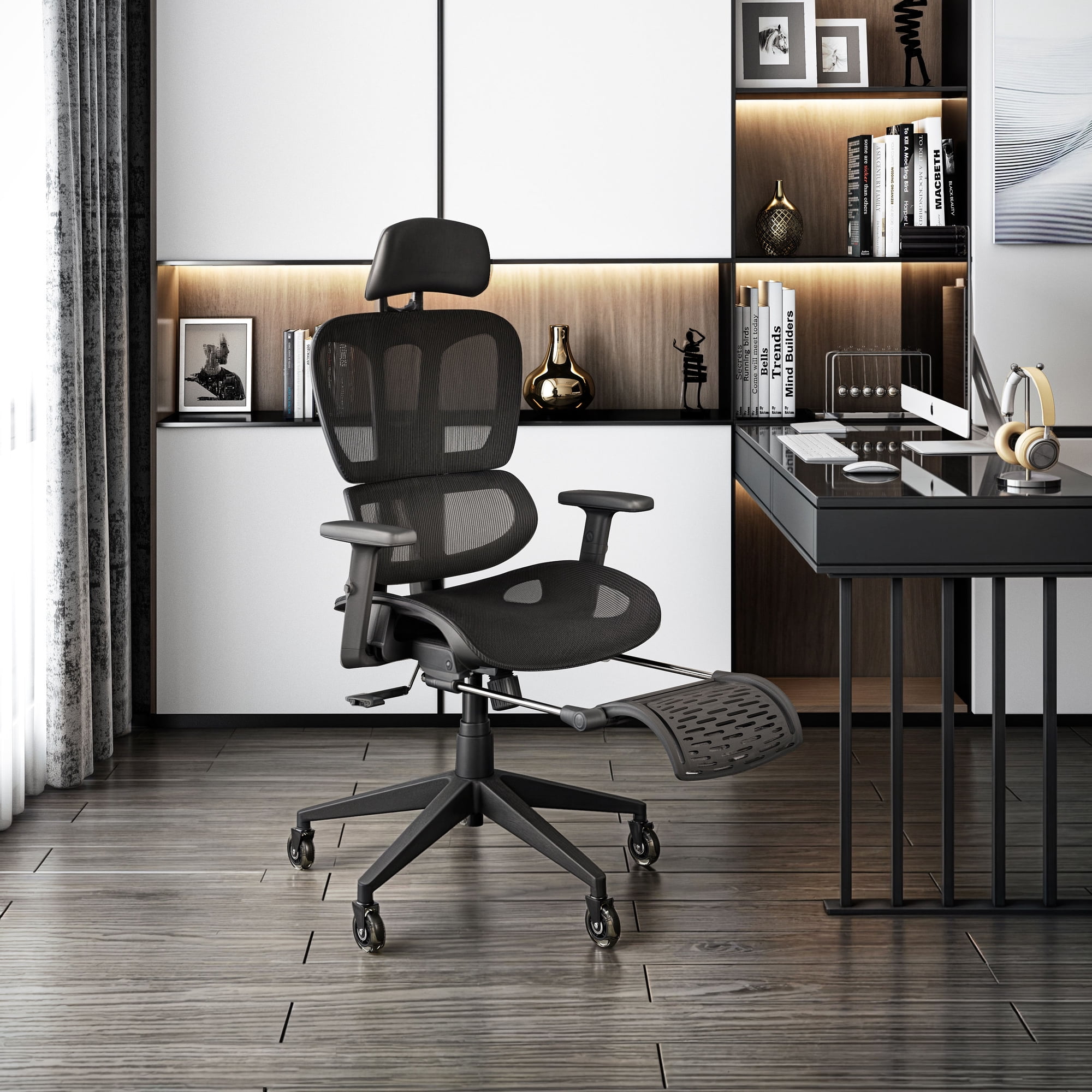
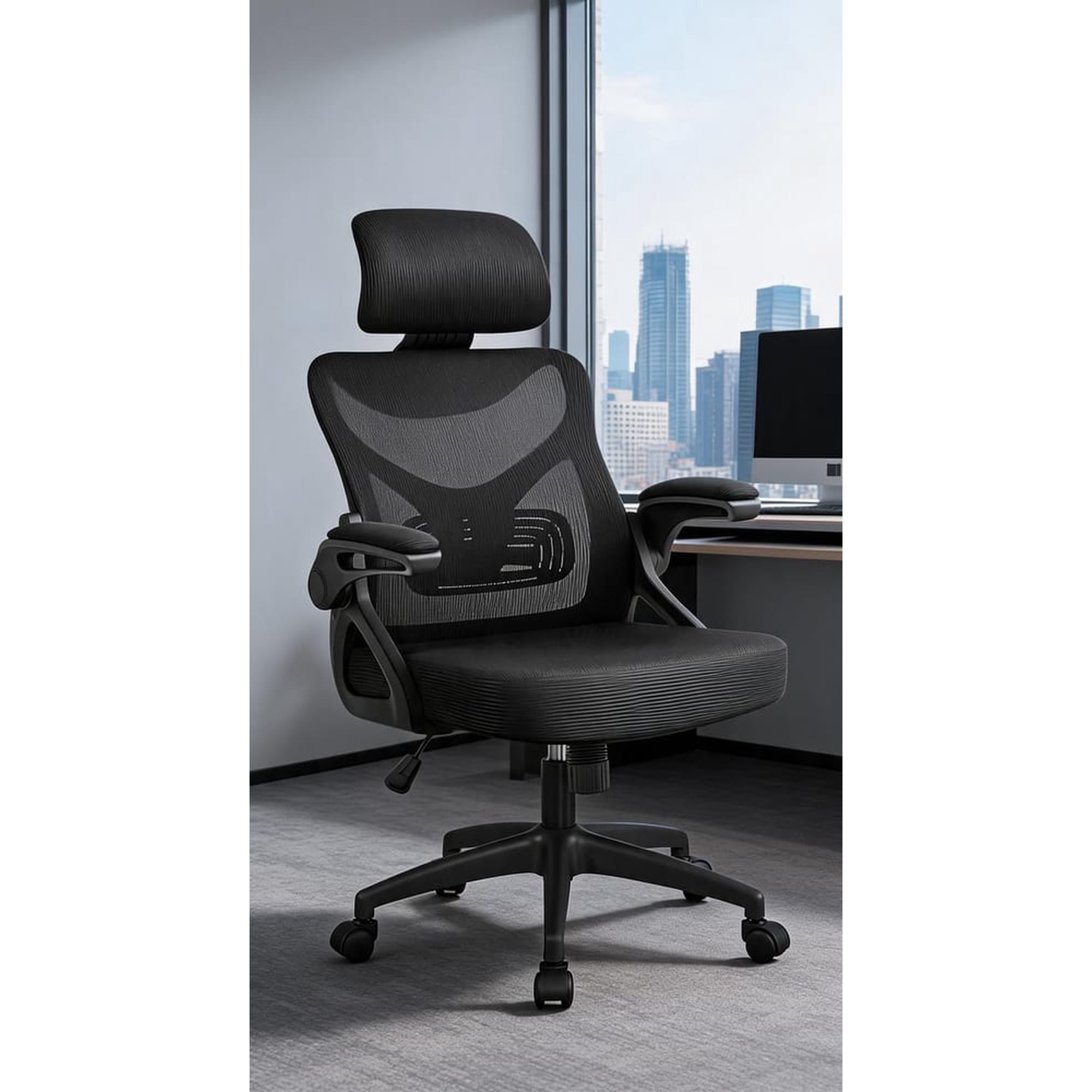
- Headrest Integration: A truly ultimate chair often includes a fully articulating headrest that adjusts in height, angle, and sometimes even depth. It should support your neck when you recline without pushing your head forward when you're upright.
4. Long-Term Durability & Warranty
An ultimate office chair is a 10+ year investment. The warranty is a direct reflection of the manufacturer's confidence.
- Comprehensive Warranty: Look for warranties covering all mechanisms, the frame, and the pneumatics for a minimum of 10 years. Some top-tier brands offer 12-year or even lifetime warranties on components.
- Component Testing: Reputable manufacturers test their chairs to withstand hundreds of thousands of tilt cycles and thousands of pounds of impact force. This data is often available upon request and signals a commitment to quality.
5. Aesthetics & Professional Presence
Let's be honest: how a chair looks matters. The ultimate chair should enhance your workspace, not clash with it. It should communicate a sense of quality and intention, whether your style is sleek and modern, warm and traditional, or minimalist and technical. It's a piece of furniture that you're proud to have in your office.
Finding Your "Ultimate" Match: A Step-by-Step Approach
With so many options, how do you choose? Follow this practical guide to narrow down your search.
- Analyze Your Daily Workflow: Do you spend most of your time typing (requiring excellent armrests and seat depth)? Or are you in constant meetings, leaning back frequently (making a great headrest and recline mechanism essential)? Your habits dictate your priorities.
- Take Body Measurements: Measure the distance from the floor to the back of your knee (seat height range), from your back to the back of your knee (seat depth), and the height of your lower back (lumbar support position). Compare these to chair specifications.
- Define Your "Feel" Preference: Do you prefer the cradled, enveloping feel of a leather and foam chair, or the responsive, breathable support of a mesh chair? This is a personal choice that significantly impacts satisfaction.
- Test (If Possible): If you can visit a showroom, sit in your top contenders for at least 15 minutes. Pay attention to pressure points. If buying online, prioritize brands with generous trial periods and easy returns.
- Read In-Depth Reviews: Look for reviews from people with similar body types and work styles. Long-term reviews are especially valuable for assessing durability.
Ergonomic Insight: A study in the Journal of Physical Therapy Science found that using an ergonomic chair with adjustable features significantly reduced subjective discomfort and improved sitting posture compared to a standard office chair. The "ultimate" chair is essentially the pinnacle of this ergonomic application.
Quick Comparison: Ultimate Chair Categories
| Category | Ideal For | Key "Ultimate" Features | Typical Price Range |
|---|---|---|---|
| High-End Ergonomic Mesh | Those who prioritize breathability and dynamic support, often in tech or creative fields. | Advanced lumbar systems, 4D armrests, synchronous tilt, adjustable headrest. | $900 - $1,800 |
| Premium Leather Executive | Leaders seeking a blend of luxury, comfort, and traditional aesthetics. | Top-grain leather, plush multi-density foam, polished aluminum base, classic lines. | $1,200 - $2,500+ |
| Hybrid (Mesh/Leather) Chair | Those who want the best of both worlds: a breathable back and a luxurious seat. | Combines mesh back with leather/vinyl seat, extensive adjustments, modern design. | $800 - $1,600 |
| Heavy-Duty Ultimate Chair | Big & tall users requiring robust construction without compromising on features. | 400-500lb capacity, extra-wide seat, reinforced frame, heavy-duty gas lift. | $1,000 - $2,000 |
Frequently Asked Questions About the Ultimate Office Chair
Conclusion: Your Journey to the Ultimate Seat
Finding the ultimate office chair is a personal journey, but the destination is a workspace that promotes health, focus, and professional satisfaction. By focusing on the five pillars—adjustability, materials, dynamic support, durability, and aesthetics—you can cut through the noise and identify the chairs worthy of your consideration. Remember that the most expensive option isn't always the best for *you*. The true ultimate chair is the one that disappears beneath you, fits your body like a tailored suit, and empowers you to do your best work, day after day. Use this guide, test your options, and invest wisely in your most important work tool.