
Why Your Office Chair Is the Culprit Behind Buttock Pain
If you experience a dull ache, sharp pain in your sit bones, or shooting discomfort down your leg after a workday, your chair might be compressing critical areas. Buttock pain — often linked to sciatica, piriformis syndrome, or coccydynia (tailbone pain) — arises when pressure concentrates on soft tissues and nerves. Standard office chairs with flat, hard seats or inadequate padding can exacerbate inflammation, leading to chronic issues that affect productivity and overall well-being.
Ergonomic Insight: A 2023 study in the Journal of Physical Therapy Science found that using an office chair with a pelvic tilt mechanism and seat depth adjustability reduced gluteal pressure by 38% and improved sitting tolerance in individuals with chronic buttock pain.
Key Ergonomic Features That Target Buttock Pain
Selecting the correct chair is about more than just cushion thickness. Here are the non-negotiable features for alleviating discomfort in the gluteal region:
- ✔️ Coccyx Cutout or Pressure-Relief Seat – A strategic opening in the seat base removes direct pressure on the tailbone, allowing proper blood circulation.
- ✔️ Waterfall Seat Edge – Rounded front edge reduces pressure under the thighs, preventing nerve compression and promoting circulation.
- ✔️ Adjustable Seat Depth – Ensures you sit with 2-3 fingers of space between the back of your knees and the seat edge, preventing slouching and hip misalignment.
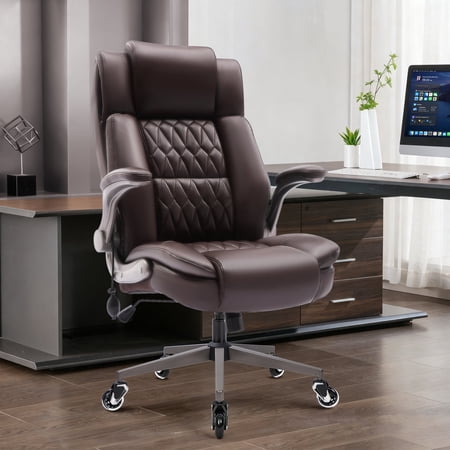
- ✔️ Multi-Dimensional Lumbar Support – Dynamic support that adapts to spinal curves, indirectly relieving tension in the glutes and lower back.
- ✔️ High-Density Memory Foam or Orthopedic Foam – Contours to your body shape, distributing weight evenly rather than concentrating pressure on sit bones.
The Anatomy of Pain: How Seating Affects Your Buttocks
To choose the right chair, understand the biomechanics. The ischial tuberosities (“sit bones”) are designed to bear weight, but when the seat is too firm or shaped incorrectly, pressure transfers to surrounding nerves (sciatic nerve) and the coccyx. A well-designed office chair for buttock pain incorporates a pelvic support system that tilts the pelvis slightly forward, maintaining the natural lumbar curve and reducing shear forces on gluteal muscles. Think of it like sitting on a hammock instead of a wooden plank — weight distribution is everything.
💡 Pro Tip: Test chairs by sitting for at least 10 minutes. Focus on whether you feel any hotspots under your thighs or tailbone. A quality ergonomic chair should feel like it “disappears” under your body, with no sensation of excessive pressure points.
Comparison: Chair Materials and Their Effect on Buttock Pain
The material of the seat influences temperature regulation, durability, and pressure distribution. Here's how different options stack up for pain relief:
| Material Type | Pressure Relief Ability | Breathability | Best For |
|---|---|---|---|
| Orthopedic Memory Foam | Excellent — conforms to anatomy, reduces peak pressure points | Moderate (cooling gel layers available) | Tailbone pain, sciatica, long sitting hours |
| Premium Mesh (Tension-Controlled) | Good — distributes weight, but may need integrated cushion | Superior airflow, prevents heat buildup | Warmer climates, users who prefer firm support |
| High-Density Molded Foam | Fair to good, may require additional coccyx cushion | Low | Budget-friendly with add-on seat cushions |
| Gel-Infused Foam | Very High — combines contouring with cooling | Moderate-high | Users with both pressure sensitivity and heat retention issues |
Beyond the Chair: Complementary Habits for Lasting Relief
Even the best office chair for buttock pain works best when combined with healthy sitting practices:
- Take Active Micro-Breaks: Set a timer to stand, stretch, or walk for 2 minutes every 30–45 minutes. This decompresses the gluteal region and resets posture.
- Use a Sit-Stand Desk: Alternating between sitting and standing reduces cumulative pressure on the buttocks by up to 50%.
- Incorporate Pelvic Tilts: While seated, gently tilt your pelvis forward and backward to encourage blood flow and reduce muscle stiffness.
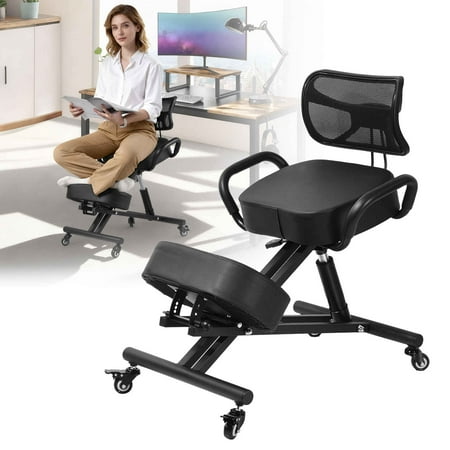
- Supportive Footrest: Keeps feet flat, preventing posterior pelvic tilt that increases pressure on the tailbone.
🪑 Sciatica & Nerve Compression
Choose chairs with waterfall seat edges and adjustable seat depth to prevent hamstring tension. Sciatica often stems from prolonged pressure on the sciatic nerve beneath the glutes.
🦴 Tailbone (Coccyx) Pain
Non-negotiable: Coccyx cutout or relief channel. Memory foam with a central groove redistributes weight away from the tailbone area entirely.
💪 Piriformis Syndrome
Look for chairs with active lumbar support and seat tilt. A forward-tilted seat reduces gluteal muscle tension and stretches the piriformis muscle.
Step-by-Step Selection Guide: Find Your Ideal Pain-Relief Chair
Follow this practical checklist to ensure you invest in a chair that addresses your specific condition:
- Identify Your Primary Discomfort: Is it centered on the tailbone, deep in the glutes, or radiating down the leg? Coccyx pain requires cutouts, while sciatica demands thigh support and hip alignment.
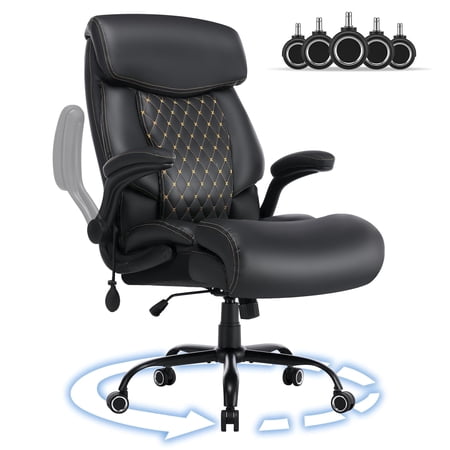
- Measure Your Workspace & Body: Seat width should accommodate your hips comfortably. For big and tall users, look for extended seat pans and higher weight capacities (300 lbs+).
- Prioritize Adjustability: Seat height, depth, armrest width, and tilt tension. The more adjustments, the better you can fine-tune pressure distribution.
- Check Warranty & Return Policy: Because comfort is subjective, choose brands offering at least 30-day trial periods and 5+ year warranties on mechanisms.
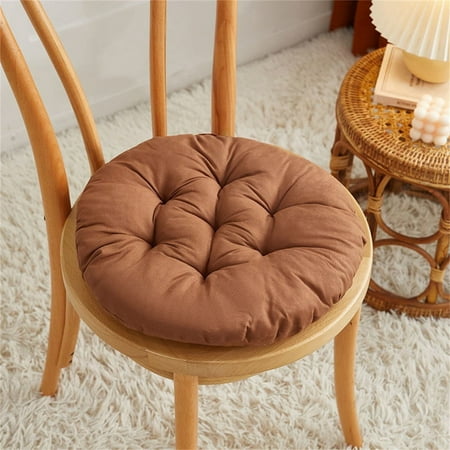
- Test with a Seat Cushion If Needed: Some chairs have removable cushions — you can upgrade to orthopedic pads if the built-in foam is insufficient.
Expert Note: "I always recommend clients look for chairs with independent seat tilt and lumbar adjustment. The ability to shift your pelvic angle while seated dramatically reduces gluteal pressure compared to fixed-posture chairs." — Dr. Alan Reeves, Certified Ergonomic Specialist.