
Why a High-Back Chair is the Cornerstone of Workplace Comfort
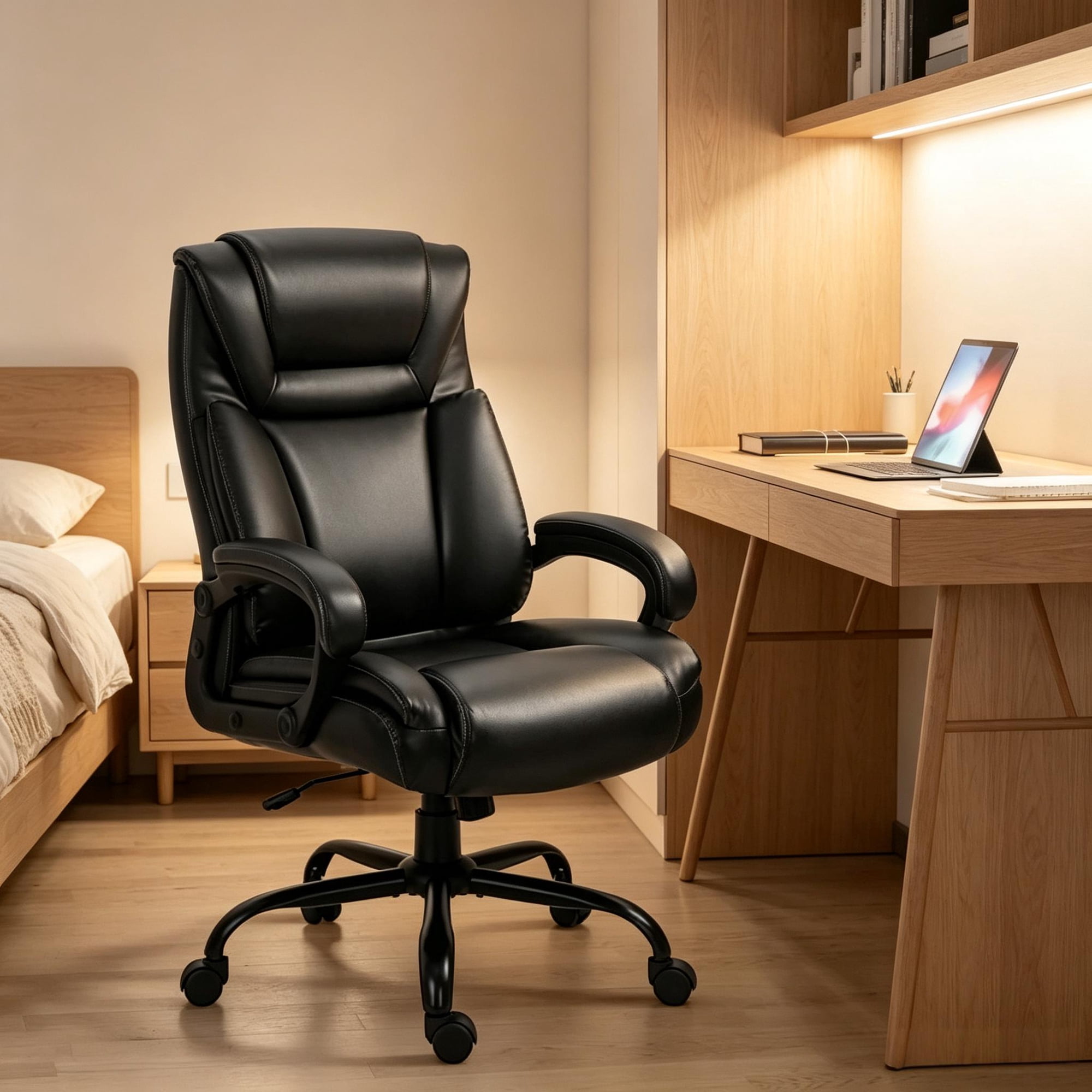
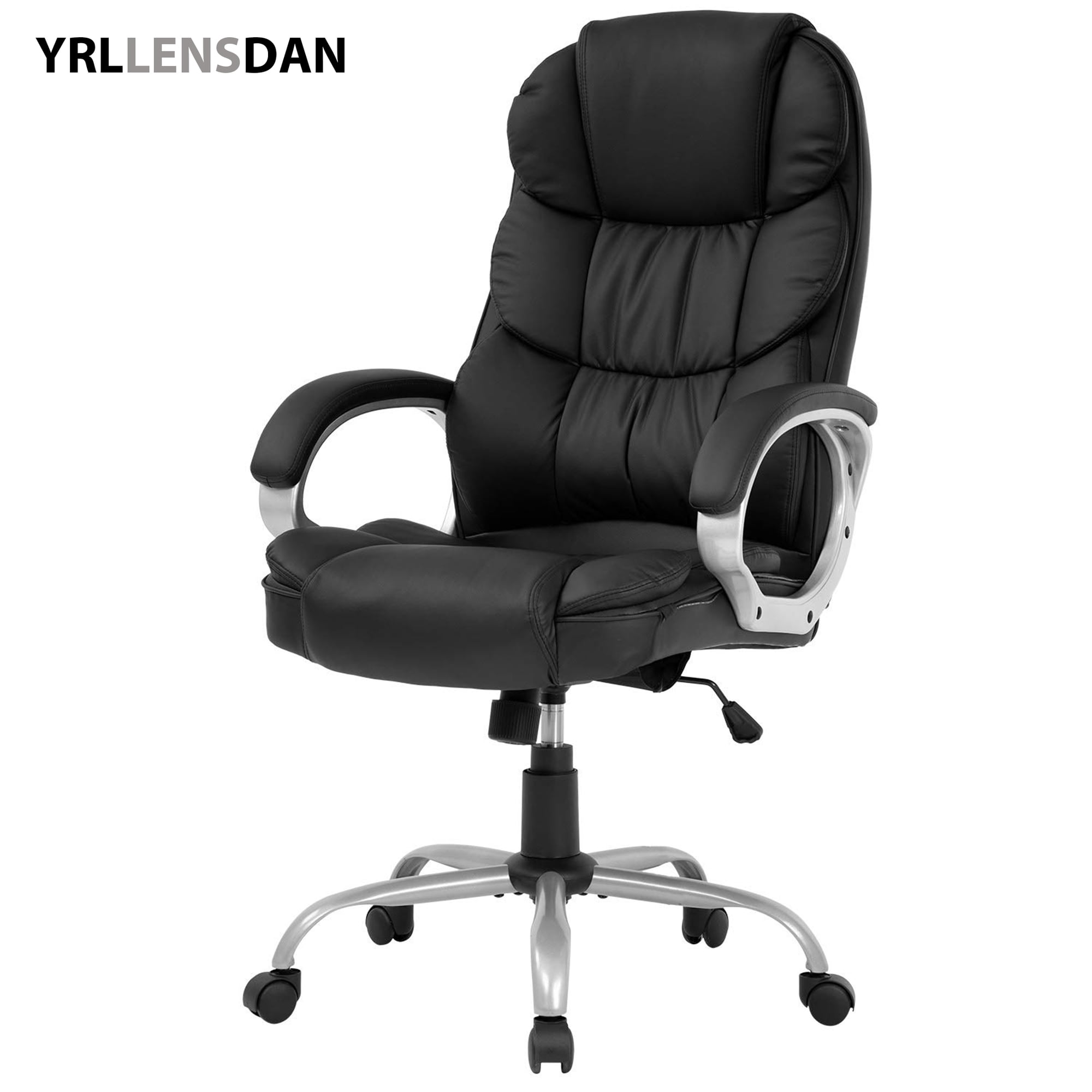
For the modern professional, the quest for the perfect seating solution often ends with one question: Is a comfortable office chair high back truly worth the investment? The answer is a resounding yes. Unlike standard task chairs that offer minimal upper body support, a high-back chair is engineered as a complete support system. It cradles your spine from the sacrum all the way to the cervical spine, promoting a healthy, upright posture that combats the physical toll of sedentary work.
Ergonomic Insight: Research indicates that sitting in a poorly supportive chair can increase spinal disc pressure by up to 90% compared to standing. A high-back chair with dynamic lumbar support actively helps distribute this pressure, reducing fatigue and the risk of chronic musculoskeletal disorders.
The Anatomy of a Truly Comfortable High-Back Chair
Not all high-back chairs are created equal. When searching for your ideal seat, pay close attention to these core components that define true comfort and functionality:
- Contoured Headrest: A 2D or 3D adjustable headrest is non-negotiable. It supports the natural curve of your neck, preventing forward head tilt and reducing strain on your cervical spine during long meetings or deep-focus work.
- Dynamic Lumbar Support: Look beyond a simple padded bump. Advanced systems offer height and depth adjustment, allowing you to customize the fit to your unique lumbar curve. Some high-end models even feature active lumbar support that moves with you.
- High-Resiliency Seat Foam: The seat pan should be made of high-density, cold-cure foam. This type of foam doesn't bottom out over time, ensuring lasting comfort and support for your hips and thighs.
- Multi-Directional Armrests: 4D armrests (adjustable height, width, angle, and depth) allow you to position your elbows and shoulders in a relaxed, neutral position, preventing tension in the upper back and shoulders.
- Synchronous Tilt Mechanism: This allows the seat and backrest to move in a coordinated ratio as you recline, keeping your feet flat and maintaining proper posture even when you lean back to think or take a call.
Material Matters: Finding Your Perfect Match
The material of your high-back chair profoundly impacts your comfort, especially during long workdays. Let's break down the pros and cons of the most popular options.
Premium Mesh
Best For: Hot climates and those who prioritize breathability.
Mesh backs offer unparalleled airflow, preventing sweat and heat buildup. It's also highly responsive, providing firm yet flexible support that adapts to your back's movements. However, it may lack the plush "cushioned" feel of fabric or leather.
Top-Grain Leather
Best For: Executives seeking a traditional, luxurious aesthetic.
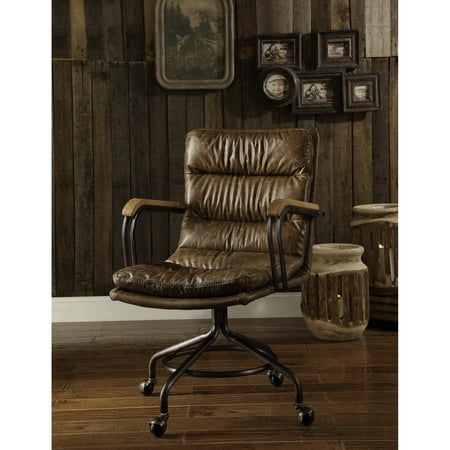
Leather offers a sophisticated look and a comfortable, conforming feel that softens over time. It's durable and easy to clean. The main downside is temperature sensitivity—it can get cold in winter and sticky in summer without climate control.
High-Quality Fabric
Best For: A balance of comfort, style, and value.
Fabric provides a warm, soft, and inviting feel. Modern performance fabrics are durable, stain-resistant, and offer good breathability. It’s a versatile choice that comes in a wide array of colors and textures to match any office decor.
Step-by-Step Guide to Selecting Your Ideal High-Back Chair
Choosing a chair can feel overwhelming. Use this practical guide to filter your options and find the one that fits you perfectly.
1. Measure Your Space and Body
- Desk Height: Ensure the chair's maximum seat height allows your elbows to rest at a 90-degree angle on your desk.
- Personal Dimensions: Note your height and weight. Taller individuals need chairs with taller backrests and higher seat-height ranges.
- Seat Depth: When sitting with your back against the chair, there should be 2-3 fingers of space between the back of your knees and the seat edge.
2. Prioritize Your Must-Have Adjustments
- • Headrest: Essential if you suffer from neck pain or recline frequently.
- • Lumbar Support: A non-negotiable feature. Prioritize chairs with adjustable depth and height.
- • Armrests: 4D armrests provide maximum customization for different tasks (typing, mousing, reading).
3. Test the Tilt and Recline
A comfortable high-back chair should move with you. The tilt mechanism should feel smooth and offer variable tension control. The ability to lock the chair in an upright position is also crucial for focused work.
The Undeniable Health Benefits of Ergonomic High-Back Seating
Investing in a premium comfortable office chair high back is an investment in your long-term well-being. The benefits extend far beyond just "feeling good."
Alleviates Lower Back Pain
Proper lumbar support maintains the spine's natural S-curve, reducing pressure on the discs and preventing slouching.
Reduces Neck and Shoulder Tension
An adjustable headrest supports the weight of your head, easing the burden on your neck and upper trapezius muscles.
Improves Circulation
A waterfall seat edge design prevents pressure on the underside of your thighs, promoting better blood flow to your legs.
Boosts Productivity & Focus
When you're not distracted by discomfort, your cognitive resources are freed up, allowing for deeper concentration and efficiency.