
Why Your Lower Back Demands a Truly Ergonomic Chair
For millions of professionals, the workday ends, but the back pain lingers. The culprit is often a standard office chair that treats the spine as an afterthought. Your lower back, or lumbar region, bears the brunt of prolonged sitting, especially without proper support. A dedicated ergonomic office chair with lower back support isn't a luxury—it's a critical tool for spinal health.
Ergonomic Insight: When you sit unsupported, your lumbar spine can lose its natural inward curve by up to 50%, leading to increased disc pressure and muscle fatigue. The right chair actively maintains this curve, reducing spinal stress by up to 40% and keeping you energized.
The Anatomy of True Lumbar Support
Not all chairs claiming "lumbar support" are created equal. True ergonomic support is active and adjustable. It's a system that works with your body, not against it. Here's what sets a superior chair apart:
- Dynamic Lumbar Mechanism: Unlike static foam pads, a dynamic mechanism moves with you. As you recline or shift, the support stays engaged, preventing gaps that lead to slouching.
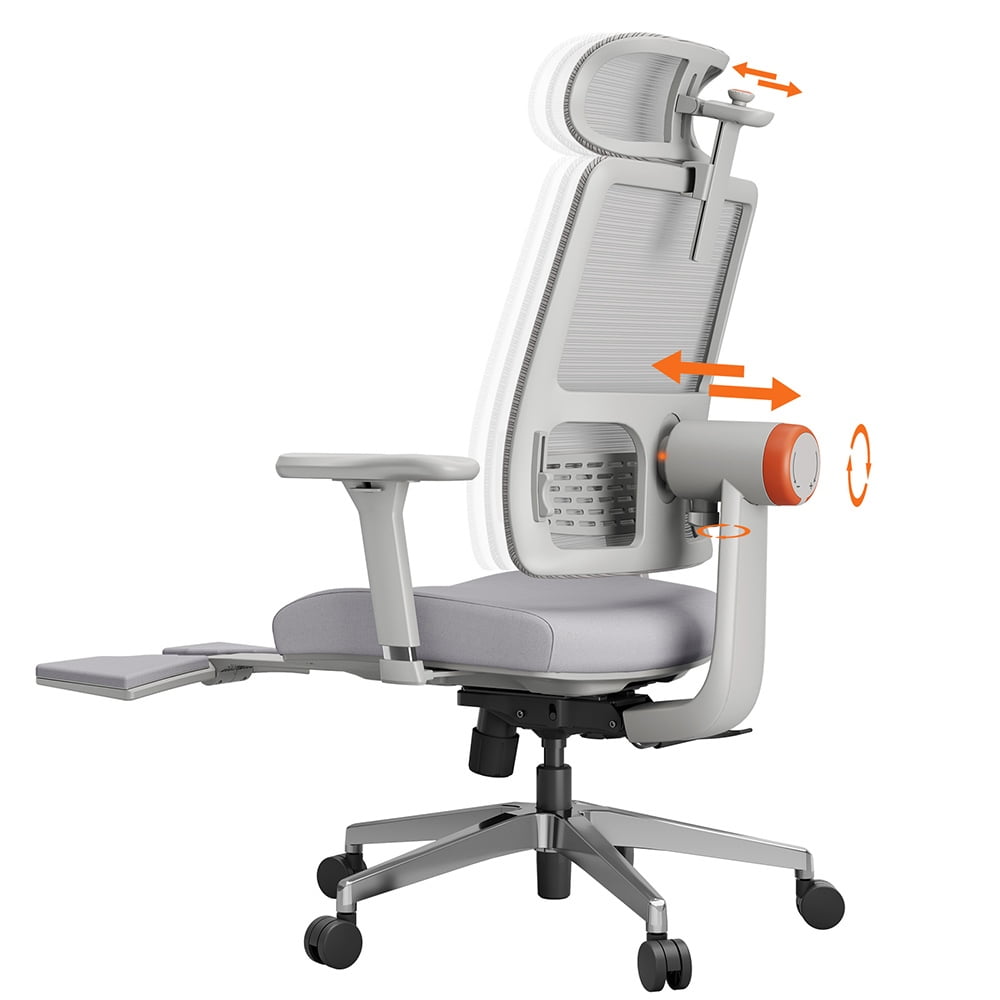
- Height & Depth Adjustability: The lumbar support must be height-adjustable to match your specific spine length, and depth-adjustable to customize the pressure against your back. A perfect fit is non-negotiable.
- Seat Depth Adjustment: Proper lower back support starts with your seat. If the seat is too deep, you'll slouch forward; too shallow, you lose thigh support. Seat depth adjustment ensures your back rests fully against the lumbar support.
- Independent Back Angle & Tilt Tension: A chair that allows you to lock the back angle or adjust the tilt tension helps distribute your weight, taking pressure off your lower back while maintaining a healthy angle for your spine.
Key Features to Target for Lower Back Pain Relief
When evaluating chairs, focus on these specific features to ensure you're investing in genuine relief for your lower back.
| Feature | Impact on Lower Back | What to Look For |
|---|---|---|
| Independent Lumbar Pad | Provides targeted support directly to the lumbar curve | Pad that can be raised/lowered and pushed forward/backward |
| Active Lumbar Mechanism | Maintains contact with spine during movement | Spring-loaded or flexible back frame that follows your motion |
| Seat Depth Adjustment | Ensures proper pelvis positioning, which is key for spinal alignment | Slider under the seat that allows 2-3 inches of adjustment |
| Multi-Function Recline | Allows for a healthy recline that opens the hip angle, reducing lumbar pressure | Independent back angle and seat angle adjustment (knee-tilt mechanism) |
| 4D Armrests | Supports shoulders and upper back, preventing compensatory slouching | Armrests that adjust up/down, forward/back, pivot, and width |
Understanding How Different Chair Materials Affect Back Support
The material of your chair influences how the support is delivered. Here's a quick guide to help you choose based on your preference for lower back comfort.
High-End Breathable Mesh
- Support Type: Adaptive, dynamic
- Best For: All-day comfort, hot climates
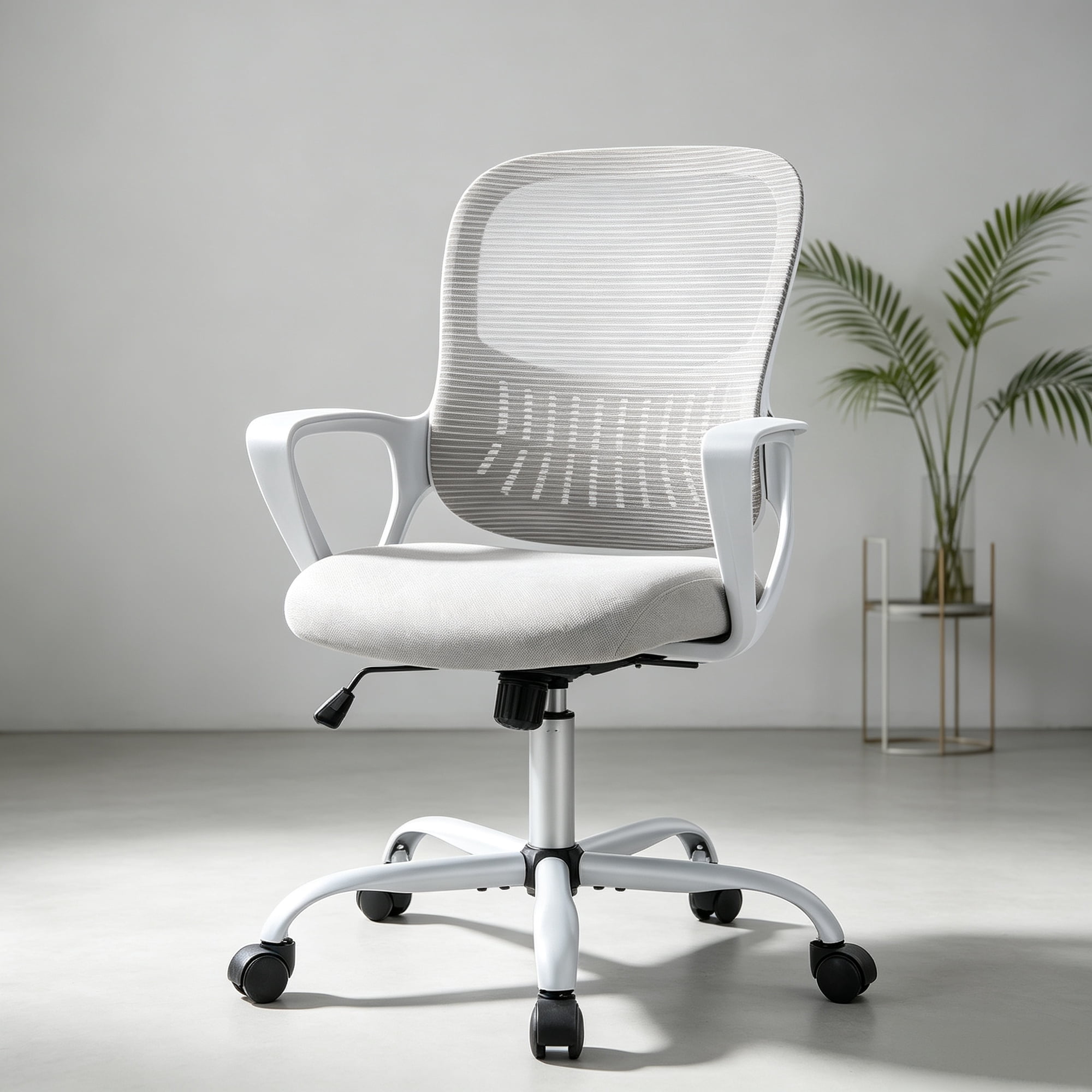
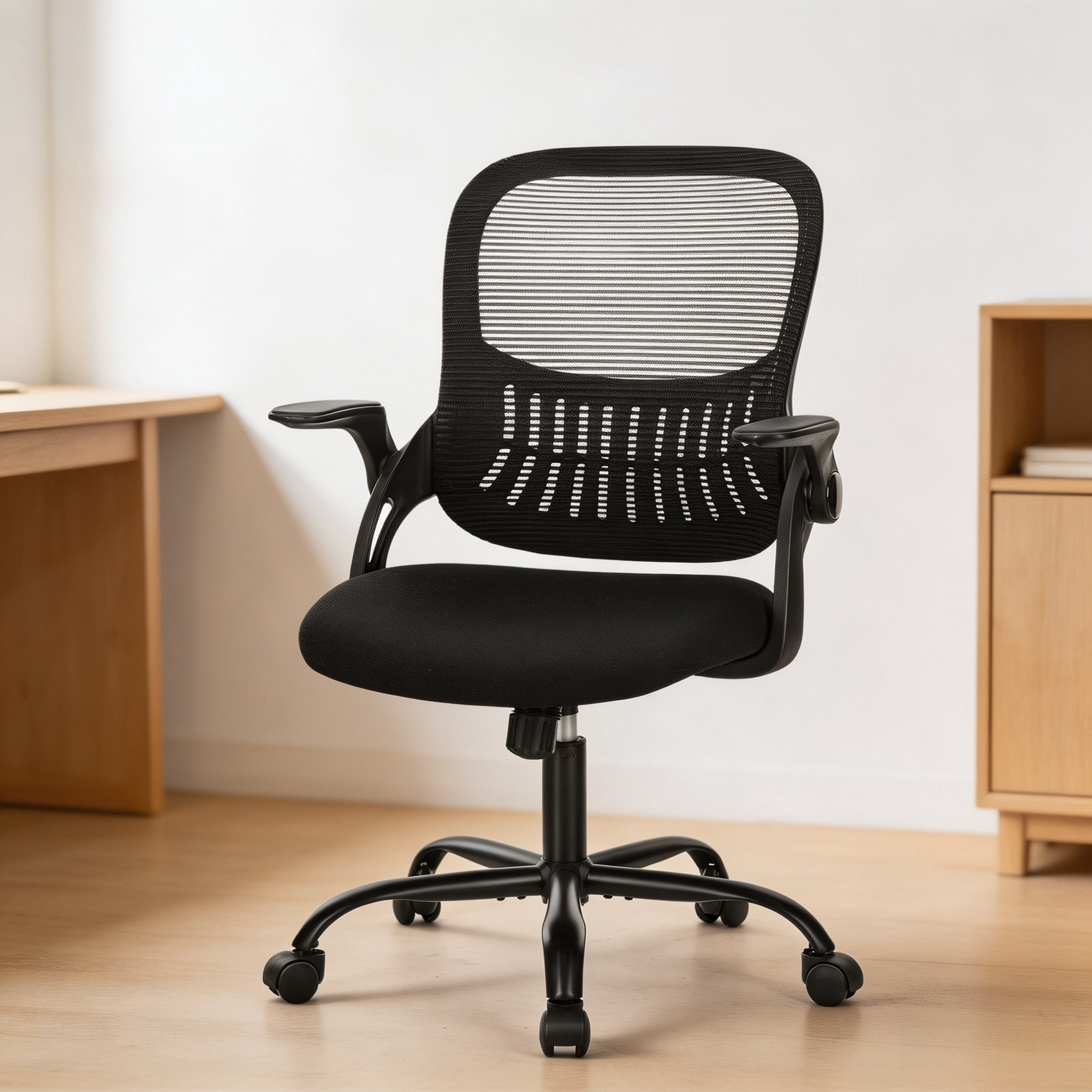
- Lumbar Benefit: Mesh back with integrated lumbar curve contours perfectly to spine; never feels stiff. The "suspension" effect provides gentle, even support.
Premium Leather / Upholstery
- Support Type: Firm, stable
- Best For: A plush feel with strong structure
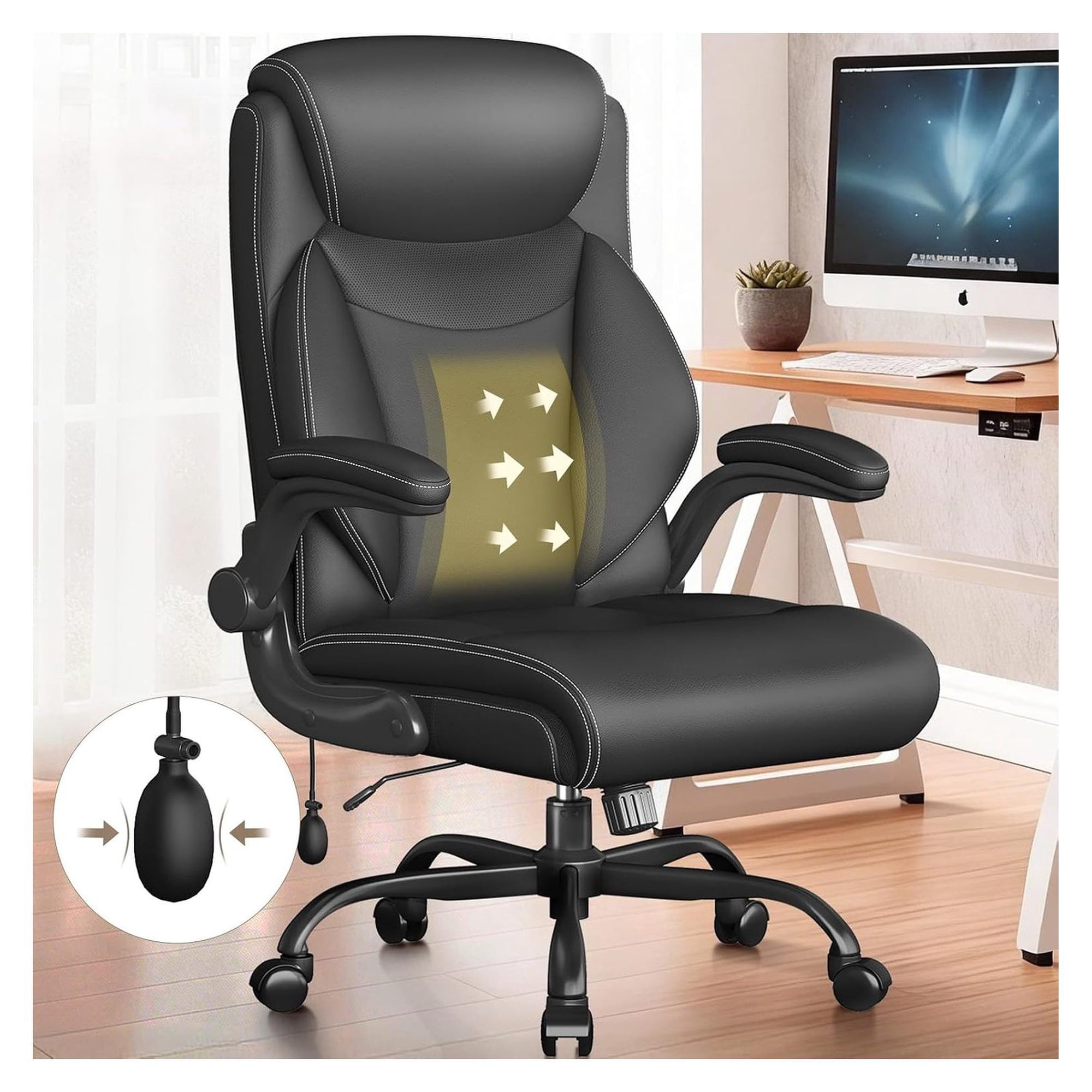
- Lumbar Benefit: High-density foam over a rigid frame provides consistent, firm pressure. Ideal for those who prefer a non-moving, solid support against their back.
Step-by-Step Selection Guide for Your Lower Back
Finding the perfect chair is a journey. Follow this systematic approach to ensure your choice actively helps alleviate and prevent lower back pain.
Step 1: Self-Assessment of Pain Points
- Identify the pain location: Is it a dull ache in the lumbar curve? Or sharp pain at the base of the spine? This helps you understand if you need more direct, firm support or a softer, adaptive one.
- Measure your sitting posture: Have someone take a photo of you sitting in your current chair. Are your shoulders rounded? Is your pelvis tilted backward? This visual will show you what needs correcting.
Step 2: Match Features to Your Work Style
Step 3: Establish a Smart Budget
Essential Relief
Basic ergonomic features, static lumbar support.
Proactive Care
Adjustable lumbar, seat depth, quality materials.
Premium Spine Health
Dynamic lumbar systems, fully adjustable mechanisms, 10+ year warranties.
Step 4: The 20-Minute Test (Simulate Real Work)
Pro Tip: When testing, sit for at least 20 minutes. Engage in your typical tasks—typing, reading, reclining. Pay attention to any pressure points forming in your lower back. The ideal chair will feel supportive, not intrusive, and you should be able to forget you're sitting in it.