
Why Your Choice of Chair for Office Work Matters More Than You Think
Think of your office chair as the foundation of your workday—much like how a solid foundation supports a building. When you spend 8+ hours daily in a chair for office work, every design flaw amplifies over time. A study from the Occupational Safety and Health Administration reveals that proper seating can boost productivity by up to 17.5% while reducing musculoskeletal complaints by 60%.
The Numbers Don't Lie: According to the Bureau of Labor Statistics, poor seating contributes to nearly 30% of work-related musculoskeletal disorders. Conversely, employees with ergonomic chairs report 25% higher job satisfaction and take 62% fewer sick days related to back pain.
Understanding the Anatomy of an Office Work Chair
Before diving into specific models, it's essential to understand what makes a chair truly effective for daily office work. Here are the critical components that separate a good chair from a great one:
🪑 Seat Pan Design
The seat should have a "waterfall edge" that curves downward slightly. This design prevents pressure on the back of your thighs, maintaining healthy blood circulation during long sitting sessions. Look for seat depth adjustment (usually 2-4 inches) to accommodate different leg lengths.
📏 Lumbar Support System
Your lower back has a natural inward curve. A quality chair for office work provides support that maintains this curve. Adjustable lumbar support (both height and depth) is crucial because everyone's spine is unique. Static lumbar pads often miss the mark.
🔄 Backrest Recline Mechanism
Static sitting is dangerous. Your chair should allow movement. Look for synchro-tilt or multi-position recline features that let you lean back while keeping your feet planted. This dynamic sitting reduces spinal pressure by up to 35% compared to rigid postures.
🖐️ Armrest Adjustability
Your arms should rest comfortably with shoulders relaxed. 4D armrests (adjustable height, width, depth, and pivot angle) accommodate various body types and tasks—from typing to reading documents.
The Science of Sitting: How Chair Design Affects Your Body
When you sit in a poorly designed chair for office work, your body compensates in ways that lead to fatigue and pain:
- Spinal Compression: Without proper lumbar support, your spine compresses unevenly, leading to disc pressure that's 40% higher than when standing
- Muscle Fatigue: Your back muscles constantly work to keep you upright, leading to exhaustion by mid-afternoon
- Reduced Circulation: Seat edges that dig into thighs cut blood flow by up to 50%, causing numbness and reduced oxygen to leg muscles
- Shoulder Tension: Armrests at wrong heights force shoulders upward, creating chronic tension headaches
- Eye Strain: Poor posture moves your face closer to screens, increasing eye fatigue by 30%
4 Essential Ergonomic Features for Every Office Work Chair
Based on recommendations from the American Chiropractic Association, here are the non-negotiable features your chair for office work must have:
| Feature | Why It Matters | What to Look For |
|---|---|---|
| Seat Height Adjustment | Ensures feet rest flat on floor, thighs parallel to ground | Pneumatic lift with range 16"–21" from floor |
| Lumbar Support | Maintains natural S-curve of spine, prevents slouching | Height-adjustable (2-4" range) with depth control |
| Seat Depth Adjustment | Accommodates different leg lengths, prevents thigh pressure | Slider mechanism with 2-3" of travel |
| Tilt Tension Control | Adjusts recline resistance to match your weight and preference | Knob or lever with multiple tension settings |
Material Matters: Choosing the Right Upholstery for Your Work Style
The material covering your chair for office work affects comfort, durability, and maintenance. Here's how different materials perform in real-world office environments:
Mesh Backs: The Breathability Champion
Mesh has revolutionized office seating. It allows air to circulate freely, preventing the heat buildup that causes sweating and discomfort. According to thermal comfort studies, mesh seats stay 5-8 degrees cooler than padded alternatives during 4+ hour sessions. Best for: Warm offices, long shifts, anyone who runs warm.
Fabric Upholstery: The Comfort Classic
Quality fabric (like breathable polyester blends) offers good temperature regulation with a softer feel. Modern performance fabrics resist stains and wear better than ever. Best for: General office use, moderate climates, budget-conscious buyers.
Leather and Faux Leather: The Professional Look
Leather conveys professionalism but can be warm and requires maintenance. Bonded leather (common in budget chairs) often peels within 2-3 years. Full-grain leather lasts decades but costs significantly more. Best for: Executive offices, client-facing roles, cooler environments.
🔍 Quick Material Selection Guide
If you sit 8+ hours daily: Prioritize mesh backs with minimal padding on the seat for breathability.
If you share your workspace: Choose easy-to-clean fabrics or leather with antimicrobial treatments.
If you work in a cold office: Fabric or leather with adequate padding provides needed warmth.
If you have allergies: Mesh or leather resist dust mite accumulation better than fabric.
The 5-Step Process to Find Your Ideal Chair for Office Work
Finding the perfect chair doesn't happen by accident. Follow this systematic approach to ensure you select a chair that serves you well for years:
Step 1: Assess Your Body Measurements
Grab a tape measure and note:
- Popliteal height: Floor to back of knee when sitting (determines minimum seat height)
- Hip width: Widest point when sitting (guides seat width selection)
- Torso length: Seat to shoulder (indicates needed backrest height)
- Weight: Ensure chair capacity exceeds your weight by at least 50lbs for safety margin
Step 2: Analyze Your Work Habits
Different work styles need different features:
| Work Style | Key Features Needed | Priority Adjustments |
|---|---|---|
| Intensive Typing (8+ hrs) | Armrests, good lumbar support | 4D armrests, seat depth |
| Meeting Heavy (frequent movement) | Easy rolling, durable casters | Swivel, tilt mechanism |
| Creative/Thinking Work | Recline function, headrest | Tilt lock, recline range |
| Multi-Tasking (phone + computer) | Flexible armrests, good mobility | Armrest adjustability, casters |
Step 3: Match Features to Your Body
Use this quick-reference matrix:
Look for:
• Seat height min 16"
• Shorter seat depth
• Higher backrest adjustment range
Look for:
• Standard adjustments
• Mid-range seat depth
• Most chairs fit well
Look for:
• Extended seat height
• Longer seat depth (20"+),br>• High backrest with headrest
Step 4: Set Your Budget Realistically
Think of your chair as a 5-10 year investment. Here's what different budgets typically deliver:
- $150-$300: Basic ergonomic features, mesh backs, limited adjustments, 2-5 year lifespan
- $300-$600: Good adjustability, better materials, 5-8 year lifespan—the "sweet spot" for most
- $600-$1,000: Advanced ergonomics, premium materials, extensive adjustments, 8-12 year lifespan
- $1,000+: Top-tier engineering, custom options, 12+ year lifespan with warranty
Step 5: Test Before Committing
When you receive your chair, test it thoroughly during the return period:
- Spend 15-20 minutes initially checking all adjustments
- Work for 2-3 hours and note any pressure points
- Try different sitting positions throughout the day
- Adjust and readjust—sometimes the perfect setting takes experimentation
- Listen to your body after a full week of use
Common Mistakes When Buying a Chair for Office Work
Even savvy buyers make these errors. Learn from others' experiences:
- Mistake #1: Prioritizing Looks Over Function — That gorgeous designer chair may lack essential lumbar support. Remember: you'll look at it less than you'll sit in it.
- Mistake #2: Ignoring Weight Capacity — A chair rated for 250lbs used by a 220lb person leaves no safety margin. The mechanism works harder and fails sooner.
- Mistake #3: Assuming "One Size Fits All" — Office chairs are not like t-shirts. Your unique proportions demand specific adjustments that generic chairs may not offer.
- Mistake #4: Skimping on Casters — Cheap casters damage floors, roll poorly, and break. Match casters to your floor type (hardwood vs carpet) for best performance.
- Mistake #5: Forgetting About Your Desk Height — A perfect chair paired with a desk that's too high or low creates new ergonomic problems. Measure both together.
The Health Impact: What Research Says About Office Seating
The connection between your chair for office work and your long-term health is well-documented. Here's what recent studies reveal:
Cornell University Ergonomics Research: Found that proper chair adjustment can reduce spinal disc pressure by 35-40% compared to slouched sitting. This translates to 50% fewer reports of lower back pain among office workers.
Additional findings from occupational health studies:
- Workers with ergonomic chairs report 28% higher concentration levels during afternoon hours
- Proper seating reduces eye strain by 22% by promoting better posture and optimal screen distance
- Companies investing in quality seating see 19% lower turnover rates among desk workers
- Ergonomic interventions (including chairs) provide $3 for every $1 invested through reduced injury claims and increased productivity
Chair for Office Work vs. Gaming Chairs: What's the Difference?
Many people wonder if gaming chairs work well for office tasks. Here's an honest comparison:
✅ Office Task Chairs
- Designed for neutral posture maintenance
- Prioritize breathability (mesh backs)
- Subtle designs fit professional environments
- Adjustments target work-specific positions
- Better long-term ergonomics for typing
🎮 Gaming Chairs
- Bucket seat design limits movement
- Racing-style padded buckets retain heat
- Bold colors stand out in offices
- Built for reclined gaming postures
- Often lack proper lumbar support
Verdict: While you can use a gaming chair for office work, dedicated office task chairs typically provide better ergonomics for typing and focused work. Gaming chairs excel for their intended use—reclined gaming sessions—but aren't optimized for upright office tasks.
Frequently Asked Questions About Chairs for Office Work
Conclusion: Your Path to Comfortable, Productive Workdays
Selecting the right chair for office work is one of the most important investments you'll make in your professional life. Beyond the immediate comfort, a quality ergonomic chair protects your long-term health, enhances your focus, and supports your productivity day after day.
Remember these key takeaways as you shop:
- Prioritize adjustability — lumbar support, seat depth, and armrests should all be customizable to YOUR body
- Match materials to your environment — mesh for warmth, fabric for comfort, leather for professional settings
- Consider your work style — intensive typing, frequent meetings, and creative work all need different features
- Invest appropriately — a $300-$600 chair today prevents thousands in medical costs tomorrow
- Test thoroughly — use return periods to ensure your choice truly works for you
Final Thought
Think of your chair for office work as a partner in your daily success. When it supports you properly, you barely notice it. When it fails, you feel it in every aspect of your work. Take the time to choose wisely—your back, your focus, and your career will thank you for years to come.
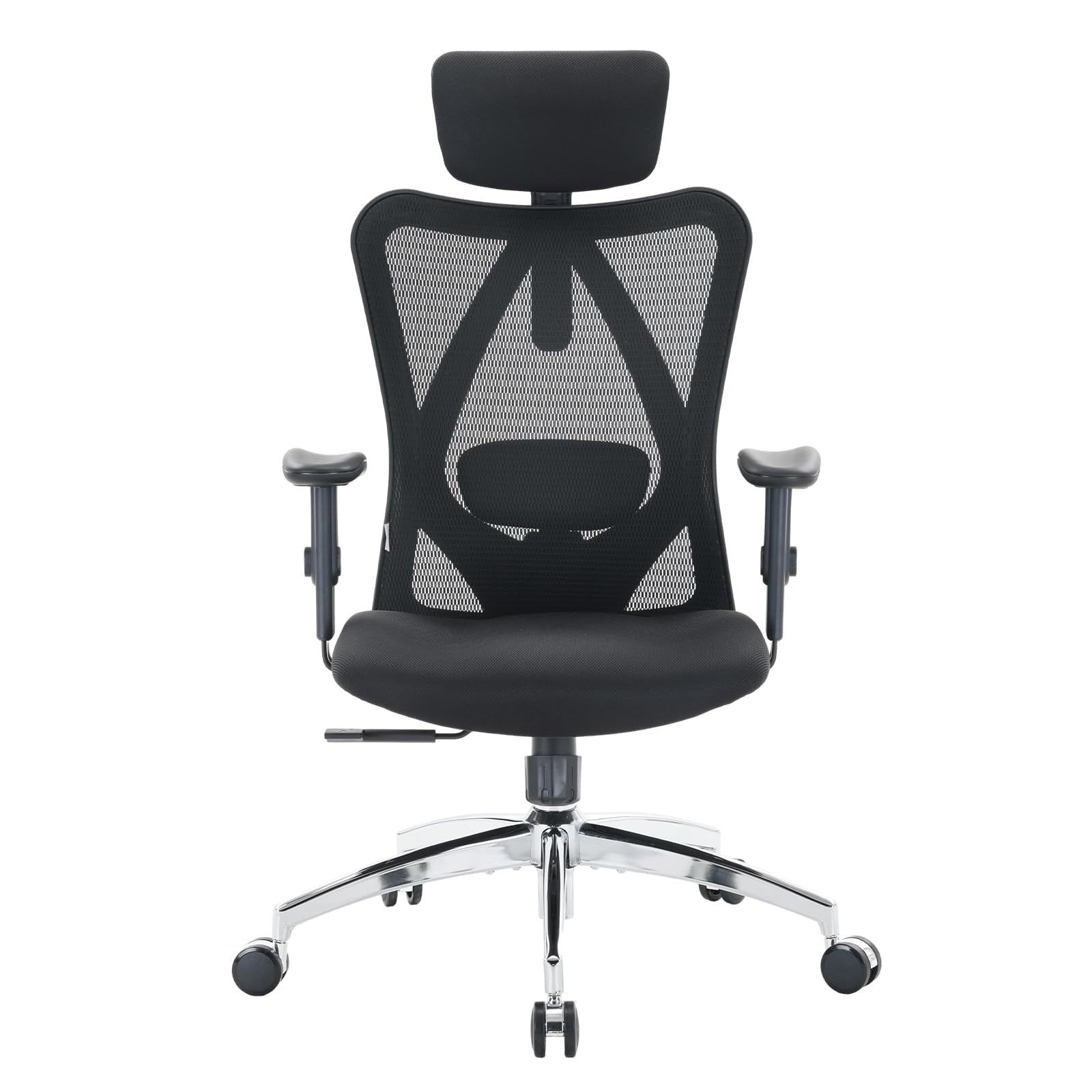
Ready to find your perfect match? Explore the curated selection above, each chosen for quality, ergonomics, and value. Your ideal workday starts with the right foundation.