
Your Guide to the Perfect Work Office Chair
Think of your work office chair as the engine of your workspace. Just as a car needs a reliable engine to run smoothly, your body needs a reliable chair to perform at its best for 8+ hours a day. A subpar chair isn't just an inconvenience; it's a productivity killer and a potential health hazard.
In today's world, where the lines between office and home are blurred, having a dedicated and supportive work office chair is non-negotiable. It's the single most important piece of furniture for anyone who works at a desk. This guide will walk you through everything you need to know, from essential features to matching a chair to your specific work style, ensuring your next purchase is an investment in your well-being and professional success.
Decoding the "Work Office Chair": More Than Just a Place to Sit
The term "work office chair" encompasses a wide range of seating, but the best ones share a common goal: to support the worker, not just the worker's weight. They are tools for focus and endurance. Let's break down what separates a great chair from a mediocre one.
The Anatomy of an Ergonomic Work Chair
Understanding the key components will help you make an informed choice. A truly ergonomic work chair is a symphony of adjustable parts working in harmony.
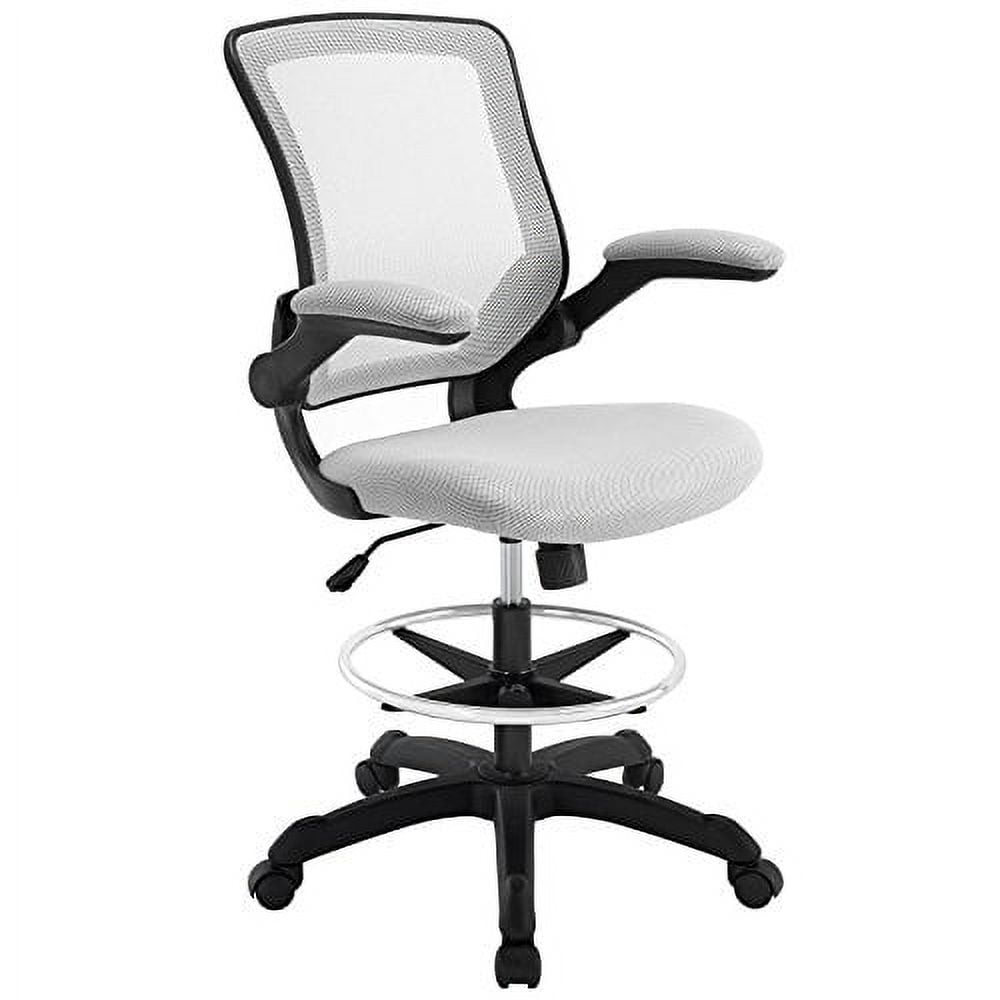
- Adjustable Lumbar Support: This is the cornerstone of back health. It fills the gap between your lower back and the chair, maintaining the spine's natural inward curve. Look for supports that adjust both in height and depth.
- Seat Depth and Tilt: You should be able to sit with your back against the lumbar support and have 2-4 fingers of space between the back of your knee and the seat edge. This "waterfall edge" design promotes healthy circulation.
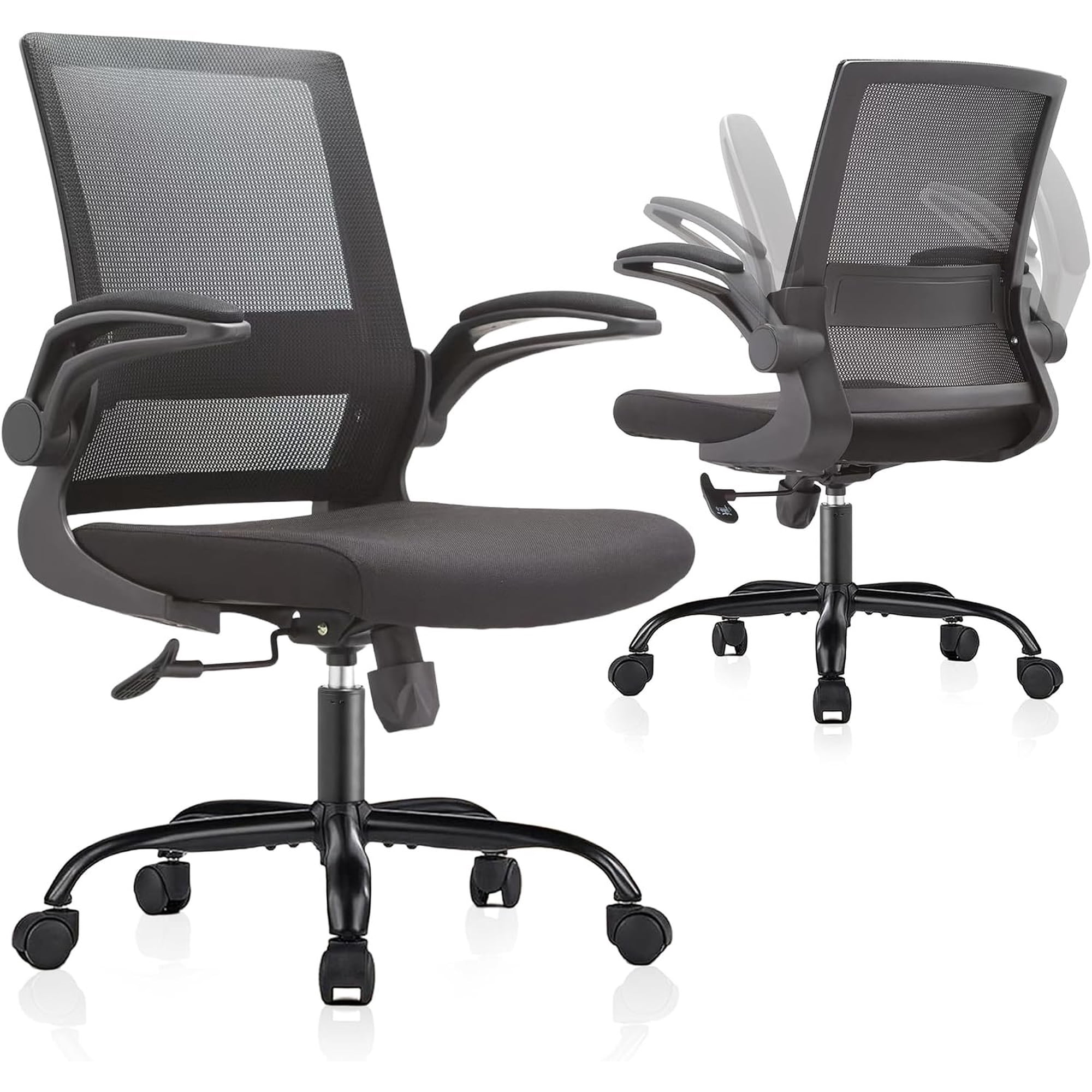
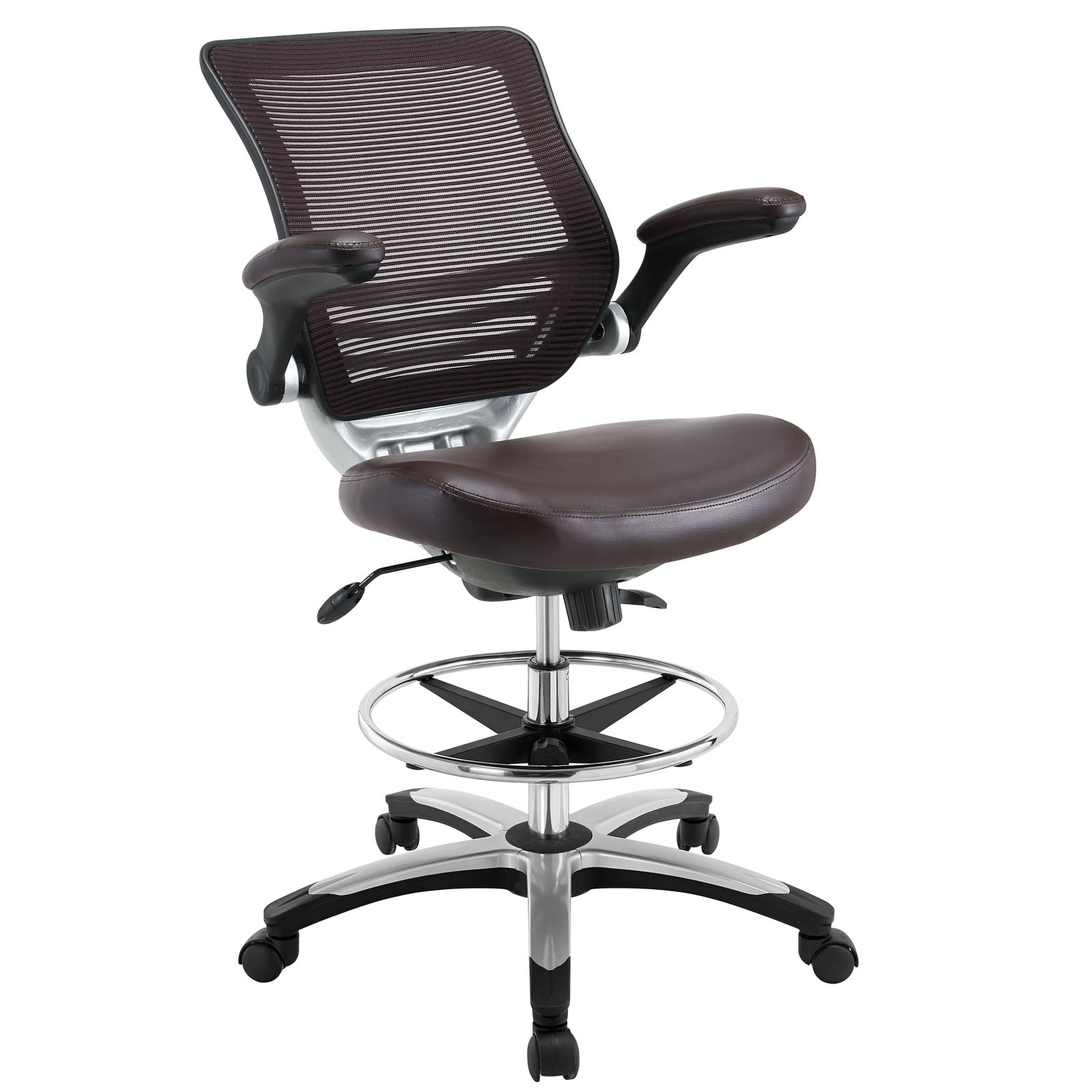
- 4D or 3D Armrests: Your arms should rest comfortably with your shoulders relaxed. Adjustable armrests (height, width, depth, and pivot) allow you to achieve this perfect position, preventing neck and shoulder strain.
- Headrest (Optional but Recommended): A headrest is crucial for supporting your neck during micro-breaks or when reclining. It's not always necessary for intense typing sessions but is a huge boon for overall comfort.
- Tilt Mechanism and Tension Control: A synchro-tilt mechanism allows the seat and backrest to move in a natural ratio (often 2:1 or 3:1) as you recline. Tension control lets you adjust how much force is needed to recline, accommodating your weight and preference.
Material Matters: Matching Your Work Environment
The material of your work office chair affects not just its look but its comfort and longevity.
Breathable Mesh
Best for: Long hours, warm climates, and those who tend to get hot. Mesh backrests allow air to circulate, keeping you cool and dry. It often provides a more modern, sleek aesthetic.
The Trade-off: While high-quality mesh is very durable, it can sometimes offer less cushioning than padded alternatives.
Supportive Fabric/Leather
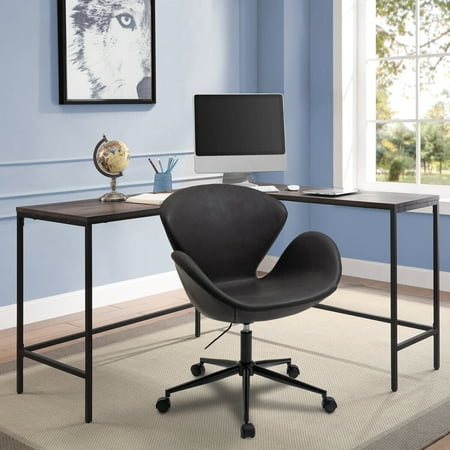
Best for: A classic office look, cooler environments, and those who prefer a plusher feel. Leather (or high-quality faux leather) is easy to wipe clean and exudes professionalism.
The Trade-off: Can be less breathable than mesh. Faux leather in particular may be prone to peeling over time if not of high quality.
A 4-Step Framework for Choosing Your Ideal Work Chair
Instead of getting lost in features, use this simple framework to narrow down your choices.
- Assess Your Work Style:
- The Focused Mover: You're deep in work but shift positions often. You need a chair with excellent tilt mechanisms and responsive adjustments. Look for a "forward tilt" feature.
- The Multi-Tasker: You're on calls, typing, and reading. You need versatile chairs with highly adjustable armrests (4D) and a comfortable headrest for relaxing between tasks.
- The Analyst: You spend hours leaning forward, pouring over data. Prioritize chairs with excellent lumbar support and seat depth adjustment to keep you properly positioned.
- Measure Your Space: Before you fall in love with a chair, measure your desk height and the space under your desk. Ensure the chair's height range is compatible and that the base won't hit your desk legs.
- Set a Realistic Budget: A good work office chair is a long-term investment in your health.
Essential
$150 - $350
Basic ergonomics, good for part-time use.Professional
$400 - $800
Sweet spot for full-time work with key ergonomic features.Premium
$900+
Top-tier materials, advanced mechanisms, and long-term durability. - Read Between the Lines of Reviews: Don't just look at star ratings. Search reviews for terms like "long hours," "lower back support," "seat comfort," and "durability" to get a realistic picture of long-term ownership.
Why a Dedicated Work Chair is a Game-Changer for Home Offices
With the rise of remote and hybrid work, the kitchen table chair just doesn't cut it anymore. A 2023 survey by the American Chiropractic Association found that 68% of remote workers who used a non-ergonomic chair reported new or worsening back pain. A proper work office chair is not an expense; it's a dividend-paying investment. It pays you back in increased energy at the end of the day, fewer sick days due to aches, and a physical boundary that helps mentally separate "work" from "home." It signals to your brain that when you sit in this chair, it's time to focus.
Frequently Asked Questions About Work Office Chairs
Final Thoughts: Sit Well to Work Well
Choosing the right work office chair is a personal journey. There is no single "best" chair, only the best chair for *you*, your body, and your work style. By focusing on adjustability, understanding materials, and honestly assessing how you work, you can find a seat that doesn't just hold you up, but actively supports you throughout your day.
Remember, your chair is a tool for your most valuable asset: your health and productivity. Invest the time to choose wisely, and your back—and your focus—will thank you for years to come. Browse our curated selection above to start your journey toward a better workday.