

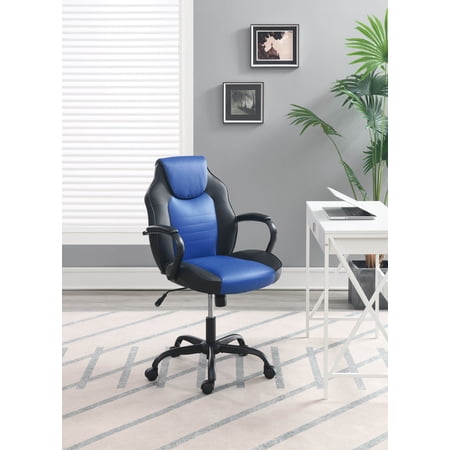
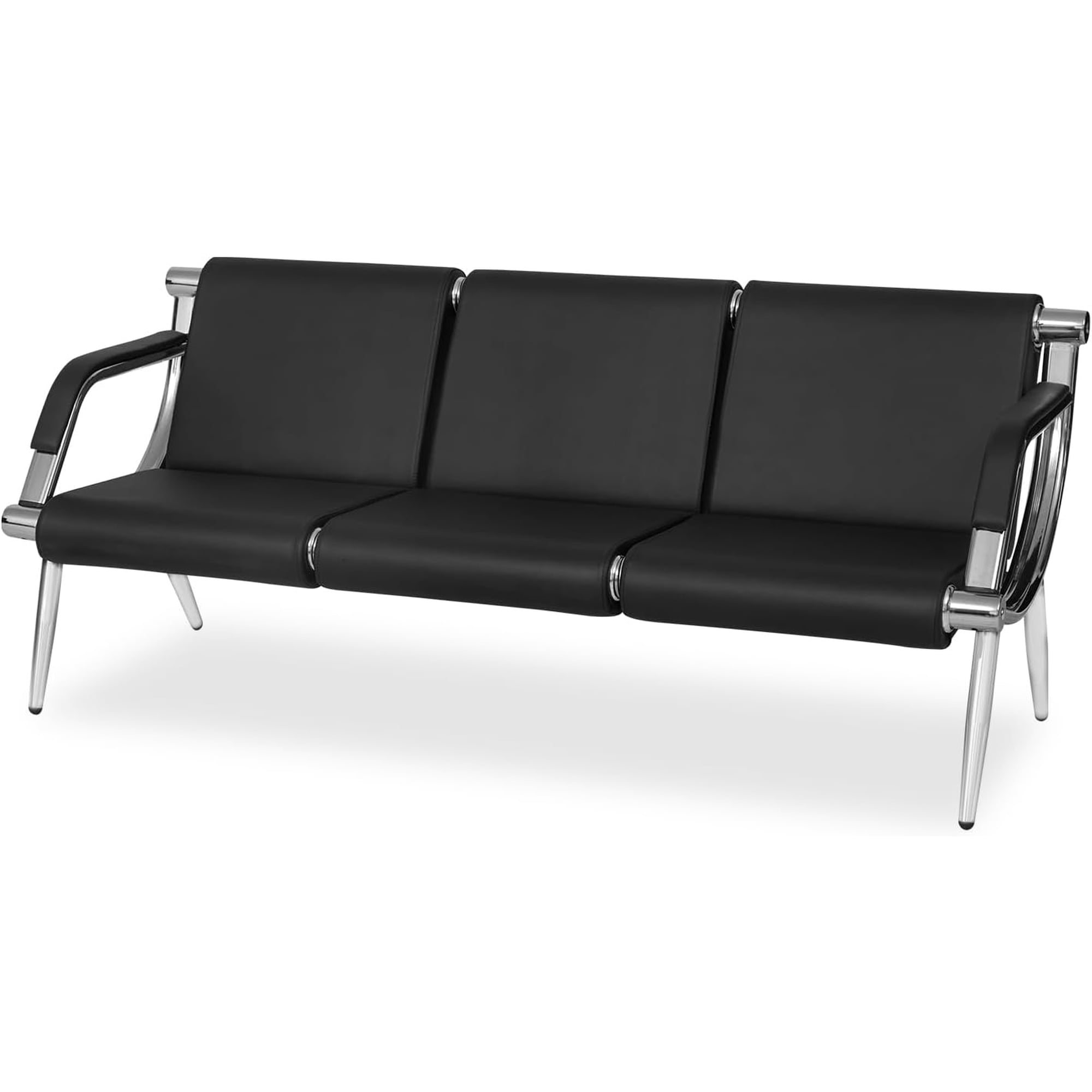
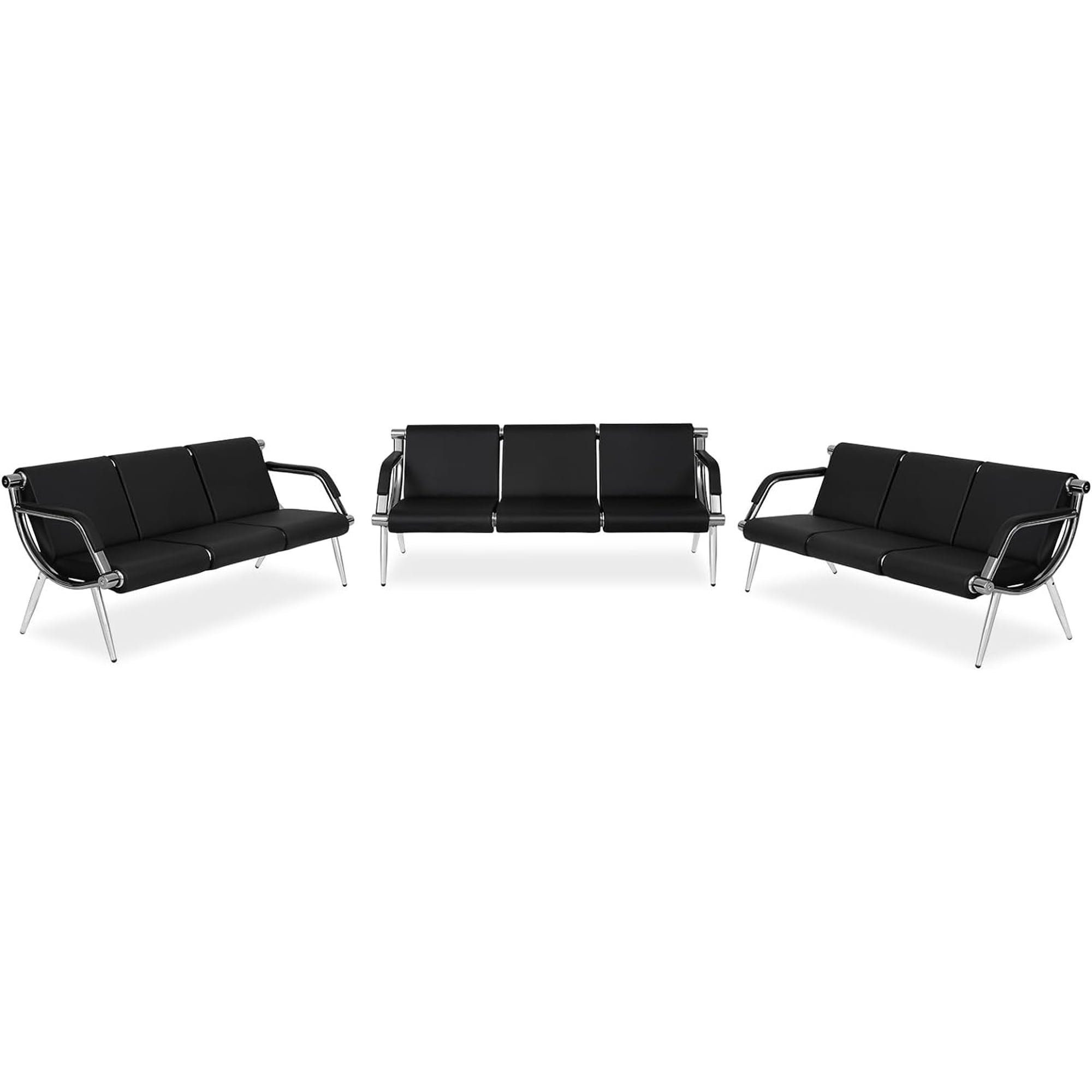
Beyond the Chair: Building a Foundation for Business Success
Imagine an office where energy dips are less frequent, where focus is sharper, and where employees feel genuinely valued. It might sound like a management dream, but the foundation for this productive reality is simpler than you think: the humble business office chair. Just as a reliable server is the backbone of your IT infrastructure, a quality chair is the bedrock of your team's daily performance. It's not just a place to sit; it's a tool for work.
The difference between a task chair that lasts five years and one that falters after twelve months often comes down to its intended use. Business environments are high-traffic zones. Chairs endure constant adjustment, long sitting hours, and the wear and tear of a dynamic workplace. Choosing the right seating means looking beyond the price tag and understanding the engineering and ergonomics that support human bodies for 2,000+ hours a year. This guide will walk you through what truly matters when selecting commercial-grade seating, ensuring your investment pays dividends in employee well-being and operational efficiency.
The Three Pillars of a Superior Business Office Chair
To cut through the marketing noise, focus on three core pillars when evaluating chairs for your business: Ergonomics, Durability, and Professional Aesthetics. A chair that excels in all three areas is a long-term asset.
1. Ergonomics: The Science of Comfort and Health
Ergonomics isn't just a buzzword; it's the measurable science of fitting a workspace to the user. For business chairs, this translates to a range of adjustments that accommodate different body types. Think of a chair like a adjustable wrench—it needs to adapt to the task at hand.
- Adjustable Lumbar Support: This is non-negotiable. The lower back has a natural inward curve that needs support to prevent slouching. Look for chairs with lumbar that adjusts both in height and depth.
- Seat Depth Adjustment: A seat pan that's too long will press against the back of your knees, cutting off circulation. A seat that's too short won't support your thighs. A sliding seat mechanism allows users to find their perfect "goldilocks" zone.
- Synchronized Tilt Mechanism: This advanced feature allows the seat and backrest to move in a coordinated, natural ratio (often 3:1 or 2:1) as you recline. This keeps you supported in any position, reducing spinal pressure.
- 4D Armrests: The best armrests adjust in height, width, depth, and even pivot. This allows users to keep their elbows at a 90-degree angle with relaxed shoulders, preventing neck and shoulder strain.
2. Durability: Built for the Long Haul
A business office chair is a piece of commercial furniture. It should be tested to withstand years of use. According to industry standards like BIFMA (Business and Institutional Furniture Manufacturers Association), a quality chair must pass rigorous stability and fatigue tests.
- Gas Lift Mechanism: This is the heart of the chair's height adjustment. Look for chairs that use Class 3 or Class 4 gas lifts. Class 4 is the most durable and suitable for heavy use, often tested for up to 50,000 cycles.
- Base and Casters: A five-point base made of polished aluminum or reinforced nylon is standard. For casters, consider the floor type. Hard-floor casters (often with a soft polyurethane coating) protect wood or tile, while carpet casters (hard plastic) roll easily on carpeted floors.
- Fabric and Foam: High-quality mesh should be taut and resilient. For fabric chairs, look for a high "double rub" count (30,000+ is good for heavy-duty office use). The foam seat cushion should be high-density, often with a memory foam topper, to resist flattening over time.
3. Professional Aesthetics: The Silent Communicator
The design of your office furniture speaks volumes to clients and employees. It's a physical manifestation of your company's culture and values.
- Clean Lines and Modern Design: A sleek, minimalist chair with a mesh back and a subtle frame conveys a forward-thinking, tech-savvy culture.
- Traditional Upholstery: A classic fabric or leather chair with neat stitching and a polished base communicates stability, tradition, and attention to detail.
- Color Psychology: Black and gray remain the standard for a reason—they're professional, don't show wear easily, and fit any decor. However, incorporating a few chairs in a brand's accent color can add personality and visual interest to an open-plan office.
Material Matters: Mesh vs. Fabric in a Business Context
The choice between mesh and fabric is a strategic one. It's not about which is "better," but which is better for your specific work environment. Consider these factors as you would when choosing the flooring for your office—it's a practical decision with long-term implications.
Mesh Backs: The Breathable Choice
Best for Warm climates, high-energy tasks, and shared workspaces.
- Advantage: Unmatched airflow prevents heat buildup, keeping users cool and dry even during intense work sessions.
- Advantage: The flexible material contours to the back, providing dynamic lumbar support that moves with the user.
- Consideration: While durable, mesh can eventually lose tension over many years. It also requires occasional dusting to keep it looking clean.
Fabric Seats and Backs: The Durable and Customizable Choice
Best for Reception areas, private offices, and environments where color/design matters.
- Advantage: High-quality commercial fabric (like wool blends or performance polyester) is incredibly durable and stain-resistant. It offers a warmer, softer feel.
- Advantage: Unmatched variety in color and texture allows you to perfectly match your office's interior design.
- Consideration: Fabric is not as breathable as mesh. Look for "open-back" designs or chairs with mesh back panels if breathability is a concern.
Pro Tip for Facility Managers
Consider the "shared chair" scenario. In hot-desking environments, a chair with a breathable mesh back and an easy-to-clean fabric or synthetic leather seat is often the most practical choice. It accommodates different users comfortably and can be quickly wiped down between shifts.
A 4-Step Guide to Choosing the Right Business Chair
Making a bulk purchasing decision can feel overwhelming. Simplify the process with this systematic approach. Think of it like hiring a new employee—you need to define the role, assess the candidates, and make an informed decision.
Step 1: Define the User Profile
Who will use the chair most? Call center agents need advanced ergonomics for 8+ hours. Managers might need a more substantial, leather-upholstered chair. Reception staff need a chair that looks great and is comfortable for intermittent sitting. Categorize your employees into user groups.
Step 2: Set a Realistic Budget
$150 - $300: Entry-level task chairs, suitable for guest areas or short-duration use. $300 - $600: The sweet spot for most full-time employees. These chairs offer excellent ergonomics and durable construction. $600+: Premium, 24/7 rated chairs with advanced mechanisms and top-tier materials for critical roles.
Step 3: Test Before You Invest
Order samples or visit a showroom. Have employees from different user groups (tall, short, etc.) test the shortlisted chairs for 30 minutes each. Gather feedback on comfort, ease of adjustment, and pressure points. Data from actual users is invaluable.
Step 4: Evaluate the Warranty & Support
A strong warranty is a sign of manufacturer confidence. Look for at least a 5-year warranty on all parts and mechanisms for standard use. For 24/7 environments, a 10-year or limited lifetime warranty is ideal. Check the process for claiming parts—can you order them easily?
Frequently Asked Questions About Business Office Chairs
Conclusion: Seating as a Strategic Investment
Selecting business office chairs should never be an afterthought. It is a strategic decision that directly impacts your company's most valuable asset—its people. A comfortable, supportive, and well-built chair is a daily signal to your team that their well-being matters. It's a tool that reduces fatigue, enhances focus, and contributes to a professional and productive atmosphere. By focusing on ergonomics, durability, and aesthetics, and by following a structured selection process, you can furnish your workplace with seating that performs for years to come. Remember, the right chair doesn't just support a person; it supports your entire business operation.