
The Spirit of the West in Your Office
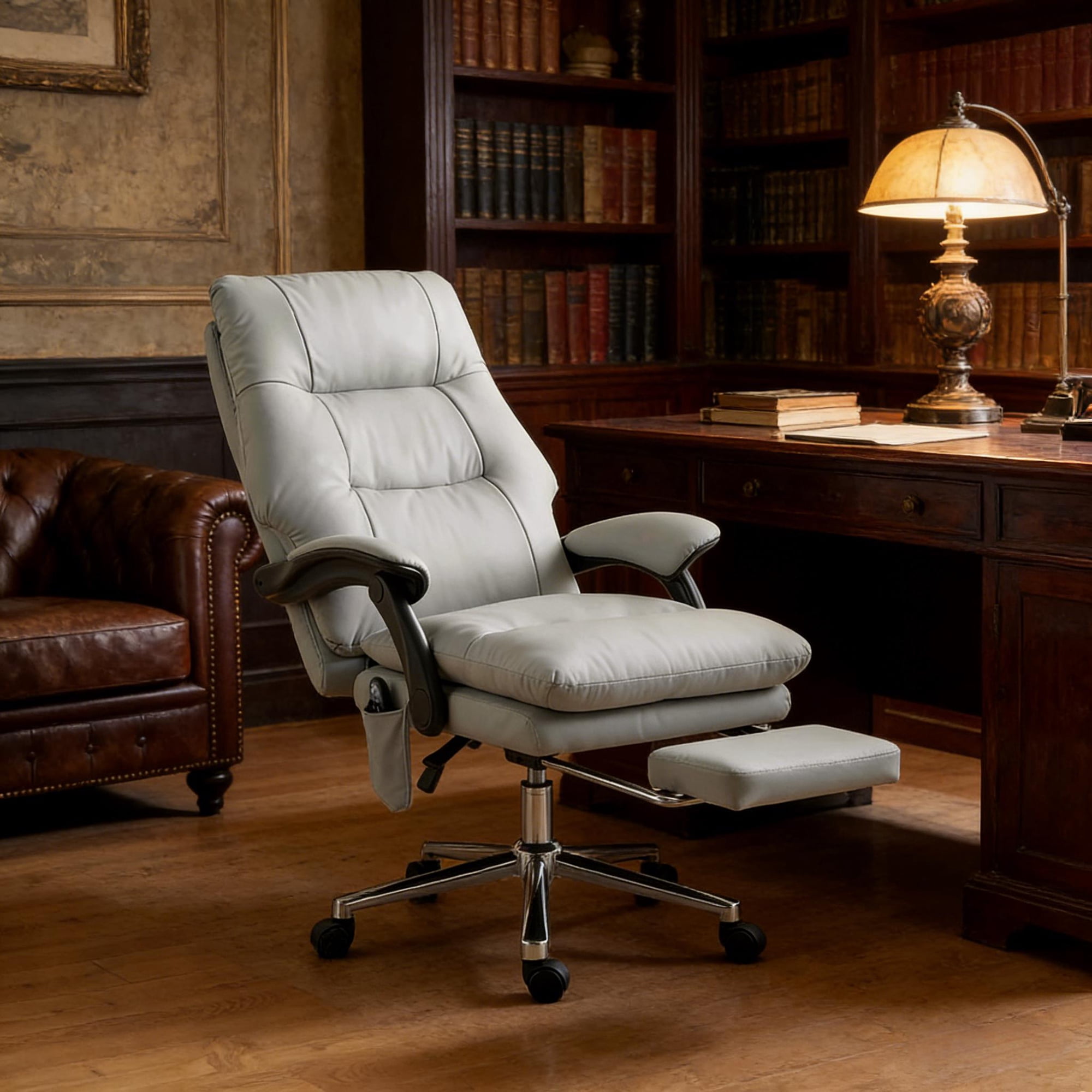
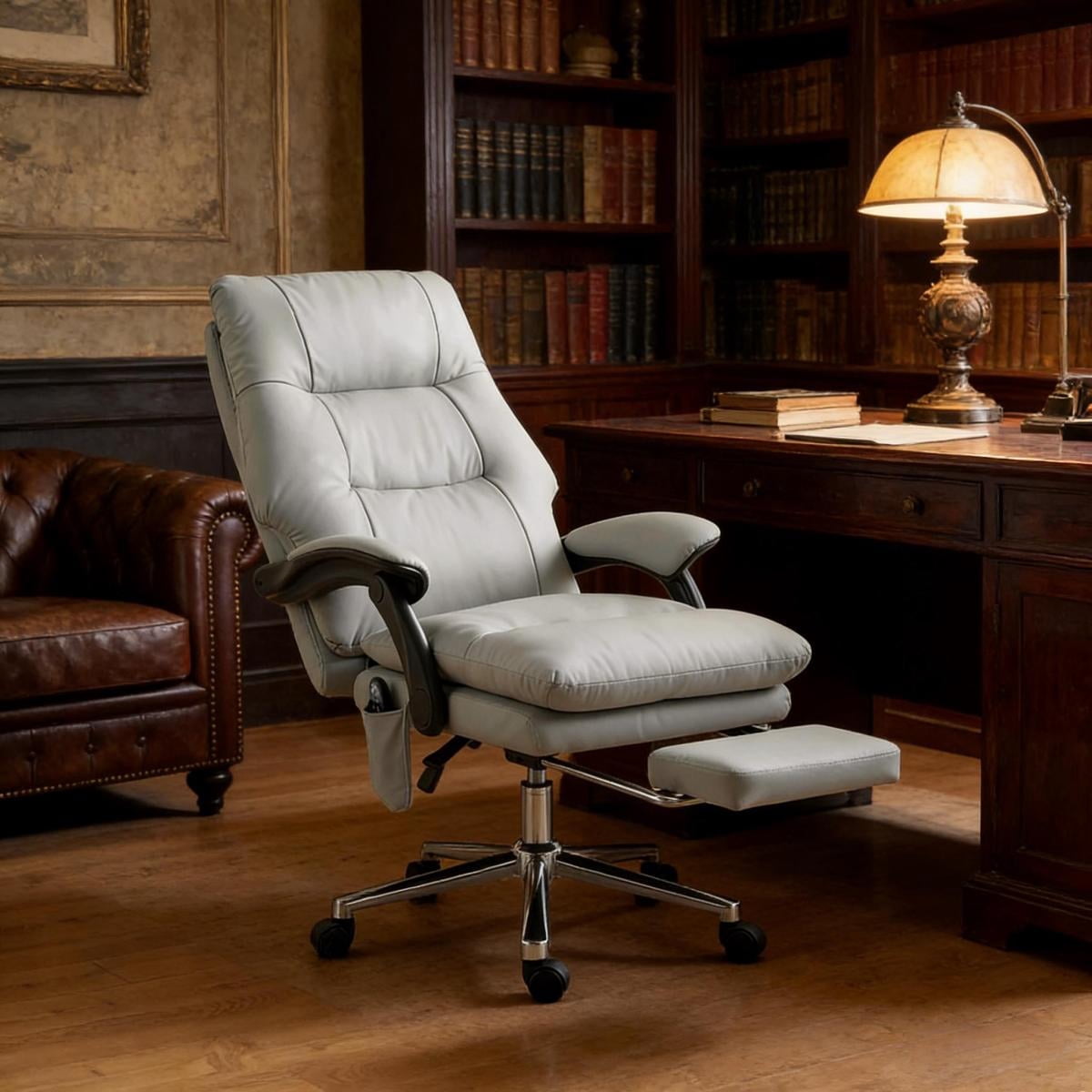
A western office chair is more than just a place to sit—it's a statement. It conjures images of leather saddles, rugged ranch houses, and the boundless frontier. But beyond its striking appearance, today's western-inspired seating combines time-honored craftsmanship with modern ergonomic needs. Whether you're a rancher managing livestock, a designer in a rustic studio, or simply someone who loves the warm, authentic look of distressed leather and wood, a western chair can transform your workspace into a place of character and comfort.
Design Note: Unlike generic office chairs, western styles often feature saddle seats (contoured like a horse saddle) which can encourage a more active sitting posture, reducing slouching. Paired with premium leather, they age beautifully—just like a well-worn cowboy boot.
Anatomy of a Western Office Chair: Key Features
To choose the perfect rustic chair, you need to understand its unique anatomy. Here are the core elements that define a genuine western office chair.
1. Saddle-Style Seat vs. Cushioned Seat
Western chairs generally fall into two categories: authentic saddle seats (often made of molded leather or wood with thin padding) and generously cushioned seats with western upholstery.
- Genuine saddle seat: Shaped like an equestrian saddle, it promotes a slight opening of the hips, aligning the spine naturally. It takes time to get used to but rewards with excellent posture. Ideal for people who move frequently while working.
- Padded western seat: Plush leather or fabric with western stitching (like diamond tufting or floral tooling). Offers immediate comfort for long, stationary hours. Often includes memory foam or high-density foam.
2. Materials: Leather, Wood & Metal
The triad of authentic western chairs:
Leather types you'll find:
- Full-grain distressed: Shows natural markings, develops patina, most durable.
- Pull-up leather: Lightens when stretched, gives vintage look.
- Suede or rough-out: Softer, more casual western vibe.
- Bonded leather: Avoid if possible; less durable for daily use.
Frame & accents:
- Solid oak, walnut or reclaimed wood: armrests, base or back frame.
- Wrought iron or cast metal: often used for arm shapes or wheel bases.
- Nailhead trim: classic western/native detailing.
- Leather or rawhide lacing: on high-end custom pieces.
3. Ergonomic Considerations (Rustic doesn't mean primitive)
Modern western chairs are engineered for the 9-to-5 (or longer) grind. Look for these features so you don't sacrifice health for style:
- Adjustable height pneumatic lift: essential for aligning with your desk.
- Tilt mechanism with tension control: allows you to recline slightly, reducing back pressure.
- Lumbar support: some western chairs have built-in lumbar curves or add-on leather cushions.
- Swivel base and durable casters: smooth rolling on carpet or hardwood (often with soft rubber wheels to protect floors).
Improved Posture
Saddle seats tilt pelvis forward, mimicking standing position. Reduces lower back strain.
Natural Materials
Leather and wood are breathable and durable; they age with character.
Unique Aesthetic
No two distressed leather chairs look exactly alike. Your office becomes memorable.
Conversation Starter
A western chair instantly draws attention and reflects personal style.
4. Western Styles: From Ranch to Refined
The western category is diverse. Here’s a quick breakdown of popular sub-styles:
- Ranch Boss: High-back, thick leather, wide wooden arms, often with carved details. Commands authority.
- Saddle Seat Executive: Mid-back, genuine saddle on swivel base, minimal padding—for the purist.
- Mission & Craftsman: Cleaner lines with oak frame and leather, influenced by prairie style.
- Southwest/Tooled Leather: Intricate stamped patterns (floral, geometric) on leather, vibrant colors.
- Rustic Industrial: Combination of distressed leather with iron pipe accents or hairpin legs.
5. Comfort Comparison: Western vs. Traditional Executive Chair
| Feature | Typical Western Chair | Standard Executive Chair |
|---|---|---|
| Seat shape | Saddle-contoured or deeply cushioned | Flat or lightly contoured cushion |
| Back support | Often ergonomic with lumbar curve; some high backs | Adjustable lumbar is common |
| Materials | Leather, wood, metal accents | Leather, mesh, plastic, fabric |
| Aesthetic | Rustic, warm, individual | Professional, uniform, modern |
| Durability | Very high if solid wood/quality leather | Varies widely |
6. Tips for Buying a Western Office Chair
Keep these practical pointers in mind when you shop:
- Measure your desk height: Saddle seats can be slightly higher; ensure the adjustable range works for you.
- Test the leather: If possible, feel the hide. It should be thick and smell like leather (not chemicals).
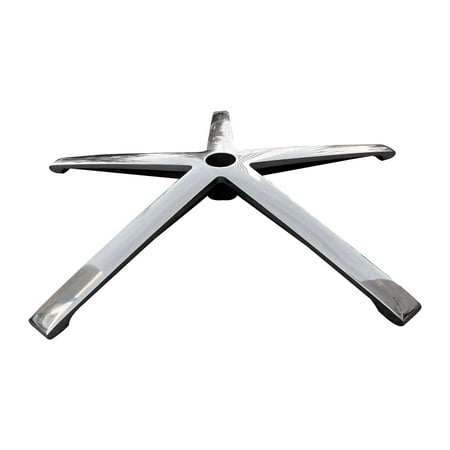
- Check the base stability: A five-star metal or solid wood base is safest. Avoid plastic bases on heavy rustic chairs.
- Look for replaceable parts: Quality chairs offer replacement gas lifts or casters.
- Read the weight capacity: Wooden arm supports may have lower limits; verify for your needs.
According to interior design surveys, over 60% of home office owners seek furniture with character rather than mass‑produced pieces. A western chair fits that desire perfectly, offering heirloom quality and a connection to craftsmanship.
Frequently Asked Questions: Western Office Chairs
Final Thoughts: Saddle Up for Style and Comfort
Choosing a western office chair is about embracing a timeless aesthetic without compromising on the support your body needs. Whether you opt for a rugged saddle seat that keeps your spine aligned or a plush leather high-back with nailhead trim, you're investing in a piece that tells a story. It’s furniture with soul—something mass‑produced task chairs rarely offer.
Browse our curated selection above, read the specifics, and imagine how that rich leather and warm wood will look in your workspace. Your office should reflect who you are. If you're a little bit country, a western chair is your perfect match.