

Why Choose a Metal Office Chair? Built Like a Tank, Designed for Work
Imagine a chair that doesn't wobble after a year, survives the daily grind of a warehouse office, and still looks sharp in a minimalist loft. That's the promise of a metal office chair. While wood or plastic frames can crack or weaken, steel and aluminum provide a foundation that often outlasts the upholstery. According to industry data, metal-framed seating accounts for over 35% of commercial office furniture sales because of its longevity and sustainability. Whether you manage a busy graphic design studio or need seating for a home workshop, metal chairs offer a unique blend of ruggedness and style.
Industrial Insight: A study by the BIFMA (Business and Institutional Furniture Manufacturers Association) shows that metal-frame office chairs have an average lifespan of 12–15 years in 8-hour shift environments – nearly double that of plastic-base chairs.
The Anatomy of a Quality Metal Office Chair
Not all metal chairs are created equal. The secret lies in the gauge of steel, the type of coating, and how the frame connects to the seat. Here are the core components that define excellence:
- Frame construction: Look for 14- to 16-gauge steel tubing for heavy-duty applications. Thicker gauge means less flex and higher weight capacity.
- Finish: Powder-coated finishes (epoxy or polyester) resist chips, scratches, and corrosion far better than simple paint. Chrome plating offers a shiny, classic look but requires occasional polishing.
- Seat attachment: Vibration-damping mounts or rubber grommets between metal and seat reduce noise and provide a slight cushioning effect.
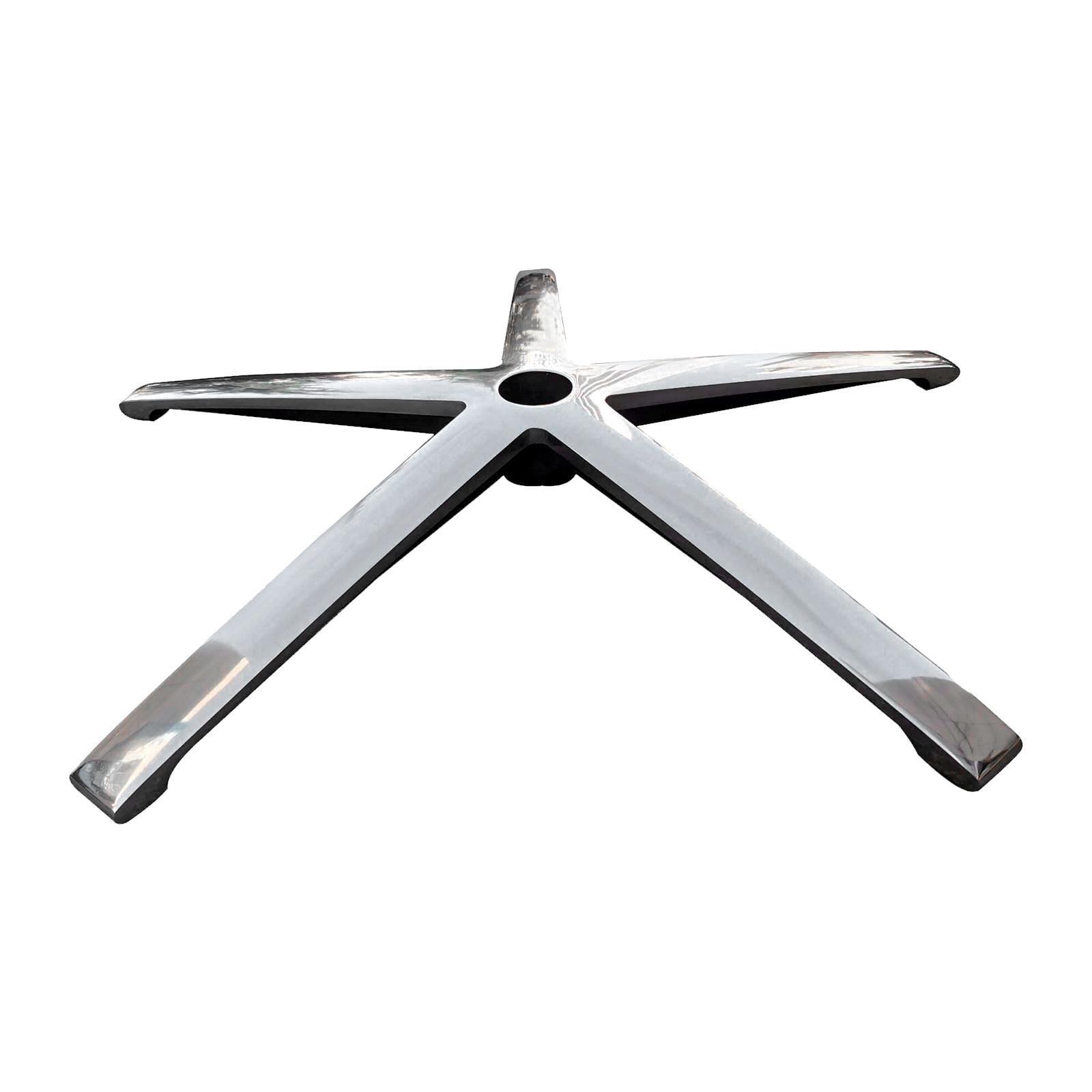
- Base type: Metal five-star bases are standard. For rolling, opt for dual-wheel casters with soft treads for hard floors or hard treads for carpet.
Metal Office Chair vs. Wood or Plastic: Quick Comparison
| Feature | Metal Frame | Wood Frame | Plastic/Composite |
|---|---|---|---|
| Durability | Excellent (10-20 years) | Good (5-10 years, can crack) | Fair (3-7 years, may become brittle) |
| Weight Capacity | 300-500+ lbs | 250-350 lbs | 200-300 lbs |
| Style | Industrial, modern, vintage | Traditional, executive | Versatile, colorful |
| Eco-Footprint | Highly recyclable | Sustainable if certified | Often petroleum-based |
| Price Range | $150 – $800 | $300 – $1500 | $50 – $400 |
Types of Metal Office Chairs for Different Environments
Just like a toolbox contains different wrenches, the world of metal seating offers specialized chairs for specific tasks. Choosing the right type saves money and ensures ergonomic fit.
1. Industrial Workshop Chairs
These often feature perforated metal seats or heavy-duty vinyl, with adjustable height and sometimes a footring. They resist grease, dirt, and impacts. Many have no upholstery to avoid absorbing spills. Ideal for factories, garages, or laboratories.
2. Mesh Back Metal Frame Chairs
A popular hybrid: breathable mesh back with a polished or powder-coated steel frame. They provide ergonomic support for 8-hour desk work while maintaining an airy, modern look. Often include lumbar adjustment and syncro-tilt mechanisms.
3. Vintage / Industrial Style Chairs
Inspired by early 20th-century factory seating, these chairs combine a metal frame with a wooden seat or aged leather. They are favorites for startup offices, breweries, and home bars. Comfort may be secondary to aesthetics, so add a cushion if needed.
4. Heavy-Duty Commercial Stack Chairs
For conference rooms, cafeterias, or training rooms, stackable metal chairs with padded seats are a space-saving solution. Frames are often made of 18-gauge steel, and they can be linked together.
Ergonomics and Metal: Comfort is Not Sacrificed
There's a myth that metal chairs are cold and hard. Modern engineering has dispelled that. High-end metal office chairs incorporate suspension mesh, molded foam over steel pans, and even active tilt mechanisms that move with your body. For example, the popular "Steelcase Series 1" uses a metal frame with live lumbar support. Always look for these ergonomic features:
- • Pneumatic seat height adjustment (standard range 16"-21")
- • 3D or 4D adjustable armrests (metal-reinforced arms)
- • Seat depth slider to accommodate leg length
- • Tilt tension control and lockable positions
Finishes and Aesthetics: From Raw Steel to Sleek Chrome
The visual appeal of a metal office chair largely depends on its finish. Here's how to match finish to your decor:
Maintenance Tips for Metal Office Chairs
Keeping your metal chair in top shape is straightforward:
- Dust the frame weekly with a microfiber cloth to prevent abrasive buildup.
- For stubborn grime, use mild soapy water and a soft sponge – avoid ammonia-based cleaners on powder coating.
- Inspect casters every six months; remove hair and debris wrapped around the stem.
- Tighten any bolts or screws (some metal frames develop slight loosening over time).
- If scratches appear on painted metal, touch-up spray paint (matching the finish) can restore appearance.
Weight Capacity and Stability – The Metal Advantage
One of the most compelling reasons to choose a metal office chair is the superior weight capacity. While a plastic-base chair might max out at 275 lbs, a steel frame chair can comfortably support 400 lbs or more. For bariatric users or simply for extra peace of mind, a metal chair with a wide seat and reinforced gas lift is a smart investment. Always check the ANSI/BIFMA certification – it ensures the chair has passed stability and durability tests.
Step-by-Step Guide to Selecting Your Ideal Metal Office Chair
Step 1: Define the Primary Use
Will this chair be used 8 hours a day at a desk, or intermittently in a waiting area? Continuous use demands more ergonomic features and better padding. For occasional use (like a guest chair), you can prioritize style and stackability.
Step 2: Measure Your Space and Body
Metal chairs often have a narrower profile. Check seat width (typically 18"-22"). If you're tall, look for a higher back (22" or more) and adjustable lumbar. For petite users, a chair with a smaller frame and shorter seat depth prevents pressure behind the knees.
Step 3: Choose the Right Casters for Your Floor
Hardwood/tile? Pick soft rubber casters (often marked "H" for hard floors). Carpet? Use hard plastic casters (marked "C") for easy rolling. Many metal chairs now include hybrid casters suitable for both.
Step 4: Test the Adjustment Mechanism
If buying in-store, try the pneumatic lever – it should operate smoothly. For mesh backs, check if the lumbar support is fixed or adjustable. A metal chair with poor adjustments will lead to discomfort.
Step 5: Consider Long-Term Value
A well-built metal office chair might cost more upfront but can outlast three cheap chairs. Look for warranties: minimum 5 years on frame and mechanism, 2 years on upholstery.
Eco-Friendly Choice: Recyclability and Reduced Waste
Steel is the most recycled material on the planet. When a metal office chair reaches end of life, the frame can be melted down and repurposed into new products – unlike many plastics that end up in landfills. According to the Steel Recycling Institute, the overall recycling rate for steel is around 88%. By choosing a chair with a high percentage of recycled steel, you reduce your carbon footprint.