
Introduction: The Allure of the Rustic Office Chair
In the modern world of sleek, minimalist, and often impersonal office furniture, there's a growing desire to bring warmth, character, and a touch of the past into our workspaces. This is where the rustic office chair truly shines. It's more than just a place to sit; it's a statement piece that reflects a love for craftsmanship, natural materials, and timeless design. Whether your home office leans towards a cozy farmhouse aesthetic, an industrial loft vibe, or simply seeks an escape from the monotony of plastic and mesh, a rustic chair can transform your work-from-home experience.
But choosing a rustic office chair isn't just about looks. It's about finding that perfect balance between vintage charm and modern ergonomic needs. After all, you'll likely be spending hours in it. This comprehensive guide will walk you through everything you need to know, from the different styles available—like farmhouse, industrial, and primitive—to the key features that ensure comfort and durability. Let's embark on a journey to find a chair that not only looks good but also supports you through your workday.
Exploring the World of Rustic Office Chairs: Styles & Materials
The term "rustic" encompasses a wide range of aesthetics. Understanding these nuances will help you pinpoint the perfect chair for your space.
1. Key Rustic Styles for Your Office
• Farmhouse Rustic
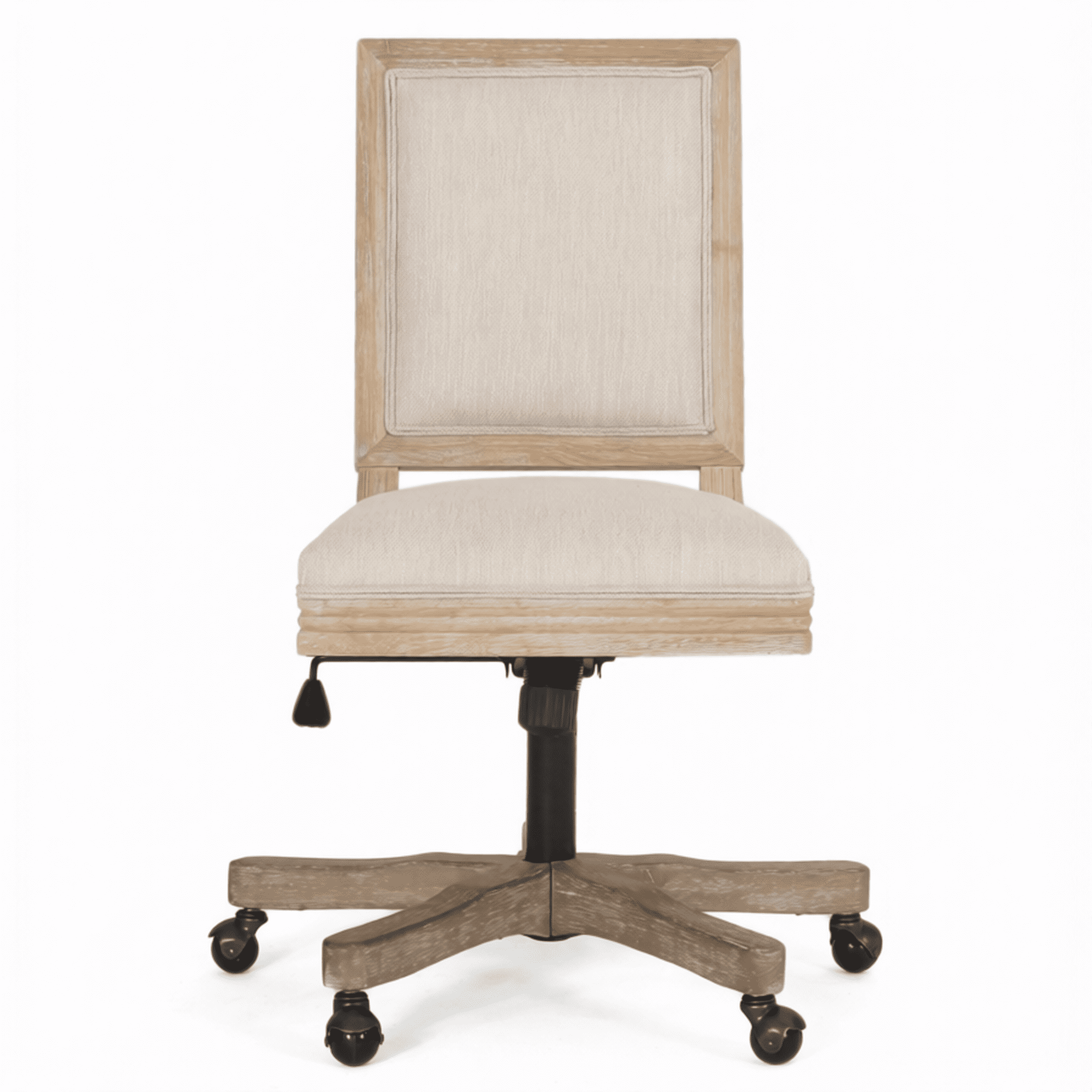
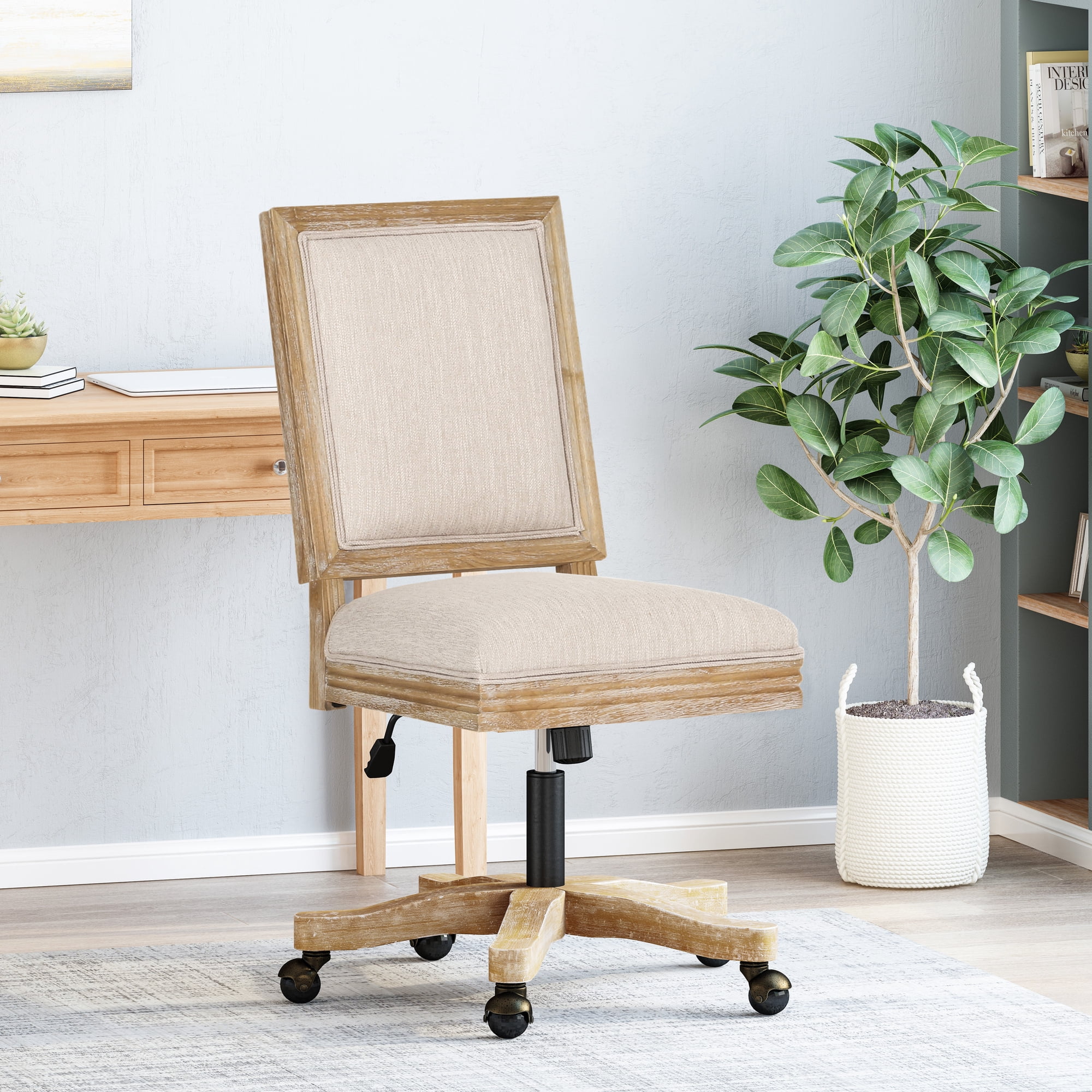
This style is all about warmth and homeliness. Think of chairs with painted or naturally finished wood, often with a distressed look. Upholstery is commonly in light, breathable fabrics like linen or cotton, or soft, worn-in leather. Features might include slat backs, spindle details, or a charming, apron-front design. It's perfect for creating a cozy, inviting workspace.
• Industrial Rustic
Born from converted factories and lofts, this style combines raw materials. You'll see a mix of solid wood (often reclaimed) and black or gunmetal metal accents. The design is more utilitarian, with exposed bolts, sturdy frames, and a focus on function. Seats might be wooden, padded with leather, or even made from metal mesh. It adds an edgy, sophisticated touch to a home office.
• Primitive / Vintage Rustic
For those who love antiques, this style goes for an authentic, timeworn look. These chairs often feature darker, heavier wood with a clear, aged patina. The designs are simpler, echoing 18th or 19th-century craftsmanship. Upholstery, if present, is usually in dark leather or simple woven fabrics. This style brings a sense of history and permanence to a room.
• Cabin / Lodge Rustic
Inspired by mountain retreats, this style is bold and substantial. Think chunky wood frames, often with bark details or a twig-and-branch aesthetic (Adirondack style). Upholstery is plush and inviting, frequently featuring leather, faux fur, or heavy-duty fabrics in earthy tones like forest green, burgundy, or brown. It's the ultimate choice for creating a cozy, retreat-like atmosphere.
2. Materials That Define Rustic Character
The soul of a rustic chair lies in its materials. Here's what to look for:
- Wood (The Foundation): The type of wood dictates the chair's personality. Reclaimed wood offers unique history and patina. Oak and Pine are popular for their durability and grain patterns, often finished with stains that highlight their natural beauty. Barn wood brings an authentic, weathered look that's impossible to replicate.
- Leather (The Classic Upholstery): Leather is a natural partner for rustic style. Full-grain or top-grain leather in shades of brown, cognac, or chestnut develops a beautiful patina over time, adding to the chair's character. Distressed or "pull-up" leather, which lightens when stretched, is particularly desirable for a rustic aesthetic.
- Metal (The Industrial Accent): Wrought iron, steel, or cast iron are used for bases, armrests, or decorative accents. A powder-coated finish in matte black, bronze, or aged iron prevents rust and adds to the industrial or farmhouse look.
- Fabric (The Soft Touch): For a softer, more casual rustic feel, look for upholstery in natural fibers like linen, cotton, or hemp. Tweed, burlap, and other textured fabrics also work beautifully, especially in farmhouse and cabin styles.
3. The Rustic Chair and Ergonomics: A Modern Necessity
It's a common misconception that rustic chairs are all style and no substance. While an authentic antique might lack ergonomic features, many contemporary rustic office chairs are cleverly designed to provide the support you need. When shopping, look for these features to ensure all-day comfort:
- Padded Seats and Backs: Generous cushioning with high-density foam is essential. Some chairs offer memory foam layers that conform to your body.
- Adjustable Height: A pneumatic gas lift mechanism, cleverly concealed within the wooden or metal base, allows you to customize the seat height to match your desk.
- Swivel Functionality: A smooth 360-degree swivel is a modern convenience that many rustic chairs now incorporate without compromising their classic look.
- Lumbar Support: Look for chairs with a contoured backrest or built-in lumbar support. Some models even offer separate lumbar cushions that blend with the rustic design.
- Rolling Casters: Durable, floor-friendly casters (often in a matching bronze or black finish) add mobility, a feature missing from traditional stationary chairs.
4. How to Choose the Perfect Rustic Office Chair: A Step-by-Step Guide
Step 1: Define Your Space's Vibe
What is the overall theme of your home office? Is it a bright, airy farmhouse, a dark and moody industrial loft, or a cozy cabin? Your chair should complement, not clash with, the existing decor. Choose a style (Farmhouse, Industrial, Primitive) that feels like a natural extension of the room.
Step 2: Prioritize Your "Must-Have" Comfort Features
Be honest about your needs. Do you require adjustable arms to prevent shoulder strain? Is advanced lumbar support non-negotiable for your back? Make a list of ergonomic features you need and use it to filter your options. Remember, a comfortable chair boosts productivity.
Step 3: Assess Durability and Construction
Look at the joinery. Is the frame solid wood or engineered wood? How are the armrests attached? For leather chairs, check if it's genuine leather or a less durable bonded leather. A well-constructed rustic chair is an investment that should last for years. Check weight capacity to ensure it meets your needs.
Step 4: Consider Your Flooring
Match the casters to your floor type. Softer rubber or polyurethane casters are ideal for hardwood floors, laminate, and tile to prevent scratching. For carpeted floors, standard hard plastic casters might roll more easily, but softer casters can also work well.
Step 5: Read Reviews and Check Dimensions
Before clicking "buy," read user reviews to get a sense of real-world comfort and durability. Pay close attention to the product dimensions, especially seat width and depth, to ensure it will fit you and your workspace comfortably.
5. Mixing Rustic with Modern: Creating a Balanced Look
You don't need a fully rustic room to enjoy a rustic chair. In fact, some of the most stylish offices use rustic pieces as focal points in contemporary settings. Here's how:
- The Focal Point: Let a bold, rustic chair be the star. Pair it with a simple, modern white or glass desk to let the chair's texture and character stand out.
- Contrast is Key: The warmth of wood and leather beautifully offsets the coolness of metal and glass. A rustic wooden chair next to a sleek metal desk creates a dynamic and interesting tension.
- Accessorize Wisely: Complement your rustic chair with other natural elements like a live-edge wood shelf, a jute rug, or pottery for plants. This ties the look together without overwhelming the space.
- Industrial Balance: An industrial rustic chair with metal and wood pairs perfectly with concrete floors, exposed brick (or wallpaper), and black-framed windows or artwork.
Frequently Asked Questions About Rustic Office Chairs
Conclusion: Find Your Perfect Rustic Retreat
Choosing a rustic office chair is a wonderful way to infuse your workspace with personality, warmth, and timeless style. It's a move away from the sterile, mass-produced and towards something with soul and character. By understanding the different styles, from farmhouse to industrial, and by prioritizing the ergonomic features that support your health, you can find a chair that not only transforms the look of your office but also enhances your daily work life.
Remember, the best rustic chair for you is one that makes you feel inspired and comfortable the moment you sit down. It should be a piece you're proud to have in your space, a conversation starter, and a reliable companion for the workday ahead. Use this guide to navigate your options and invest in a seat that brings a touch of rustic charm to every task.
Final Recommendation: Your Style, Your Support
Look for a chair with a light wood or painted finish, paired with linen or soft, worn leather upholstery. A slat back or spindle design will complete the cozy, inviting look.
Seek out a chair that combines reclaimed wood with black metal accents. A design with exposed hardware and a sturdy, functional feel will perfectly complement a loft-style office.
Prioritize chairs with generous padding, adjustable height, and good lumbar support, even if it means opting for a more contemporary rustic design that seamlessly blends these features.