
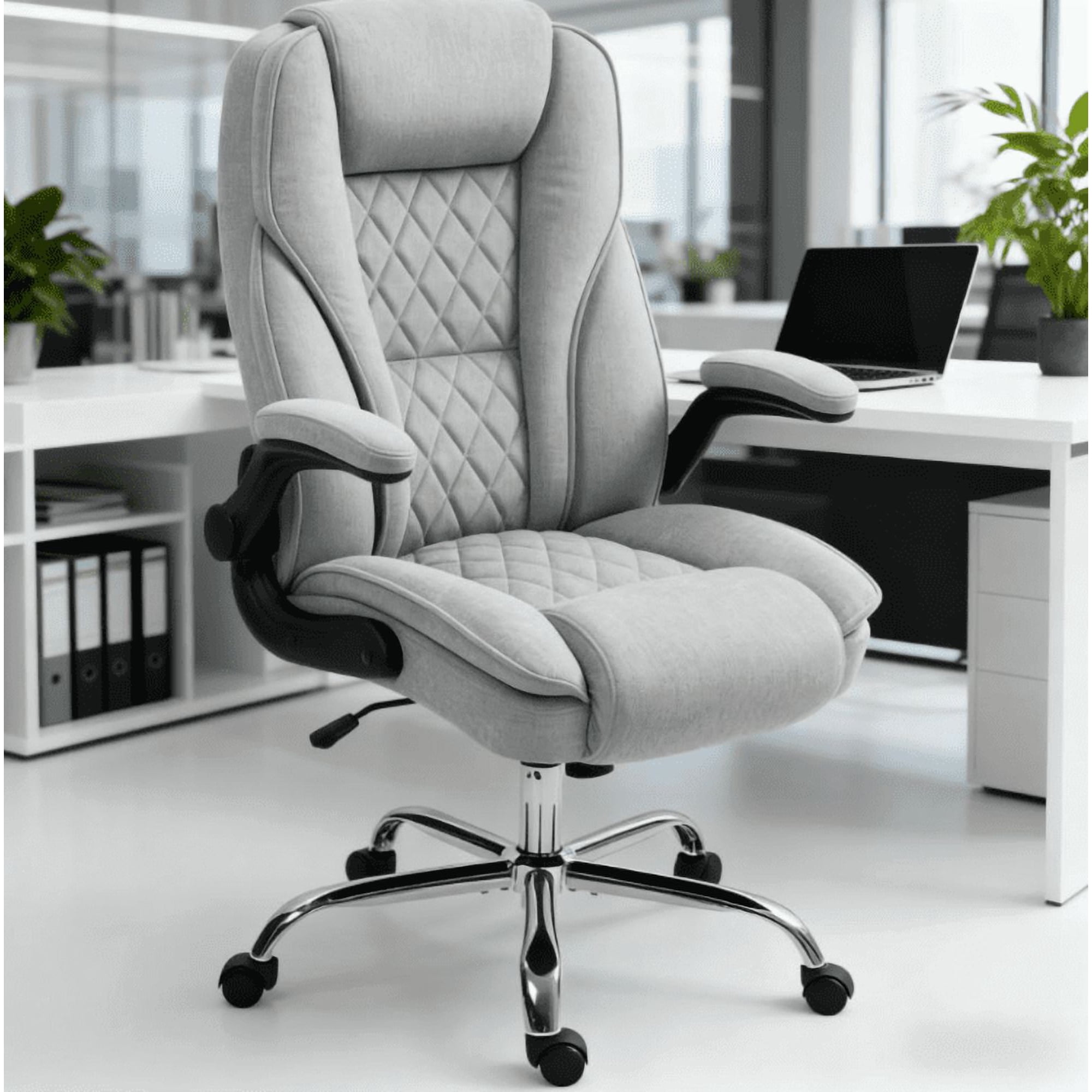
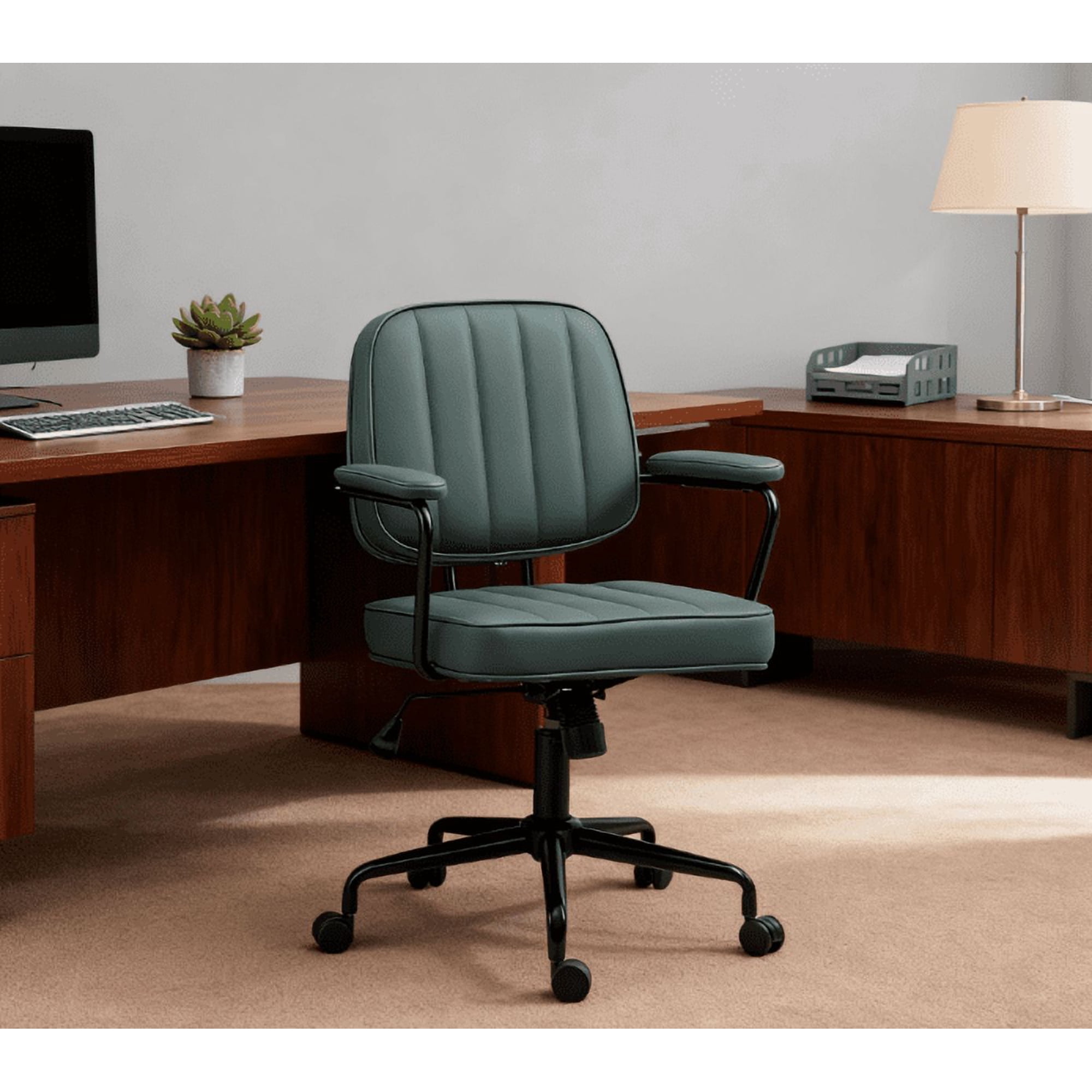
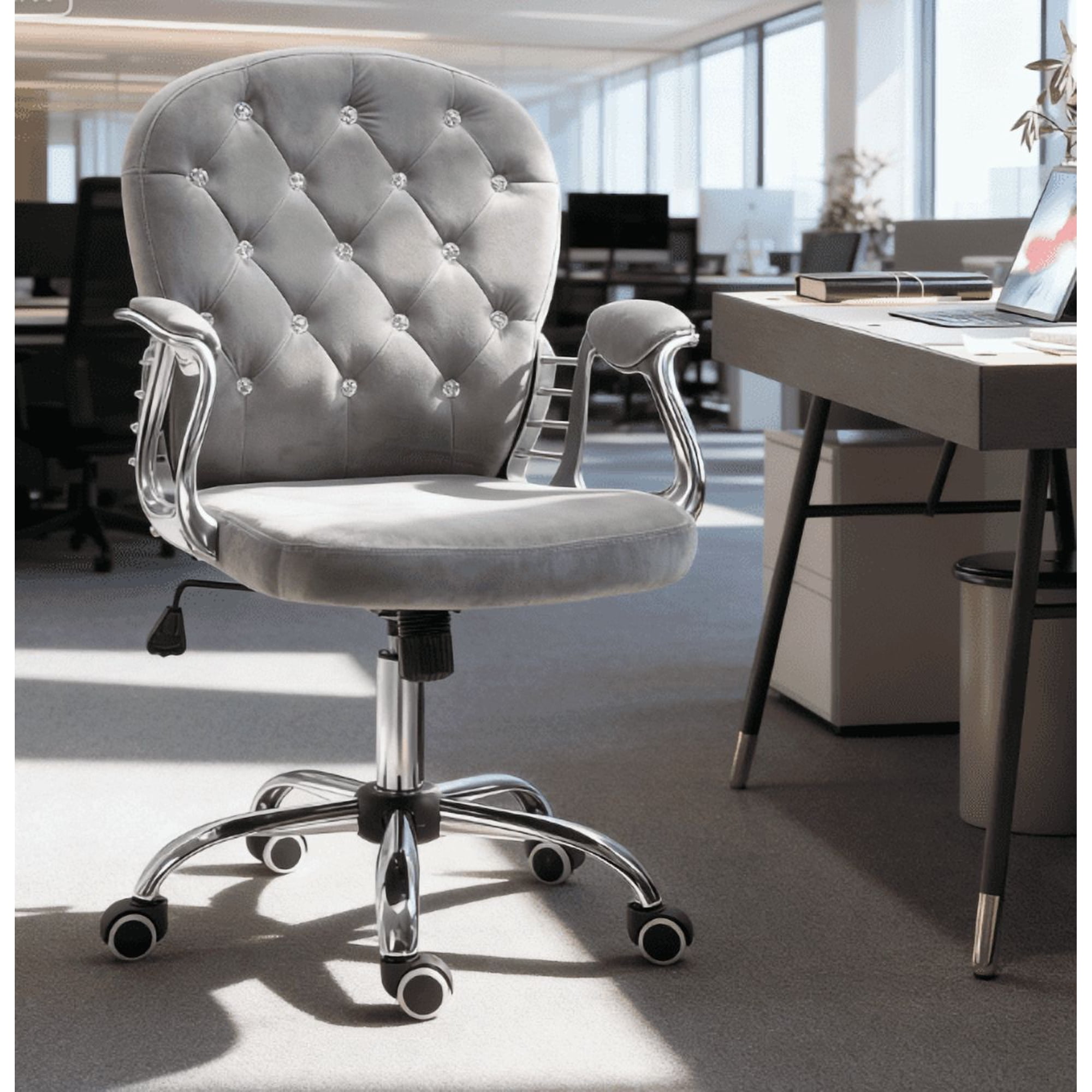
Why a Top Rated Home Office Chair Is Your Best Investment
Your home office chair is the silent partner in your daily work life. With remote and hybrid work now standard, the distinction between an ordinary chair and a truly top rated office chair for home comes down to how well it supports your unique body and work habits. A premium ergonomic chair isn't just a purchase—it's an investment in your physical health, mental focus, and daily productivity.
Key Statistic: According to a recent ergonomics study, workers using high-quality, adjustable home office chairs reported a 58% reduction in work-related discomfort and a 33% improvement in concentration during the afternoon slump.
What Defines a Top Rated Home Office Chair?
When searching for the best seating, look beyond the price tag and focus on features that promote healthy posture and long-term comfort. The highest-rated chairs share common characteristics that address the demands of the modern home workspace.
- Dynamic Lumbar Support: Adjustable systems that move with you, preventing lower back strain during long meetings.
- Breathable Material: Premium mesh or high-quality fabric that regulates temperature, keeping you cool and focused.
- Multi-Dimensional Armrests: 3D or 4D armrests that adjust up/down, in/out, and pivot to support your elbows and shoulders naturally.
- Seat Depth Adjustment: Allows you to customize the seat pan length, ensuring proper thigh support without pressure behind the knees.
- Robust Build Quality: Durable mechanisms, Class 4 gas lifts, and a sturdy base that support daily use for years.
Matching Chair Features to Your Home Work Style
No single chair fits every person or every workspace. Understanding your work style helps you choose a model that aligns with how you actually use your chair. Consider the following profiles:
| Work Style | Key Chair Requirements | Recommended Features |
|---|---|---|
| The Focused Worker (8+ hours/day) | All-day comfort, consistent support | High-back support, adjustable lumbar, seat depth adjustment, breathable mesh |
| The Hybrid Multitasker (meetings + focused work) | Flexibility, easy movement, recline for thinking sessions | Freely adjustable armrests, tilt tension, swivel base, headrest option |
| The Creative/Designer (dynamic postures, sketching) | Freedom of movement, stable yet flexible | Lightweight frame, waterfall seat edge, responsive recline mechanism |
| The Compact Space Saver (small home office) | Narrow footprint, minimalist design | Armless or flip-up armrests, slim back, smaller seat depth |
Material Deep Dive: Finding Your Comfort Zone
The material of your chair significantly affects breathability, maintenance, and aesthetic. Here's a quick guide to help you decide:
Premium Mesh Chairs
- Breathability: Exceptional airflow prevents heat buildup.
- Flexibility: Mesh contours to body shape for personalized support.
- Maintenance: Easy to clean; resistant to spills and stains.
- Best For: Warm climates, all-day sitters, modern home offices.
High-Quality Fabric Chairs
- Comfort: Soft texture and padding for a cozy feel.
- Style: Wide range of colors and patterns to match decor.
- Consideration: May retain allergens; professional cleaning recommended.
- Best For: Aesthetic-focused spaces, cooler environments, occasional use.
Step-by-Step Guide: Choosing Your Top Rated Home Office Chair
Step 1: Measure Your Workspace and Body
- Desk Height: Ensure the chair's height range matches your desk (typically 22-30 inches).
- Seat Width: Measure your hips to ensure the seat pan is wide enough (18-22 inches standard).
- Back Height: For those over 6 feet, look for high-back chairs with adjustable headrests.
Step 2: Prioritize Adjustability Over Aesthetics
A stunning chair that can't be customized to your body will quickly become uncomfortable. Look for models with at least five key adjustments: seat height, seat depth, lumbar height/depth, armrest height/width, and tilt tension.
Step 3: Test for 20 Minutes (if possible)
Pro Tip: If buying online, choose retailers with a generous return policy. When testing, mimic your typical work activities—typing, reading, leaning back—to gauge real-world comfort. Pay attention to pressure under your thighs and support in your lower back.
Ergonomics and Health: More Than Just Comfort
Beyond immediate comfort, a properly designed ergonomic chair contributes to long-term musculoskeletal health. The human body isn't designed for static sitting, but a top rated home office chair acts as an active support system, encouraging micro-movements and healthy posture. Key benefits include:
Spinal Alignment
Maintains the natural S-curve of your spine, reducing disc pressure.
Shoulder & Neck Relief
Adjustable armrests prevent hunching and relieve tension in the upper back.
Improved Circulation
Waterfall seat edges prevent compression behind the knees, promoting blood flow.
Enhanced Energy Levels
Reduced discomfort means less mental fatigue and sustained energy throughout the day.
Frequently Asked Questions (FAQ) About Top Rated Home Office Chairs
Conclusion & Final Recommendations for Your Home Office
Selecting a top rated office chair for home is a personal decision that should balance ergonomic features, material preferences, and your specific work habits. The best chair for you is one that disappears under you—providing such seamless support that you can focus entirely on your work without distraction.
At-a-Glance Recommendations
Remember, your home office chair is the foundation of your workspace. By investing in a model that fits your body and work style, you're investing in years of healthier, more productive workdays.