

Why Leather Still Reigns Supreme in the Home Office
Think of a leather chair like a well-tailored suit—it commands respect, feels comfortable, and only gets better with age. In the world of home offices, where video calls are the new boardroom, your chair is a statement. A leather desk chair for home office use bridges the gap between executive authority and the cozy comfort of working from home. But beyond the looks, modern leather chairs are engineered with the same ergonomic principles as their mesh or fabric counterparts.
According to a recent home office survey, 68% of remote workers reported that upgrading their chair improved their focus and productivity. Leather, in particular, offers a unique combination of support and durability that synthetic materials often fail to match. It's like comparing a classic leather jacket to a plastic raincoat—both keep you dry, but only one does it with style and longevity.
The Anatomy of a Great Leather Home Office Chair
Not all leather chairs are created equal. When shopping for a leather chair for your home office, consider these structural pillars:
- The Frame: A solid wood or heavy-duty metal frame is the skeleton. It ensures the chair doesn't wobble after a year of use. Look for frames with a warranty of 10 years or more.
- The Cushioning: High-density foam is your best friend. It resists flattening and provides consistent support. Think of it like a good mattress—too soft and you sink, too hard and you ache.
- The Base and Casters: A five-point base is standard for stability, but for home offices with hardwood floors, soft rubber casters (often called "roller blade" wheels) are a must to prevent scratches.
- The Leather Itself: This is the skin. We'll dive into types next, but remember: thicker leather generally means more durability.
Leather vs. Faux Leather: A Home Office Showdown
Choosing between genuine and faux leather is a common dilemma. It's like choosing between a hardwood floor and luxury vinyl—both look great, but one is an investment for decades, while the other might need replacing sooner. Here’s how they stack up for a home office environment:
✨ Genuine Leather (Top-Grain & Full-Grain)
- Pros: Develops a unique patina over time, highly breathable, extremely durable (10-20+ years), tear-resistant.
- Cons: Higher initial cost, requires occasional conditioning, can be heavy.
- Best For: The dedicated home office where you spend 8+ hours daily and want a chair that ages gracefully.
🪑 Faux Leather (PU & Bonded)
- Pros: Affordable, easy to clean with a wipe, comes in consistent colors, vegan-friendly.
- Cons: Prone to peeling and cracking after 3-5 years, less breathable (can feel sticky), doesn't develop a patina.
- Best For: Guest rooms, part-time home offices, or budget-conscious setups.
For a primary home office, investing in genuine leather is like buying a quality cast iron skillet—it might cost more upfront, but you'll hand it down to the next generation.
Ergonomics: The Science of Comfort in Leather
A common myth is that leather chairs are stiff and bad for your back. In reality, a well-designed leather ergonomic chair is a marvel of modern engineering. It's like the suspension system in a luxury car—firm enough to hold you in place, but supple enough to absorb the bumps of a long day.
Key Ergonomic Features to Look For:
- Adjustable Lumbar Support: This is non-negotiable. Your lower back has a natural curve, and the chair should support it. Some leather chairs offer inflatable or mechanically adjustable lumbar cushions.
- Seat Depth Adjustment: You should be able to fit 2-3 fingers between the back of your knee and the seat edge. This prevents circulation issues. A sliding seat pan is a premium feature.
- 4D Armrests: Armrests that move up/down, left/right, forward/back, and pivot allow you to support your arms whether you're typing or taking a call, reducing shoulder strain.
- Synchro-Tilt Mechanism: This allows the seat and backrest to move in a natural ratio (often 1:2 or 1:3) as you recline, keeping your feet planted and your vision level.
Data from the American Chiropractic Association suggests that a chair with proper lumbar support can reduce spinal disc pressure by up to 35%. So, when browsing for a leather desk chair, prioritize mechanisms over mere aesthetics.
Protecting Your Investment: Leather Care 101
A leather chair is a long-term relationship. With a little care, it will last a decade or more. Neglect it, and it can crack and fade. Think of it like caring for a leather saddle—a little attention goes a long way.
- Dust Weekly: Use a soft, dry microfiber cloth to wipe down the surface. This prevents grit from grinding into the grain.
- Condition Biannually: Every 6 months, apply a high-quality leather conditioner. This is like moisturizing your skin—it keeps the leather from drying out and cracking. Do this in a spot that doesn't get direct sun.
- Clean Spills Immediately: Blot (don't rub!) any spills with a clean, dry cloth. For sticky spots, use a damp cloth with a drop of mild soap (like castile soap), then wipe with a dry cloth.
- Avoid Direct Sunlight: UV rays are the enemy of leather. If your home office is sunny, use curtains or blinds during peak hours, or position the chair away from the window.
Matching Your Leather Chair to Your Home Office Decor
Your home office isn't just a place to work; it's part of your home. Your leather chair should complement your space, not clash with it. Here’s a quick style guide:
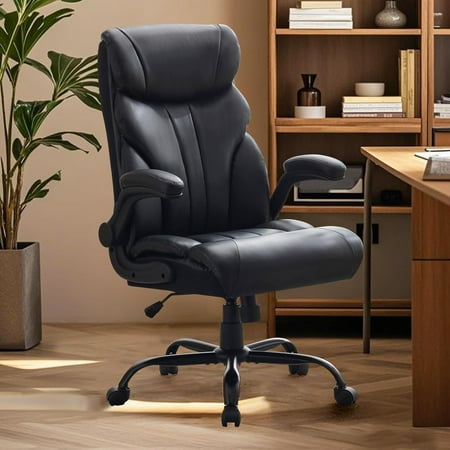
- Modern/Minimalist: Opt for a sleek leather chair with clean lines, perhaps in black or white leather. A chrome base adds a contemporary touch.
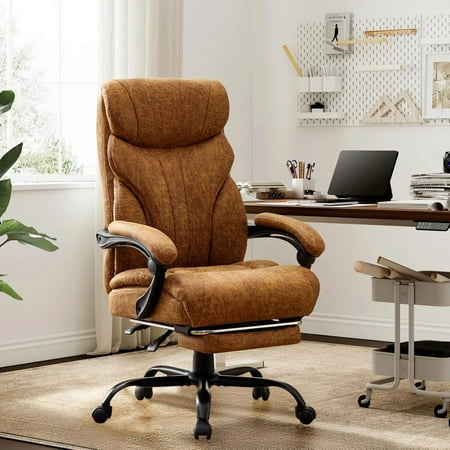
- Traditional/Rustic: A rich brown, tufted leather chair with rolled arms and a wooden base fits perfectly. Think "library study" vibes.
- Scandinavian: Light-colored leather (beige, tan) paired with light wood legs creates an airy, bright feel.
- Industrial: Look for a leather chair with exposed stitching, metal accents, and a vintage "distressed" leather finish.
Your chair is the anchor of your office. It should feel like a natural extension of your personal style, making you want to sit down and get to work.
The Long-Term Value: Why Quality Pays Off
Buying a cheap, bonded leather chair might save you $200 today, but if it peels in two years, you're back to square one. It's like buying a cheap pair of boots that fall apart after one winter. A high-quality leather office chair, priced between $600 and $1,200, often comes with a 10-year warranty and will last 15 years with care. Amortize that cost: $1,200 over 15 years is $80 a year, or about 22 cents a day. For the comfort and professional image it provides, that's a bargain.
Frequently Asked Questions About Leather Home Office Chairs
Final Thoughts: Your Seat at the Home Office Table
Choosing a leather desk chair for your home office is a personal journey. It's about finding the balance between the professional image you want to project and the physical support you need to thrive. Remember, your chair is where you spend a third of your day. It should feel like a command center, not a penalty box.
Focus on the ergonomics first—the lumbar support, the adjustability, the mechanisms. Then, fall in love with the leather. Whether it's the rugged durability of top-grain or the practical affordability of quality faux leather, make sure it aligns with your work habits and home aesthetic. Invest wisely, care for it regularly, and your leather chair will be a faithful partner in your work-from-home journey for years to come.