
What Truly Defines the Most Comfortable Office Chair Ever?
We spend more than 80,000 hours at work over a lifetime — and for modern professionals, a huge portion happens seated. The quest for the most comfortable office chair ever isn’t just about luxury; it’s about health, productivity, and sustaining peak performance. But comfort isn’t a single feature — it’s a carefully engineered ecosystem of support, adjustability, and materials that harmonize with your unique physique.
🔍 Ergonomic insight: According to a 2024 study from the International Ergonomics Association, users with fully adjustable chairs reported 67% less musculoskeletal discomfort compared to static office seating. That’s why the 'most comfortable' chair is always the one that adapts to you.
The Anatomy of Supreme Seating Comfort
Let’s dissect the essential components that transform a regular chair into a cloud-like workstation. These pillars ensure that whether you’re in a strategic meeting or deep in focused work, your chair never becomes a distraction.
Dynamic Lumbar & Spinal Alignment
Static backrests are obsolete. The most comfortable chairs feature active Lumbar adjustment (both depth and height) that moves with you. Some premium models even include air-bladder systems for personalized tension. Proper lumbar reduces disc pressure by up to 38%.
High-Density Memory Foam Seat
A seat that’s too firm causes pressure points; too soft leads to poor posture. The gold standard is multi-layer foam with a gel-infused top layer for cooling and resilience. Waterfall edge design prevents thigh numbness during marathon work sessions.
4D Armrests & Infinite Adjustability
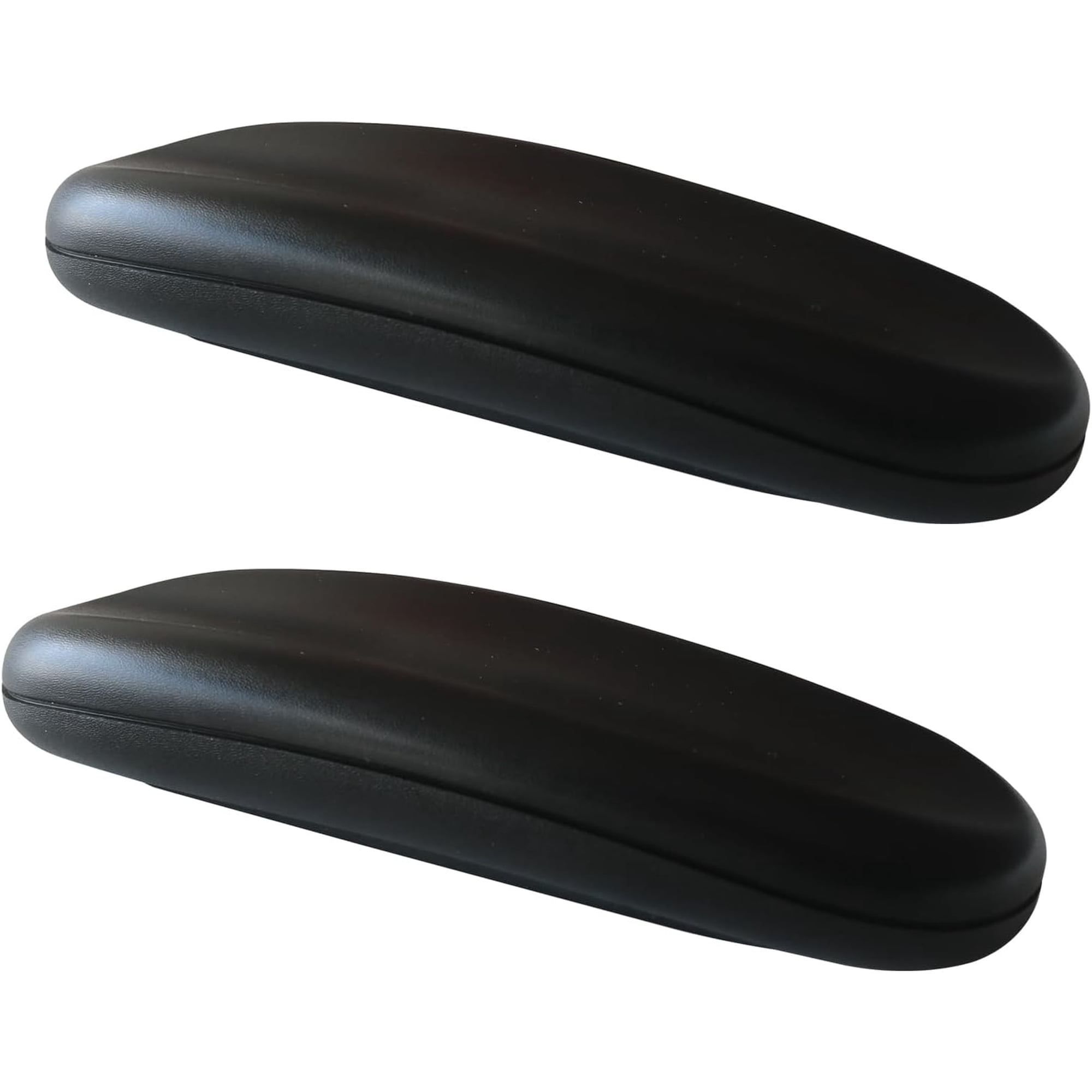
Armrests that move up/down, pivot, slide forward/back, and angle in/out allow you to rest your elbows naturally, reducing shoulder tension. Combined with seat depth slider and synchronous tilt, the chair becomes an extension of your body.
Premium Material Harmony
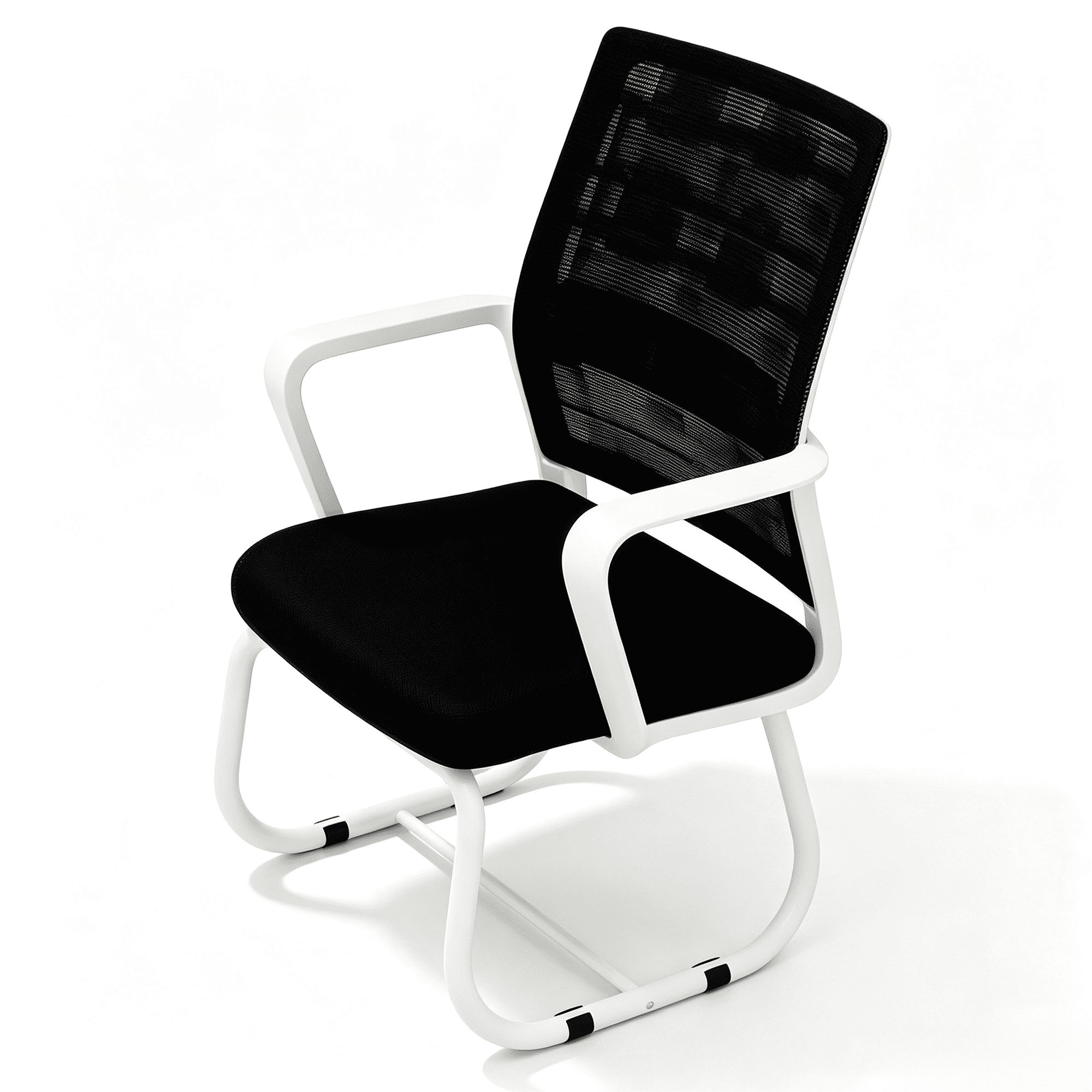
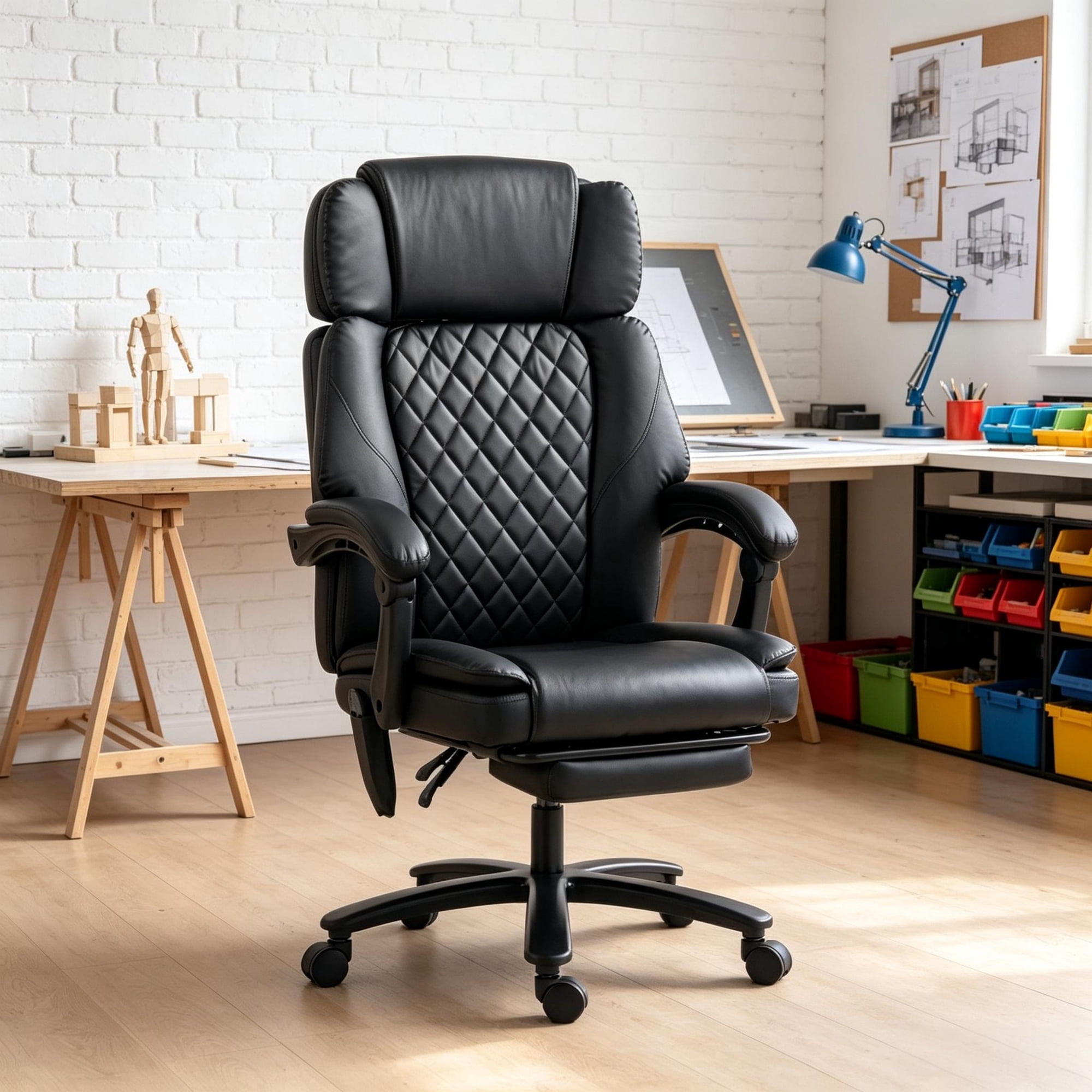
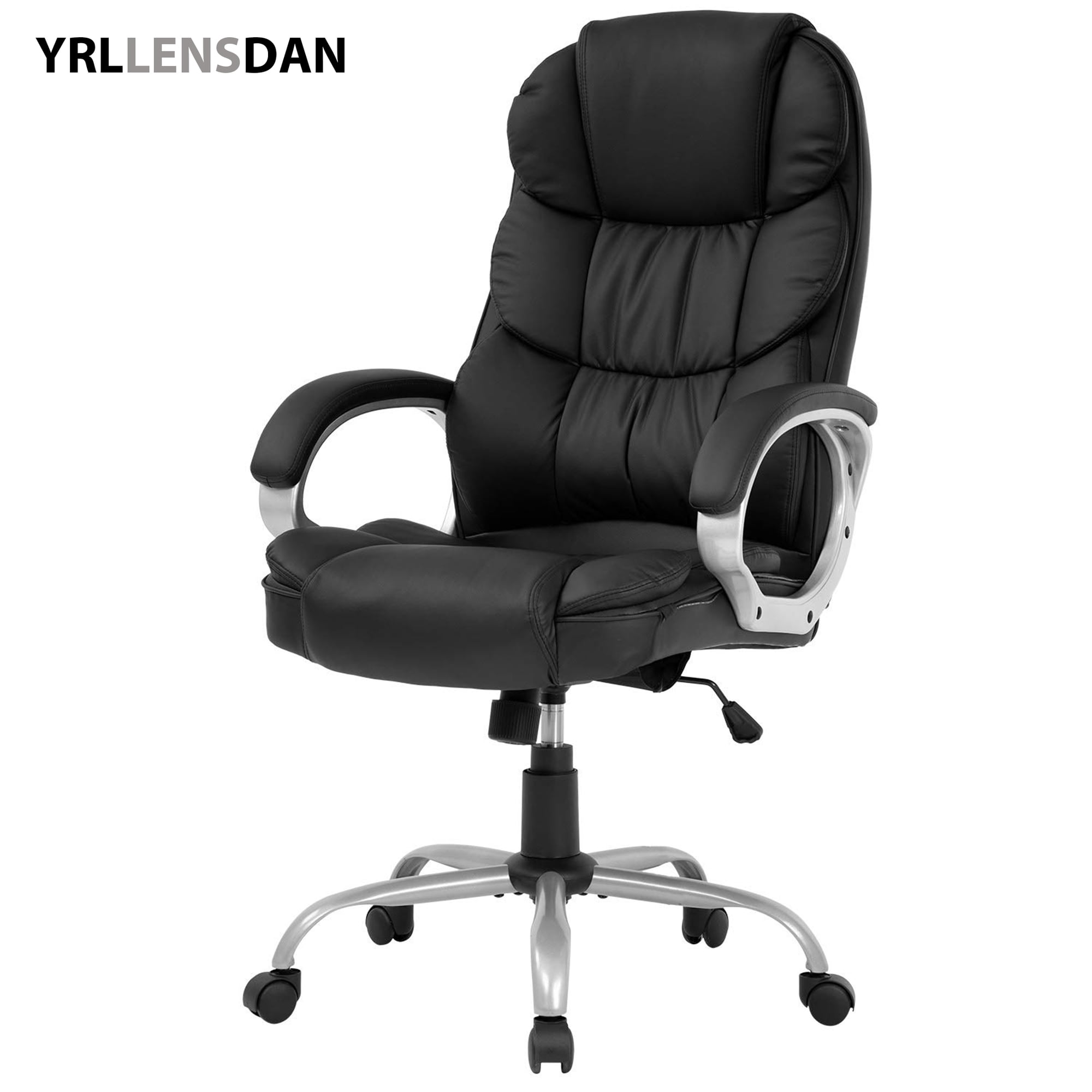
The most comfortable office chairs use breathable 3D mesh or top-grain leather with perforated sections. High-end fabrics with stain resistance and antimicrobial treatment keep the seating fresh and comfortable for years.
How to Choose: A Step‑by‑Step Guide to Your Perfect Chair
Finding the most comfortable office chair ever isn’t about guessing — it’s a personal matching process. Use this checklist to ensure you’re investing in your wellbeing.
- Assess your daily sitting duration: If you sit 8+ hours, prioritize chairs with a multi-functional recline mechanism and adjustable seat depth.
- Know your body metrics: Measure your height, hip width, and torso length. Taller individuals need taller backrests; wider hips require seat width > 20 inches.
- Test the material against your environment: Mesh is ideal for warm offices; leather adds sophistication but consider climate control.
- Verify warranty and build quality: Look for class-4 gas lift, aluminum base, and at least a 10-year warranty on frame — hallmarks of lasting comfort.
- Prioritize adjustability range: Non-negotiable: adjustable lumbar, seat tilt tension, and armrests that move in at least 3 directions.
Material Showdown: Which Delivers Ultimate Comfort?
The debate between mesh, fabric, and leather is ongoing. Here’s a neutral comparison based on real user feedback and material science.
✅ Premium Mesh
- Superior airflow – no sweaty back
- Self-adapting tension support
- Lightweight and easy to clean
- Ideal for hybrid hot/cold climates
❌ Considerations
- May feel less "plush" initially
- Edges can wear faster if low quality
✅ Top-Grain Leather
- Luxurious feel & timeless aesthetics
- Molds to body shape over time
- Durable (10–15 years)
❌ Considerations
- Higher initial investment
- Needs conditioning; can be warm
Hidden Comfort Factors: Beyond the Obvious
True all-day comfort depends on subtle engineering. Here are advanced features that define the most comfortable office chair ever:
- Synchronous tilt mechanism: Allows the backrest and seat to move in a natural ratio (2:1), maintaining eye-line and reducing strain when reclining.
- Adjustable headrest: For tall users or those who recline during calls, a multi-angle headrest prevents neck cricks.
- Silent casters & robust wheels: High-quality dual-wheel casters roll smoothly on hardwood and carpet — annoying squeaks break concentration.
- Seat glide resistance: Some chairs offer customizable tension for sliding in/out, minimizing effort and wear.
⭐ Expert tip: The "most comfortable" chair for you might combine materials — e.g., a breathable mesh back with a memory foam fabric seat. Hybrid designs offer the best of both worlds: airflow with plush cushioning.
Ergonomics and Long-Term Health Benefits
Comfort isn’t merely a feeling; it directly correlates to physical health. Research indicates that proper ergonomic seating can reduce sick days by 45% and improve cognitive focus by up to 30%. When your chair supports neutral posture, your blood circulation remains optimal, and spinal discs stay hydrated. Investing in the most comfortable office chair ever is an investment in your career longevity.
Myths About Comfortable Office Chairs
- Myth: More padding always equals more comfort. Truth: Too much softness leads to misalignment. Balanced foam density is key.
- Myth: You don't need adjustability if the chair feels comfortable at first. Truth: Fatigue builds over hours; micro-adjustments help combat cumulative stress.
- Myth: All mesh chairs are equally comfortable. Truth: High-end mesh has variable tension zones that support lumbar and shoulders differently.