
Why Your Search for the Perfect Ergonomic Chair Ends Here
If you spend more than six hours a day seated, you've likely experienced the nagging ache in your lower back, the stiffness in your shoulders, or the fatigue that creeps in by mid-afternoon. The solution isn't just any office chair—it's finding the most comfortable office chair with lumbar support tailored to your body's unique needs. In this comprehensive guide, we delve deep into what makes a chair truly comfortable, the science behind lumbar support, and how to choose a seating solution that promotes spinal health, enhances focus, and elevates your professional environment.
📊 Did you know? According to a study published in the Journal of Physical Therapy Science, individuals using ergonomic chairs with dynamic lumbar support reported a 62% reduction in perceived back discomfort after just four weeks. Your chair is not furniture—it's a vital tool for your well-being.
The Anatomy of Comfort: More Than Just Cushioning
When we talk about the "most comfortable office chair," it's easy to imagine something plush and pillowy. However, true comfort is dynamic. It’s about how the chair interacts with your body over long periods. A truly comfortable chair with effective lumbar support incorporates several engineering and design principles:
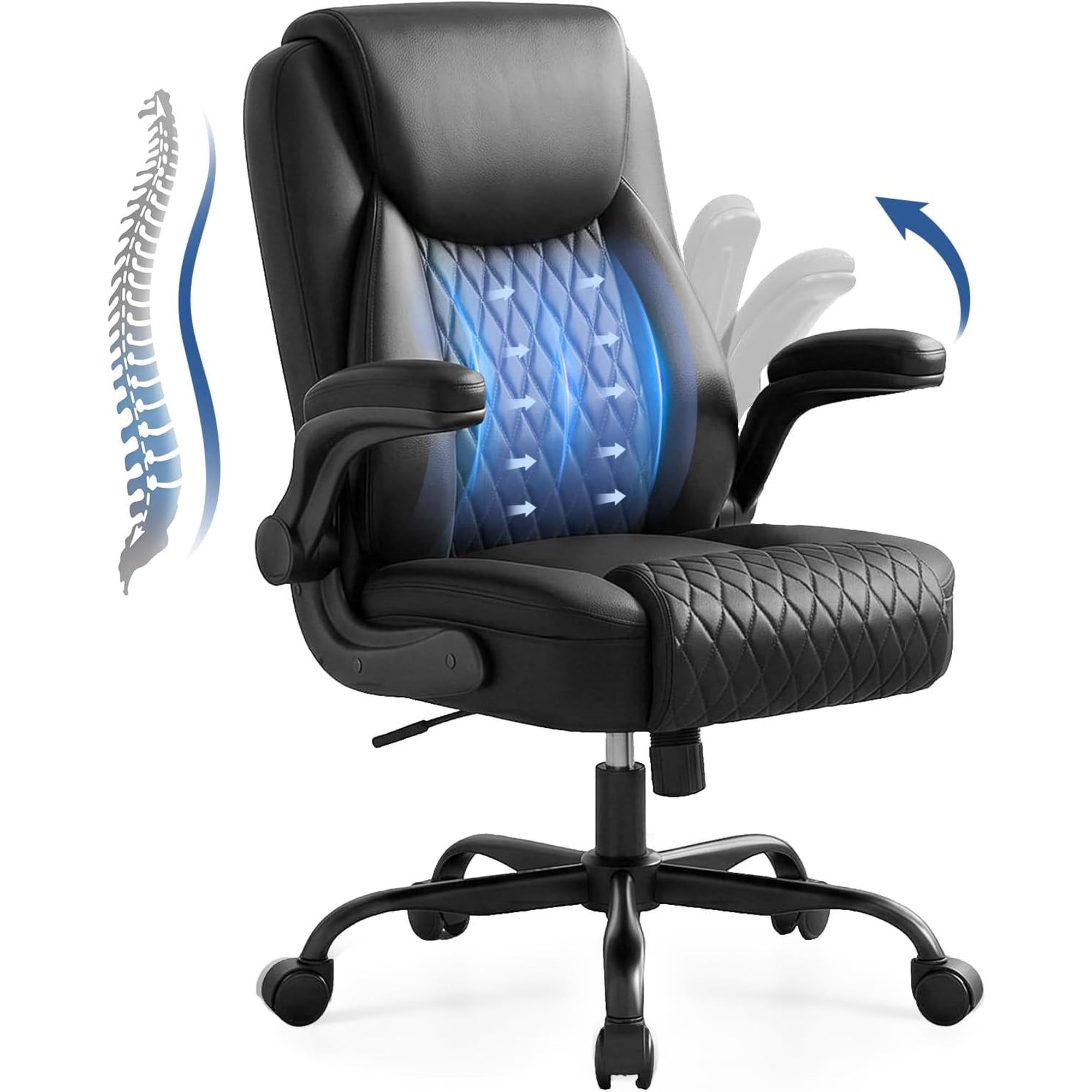
- Adaptive Lumbar Mechanism: Unlike static support, advanced chairs offer adjustable lumbar that can move up/down and in/out to fill the void in your lower back, maintaining the natural lordotic curve.
- Responsive Seat Foam: High-resiliency foam or multi-layered mesh that distributes weight evenly, preventing pressure points on the tailbone and thighs.
- Syncro-Tilt or Kinetic Recline: Allows the chair to recline while keeping your feet flat and maintaining a healthy angle between your thighs and torso, reducing spinal compression.
- 4D Armrests: Armrests that adjust height, width, depth, and pivot ensure your shoulders stay relaxed, directly impacting upper back and neck comfort.
Decoding Lumbar Support: Why It's the Non-Negotiable Feature
Your lumbar spine (the lower back region) naturally curves inward. Sitting for prolonged periods often causes us to slouch, flattening this curve and putting immense pressure on the spinal discs. This is where targeted lumbar support becomes the hero feature. The most comfortable office chair with lumbar support doesn't just have a bump in the backrest; it has a mechanism that mimics and supports your spine's natural movement. Some high-end chairs even feature adjustable tension in the lumbar area, allowing you to increase or decrease firmness based on your activity—firmer for focused work, softer for relaxing moments.
Material Matters: Mesh vs. Fabric vs. Leather for Ultimate Comfort
Your choice of material significantly impacts the "feel" of comfort and the effectiveness of lumbar support. Let's break down the pros and cons to help you decide which aligns with your comfort goals:
Breathable Mesh Chairs
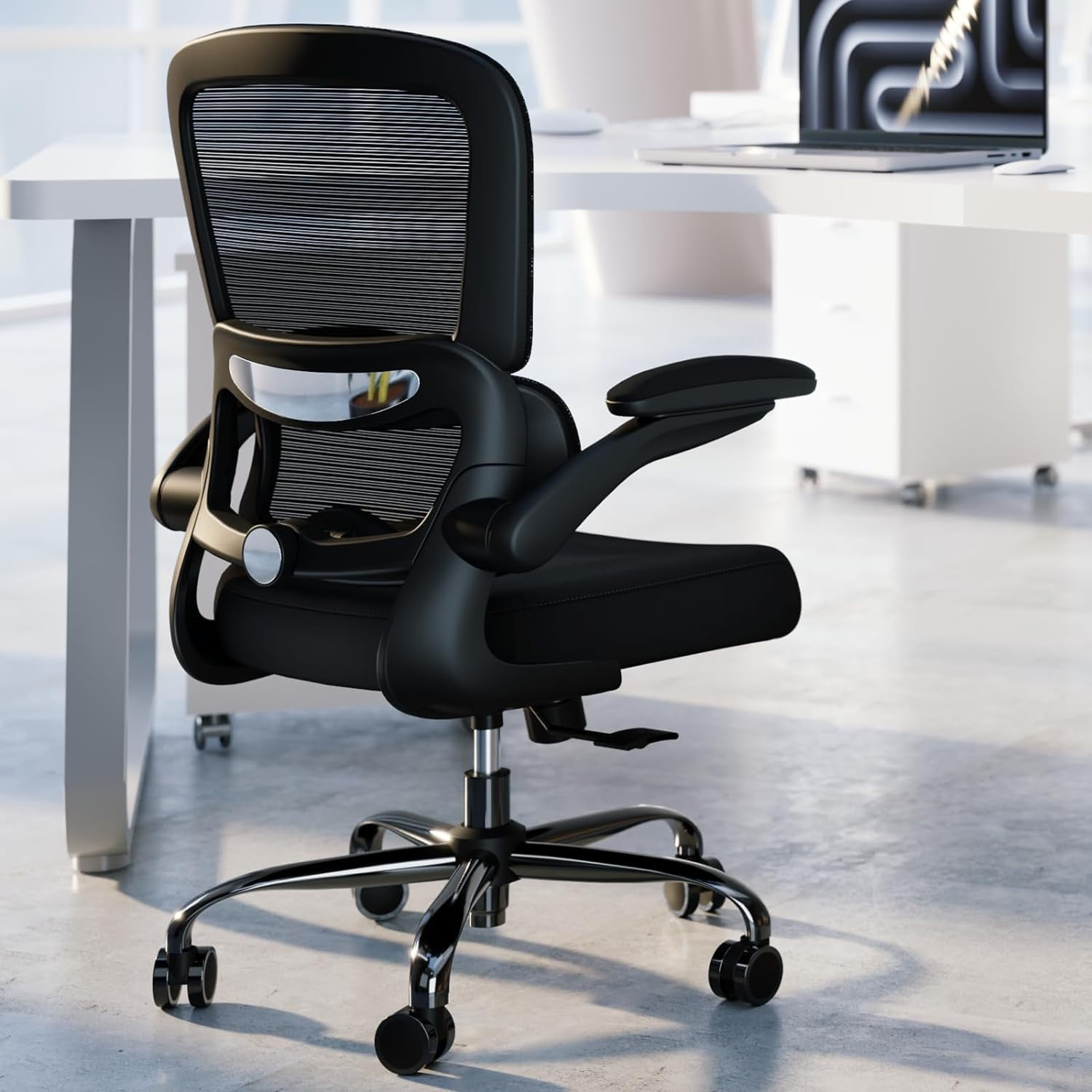
Mesh has become the gold standard for ergonomic chairs focused on lumbar support and all-day comfort. The tension of the mesh creates a "hammock" effect that naturally contours to your spine, providing consistent support without the heat buildup of upholstery. For those in warmer climates or who tend to run hot, mesh is unbeatable for maintaining a comfortable body temperature.
- Best for: Long sitting hours, hot environments, and individuals who prefer firm, consistent support.
- Lumbar advantage: Mesh chairs often incorporate dynamic lumbar systems that adjust tension automatically as you move.
Premium Fabric Chairs
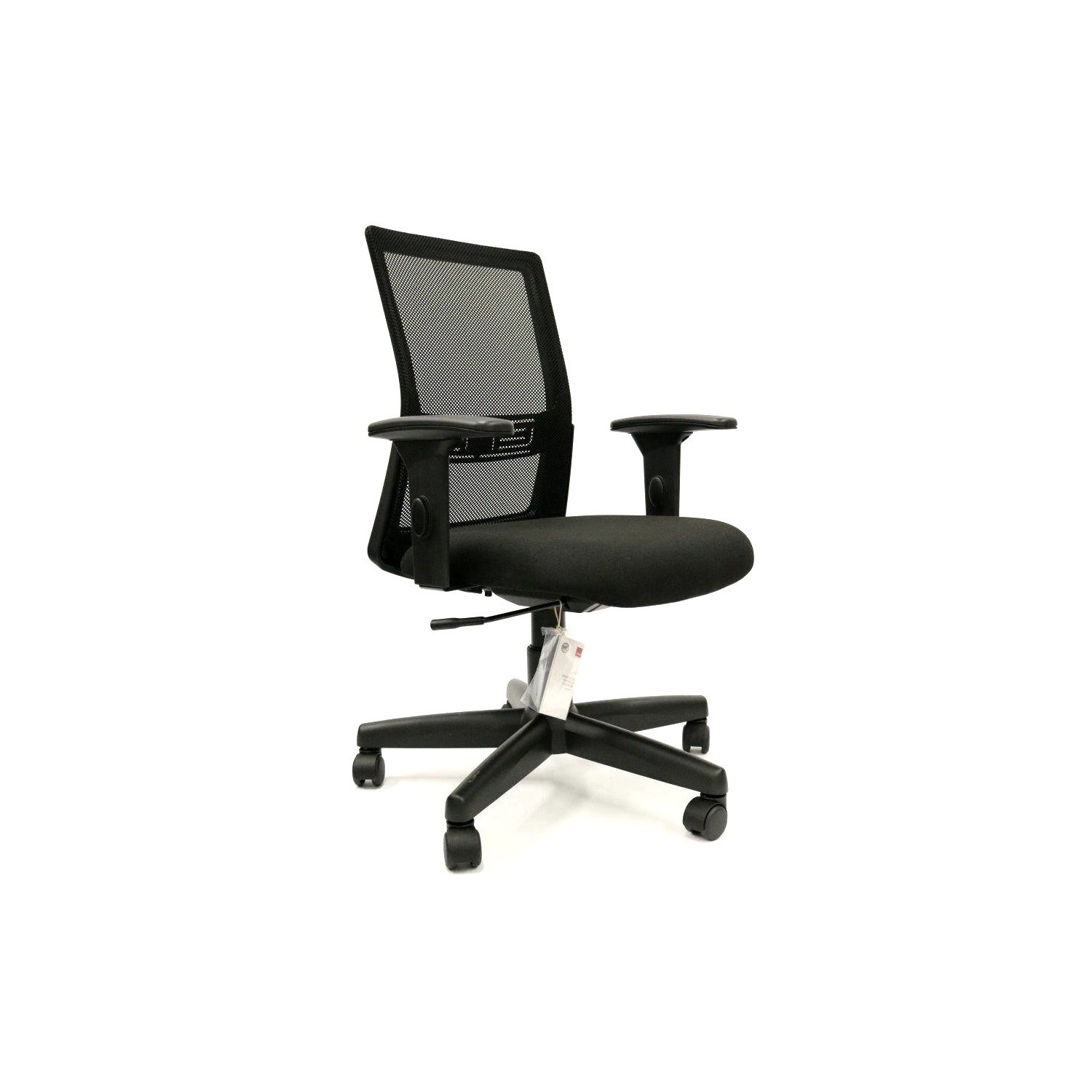
High-quality fabric chairs offer a cozy, "living room" comfort while still providing excellent ergonomic support. Modern performance fabrics are stain-resistant, durable, and breathable. They offer a softer initial contact point compared to mesh, making them ideal for home offices where comfort is prioritized alongside professionalism.
- Best for: Cooler climates, home offices, and those who prefer a plush yet supportive feel.
- Lumbar advantage: Often combined with memory foam or contour-molded backrests for personalized lumbar contouring.
Genuine Leather Chairs
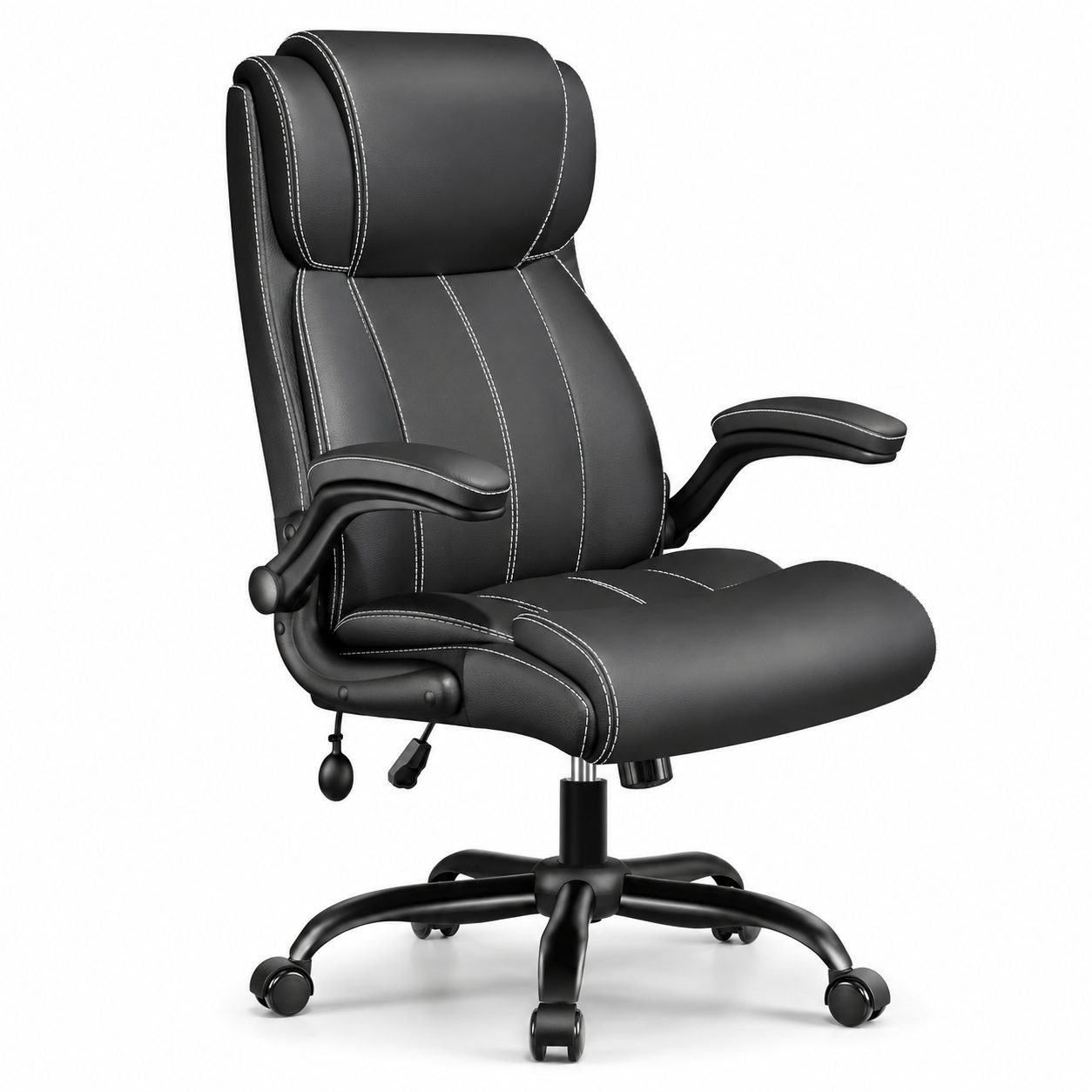
Leather exudes executive presence and offers a luxurious seating experience. Top-grain leather is durable, easy to clean, and conforms to your shape over time, creating a custom fit. While it can be warmer than mesh, high-end leather chairs often incorporate perforations or ventilation channels to mitigate this.
- Best for: Executive offices, client-facing environments, and those prioritizing aesthetics alongside comfort.
- Lumbar advantage: Often features plush, adjustable lumbar pillows or integrated mechanical supports hidden beneath the premium surface.
Essential Adjustability Features: Customizing Your Comfort Zone
The most comfortable chair is the one that fits you. A one-size-fits-all approach fails because our bodies vary significantly in height, weight, and proportion. Here is a checklist of non-negotiable adjustments for the ultimate lumbar-supportive chair:
| Adjustment Feature | Why It Matters for Comfort | What to Look For |
|---|---|---|
| Seat Depth (Slide) | Ensures 2-3 finger widths of space between the back of your knees and the seat edge, preventing circulation cut-off. | Minimum 2 inches of slide adjustment. |
| Lumbar Height & Depth | Allows you to position the support exactly where your spine needs it most. | Independent vertical adjustment (at least 2-3 inches) and depth tension control. |
| Backrest Angle & Tilt Tension | Allows for dynamic sitting, letting you recline without strain and changing spinal loading. | Multi-locking positions and adjustable resistance based on body weight. |
| 4D Armrests | Supports forearms, reducing shoulder strain and indirectly improving posture. | Height, width, pivot, and forward/backward slide capabilities. |
| Headrest (Optional) | Critical for tall individuals or those who recline frequently to support the cervical spine. | Adjustable in height and angle, preferably with forward tilt. |
Who Needs the Most Comfortable Office Chair with Lumbar Support?
While anyone can benefit, specific user profiles will find this category indispensable:
- Remote Professionals: With blurred lines between work and home, a comfortable chair sets the stage for a productive and healthy home office.
- Individuals with Existing Back Pain: Whether from a past injury or chronic condition, targeted support can be a game-changer in managing pain without medication.
- Tech Executives & Developers: Long hours of focused screen time demand a chair that can keep up without causing fatigue.
- Big & Tall Individuals: Standard chairs often lack the seat width, depth, and weight capacity to provide proper lumbar positioning. Specialized ergonomic chairs ensure the support hits the right spots.
- Those with Sciatica or Disc Issues: Proper lumbar support helps decompress the spine and reduce nerve pressure, offering significant relief.