
Why Tall Users Need Specialized Back Support
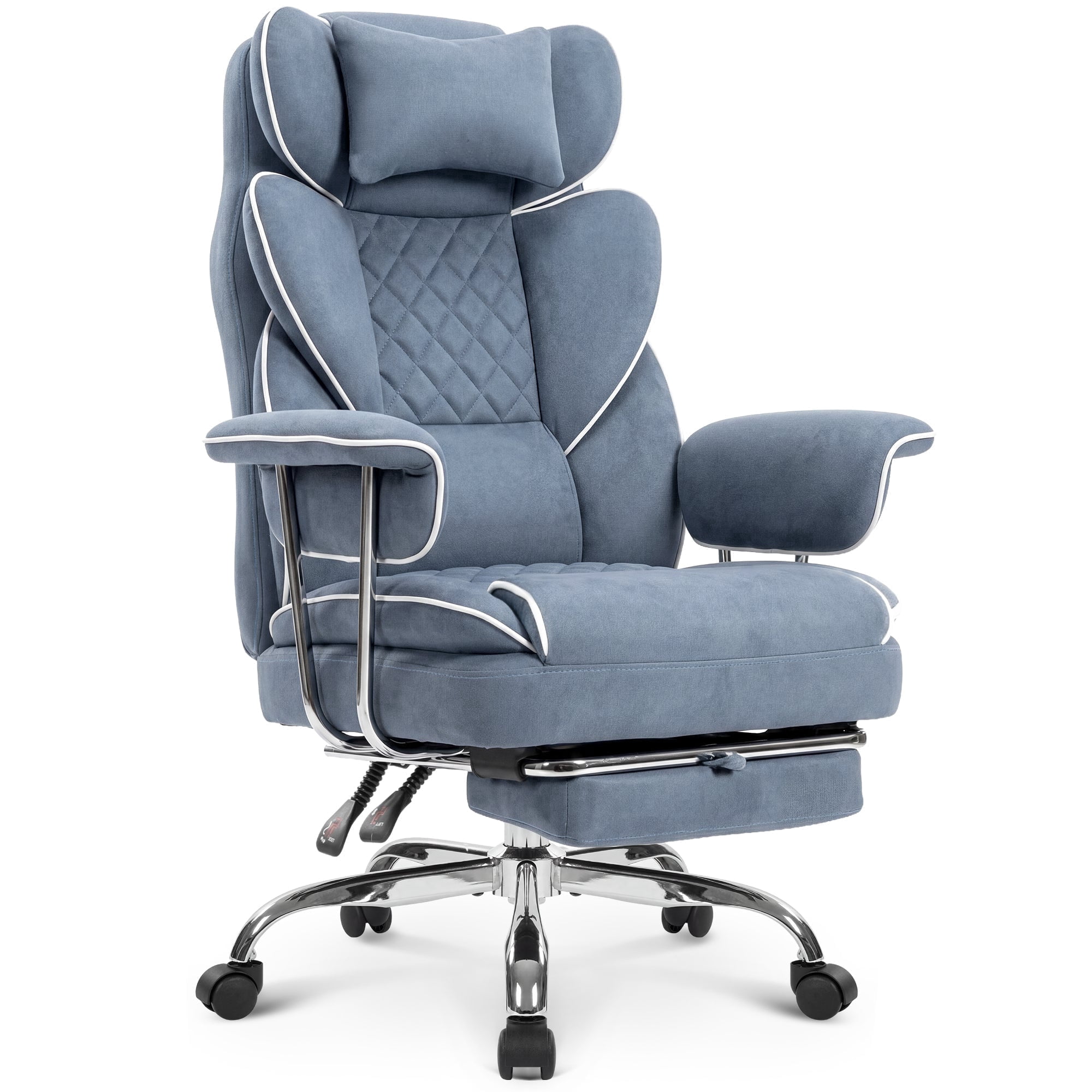
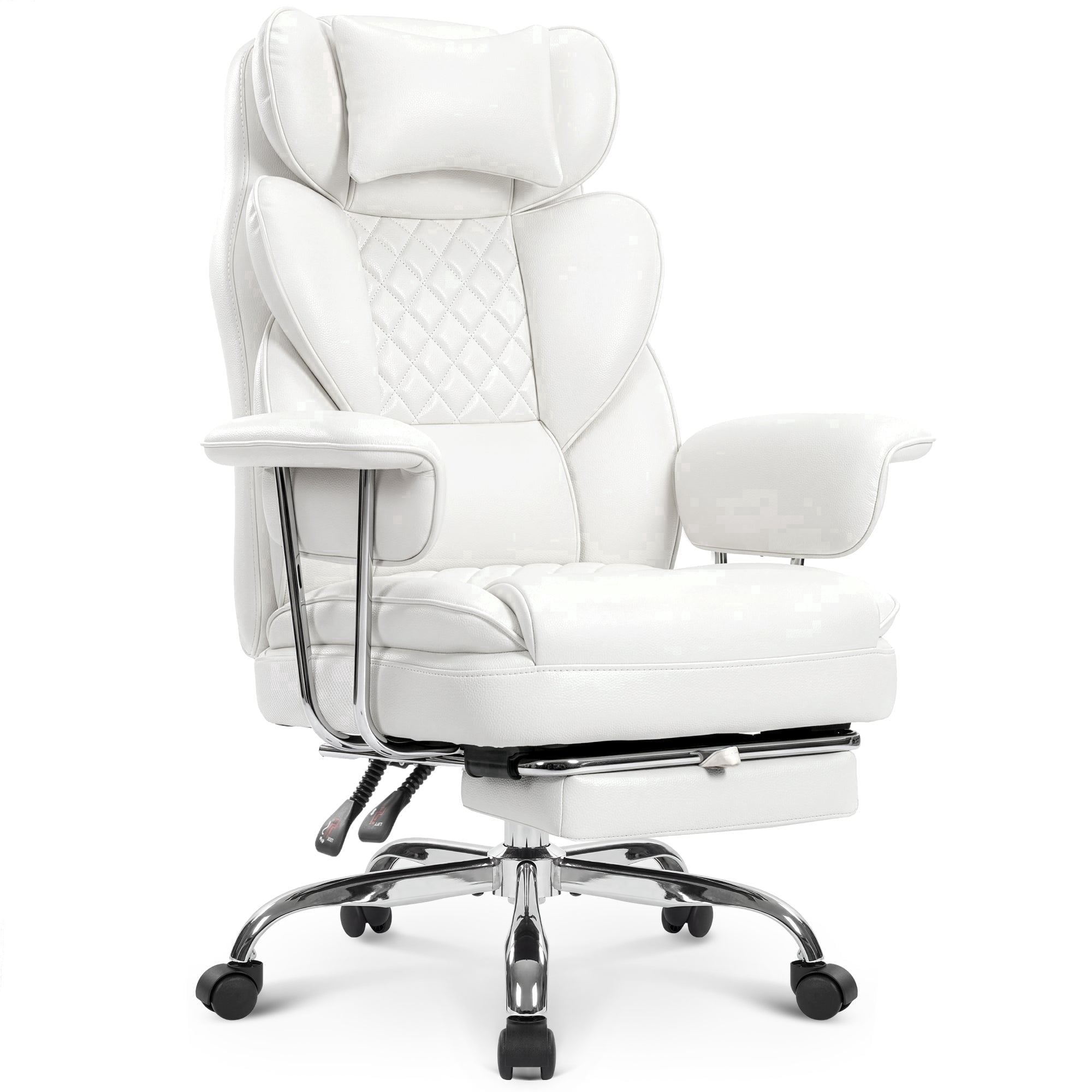
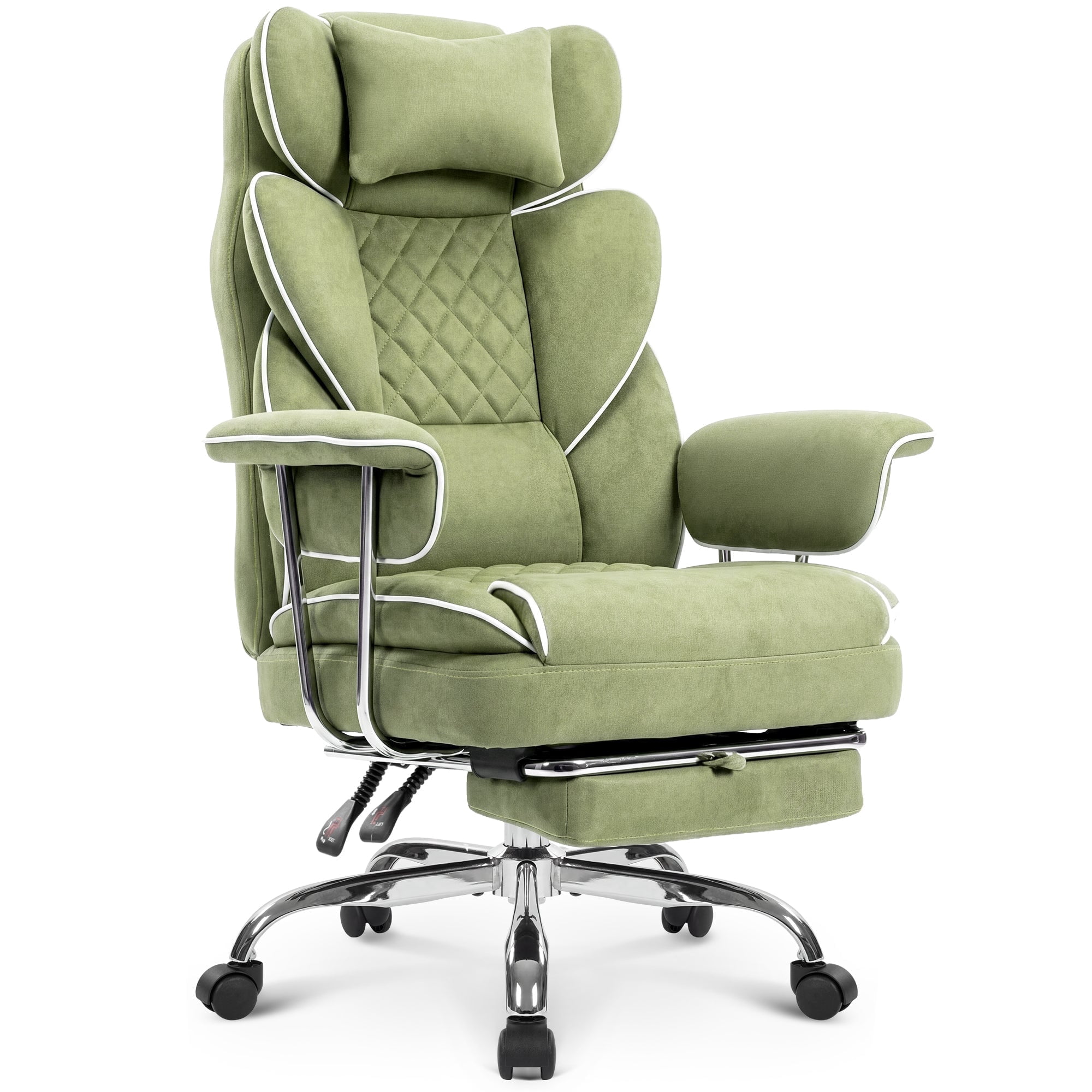
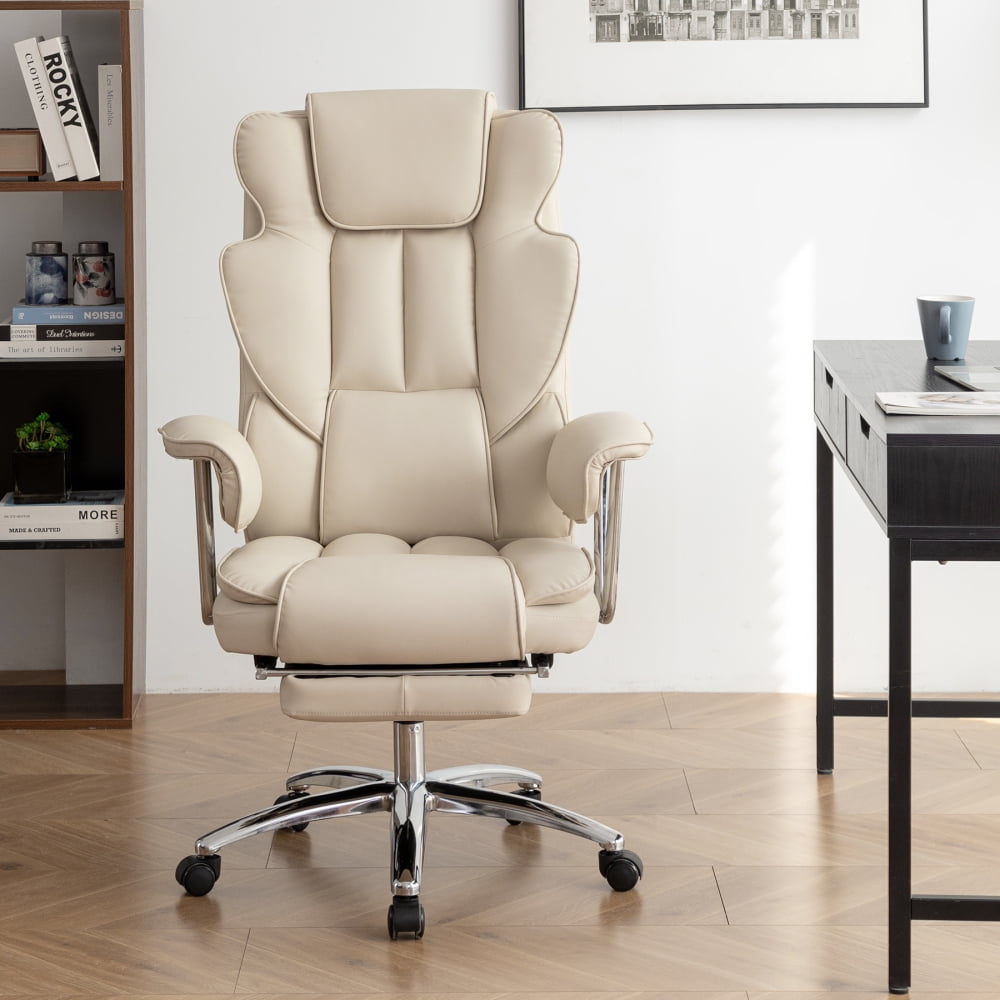
For taller individuals, finding a standard office chair that provides adequate support can be a challenge. Most chairs are designed for an average-height user, often leaving tall people with insufficient back support, forcing them to slouch or crane their necks. This is where a tall office chair with back support becomes an essential investment.
Ergonomic Insight: Studies show that proper back support can reduce fatigue by up to 50% and significantly lower the risk of chronic back pain. For tall users, a chair that fits their unique proportions is not a luxury—it's a necessity for long-term health and productivity.
Key Features of the Best Tall Office Chairs
When shopping for a tall office chair, look for these critical features to ensure it meets your needs:
- High Backrest: A backrest that extends to your shoulders provides essential support for the upper back and neck.
- Adjustable Lumbar Support: Allows you to customize the curve of the backrest to fit the natural arch of your spine perfectly.
- Extended Seat Height Range: Taller users need a higher seat height range (typically 20-24 inches) to ensure proper leg positioning.
- Deep Seat Depth: A deeper seat (19-22 inches) ensures proper thigh support without cutting off circulation behind the knees.
- Robust Construction: A sturdy base and higher weight capacity (300 lbs or more) guarantee durability and stability.
How to Choose Your Ideal Tall Office Chair
Selecting the perfect chair involves more than just looking at the height. Use this guide to find the best match:
| Feature | Why It Matters for Tall Users | What to Look For |
|---|---|---|
| Backrest Height | Provides proper support for the entire spine, including the thoracic and cervical regions. | Backrest height of 22-26 inches or higher for full upper back support. |
| Seat Depth | Prevents the seat from cutting into the back of your knees, ensuring proper blood flow. | Adjustable seat depth with a range of 18-22 inches. |
| Adjustable Lumbar | Allows for a precise fit to support the natural inward curve of your lower back. | Height-adjustable and depth-adjustable lumbar support. |
| Weight Capacity | Ensures the chair remains stable and durable under heavier loads. | Minimum 300 lbs, with options up to 500 lbs for big and tall users. |
| Armrest Adjustability | Helps prevent slouching by allowing your arms to rest comfortably at your sides. | 3D or 4D adjustable armrests that move up/down, in/out, and pivot. |
Health Benefits of the Right Tall Chair
Investing in a properly fitted tall office chair pays off in more ways than one. Here’s how the right back support can transform your workday:
Reduced Neck Strain
A high backrest with head support prevents forward head posture, a common issue for tall users leaning into standard chairs.
Improved Posture
Correct lumbar and thoracic support encourages a natural, upright posture, reducing slouching and fatigue.
Better Circulation
Proper seat depth and edge design prevent pressure on the thighs, promoting healthy blood flow.
Long-Term Spinal Health
Consistent use of a supportive chair can prevent the development of chronic back conditions and improve overall well-being.
Understanding Tall Office Chair Back Support
Back support in a tall office chair is not just about a high backrest; it’s about how that support is engineered. For tall people, the pressure points are different. The chair must support the lumbar region, the area just above the hips, and the thoracic region (mid-back) to prevent a "hunchback" posture. A good tall office chair with back support will have a contoured backrest that mimics the shape of the spine, providing active support that encourages you to sit correctly.
Adjustability: The Key to Perfect Support
No two bodies are exactly alike, and for tall individuals, the variance can be significant. That's why adjustability is paramount. The best tall office chairs offer:
- Independent Lumbar Adjustment: Allows you to move the support up or down to hit the exact curve of your spine, and in/out to adjust the intensity of the pressure.
- Seat Angle Tilt: A forward or backward tilt can reduce pressure on the lower back and promote better posture.
- Headrest Adjustment: A height and angle-adjustable headrest is crucial for tall users to prevent neck pain during long work sessions or while reclining.
Pro Tip: When testing a tall office chair, sit in it for at least 15 minutes. Pay attention to the pressure on your thighs, the contact of the lumbar support, and whether the backrest reaches your shoulders comfortably. A chair that feels perfect for 5 minutes might cause discomfort after 2 hours.
Common Mistakes to Avoid
When buying a tall office chair, many people make errors that can lead to discomfort or wasted money. Avoid these pitfalls:
- Buying a "One-Size-Fits-All" Chair: Standard chairs don't have the height or depth adjustments needed for tall users.
- Overlooking Seat Depth: A seat that is too short will not provide adequate thigh support, leading to fatigue and poor posture.
- Forgetting the Weight Capacity: Exceeding the weight limit can void the warranty and lead to premature wear on the chair's mechanisms.
- Ignoring Material Quality: Mesh is breathable but may not provide enough cushion for some; leather is durable but can get hot. Choose based on your environment and preference.
Frequently Asked Questions About Tall Office Chairs
Conclusion: Invest in Your Comfort and Health
Choosing the right tall office chair with back support is a critical decision that impacts your daily comfort, productivity, and long-term health. By focusing on key features like a high backrest, adjustable lumbar support, proper seat depth, and robust construction, you can find a chair that fits your unique body type and supports you through even the longest workdays.
Remember, a chair is an investment in yourself. Don't settle for a generic option that leaves you sore and fatigued. Take the time to find the perfect tall office chair, and your back—and your boss—will thank you.
Final Recommendation
For the best results, we recommend visiting a showroom to try chairs in person, or buying from a retailer with a generous return policy. This allows you to test the chair in your own space for a few days to ensure it's the perfect fit for your needs.