
Why a Mesh Office Chair with Headrest and Lumbar Support is a Smart Choice
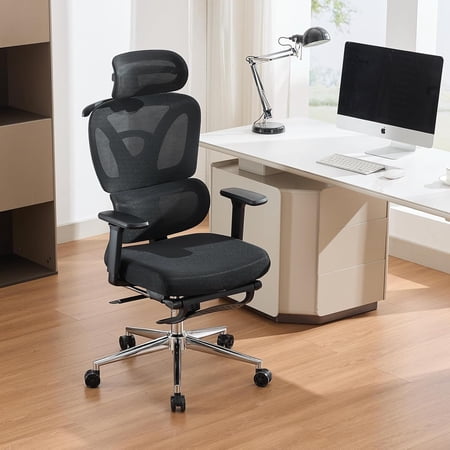
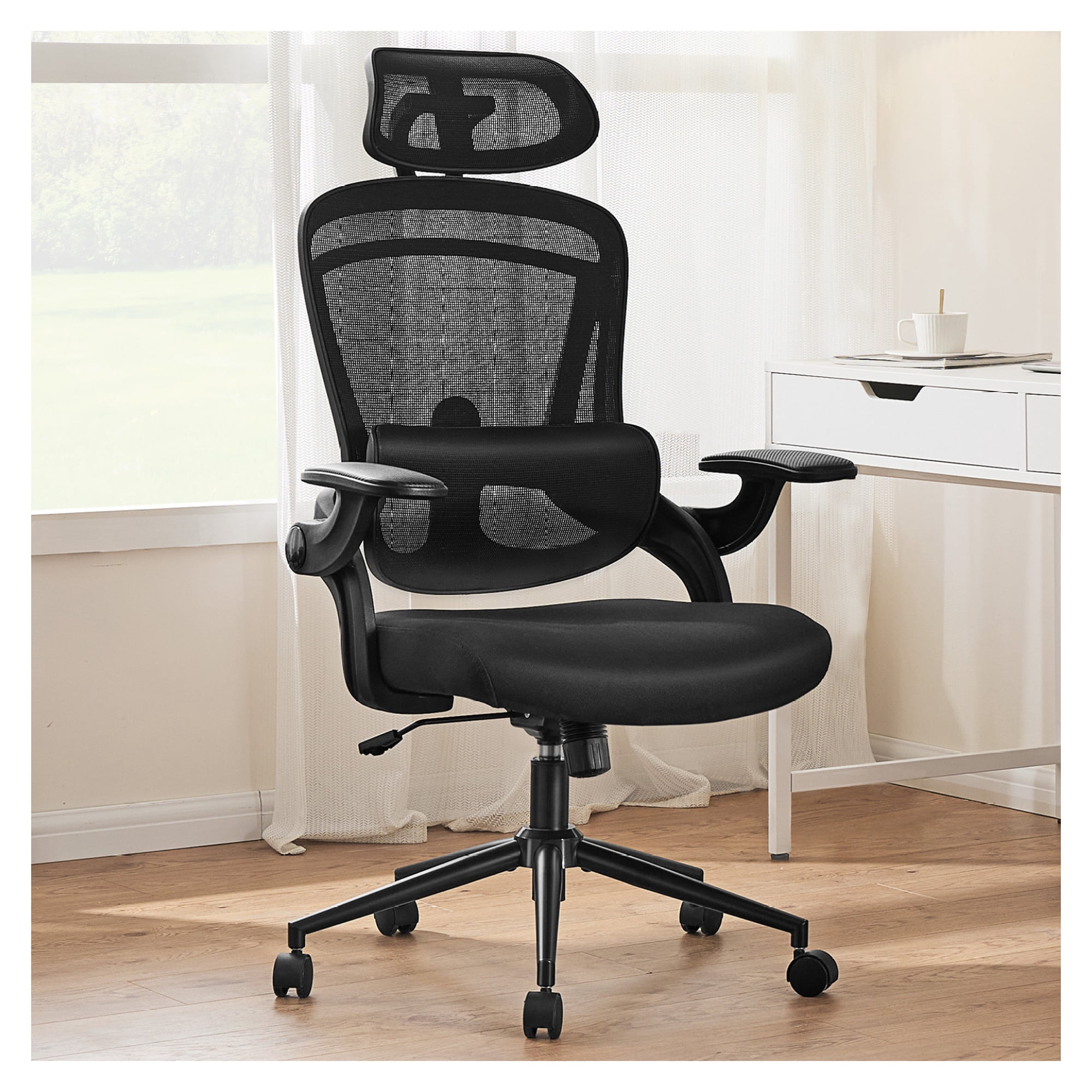
In the modern workspace, comfort is not a luxury; it is a prerequisite for productivity and well-being. A mesh office chair with headrest and lumbar support embodies this principle perfectly. Unlike traditional padded chairs that can trap heat, a mesh back provides continuous air circulation, keeping you cool and dry even during the most intense work sessions. But the benefits go far beyond breathability.
Ergonomic Insight: A study from the Human Factors and Ergonomics Society found that using an ergonomic chair with proper lumbar support and a headrest can reduce reported back and neck pain by up to 50%, leading to a significant increase in focus and overall work satisfaction.
Key Ergonomic Features of a Mesh Chair
Here's why the combination of mesh, a headrest, and lumbar support is a game-changer for your daily comfort:
- Unmatched Breathability: The open-weave mesh fabric allows air to flow freely, preventing heat and moisture buildup. This keeps you comfortable and focused, especially in warmer climates or during long stretches of work.
- Dynamic Back Support: Quality mesh adapts to your body's movements. As you shift in your seat, the mesh flexes, providing continuous, responsive support across your entire back.
- Integrated Headrest: A well-placed headrest supports your neck and cervical spine. It's essential for preventing the 'forward head' posture common in computer users and offers a comfortable place to rest when you lean back.
- Adjustable Lumbar Support: The ability to adjust the lumbar support height and depth is the cornerstone of an ergonomic chair. It allows you to fill the gap between your lower back and the seat back, promoting a healthy S-curve in your spine.
The Anatomy of a Perfect Mesh Chair
When selecting the ideal mesh office chair, understanding the function of each component will help you make a better decision. Here's a breakdown of the key features to look for:
| Feature | How It Helps | What to Look For |
|---|---|---|
| Adjustable Headrest | Supports the neck and head, reducing strain and tension in the upper back and shoulders. It's crucial for avoiding tech-neck and associated headaches. | An adjustable headrest that moves up and down and tilts forward or backward to support your natural neck curve. |
| Adjustable Lumbar Support | Maintains the lower spine's natural curve, preventing slouching and back pain. This is the single most important feature for long-term back health. | A lumbar support that can be adjusted both vertically (up and down) and in depth (in and out) for a customized fit. |
| High-Quality Mesh Back | Provides breathable, dynamic support that conforms to your spine's shape, distributing weight evenly across your back. | Elastic, durable mesh that doesn't sag over time. Look for a chair with a reinforced mesh back for added longevity. |
| Seat Depth Adjustment | Allows you to adjust the distance from the front of the seat to the backrest, ensuring proper thigh support and preventing pressure points behind the knees. | A sliding seat mechanism that lets you adjust the depth to leave about 2-4 inches between the front edge of the seat and the back of your knees. |
| 4D Armrests | Relieve pressure on the shoulders and arms. Properly adjusted armrests support your forearms, reducing the risk of carpal tunnel and neck pain. | Armrests that can be adjusted in four directions: up/down, in/out, forward/backward, and swivel. |
Health and Productivity Benefits
The health benefits of a well-designed mesh chair are significant and directly impact your work performance. Here is a closer look:
Spinal Alignment
Proper lumbar support helps you maintain the natural 'S' curve of your spine, which is essential for reducing stress on your vertebrae and muscles. This prevents long-term back issues.
Reduced Muscle Fatigue
By providing proper support, the chair allows your muscles to relax, requiring less effort to keep you upright. This reduces energy expenditure, helping you stay alert and focused for longer.
Improved Circulation
Breathable mesh and a seat with a waterfall edge (which slopes down) reduce pressure on the back of your thighs, promoting better blood circulation and preventing swollen legs or fatigue.
Increased Focus
When you aren't constantly shifting to find a comfortable position, your brain can dedicate more resources to the task at hand. A comfortable chair is a silent productivity booster.
These benefits combine to create a workspace where you can perform at your best. A mesh office chair with headrest and lumbar support is an investment in your health and career.
Your Step-by-Step Guide to Choosing the Perfect Mesh Chair
Selecting the right chair involves more than just picking one that looks good. Follow this guide to ensure you choose a chair that fits your body and work style.
Step 1: Evaluate Your Physical Needs
- Measure Your Height: Determine the ideal seat height range. Most chairs accommodate a standard desk height of 28-30 inches.
- Consider Your Weight: Check the chair's weight capacity. Look for models with robust metal frames for durability.
- Assess Your Back Pain: If you have specific lower back pain, prioritize chairs with highly adjustable lumbar support. For neck issues, a headrest is non-negotiable.
Step 2: Match the Chair to Your Workspace
A sleek, modern mesh chair fits well in any decor and provides the comfort needed for a full workday.
Choose chairs with a professional aesthetic and robust ergonomic features for a high-performance environment.
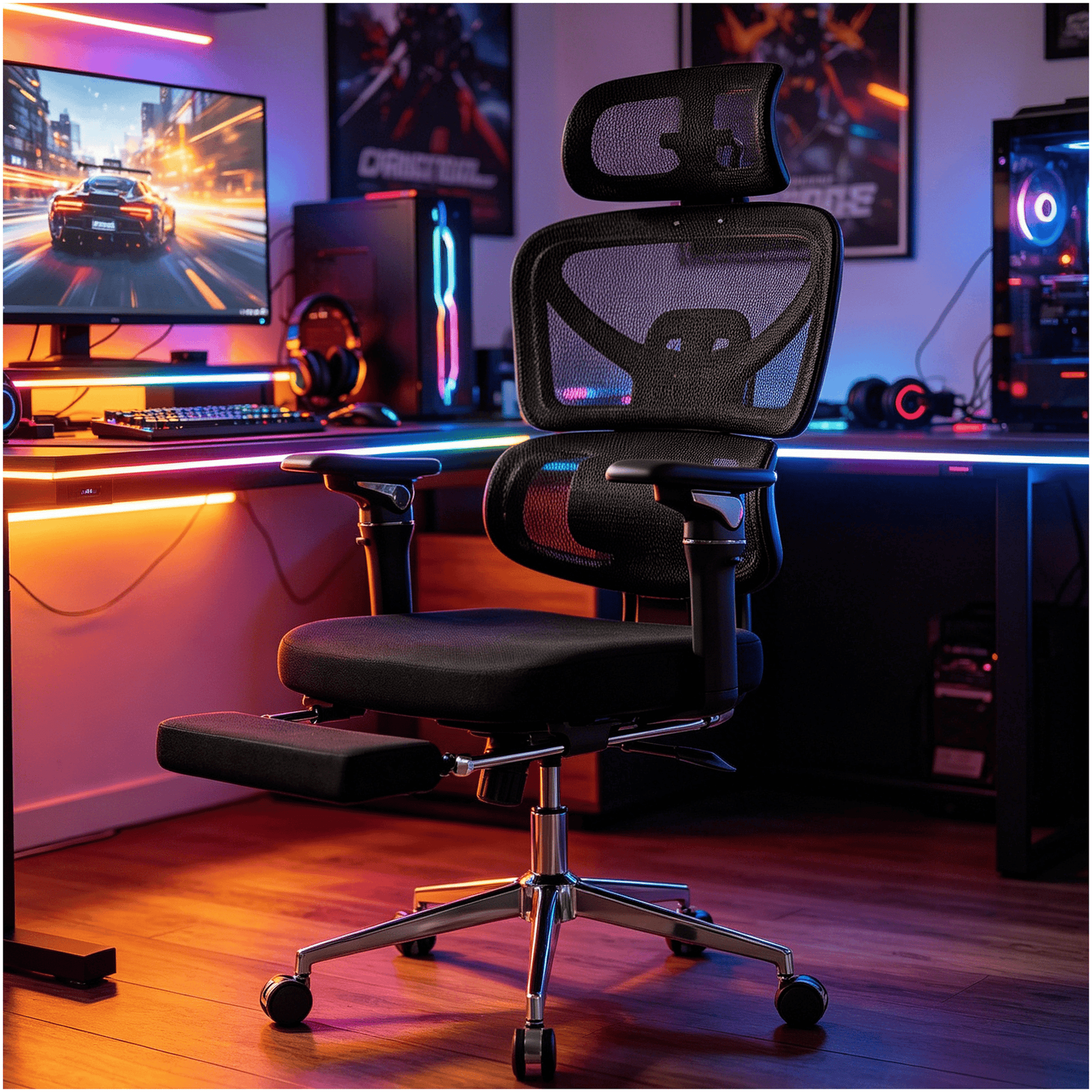
Breathability is key for long gaming sessions. A headrest is also essential for marathon sessions.
Durability and comfort during long, sedentary periods are the top priorities for customer service roles.
Step 3: Test the Chair Virtually or In-Store
Pro Tip: When testing a chair, sit in it for at least 10-15 minutes. Pay attention to how your back and neck feel. Ensure the headrest cradles your head without forcing it forward, and the lumbar support fills the curve of your lower back. Simulate your typical work tasks.
Maintaining Your Mesh Office Chair for Longevity
A good mesh chair is an investment. Proper maintenance will ensure it provides comfort and support for many years. Follow these simple steps:
- Regular Vacuuming: Use a brush attachment to gently vacuum the mesh back and seat. This removes dust, skin cells, and debris that can build up over time.
- Spot Cleaning: For more stubborn dirt, mix a small amount of mild dish soap with warm water. Dip a soft microfiber cloth in the solution, wring it out, and gently blot the stain. Rinse with a clean, damp cloth and let it air dry.
- Lubricate Moving Parts: Apply a silicone-based lubricant to the chair's moving parts (like the swivel base and armrest adjustments) every 6-12 months to ensure smooth operation and prevent squeaking.
- Tighten Screws and Bolts: Periodically check all screws and bolts and tighten them as needed to maintain stability and safety.
- Protect from Direct Sunlight: Prolonged exposure to direct sunlight can weaken and discolor the mesh fabric. Place your chair away from windows or use blinds to protect it.