
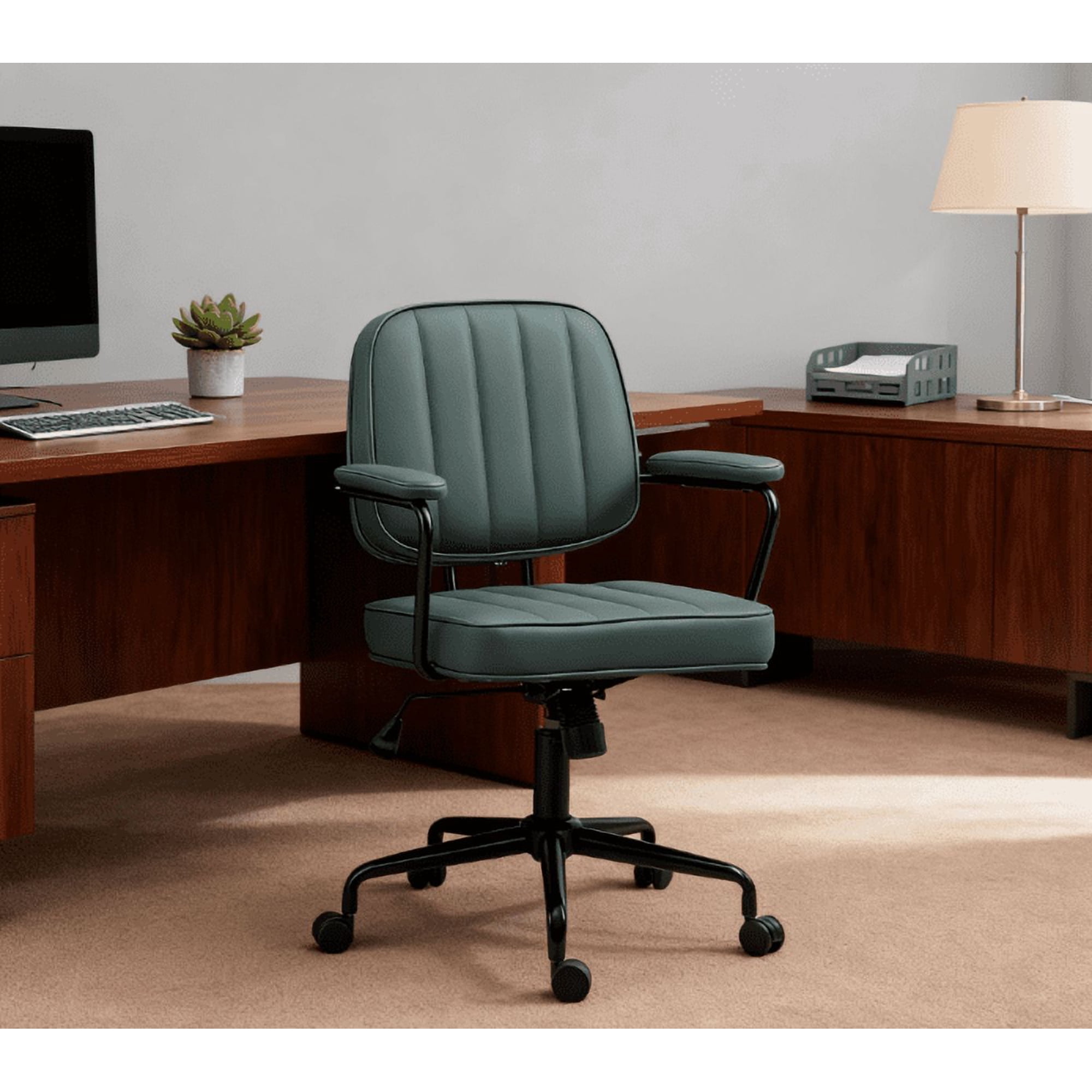
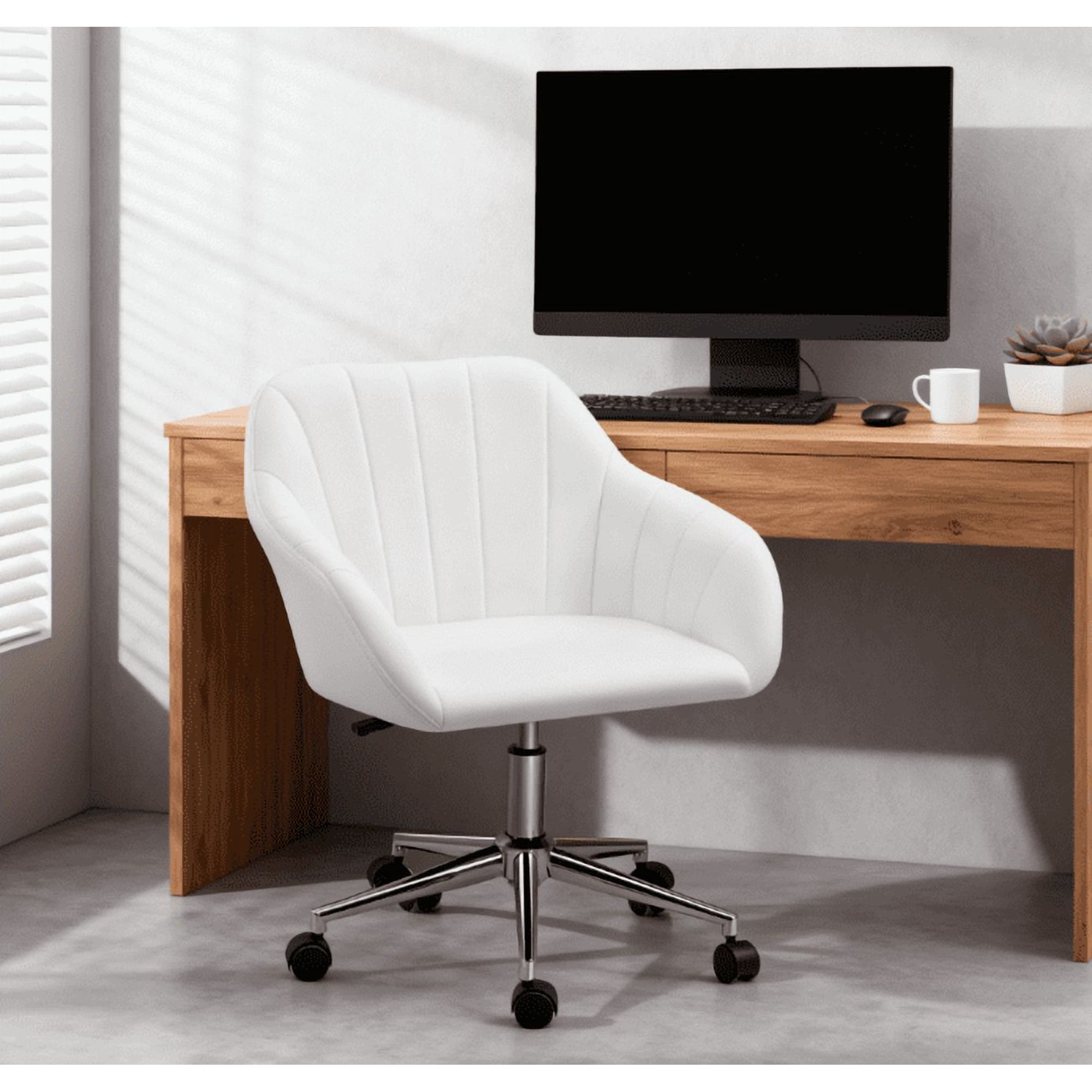
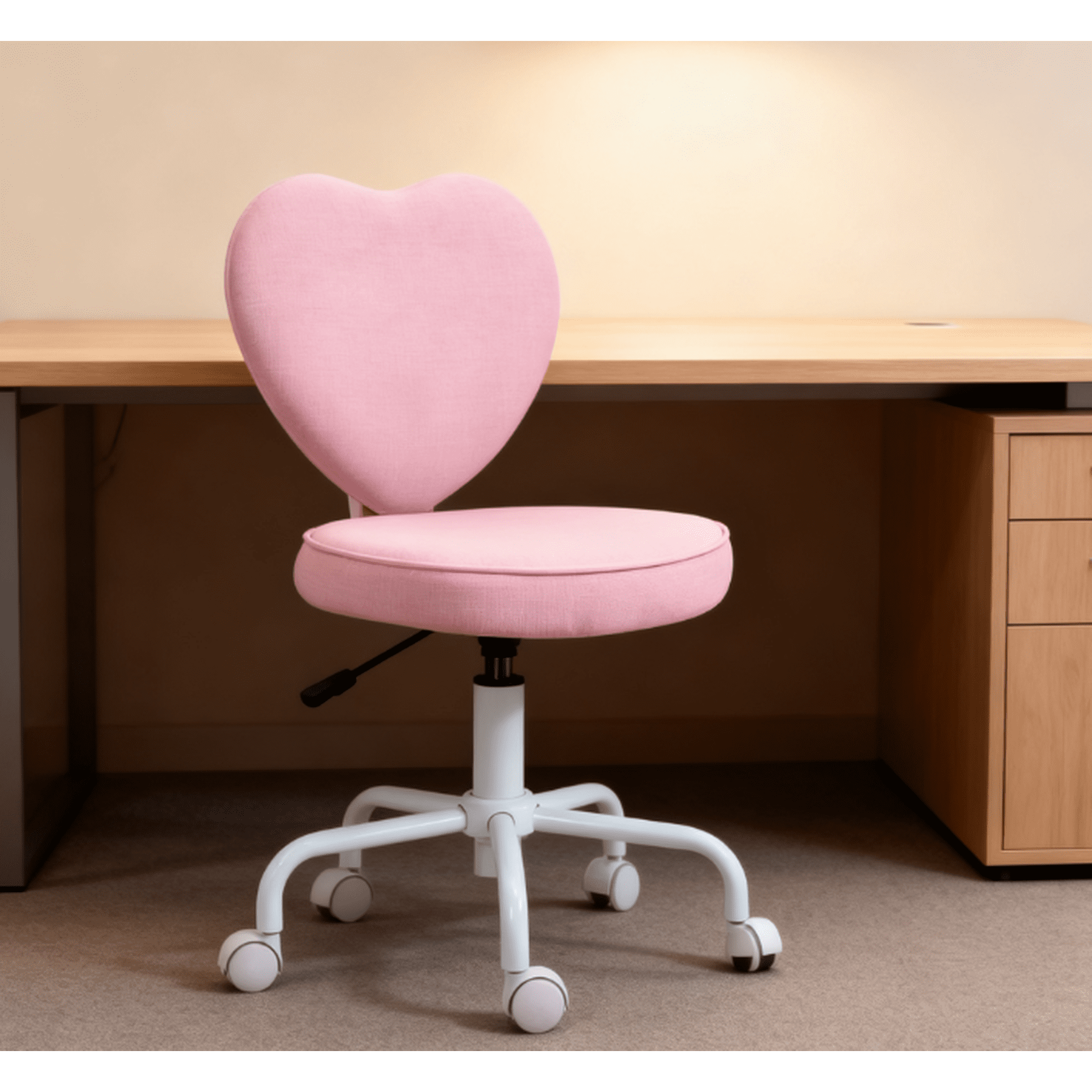
Why a "Good Comfy Office Chair" Transforms Your Workday
Think of your office chair not as furniture, but as a personal wellness device. Just like a quality mattress determines your sleep, a good comfy office chair determines your daily energy, focus, and spinal health. For professionals spending 6–10 hours seated, comfort isn't a luxury — it's a productivity tool.
Did you know? A study by the American Chiropractic Association shows that 80% of office workers experience back pain, yet investing in a supportive, plush ergonomic chair reduces discomfort by over 60%. Comfort-driven seating also boosts cognitive performance by reducing physical stress signals to the brain.
The Anatomy of True Comfort: Key Features to Look For
A chair that feels "comfy" in a showroom might not support you all day. Real comfort is engineered. Here are the non-negotiable elements that define a premium comfy office chair:
Material Breakdown: Finding Your Perfect Comfort Match
Choosing the right upholstery is essential for both tactile comfort and long-term durability. Below is a detailed comparison to guide your selection:
| Material Type | Comfort Experience | Durability | Best For |
|---|---|---|---|
| Premium Breathable Mesh | Cool, airy, with gentle contouring; moderate plushness | 8–10 years (resists sagging) | Hot climates, long active work, tech professionals |
| High-Density Fabric | Soft, warm, and plush; excellent cushioning | 6–8 years (stain-resistant treatments help) | Home offices, creative professionals, cooler environments |
| Memory Foam + Fabric | Cloud-like contouring, reduces pressure points | 5–7 years (foam may soften) | Those with chronic pain or long sitting hours |
| Top-Grain Leather | Luxurious feel, molds to body over time | 10–15 years with care | Executive offices, premium aesthetics, easy cleaning |
Ergonomic Comfort vs. Traditional Plush: Striking the Balance
Many people assume comfort means sinking into a pillow-soft chair. However, true ergonomic comfort requires structured support. A high-quality comfy office chair marries plush cushioning with firm, adjustable elements. Think of it like a high-end car seat: it feels soft initially but provides essential lumbar and side support to keep you aligned on long journeys.
- Support zones: Firm lumbar and pelvic support + soft seat foam = ideal balance.
- Waterfall edge: A gently curved front edge reduces pressure behind the knees, improving circulation.
- Recline range: Look for chairs that allow a minimum of 15–20 degrees of recline with adjustable tension to match your weight.
📊 Pro Tip: When testing a comfy chair, sit for at least 15 minutes. Notice if your hips sink too deep (lack of support) or if you feel pressure points. Your spine should feel relaxed yet aligned — as if the chair is hugging your body naturally.
Health & Productivity Benefits: More Than Just Comfort
Investing in a high-quality comfortable chair yields measurable returns:
- 67% reduction in reported back and neck stiffness — employees in a 2023 workplace study noted significant pain decrease after switching to ergonomic-comfy chairs.
- Increased focus duration — comfortable seating reduces micro-movements (fidgeting) by up to 40%, allowing deeper concentration.
- Better mood & reduced fatigue — physical discomfort elevates cortisol; a supportive chair lowers stress markers.
When you remove physical distractions, your brain can fully engage with complex tasks. For remote workers, a comfy chair becomes the foundation of a productive home office environment.
How to Select Your Ideal Good Comfy Office Chair: Step-by-Step
1. Assess Your Daily Sitting Profile
- Hours seated: 4–6 hours? Mid-range padding works. 8+ hours? Prioritize memory foam + adjustable lumbar.
- Work style: Task-oriented (upright) vs. creative (reclining, thinking positions) — match tilt mechanisms.
- Body dimensions: Height, weight, and hip width to determine seat width and back height.
2. Prioritize Adjustability Over Static Plushness
Choose chairs with at least: seat height, armrest width/height, tilt tension, and lumbar depth. More adjustments = personalized comfort that adapts to your body, not the other way around.
3. Consider Workspace Compatibility
Measure your desk height. Armrests should slide under the desk when not in use. For sit-stand desks, ensure pneumatic cylinder has enough range (typically 18–22 inches from floor to seat).
4. Test or Trust Warranties
If buying online, look for chairs with at least 5-year warranty on frame and 2-year on components. Free returns or trial periods are ideal to ensure real-world comfort matches expectations.
Long-Term Care: Keeping Your Comfy Chair Like New
To extend the life of your comfortable office chair:
- Vacuum fabric/mesh monthly to remove dust and debris.
- Condition leather twice a year to prevent cracking.
- Tighten bolts and check gas lift mechanism annually.
- Rotate usage if possible to prevent uneven foam compression.