
Why Seat Thickness Matters More Than You Think
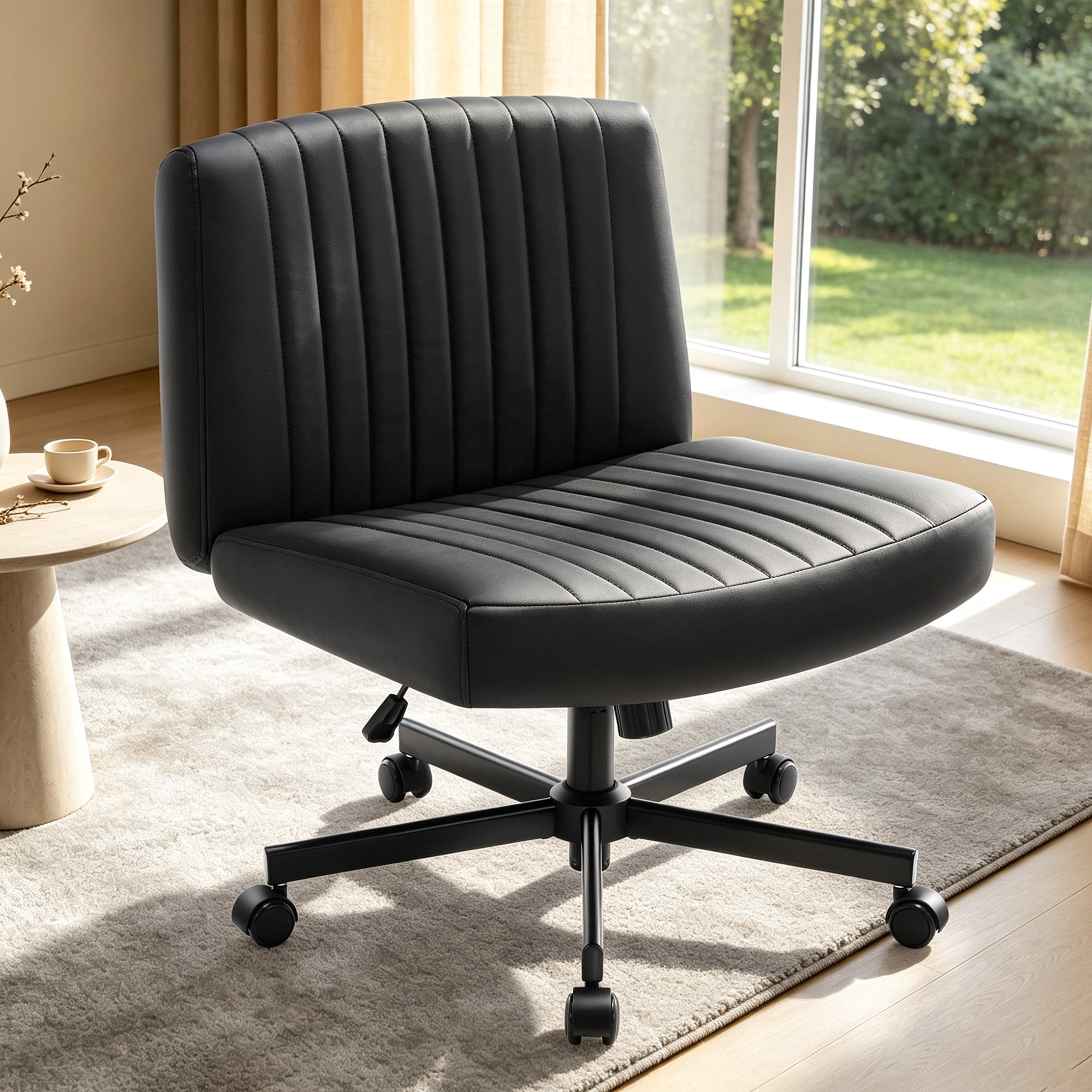
Imagine sitting on a firm park bench versus sinking into a well‑padded theater seat. That’s the difference a thick cushion office chair makes. For professionals, creatives, or anyone logging eight-plus hours at a desk, the seat is your landing zone. A thin, low‑density cushion leads to “bottoming out” – where you feel the hard seat pan – causing discomfort, restlessness, and even circulation issues.
According to ergonomic studies, proper padding reduces peak pressure on the ischial tuberosities (sit bones) by up to 40%. This isn’t about luxury; it’s about sustained energy and focus. A plush yet supportive cushion keeps you comfortable, so you’re not constantly shifting and losing your workflow.
Anatomy of a Quality Thick Cushion Office Chair
Not all thick cushions are created equal. The best ones combine multiple layers:
- Support foam base (high‑density polyurethane) – prevents sagging and provides structure.
- Comfort layer (memory foam or soft latex) – conforms to your body shape, relieves pressure points.
- Contouring or ergonomic shaping – some chairs have a slight waterfall front to reduce thigh pressure.
- Breathable cover (fabric, mesh, or perforated PU) – wicks moisture and prevents heat buildup.
Who Benefits Most from Extra Padding?
🕴️ Executives & managers
Long meetings and desk work require a seat that feels welcoming all day. Thick cushioning conveys a sense of prestige and physical comfort.
💻 Remote workers & freelancers
When your office is your home, you want a chair that feels like furniture. Thick padding adds coziness without sacrificing productivity.
🧑🦰 People with hip or tailbone sensitivity
Extra cushioning reduces direct pressure on bony areas, making it easier to sit longer without pain.
🏋️ Big & tall individuals
Higher body weight demands more cushioning to prevent bottoming out. Reinforced thick seats provide both comfort and durability.
Thickness Spectrum: How Much Cushion Do You Need?
Seat thickness typically ranges from 2 inches (basic task chairs) to 6+ inches (oversized executive or “overstuffed” chairs). Here’s a quick guide:
For most people, a 4‑ to 5‑inch cushion strikes the ideal balance: enough padding to feel luxurious, but not so thick that you lose stability or sit too high.
Materials That Make or Break a Thick Cushion
The “thick” label is meaningless if the materials degrade quickly. Focus on these construction details:
- High‑Resilience (HR) foam: Retains shape for years, used in premium seating.
- Memory foam + support core: Combines contouring with push‑back support.
- Pocket springs (rare but excellent): Some luxury chairs add springs inside the foam for extra bounce.
- Cover fabric: Look for at least 100,000 double rubs (heavy‑duty commercial grade) if you want the upholstery to last.
Ergonomics Don’t Stop at the Cushion
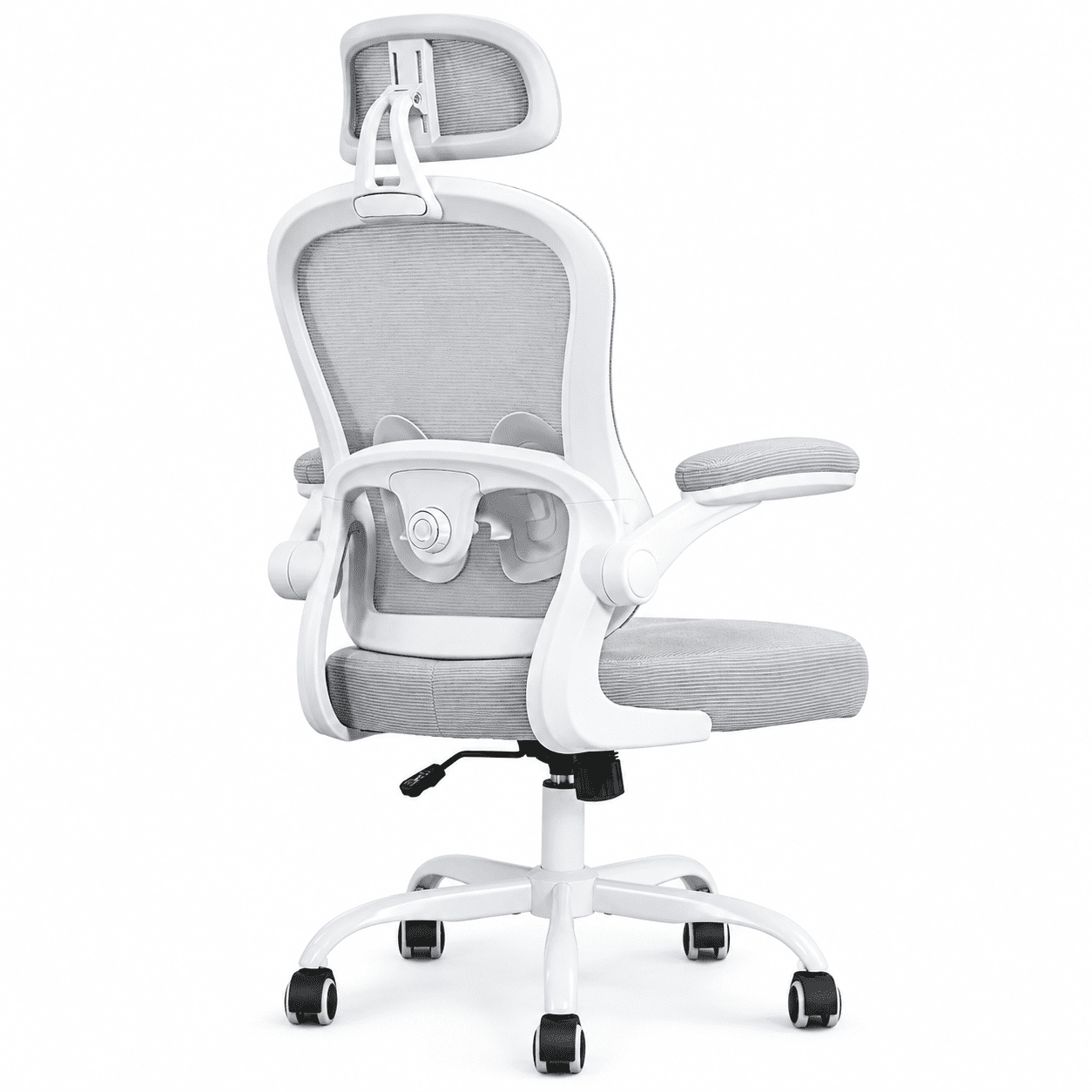
A thick seat is wonderful, but it must work with the chair’s ergonomic features. The best thick cushion office chairs also offer:
- Adjustable lumbar support – because your lower back needs alignment regardless of seat plushness.
- Seat depth adjustment – ensures the thick cushion fits your thigh length (usually 2–4 inches of adjustment).
- Multi‑function armrests – 4D arms let you rest elbows without shrugging shoulders.
- Synchro‑tilt or recline mechanism – lets you lean back while your feet stay planted.
Think of the thick cushion as the foundation; the rest of the chair is the support system that prevents slouching.
Five Signs You Need a Thicker Cushion
- You feel the hard seat base – after 30 minutes, your hips start aching because the foam compresses completely.
- You constantly reposition – crossing legs, perching on the edge – your body is trying to escape pressure points.
- You have a history of tailbone discomfort – a thick, contoured cushion can offload the coccyx.
- Your current chair looks flat and wrinkled – the foam has lost its resilience, a sign it’s time to upgrade.
- You work more than 6 hours a day seated – investing in superior padding directly impacts your long‑term comfort and productivity.
Maintenance Tips to Extend Cushion Life
A high‑quality thick cushion should last 5–10 years. To get the most out of it:
- Rotate the seat cushion 180° every 6 months (if the chair allows) to even out wear.
- Vacuum fabric covers regularly to remove dust that can break down fibers.
- Avoid sitting on the front edge for hours – it compresses the foam unevenly.
- Keep the chair away from direct sunlight, which can dry out and crack foam/leather.
Thick Cushion vs. Separate Seat Cushion – Which is Better?
Some people buy an office chair cushion for lower back pain or a gel cushion for office chair to add padding to an existing chair. While aftermarket cushions help, they can shift, create uneven height, or lack integration with the chair’s ergonomics. A purpose‑built thick cushion office chair ensures the padding is properly attached, the foam is rated for continuous use, and the seat depth/height are designed around that extra thickness.
Frequently Asked Questions – Thick Cushion Office Chairs
Final Verdict: Is a Thick Cushion Office Chair Right for You?
If comfort is your priority – and you spend hours at a desk – a thick cushion chair is a game changer. It’s like upgrading from a budget mattress to a pillow‑top. Just remember to balance plushness with support: look for high‑density foam, ergonomic adjustments, and a build quality that matches your body type. Pair it with good posture and you’ll wonder how you ever tolerated a thin, unforgiving seat.