
Why "Super Comfy" is the New Standard for Office Wellness
Imagine sitting down at your desk and feeling an immediate sense of relief—a chair that hugs you just right, cradling your body without sacrificing the support you need to power through your day. That's the promise of a super comfy office chair. For years, office seating forced a choice between a rock-hard "ergonomic" perch or a saggy, unsupportive cushion. Today, design has evolved. We now have chairs that combine the luxurious feel of a plush armchair with the scientific support required for 8+ hour workdays.
Whether you're working from home, managing a team, or diving into creative deep work, comfort is no longer a luxury—it's a productivity tool. Studies from the American Chiropractic Association suggest that comfortable, supportive seating can reduce muscle fatigue by up to 40%, allowing you to maintain focus longer. In this guide, we'll explore what defines a truly comfortable chair, the materials that matter, and how to choose one that feels custom-made for you.
Did You Know? A survey by Ergotron found that 86% of workers would choose a more comfortable office chair over a higher salary if given the option. Comfort directly correlates with job satisfaction and reduced physical stress.
The Anatomy of a Super Comfy Office Chair: More Than Just Soft Padding
What separates a truly "super comfy" chair from an ordinary padded seat? It's a careful engineering of layers, materials, and adjustability. Let's dissect the key components that create that blissful sitting experience.
1. The Cushioning Trinity: Foam, Fibers, and Springs
The seat is your throne, and its construction dictates everything. Here’s what to look for:
- High-Density Foam Core: This is the foundation. A density of 2.5 lbs or higher ensures the foam won't flatten out after a few months. It provides resistance so you don't hit the hard base.
- Memory Foam Topper (1-2 inches): This is the "comfy" secret. Memory foam conforms to your unique shape, distributing weight evenly and reducing pressure points. Look for "gel-infused" memory foam to prevent heat retention.
- Pocket Springs (Optional): Some premium chairs incorporate small, independent springs within the cushion, similar to a high-end mattress. This adds a gentle bounce and prevents the foam from compacting over time.
- Breathable Upholstery Wrap: The outer layer should allow air circulation. Plush fabrics like breathable mesh or performance polyester help wick away moisture, keeping you cool even during long sits.
2. The "Hug Factor": Backrest Design and Contouring
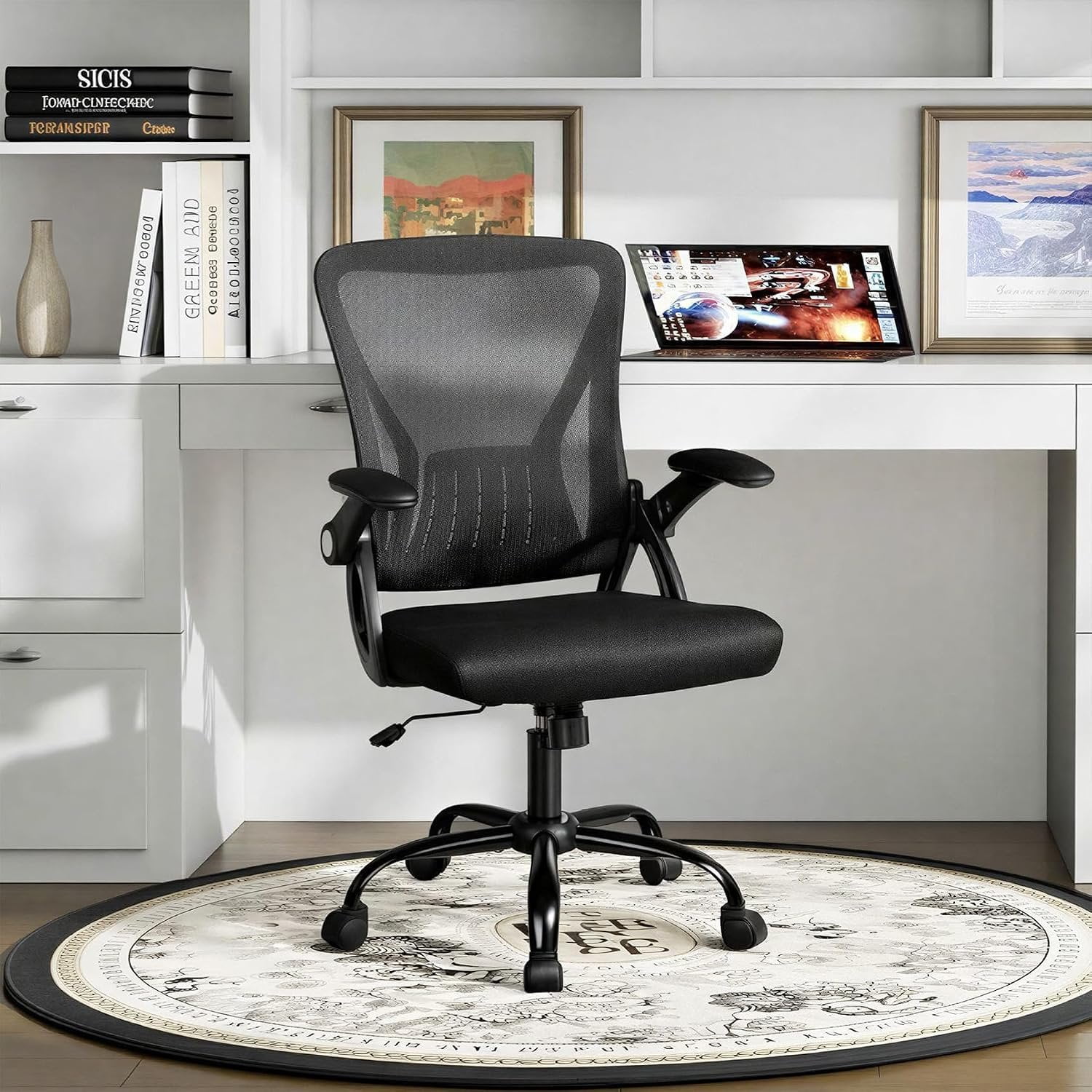
A super comfy backrest doesn't just mean a soft pad. It must follow the natural 'S' curve of your spine. The best designs feature:
- Generous Padding (2-4 inches): The lumbar and shoulder areas should have ample cushioning that yields to pressure but springs back.
- Adjustable Lumbar Support (Padded): Hard plastic lumbar bumps are the enemy of comfort. Seek chairs with a soft, inflatable lumbar bladder or a thick, adjustable pillow that can be moved up and down.
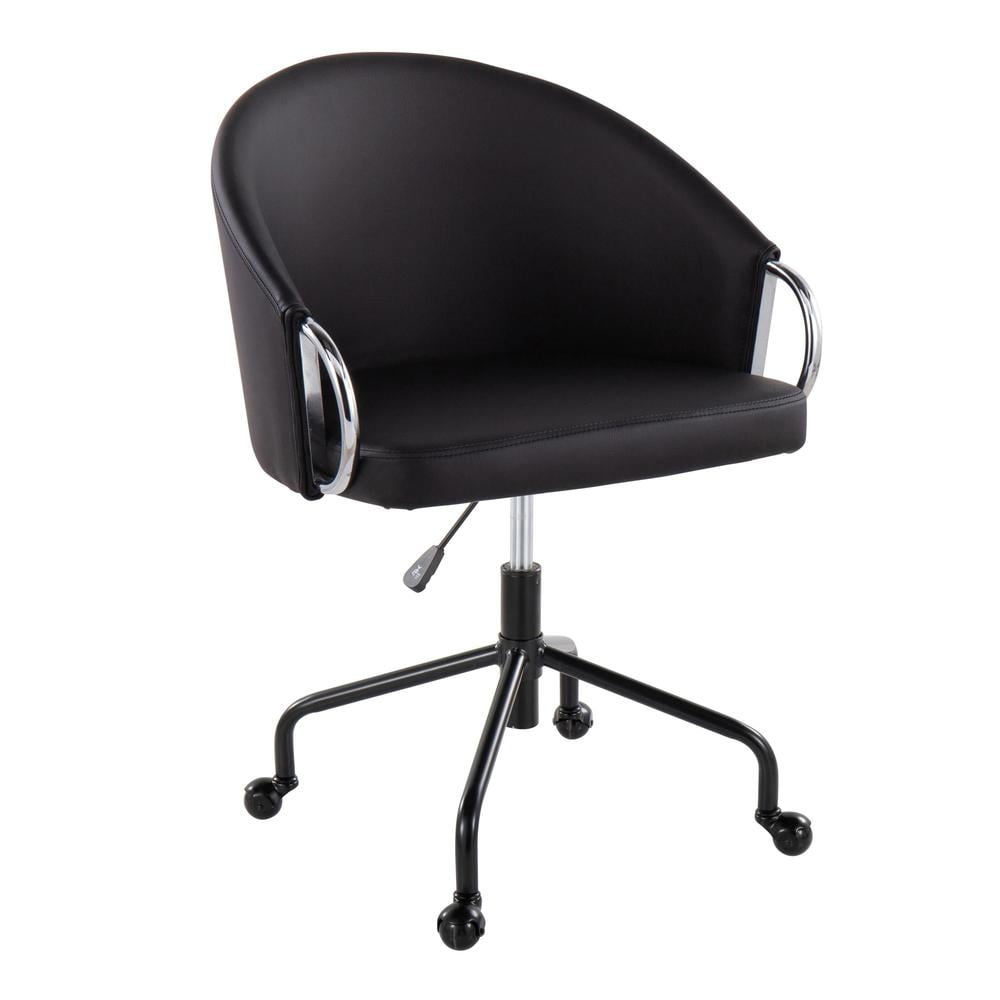
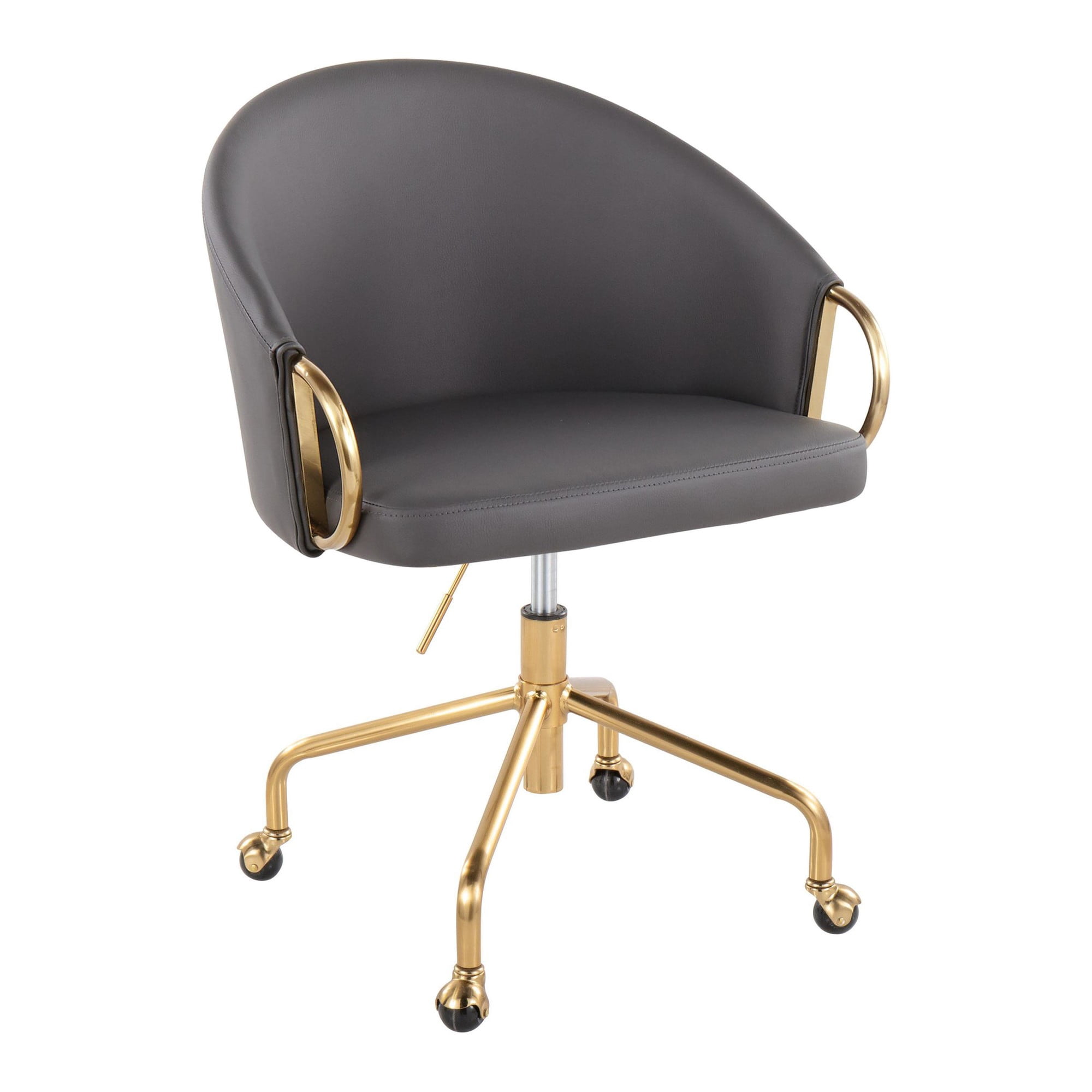
- Winged or Wrap-Around Design: Some chairs have slightly curved backrests that make you feel enveloped, providing a subtle sense of security and side-to-side support.
3. The Foundation: Why a Stable Base Matters for Comfort
You can't feel comfortable if you're wobbling. A super comfy experience relies on a rock-solid base.
- Heavy-Duty Base (350lb+ capacity): A wider aluminum or reinforced nylon base provides stability. This prevents any rocking or tipping, allowing you to relax completely.
- Smooth-Rolling Casters: Gliding effortlessly across the floor reduces the strain of twisting and reaching. Soft rubber casters are best for hard floors, providing a quiet, smooth ride.
- Class 4 Gas Lift: A premium gas lift ensures height adjustment is fluid and holds firmly, preventing that annoying sinking feeling throughout the day.
Material Guide: Which Upholstery Feels the Softest?
The touchpoint matters immensely. Here’s how popular materials rank for that "super comfy" feel:
| Material | Comfort Feel | Best For | Durability |
|---|---|---|---|
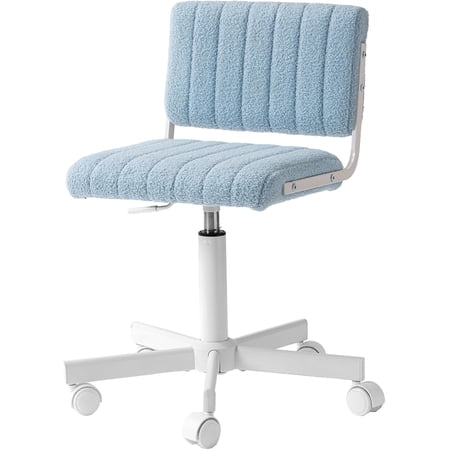
| Velvet/Chenille | Ultra-soft, plush, warm to the touch | Home offices, executive suites seeking luxury | Good (requires care to avoid crushing) |
| High-Performance Fabric (Polyester blend) | Smooth, soft, and breathable | All-day use, warmer climates | Very Good (stain-resistant options available) |
| Bonded Leather over thick foam | Smooth and supple initially, can be soft | Budget-conscious comfort seekers | Fair (may peel after 3-5 years) |
| Premium Top-Grain Leather | Firm but comfortable, molds with age | Professional, traditional offices | Excellent (10+ years) |
| Mesh with foam backing | Supportive, less "huggy," cool | Those who prioritize breathability above softness | Very Good |
4. Little Luxuries that Elevate Comfort
- Padded Headrests: A must for anyone who leans back to read or think. Look for one with at least 2 inches of foam.
- 4D Soft-Padded Armrests: Armrests covered in a soft-touch polyurethane or padded fabric reduce elbow and shoulder strain. Adjustability (height, width, angle) allows you to find the perfect relaxed position.
- Waterfall Seat Edge: A gently sloping front edge eliminates pressure behind the knees, improving circulation and comfort for taller individuals.
Frequently Asked Questions About Super Comfy Office Chairs
Finding Your Perfect Match: The Path to All-Day Bliss
The quest for the super comfy office chair is deeply personal. It's about understanding how your body meets your workspace. We've moved past the era of one-size-fits-all, hard plastic seating. Now, you can demand a chair that feels like a personal retreat while keeping you focused and productive.
Remember to prioritize high-density foam as your base, look for soft-touch materials you love, and never compromise on the key ergonomic adjustments that keep your body aligned. Whether you choose a velvet throne, a breathable fabric marvel, or a leather classic with cloud-like padding, your desk can finally become a place of genuine comfort. Explore the curated selections above, read reviews, and invest in the chair that will support you—comfortably—for years to come.
Final Thought: Comfort is a Continuum
Don't be afraid to test chairs for at least 15 minutes. Sit the way you work. If a chair invites you to relax your shoulders and breathe easy, while still holding you upright—you've found the one. Welcome to a new level of work-from-home bliss.