
Why Your Office Chair Sinks and How to Fix It Permanently
It happens to almost every office chair owner: you set your chair to the perfect height, sit down, and within minutes you’re several inches lower, typing at an awkward angle. This sinking issue is not just annoying—it can lead to poor posture, back strain, and decreased productivity. The good news is that fixing an office chair that sinks is usually a straightforward DIY project that costs less than a dinner out.
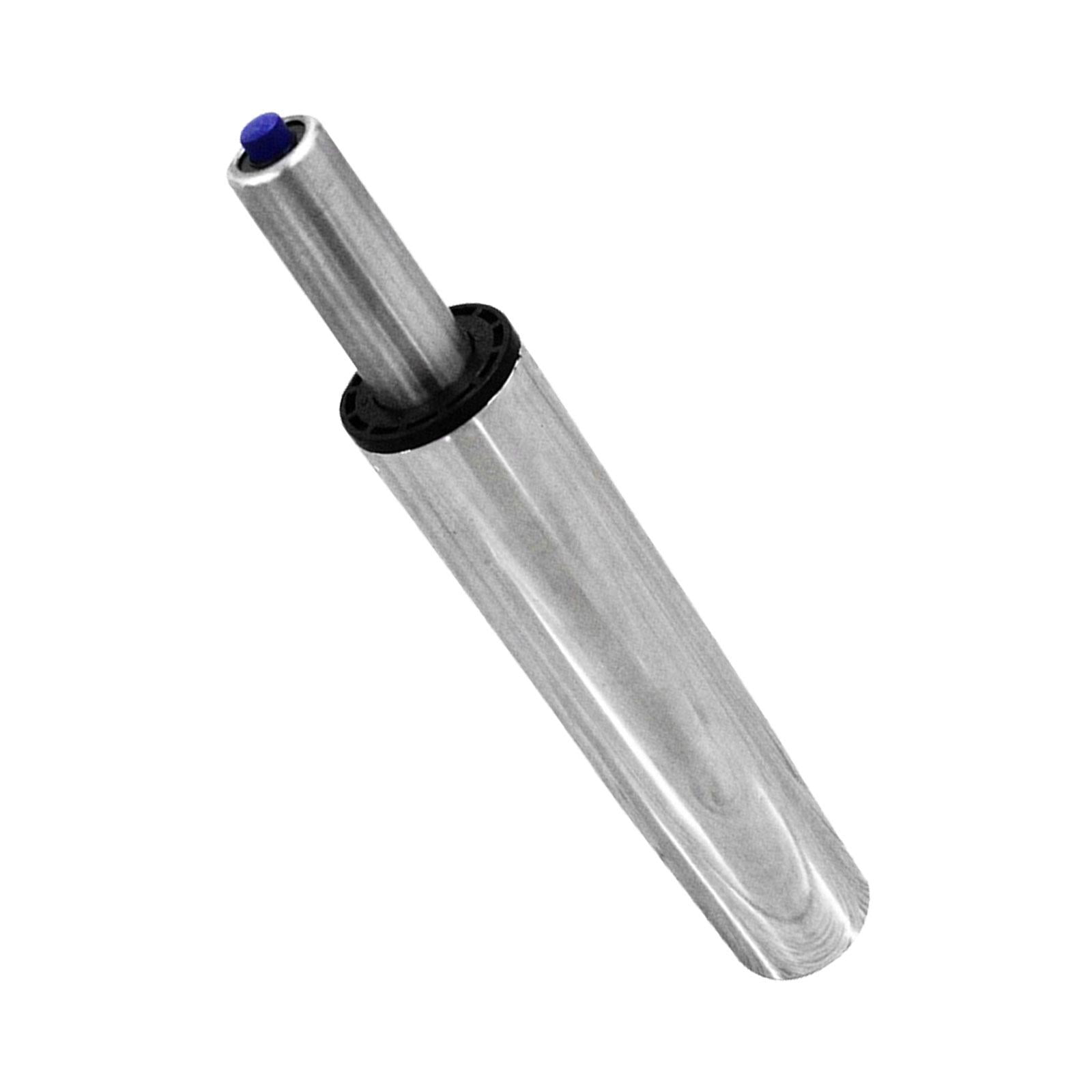
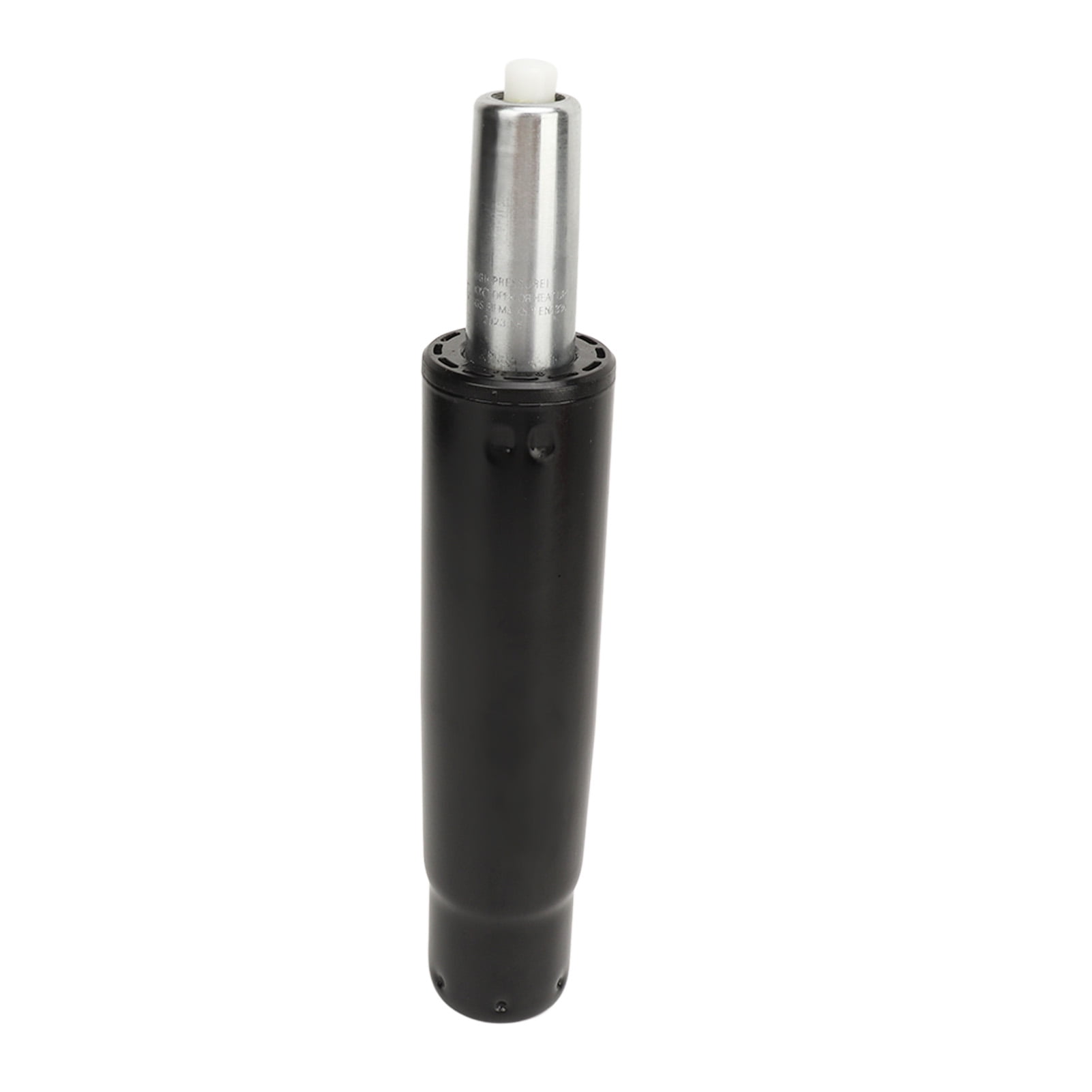
Industry Insight: The gas lift cylinder (also called pneumatic cylinder) is the component responsible for height adjustment. According to office furniture repair specialists, over 85% of "sinking chair" problems are due to a failed cylinder seal. Replacing this part restores full functionality and can extend your chair’s life by 5-10 years.
Common Causes of a Sinking Office Chair
Before grabbing your toolbox, it helps to understand what’s causing the problem. The gas cylinder operates on a simple principle: a piston rod moves inside a sealed cylinder filled with nitrogen gas. When you activate the lever, a valve opens, allowing the gas to move and adjust the height. Over time:
- Worn-out seals: The internal seals degrade, letting gas escape. This results in a slow descent when weight is applied.
- Mechanical failure of the valve: The valve that holds the gas may become stuck or damaged.
- Foreign object interference: Dust or debris can compromise the seal.
- Excessive weight or wear: Chairs used for many years naturally experience cylinder fatigue.
Once you confirm the cylinder is the culprit (and not a broken base or mechanism), you have two routes: a temporary "hack" or a permanent cylinder replacement.
Tools You’ll Need for a Cylinder Replacement
- • Rubber mallet or heavy hammer
- • Pipe wrench or large adjustable pliers
- • Penetrating lubricant (WD-40 or similar)
- • Flat-head screwdriver
- • Replacement gas cylinder (Class 3 or Class 4, universal fit)
- • Optional: PVC pipe section (4-6 inches long) or cylinder puller tool
- • Safety gloves and eyewear
Method 1: Temporary Fix Using a Pipe Clamp or PVC Sleeve
Quick Solution for Immediate Relief
If you need a fast fix while waiting for a replacement cylinder, this method works by physically preventing the cylinder from compressing.
- Remove the chair base: Turn the chair upside down. Locate the metal retaining clip (or "snap ring") that holds the cylinder to the wheel base. Use a flathead screwdriver to pry it out carefully.
- Separate the cylinder from the base: Apply penetrating lubricant to the joint. Tap the cylinder with a rubber mallet to loosen it. Sometimes you need to place the base on a solid surface and hit the cylinder end with a hammer (using a block of wood to protect it).
- Measure and cut a PVC pipe: Once the cylinder is free, measure the exposed metal shaft. Cut a piece of PVC pipe (or use a metal pipe clamp) that fits around the piston rod. The sleeve should be long enough to prevent the rod from retracting completely when you sit down.
- Insert the sleeve: Slide the PVC pipe over the piston rod, then reassemble the cylinder back into the base and the chair mechanism. This sleeve acts as a stopper, keeping your chair at a fixed height.
Method 2: Permanent Fix – Replace the Gas Cylinder
Step-by-Step Cylinder Replacement Guide
Replacing the cylinder is the most reliable way to fix a sinking office chair. Follow these steps carefully:
- Prepare the chair: Remove the seat cushion if possible (some chairs have bolts). Turn the chair upside down so the wheel base is up.
- Detach the wheel base from the cylinder: Spray penetrating oil on the connection point. Use a pipe wrench to grip the cylinder housing and twist while holding the base steady. Alternatively, place the base on a stable surface, position a hammer against the cylinder’s bottom edge, and strike firmly until it releases. A cylinder puller tool simplifies this step.
- Remove the cylinder from the chair mechanism: The cylinder is also attached to the seat plate. Flip the chair right-side up and locate the connection. Spray lubricant. Use a rubber mallet to tap the cylinder sideways or strike downward (with a block of wood) to dislodge it from the seat mechanism.
- Measure and purchase a compatible cylinder: Take measurements of the old cylinder: overall length (extended) and piston diameter. Standard sizes are 1-inch and 1.1-inch. Universal replacement cylinders work for 99% of chairs.
- Install the new cylinder: Insert the new cylinder into the seat mechanism first. Ensure it clicks or fits snugly. Then attach the wheel base by pressing it onto the bottom of the cylinder. You may need to use gentle taps with a mallet.
- Test the chair: Flip the chair upright, sit down, and use the height adjustment lever. Your chair should now hold its position perfectly.
Choosing the Right Replacement Gas Cylinder
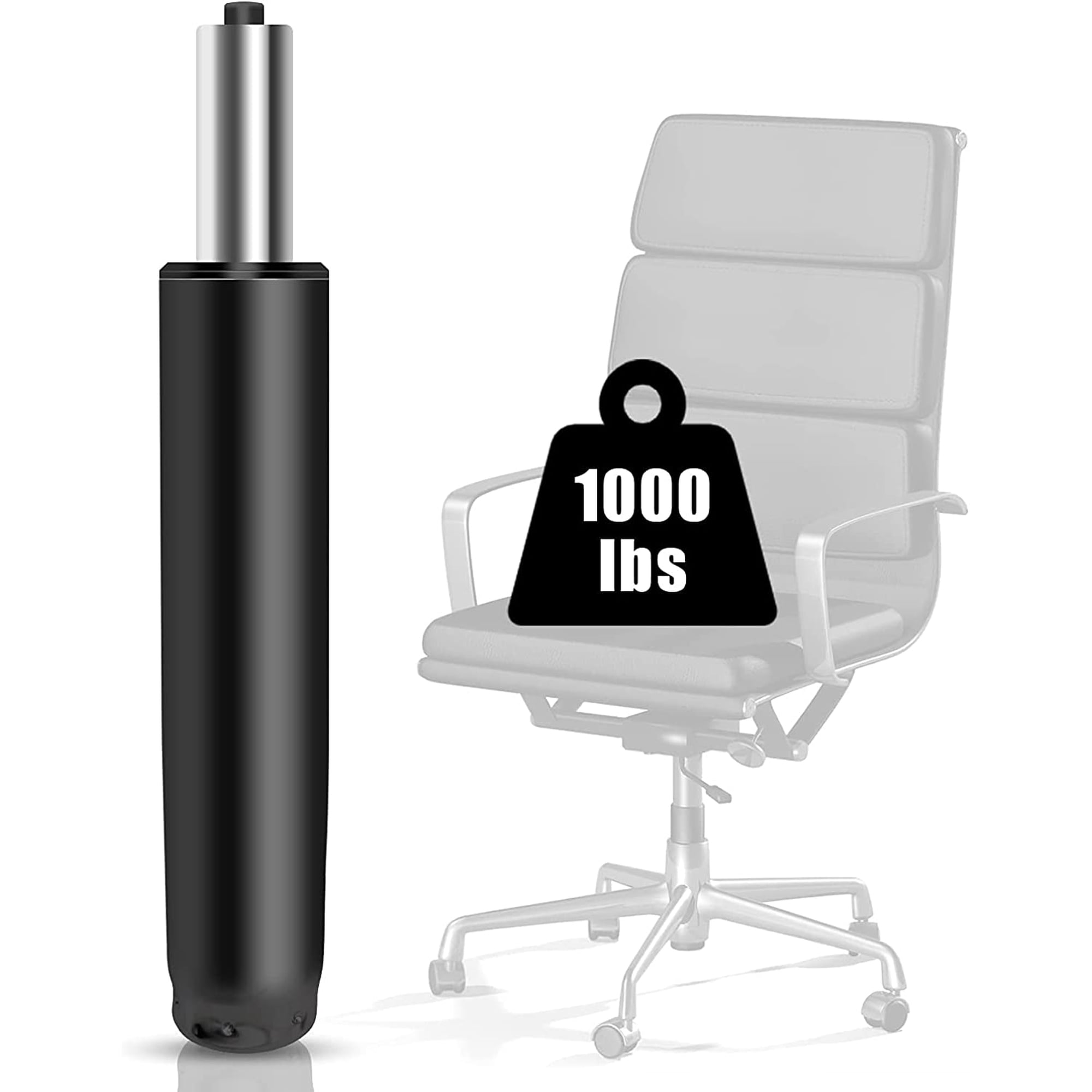
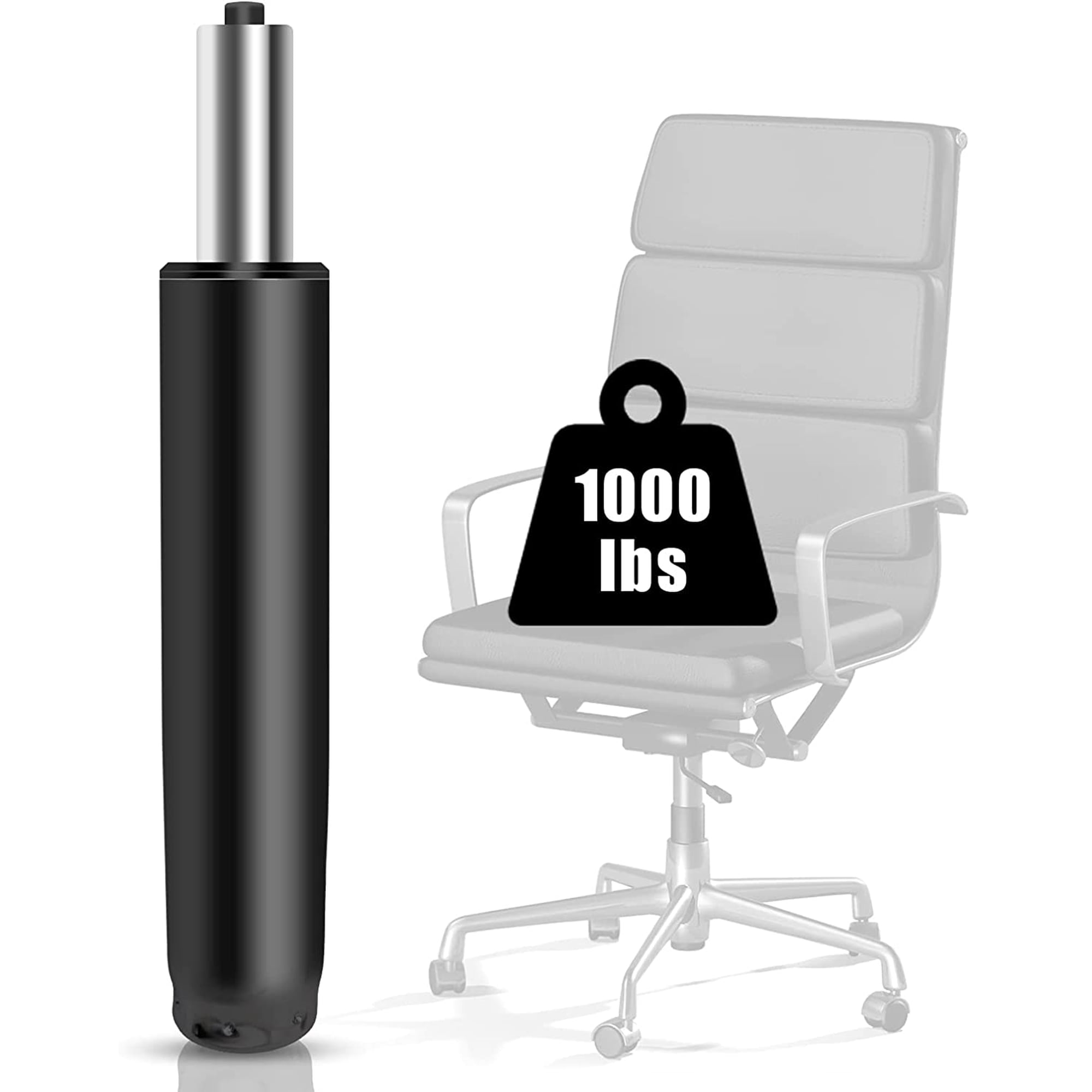
When selecting a replacement, you’ll encounter various classes. Most office chairs use Class 3 or Class 4 cylinders. Class 3 supports up to 250 lbs, while Class 4 supports up to 350 lbs. For heavy-duty or big and tall chairs, opt for a Class 4 cylinder. Universal cylinders often include adapters to fit both sizes.
Standard Cylinder
Cost: $20–$35, suitable for most task and executive chairs.
Heavy-Duty Cylinder
Cost: $35–$55, rated for 300–400 lbs, longer lifespan.
Short Throw Cylinder
Ideal for shorter individuals or desks with limited clearance.
Tall Cylinder
Extra height range for standing desks or tall users.
Preventative Maintenance to Avoid Future Sinking
Once you've fixed the sinking issue, a little maintenance can prevent recurrence:
- Regular cleaning: Dust and debris can damage seals. Wipe the cylinder shaft occasionally with a dry cloth.
- Avoid overloading: Stay within the chair’s recommended weight capacity to reduce stress on the cylinder.
- Lubricate moving parts: Use silicone spray on the cylinder and mechanism every 6–12 months.
- Check for wear signs: If you notice the chair dropping slightly after prolonged sitting, it may be time for a new cylinder before it fails completely.
Frequently Asked Questions About Fixing a Sinking Office Chair
Conclusion: Restore Comfort and Productivity
Dealing with a sinking office chair is a common annoyance, but it’s one of the most solvable furniture problems. Whether you choose a quick PVC sleeve hack for immediate relief or a full gas cylinder replacement for long-term reliability, the repair is well within reach of a weekend DIYer. By following this guide, you can save the cost of a new chair and restore the ergonomic benefits of a properly adjusted seat. Remember, a stable chair supports better posture, reduces back strain, and keeps you focused during long work hours.
If your chair is otherwise comfortable and the base, casters, and upholstery are in good condition, investing in a high-quality replacement cylinder is a smart decision. Browse the recommended products above to find the right cylinder or tool kit for your chair model, and say goodbye to the sinking feeling once and for all.