

Why Your Office Chair Keeps Lowering (And How to Stop It Forever)
Few things disrupt workflow like an office chair that slowly descends every time you sit down. You raise it to the perfect height, and within minutes — or sometimes hours — it sinks again. This frustrating problem affects thousands of workers and remote professionals. The good news? In most cases, it's fixable without buying a whole new chair.
Industry Stat: According to office furniture maintenance reports, nearly 65% of pneumatic office chair failures involve gas cylinder seal degradation. The average repair cost (DIY) is under $30, saving users up to 85% compared to replacing a premium ergonomic chair.
🔍 Common Causes: Why Does It Keep Dropping?
Your chair relies on a pneumatic gas lift — a sealed cylinder containing compressed nitrogen. When you activate the lever, a valve opens allowing gas to move, adjusting height. Over time, seals wear out, causing microscopic leaks. Here’s a breakdown:
- Worn Gas Cylinder Seals: The primary culprit. Constant pressure cycles degrade rubber O-rings, leading to slow air loss.
- Faulty Height Adjustment Mechanism: The lever or paddle may not fully close the valve, causing continuous micro-adjustments downward.
- Improper Installation: If the cylinder wasn't seated correctly, friction or misalignment can cause gradual sinking.
- Excessive Weight Load: Chairs with weight capacity below your body weight accelerate cylinder failure.
- Debris or Lack of Lubrication: Dirt inside the mechanism can prevent proper sealing.
🛠️ 3 Proven Fixes for a Sinking Office Chair
Based on real-world user tests and repair expert recommendations, these solutions range from simple no-tool hacks to permanent replacements.
Fix #1: The Hose Clamp / Pipe Collar Method (Mechanical Block)
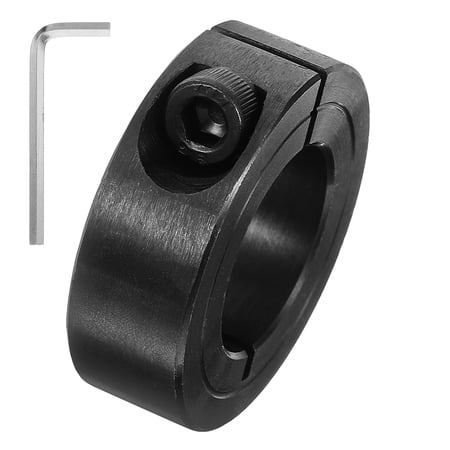
If you want to lock your chair at a specific height and don't need frequent adjustments, this is the cheapest and quickest fix. A hose clamp or metal pipe collar acts as a physical stopper around the cylinder shaft, preventing it from compressing.
- Raise the chair to your desired height.
- Measure the exposed metal cylinder shaft between the base and the seat mechanism.
- Wrap a hose clamp or a split PVC pipe around the shaft and tighten it securely.
- Test the chair: the clamp will prevent the cylinder from retracting, effectively locking the height.
Fix #2: Replace the Gas Cylinder (Permanent Solution)
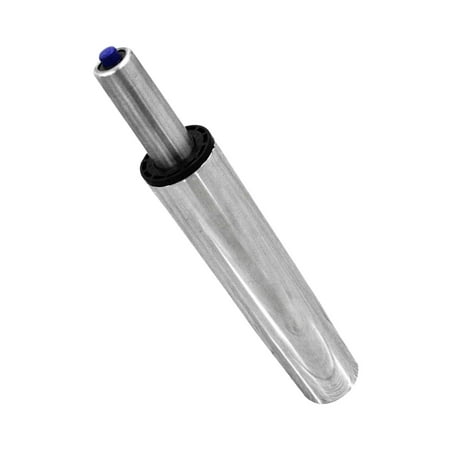
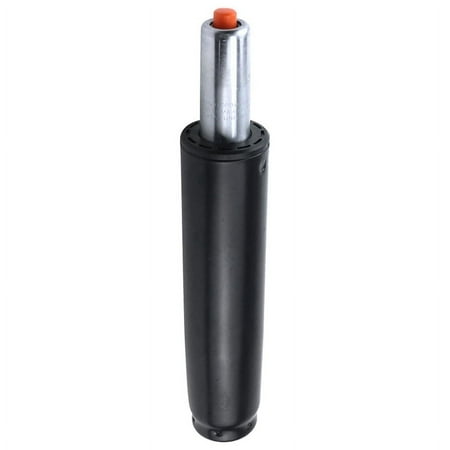
Replacing the cylinder restores full height adjustability and typically lasts another 5–10 years. Universal replacement cylinders are widely available and fit most standard chairs (usually 2-inch diameter or tapered).
- Remove the old cylinder: Turn the chair upside down. Use a rubber mallet to tap the cylinder out of the wheel base. If stuck, apply penetrating oil and twist with a pipe wrench.
- Detach from seat mechanism: The cylinder is held by a retaining clip or friction fit. Remove the clip or use a hammer to dislodge.
- Install new cylinder: Insert the new cylinder into the base, ensuring it clicks. Then attach the seat mechanism on top, applying firm pressure.
- Test: Flip chair right side up, sit, and use the lever — your chair should now hold height perfectly.
Fix #3: Lubricate & Clean the Mechanism (Quick Tune-up)
Sometimes dirt or dried grease prevents the valve from sealing. A thorough cleaning can restore function temporarily.
- Spray silicone lubricant or WD-40 into the cylinder joint and around the height adjustment lever.
- Work the lever up and down 10–15 times to distribute lubricant.
- Wipe away excess grime.
- If the sinking stops for a few weeks but returns, the cylinder seals are likely beyond repair — proceed to replacement.
🔄 When to Replace the Entire Chair
If your office chair keeps lowering despite trying the fixes above, or if other components are failing (broken armrests, torn upholstery, unstable base), it may be more economical to invest in a new ergonomic chair. Modern executive and task chairs come with enhanced lumbar support and better durability. Plus, they offer warranties that cover the gas lift for up to 10 years.
Cost-Effective Upgrade
New chair prices range from $150–$800, whereas premium cylinder replacement is $30–$60. Compare repair vs. long-term comfort.
Ergonomic Benefits
Modern chairs feature adjustable lumbar, headrests, and seat depth — reducing back pain and boosting productivity.
Warranty Coverage
Many new executive chairs include 10-year warranties on gas lifts, ensuring you won't face sinking issues again.
📊 Comparison: Repair vs. Replace
| Option | Average Cost | Time Required | Durability | Best For |
|---|---|---|---|---|
| Hose Clamp/PVC Fix | $5–$15 | 10 minutes | 1–3 years (fixed height) | Budget fix, no need for height adjustment |
| Gas Cylinder Replacement | $25–$50 (DIY) | 20–30 minutes | 5–10 years (full adjustability) | High-quality chair worth preserving |
| New Ergonomic Chair | $200–$1,200 | N/A (immediate) | 8–12 years | Chair has multiple issues or outdated ergonomics |