
Why Your Office Chair Keeps Sinking and How to Fix It
Few things are as frustrating as sitting down at your desk, adjusting your chair to the perfect height, only to feel it slowly descend over the next 20 minutes. This common problem, often described as a chair that "keeps going down" or "sinking," is almost always due to a failed gas lift cylinder. This component, also known as a pneumatic cylinder, uses compressed gas to provide smooth height adjustment. Over time, the internal seals wear out or the cylinder loses pressure, causing it to fail. Before you consider buying a brand new executive chair, know that this issue is usually repairable with a few simple tools and a little patience.
Industry Insight: A high-quality office chair can last 10-15 years. The gas cylinder is often the first component to fail, typically after 3-5 years of heavy use. Replacing it can cost as little as 5-10% of the price of a new premium chair, making it one of the most cost-effective repairs you can do.
Understanding the Mechanism: The Gas Lift Cylinder
To fix the problem, you first need to understand its source. The gas lift is the vertical shaft connecting the chair seat mechanism to the wheeled base. When you pull the lever, a valve opens, allowing gas to move between chambers, which changes the chair's height. A failed cylinder means either:
- Seal Failure: The internal O-rings or seals have worn out, allowing gas to leak past them.
- Loss of Pressure: Over time, the gas pressure can diminish, especially in lower-quality cylinders.
- Mechanical Damage: Physical damage to the cylinder rod can also cause issues.
Luckily, you don't need to be a mechanical engineer to resolve this. There are two primary approaches: a temporary but effective "quick fix" and a permanent "cylinder replacement."
Method 1: The Quick Fix Using a Hose Clamp or Sleeve
Ideal For: A quick, budget-friendly solution when you don't want to remove the cylinder.
This method prevents the chair from sinking by creating a physical barrier that stops the cylinder from compressing. It's a clever hack that works surprisingly well for many users.
Tools & Materials Needed:
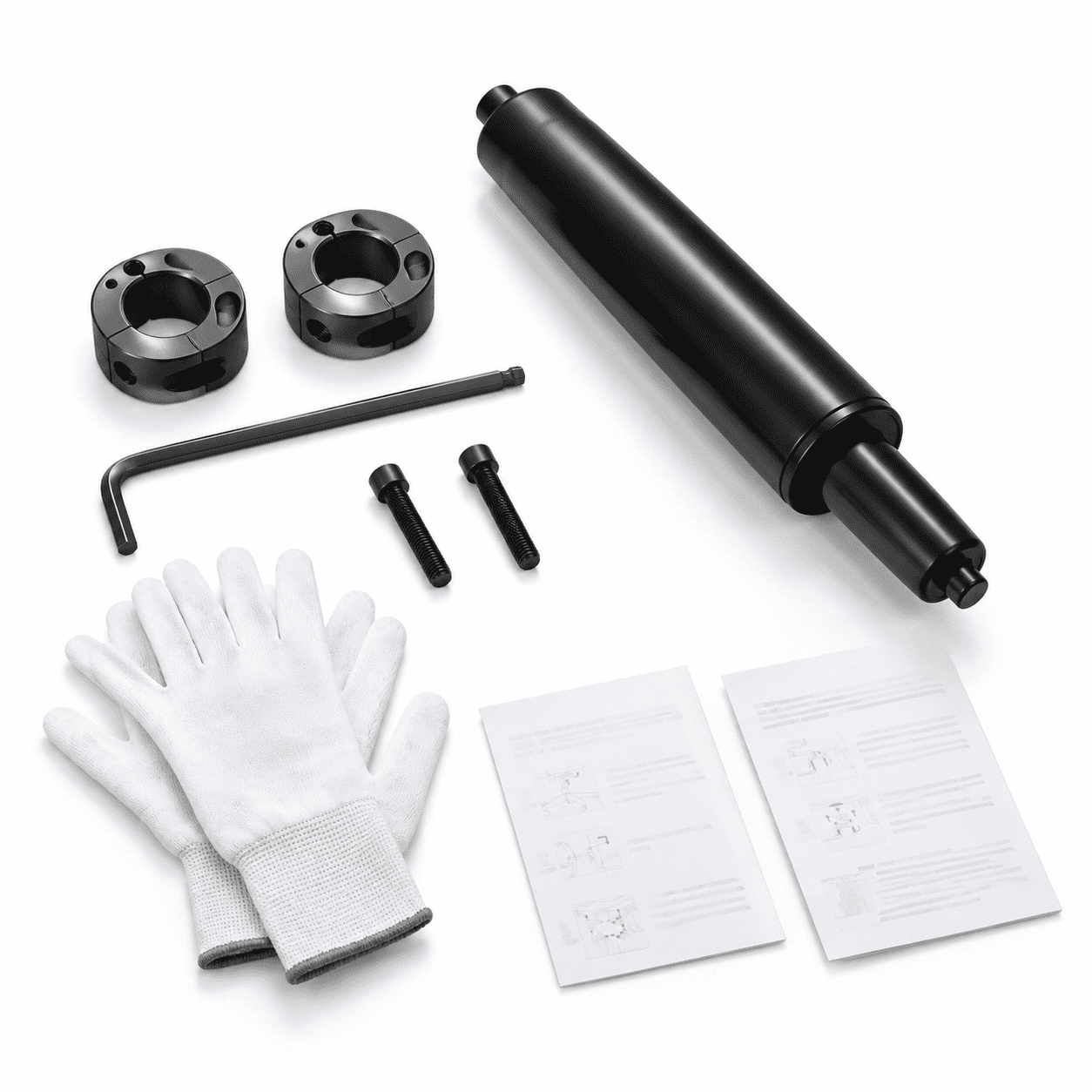
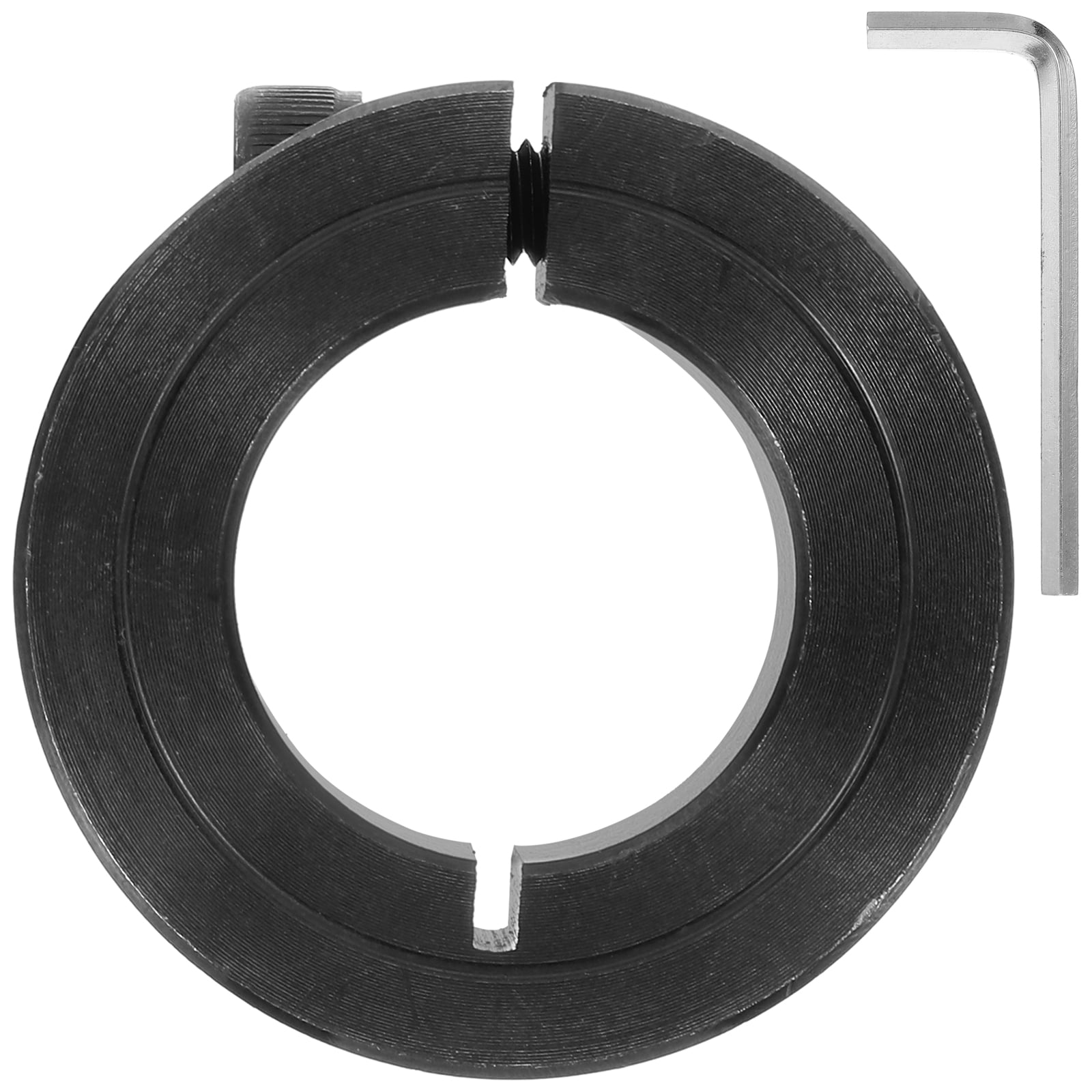
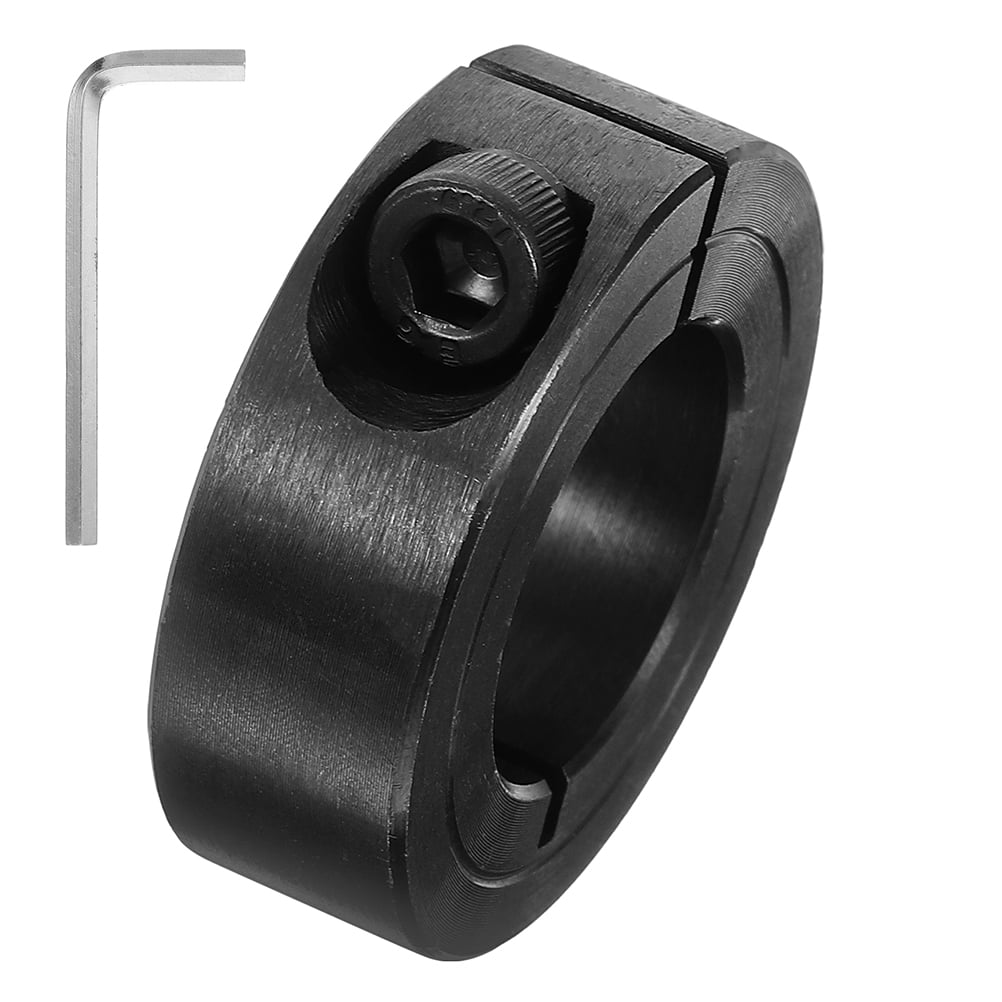
- Hose Clamp or Pipe Clamp: A metal clamp that can be tightened around the cylinder rod.
- A Metal Sleeve or PVC Pipe: A 1-2 inch piece of pipe that fits snugly around the cylinder rod. Its length should be the amount of "sag" you want to prevent plus a little extra.
- Rubber Mallet (optional): For tapping the sleeve into place.
- Safety Glasses: To protect your eyes.
Step-by-Step Guide:
- Adjust to Desired Height: Sit in the chair and raise it to your perfect working height. This is the position you want to lock in.
- Measure and Cut the Sleeve: Measure the exposed metal rod (the shiny part) between the seat mechanism and the base. Cut a piece of PVC pipe or metal sleeve that is slightly shorter than this measurement. This sleeve will sit around the rod and act as a stopper.
- Install the Sleeve: Place the sleeve around the cylinder rod, sliding it down until it rests against the base of the chair's wheel mechanism.
- Secure with a Hose Clamp: Position a hose clamp directly above the sleeve. Tighten it firmly around the rod. The clamp prevents the sleeve from moving up, and the sleeve prevents the rod from compressing into the base. The chair is now mechanically locked at your desired height.
- Test: Sit down and see if the chair holds. This fix is often so effective that many people use it for years without issue.
Method 2: Permanent Repair - Replacing the Gas Cylinder
Ideal For: A permanent, factory-quality repair that fully restores all height adjustability.
Replacing the cylinder is the most thorough solution. While it requires a bit more effort, it's a straightforward process that will make your chair function like new.
Tools & Materials Needed:
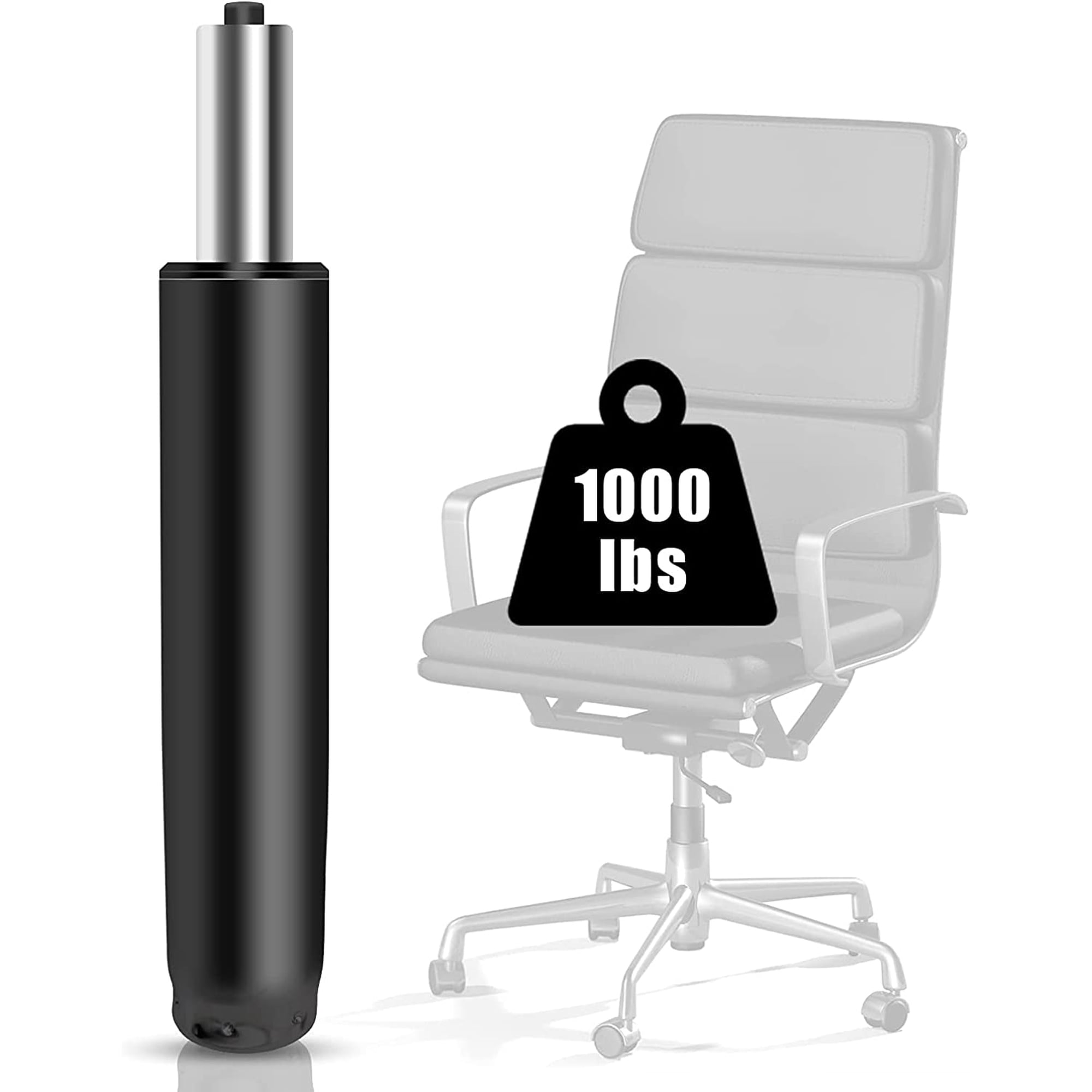
- New Gas Cylinder: Ensure you buy one that matches your chair type (most are universal, but check the specifications). Look for Class 3 or Class 4 cylinders for durability.
- Rubber Mallet: For striking the cylinder to release it from the base and seat mechanism.
- Pipe Wrench or Cylinder Removal Tool: To get a good grip on the cylinder.
- WD-40 or Penetrating Oil: To help loosen a stuck cylinder.
- Safety Glasses and Work Gloves: For protection.
Step-by-Step Guide:
- Prepare the Chair: Flip the chair upside down to access the base and the cylinder. Remove the seat plate bolts if needed for better access, but often you can work with the chair inverted.
- Remove the Base from the Cylinder: Spray a little penetrating oil at the point where the cylinder meets the star base. Strike the cylinder's side where it attaches to the base using a rubber mallet. A few sharp, firm hits usually break the seal. Alternatively, you can set the base on its side and use a pipe wrench to twist and pull the cylinder out.
- Detach the Cylinder from the Seat Mechanism: This part is often the trickiest. Place the seat on its side and apply penetrating oil to the connection point. Use a rubber mallet to strike the metal housing where the cylinder attaches to the seat plate. Several solid strikes should pop it out. If it's stubborn, a pipe wrench can provide extra leverage to twist it free.
- Install the New Cylinder: First, insert the top (narrower) end of the new cylinder into the seat mechanism's housing. Ensure it's fully seated. Then, place the star base over the bottom of the cylinder and firmly push it in. To get a solid fit, you can place the chair upright and press down firmly on the seat, or gently tap the base with a mallet.
- Test Your Repair: Flip the chair back over, sit down, and test the height adjustment lever. It should now move smoothly and stay at your desired height without sinking.
When Repair Isn't the Best Option
While most sinking chairs can be fixed, there are times when a repair might not be the most cost-effective or safe choice:
- The Chair Frame is Damaged: If the seat frame or back is cracked or broken, it's a structural issue.
- The Mechanism is Obsolete: Some very old or niche chair models use non-standard cylinders that are hard to find.
- The Chair is a Low-Cost Model: If you bought a budget chair for under $100 and the cylinder fails, the cost of a new cylinder and the effort might outweigh the value of the chair.
- Signs of Wear Elsewhere: If the seat cushion is flattened, the upholstery is torn, and the armrests are broken, investing in a new premium executive office desk chair might be the best long-term solution.
Preventing Future Sinking Issues
To extend the life of your new or repaired gas cylinder, consider these maintenance tips:
Clean the Cylinder
Periodically wipe the cylinder rod with a dry cloth to prevent dust and debris from working into the seals.
Avoid Overloading
Be mindful of the chair's weight capacity. Consistent overloading stresses the pneumatic mechanism.
Smooth Adjustments
When adjusting height, use the lever fully and avoid forcing the chair up or down manually, which can damage the valve.
Use on Appropriate Flooring
Using the chair on soft carpets can sometimes cause excessive lateral stress on the cylinder. A chair mat can help.