
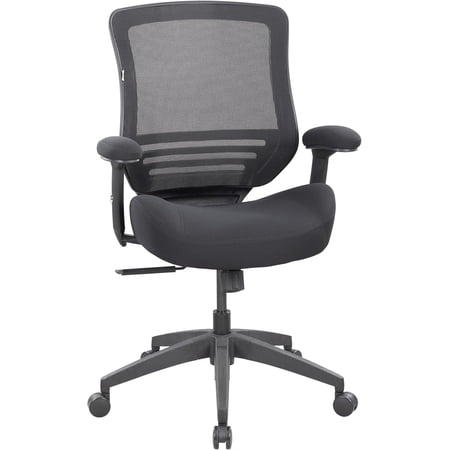
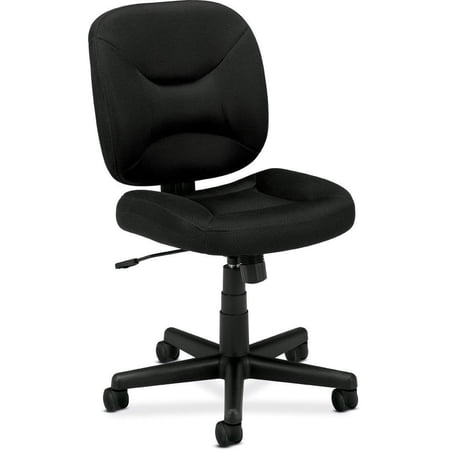

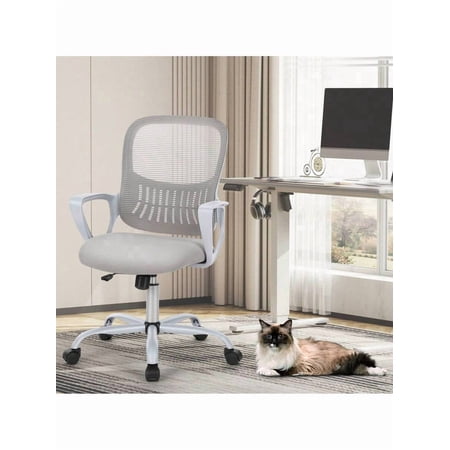
Why a Soft Seat Office Chair Transforms Your Workday
Sitting for extended periods can become a literal pain point, especially if your chair’s seat feels like a wooden plank. An office chair with soft seat is engineered to cradle your hips and thighs, reducing pressure on the sciatic nerve and tailbone. But “soft” doesn’t mean mushy — the best designs marry plush cushioning with structured ergonomics, so you don’t sacrifice support for comfort.
Ergonomic Insight: A study published in the Journal of Physical Therapy Science indicates that seat cushion thickness and material directly influence spinal alignment. Chairs with contoured, high-resiliency foam can reduce perceived discomfort by up to 58% after six hours of continuous sitting.
Whether you’re a remote worker, a creative professional, or an executive managing back-to-back meetings, a soft seat desk chair helps you stay focused and energized. Instead of fidgeting or shifting every 20 minutes, you’ll maintain better concentration — and a healthier posture.
Anatomy of the Perfect Soft Seat: What to Look For
Not all cushioned chairs are created equal. To avoid the “sinking feeling” that leads to poor posture, pay attention to these critical components:
- Foam Density & Type: High-density polyurethane foam (≥3.5 lb) or memory foam with a supportive base layer ensures durability. Some premium models use gel-infused foam to keep the seat cool.
- Seat Depth & Width: A depth of 17–21 inches allows your back to rest against the lumbar support while leaving 2–3 fingers of space behind the knees. Width should accommodate hip movement without constriction.
- Waterfall Edge Design: The front edge of the seat should curve downward slightly, relieving pressure behind the knees and promoting better circulation.
- Breathable Upholstery: For soft seats, look for perforated leather, breathable mesh backs combined with fabric seats, or high-quality polyester blends that wick moisture.
- Lumbar Integration: A soft seat alone won’t protect your spine. Ensure the chair includes adjustable lumbar support to maintain the natural S-curve of your back.
✨ Pro tip: Test the seat by pressing firmly with your palm. A quality soft seat should compress gradually but bounce back immediately. If you feel the hard base underneath, the foam will likely bottom out within months.
Top Benefits of Using a Plush, Cushioned Office Chair
1. Pressure Point Reduction
Contoured soft foam distributes body weight evenly, minimizing hotspots on your sit bones and tailbone. This helps prevent numbness and "dead leg" syndrome common with firmer seats.
2. Enhanced Blood Circulation
Waterfall seat edges and gentle cushioning allow blood to flow freely to your legs, reducing the risk of deep vein thrombosis (DVT) for those with sedentary jobs.
3. Improved Focus & Productivity
When you’re not distracted by discomfort, your brain dedicates more resources to complex tasks. Studies show that ergonomic seating can boost productivity by up to 21%.
4. Long-Term Hip & Joint Health
Soft yet supportive chairs reduce cumulative stress on hip joints, crucial for individuals with arthritis or previous injuries.
Materials Showdown: Fabric vs. Leather vs. Mesh for Soft Seats
Choosing the right upholstery can amplify the soft-seat experience. Below is a quick comparison to guide your decision:
| Material | Softness Factor | Durability | Maintenance | Best For |
|---|---|---|---|---|
| High-Quality Fabric | Very high; plush feel from day one | Good (5–8 years) | Spot clean; may stain | Home offices, cooler climates, value seekers |
| Top-Grain / Bonded Leather | Medium–High (softens over time) | Very good (8–12 years) | Easy wipe, condition occasionally | Executive settings, easy cleaning, professional look |
| Mesh Back + Fabric Seat | High seat softness, breathable back | Good (7–10 years) | Low; fabric seat may need gentle cleaning | Warm offices, all-day breathability, modern aesthetics |
| Faux Leather (PU) | Medium; can feel less breathable | Fair (3–5 years) | Easy clean, may peel | Budget-conscious, temporary or guest seating |
Step-by-Step Selection Guide: Your Perfect Soft Seat Match
Finding an office chair with soft seat that aligns with your body and workflow is easier with a structured approach. Follow these steps:
Step 1: Identify Your Sitting Profile
- Tall or Long-legged: Prioritize seat depth adjustment (at least 19 inches) and a taller backrest.
- Petite Frame: Look for chairs with shallow seat depth (17–18 inches) and narrower width for proper support.
- Chronic Back Pain: Choose models with active lumbar support and firm-but-soft high-resiliency foam.
- Hot Climate: Opt for breathable mesh backs paired with a ventilated fabric or gel-infused seat.
Step 2: Test the Cushion’s “Recovery Rate”
When possible, sit on the chair for at least 10 minutes. A high-quality soft seat will feel plush initially but still provide a sense of stability. After standing, the foam should return to its original shape within seconds—this indicates durability.
Step 3: Verify Ergonomic Adjustability
A truly comfortable soft seat chair offers: seat height (pneumatic), tilt tension, tilt lock, and 3D or 4D armrests. These features let you fine-tune the chair to your unique posture, preventing slouching.
Step 4: Check Weight Capacity & Warranty
Ensure the chair supports your weight comfortably — aim for 300+ lbs capacity for robust construction. A warranty of 5+ years on the frame and cushioning signals manufacturer confidence.
Who Benefits Most from a Soft Seat Office Chair?
While almost anyone can appreciate a plush seat, certain users will find it transformative:
- Remote professionals spending 8+ hours at a desk without a break.
- Individuals with tailbone pain (coccydynia) — a thick, contoured foam seat reduces direct pressure.
- Executives and managers who host long meetings and need to project confidence without discomfort.
- Creative professionals (designers, writers) who value a cozy, inspiring workspace.
- Gamers who desire marathon-session comfort without the aggressive “racing” style.
Even if you currently have a firm ergonomic chair, adding a high-quality seat cushion can be a cost-effective upgrade. However, a dedicated office chair with integrated soft seat offers superior synergy between cushioning and frame support.
Maintenance Tips to Keep Your Soft Seat Plush for Years
- Rotate and fluff: If your chair has removable cushions, rotate them every 3 months to prevent uneven wear.
- Vacuum regularly: Dust and debris can break down foam fibers over time. Use an upholstery attachment weekly.
- Address spills immediately: Blot (don’t rub) with a microfiber cloth. For leather, use a cleaner specifically designed for automotive or furniture leather.
- Avoid direct sunlight: Prolonged UV exposure can fade fabric and degrade foam polymers.
- Consider reupholstering: If the frame is still sturdy but the foam has flattened, many local upholsterers can replace the foam and fabric, extending the chair’s life by years.