
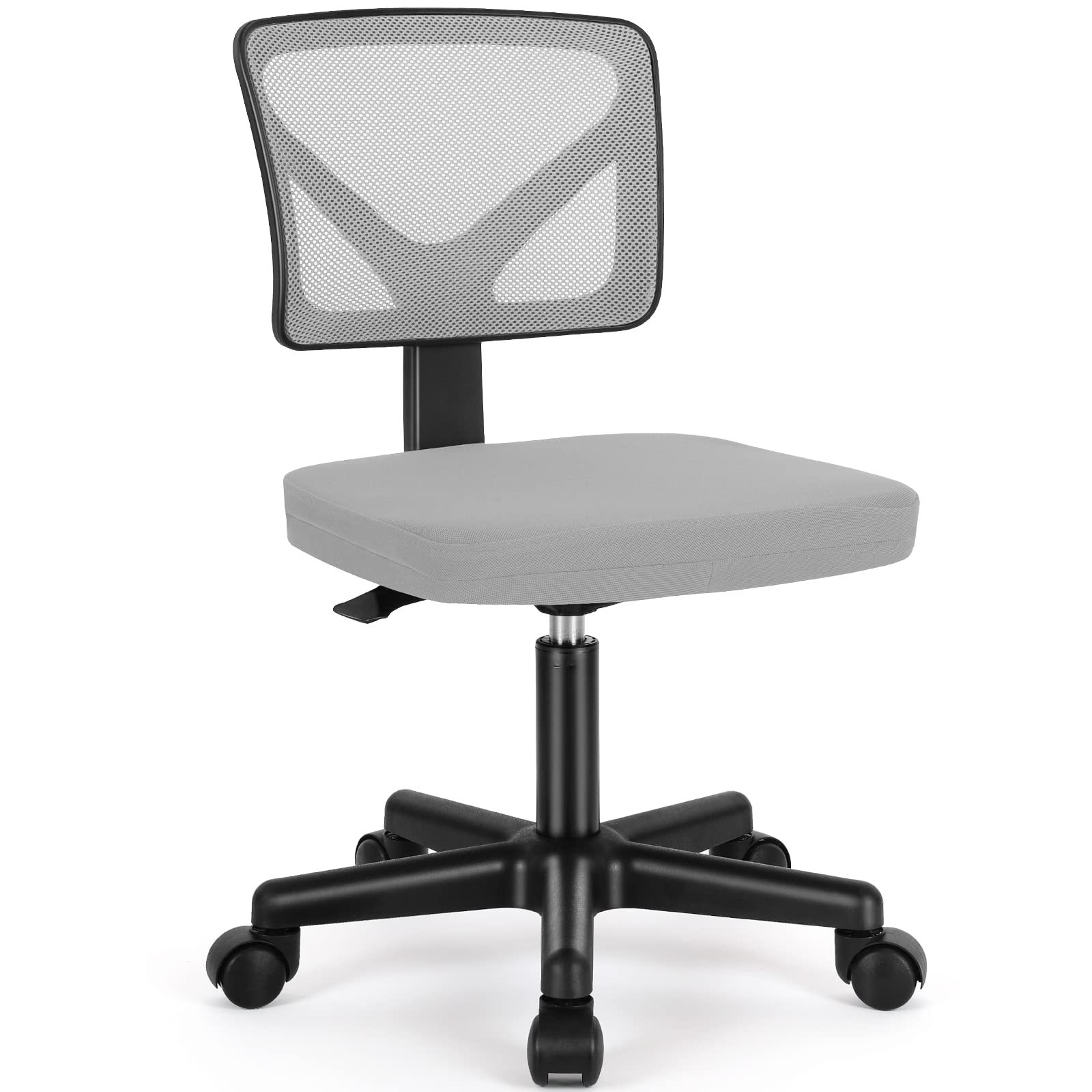
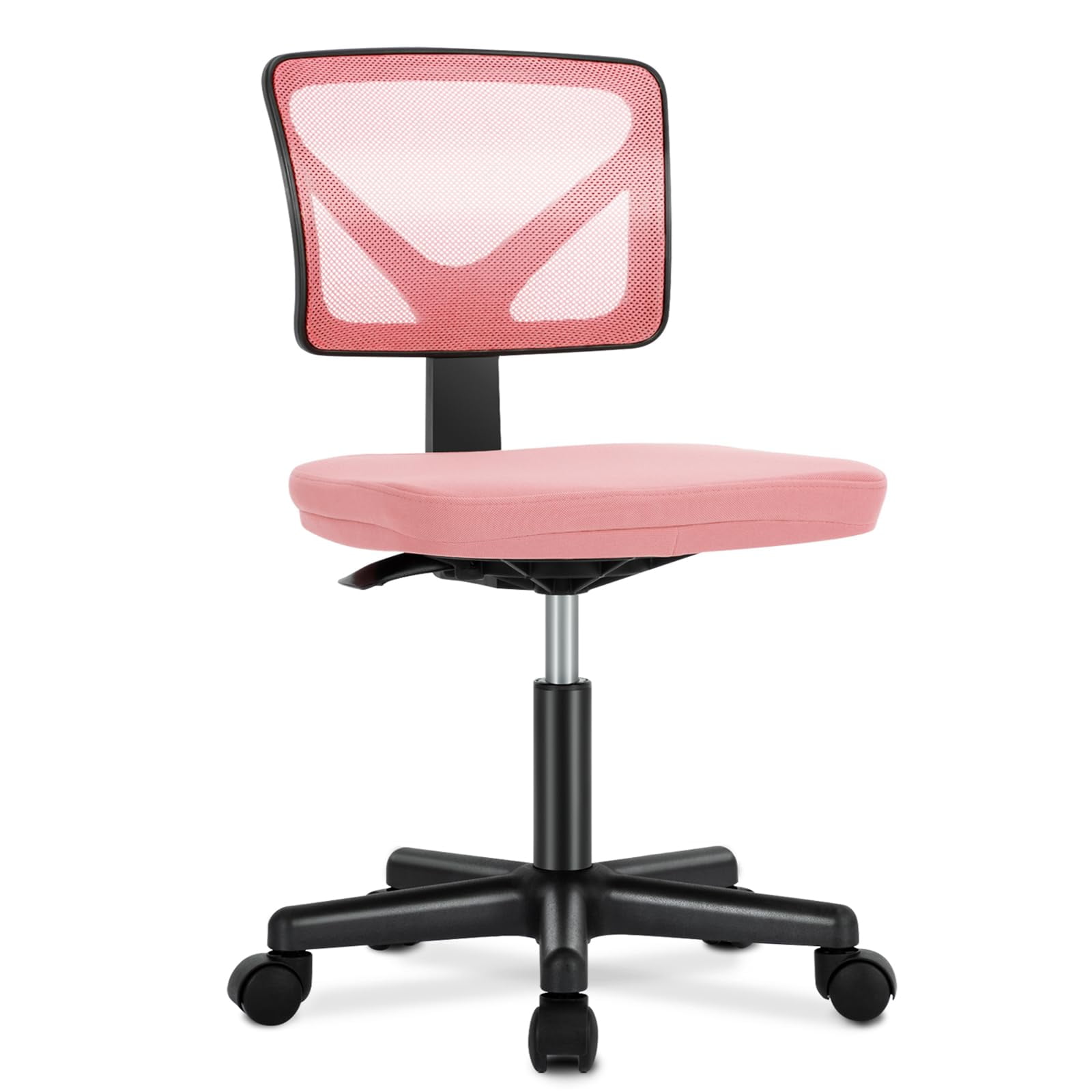
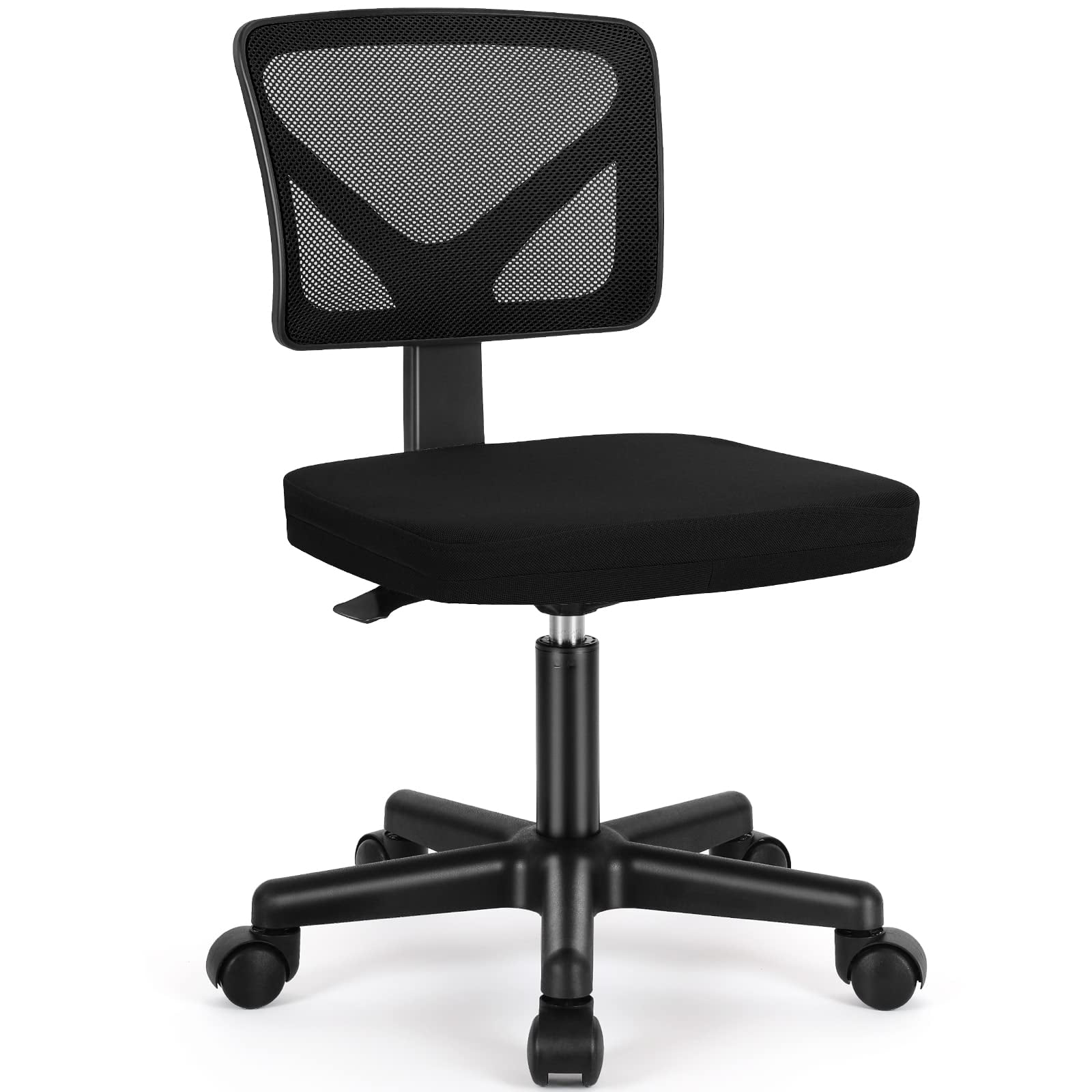
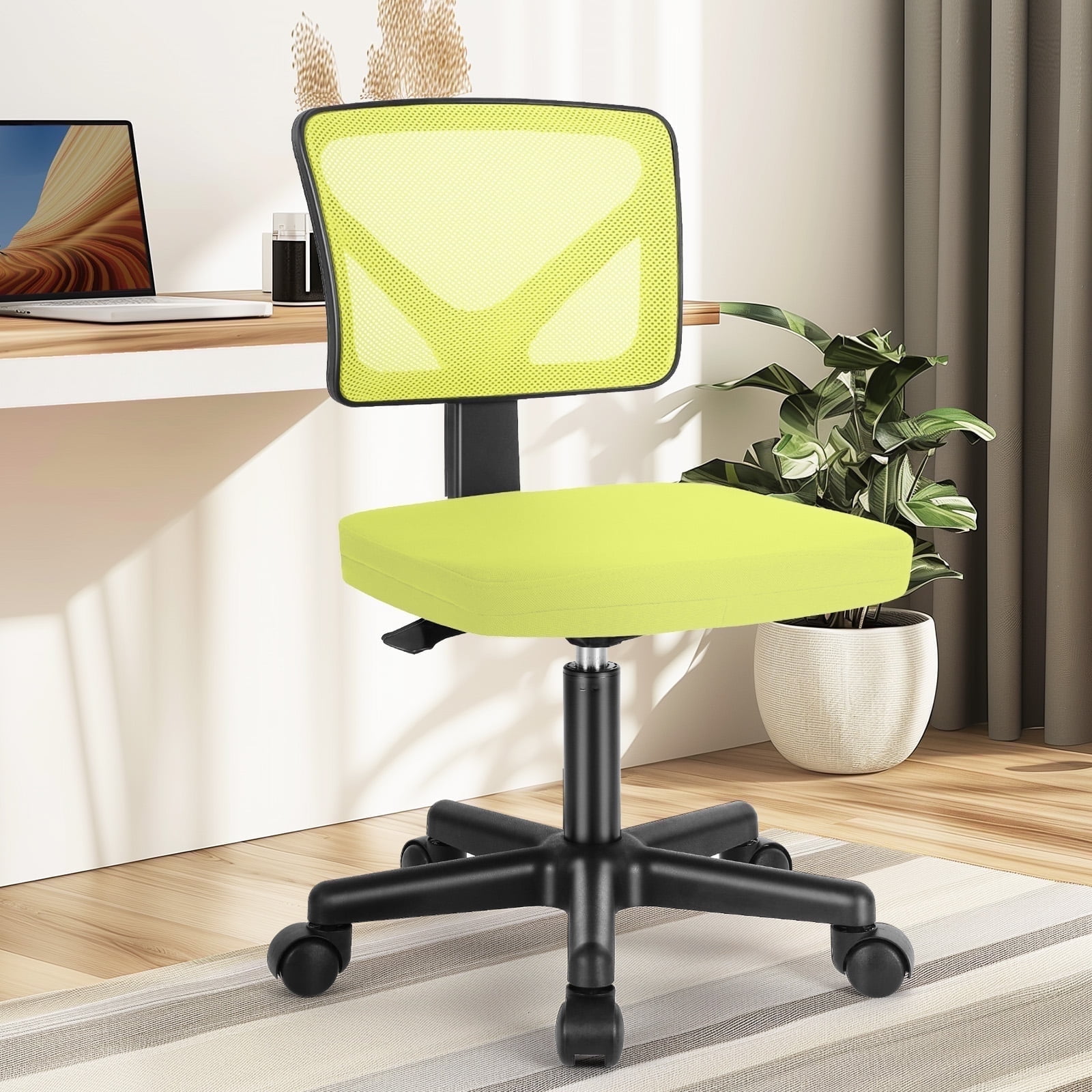
Why Small Rolling Office Chairs Are Revolutionizing Home Workspaces
As workspaces shrink and home offices become multipurpose rooms, the demand for small rolling office chairs has skyrocketed. These compact seating solutions represent a paradigm shift in office furniture design - proving that ergonomic support doesn't require a massive footprint. Whether you're working from a studio apartment, a shared living space, or simply prefer a minimalist aesthetic, these chairs deliver professional comfort in a package that respects your square footage limitations.
Space Efficiency Insight: According to interior design research, the average home office has shrunk by 15% since 2019, with 43% of remote workers now operating from spaces under 50 square feet. Small rolling office chairs reclaim up to 30% more floor space compared to traditional executive chairs while maintaining essential ergonomic features.
The Engineering Behind Compact Comfort
Small rolling office chairs achieve their space-saving dimensions through intelligent engineering rather than compromising support. Manufacturers have reimagined every component:
- Shorter backrests (18-22 inches tall) that support the spine's natural curve without extending beyond typical desk height
- Reduced seat depth (16-19 inches) that accommodates shorter femurs while maintaining waterfall edge design
- Narrower seat width (18-20 inches) that fits standard office chairs but reduces overall footprint
- Compact five-star bases with 22-24 inch diameters (vs 26-28 inch standard) that require less clearance
- Low-profile mechanisms that house tilt and height adjustments in slimmer housings
Who Benefits Most from Small Rolling Chairs?
These specialized chairs serve diverse user groups, each with unique requirements:
| User Type | Key Requirements | Recommended Features |
|---|---|---|
| Petite Users (5'0"-5'4") | Proportional sizing that properly supports shorter statures | Seat heights 16-18", adjustable lumbar, shorter backrests |
| Apartment Dwellers | Furniture that doesn't overwhelm small rooms | Armless designs, slim profiles, neutral colors |
| Teens & Young Adults | Growing users needing adaptable support | Adjustable everything, durable materials, growth-friendly design |
| Multipurpose Room Users | Easily moved and stored seating | Lightweight construction (under 25 lbs), smooth casters, foldable options |
| Minimalist Professionals | Clean aesthetics with essential functions | Streamlined designs, hidden mechanisms, premium materials |
Critical Measurements: Finding Your Perfect Fit
Selecting the right small rolling office chair requires precise measurements. Here's your comprehensive measuring guide:
The Complete Measuring Checklist
Seat Height Range
Floor to seat top: 16-20 inches
Your popliteal height + 2" for shoes
Seat Depth
Front to back: 16-19 inches
2-4" gap behind knees
Backrest Height
Seat to top: 18-22 inches
Shoulder blade support
Armrest Height
Floor to armrest: 24-28 inches
Elbows at 90 degrees
Base Diameter
Wheel to wheel: 22-24 inches
Clearance needed
Desk Clearance
Under-desk height: 26-28 inches
For knee room
Caster Technology: The Rolling Difference
The wheels on your small rolling office chair dramatically affect mobility and floor protection. Modern caster technology offers specialized options:
Dual-Wheel Casters
Feature two smaller wheels per caster that distribute weight evenly and roll smoothly in any direction. Ideal for mixed flooring types and provide excellent stability despite the chair's compact size.
Best for: Home offices with carpet and hard floorsPolyurethane Casters
Harder wheels that resist debris buildup and roll effortlessly on carpet. The slightly firm material provides excellent control without marking hardwood or laminate surfaces.
Best for: Predominantly carpeted officesRubber Casters
Soft, grippy wheels that protect delicate flooring while providing quiet operation. The rubber compound absorbs vibration and prevents scratching on polished surfaces.
Best for: Hardwood, tile, or luxury vinyl plank floorsLocking Casters
Feature a locking mechanism that prevents rolling when engaged. Essential for sloped floors or when absolute stability is needed during intense work sessions.
Best for: RVs, boats, or uneven home office floorsMaterial Selection for Compact Chairs
Despite their smaller size, small rolling office chairs utilize diverse materials that impact comfort, durability, and aesthetics:
Breathable, modern, ideal for warmer climates
Soft, warm, available in countless colors
Premium look, easy to clean, professional
Pressure-relieving, contours to body shape
Long-lasting support, retains shape
Stretchy, conforming, casual aesthetic
Ergonomic Features That Matter in Compact Designs
Small rolling office chairs can incorporate sophisticated ergonomics when properly engineered. Look for these features to ensure all-day comfort:
- Adjustable Lumbar Support - Even compact chairs should offer lumbar depth adjustment (not just height) to properly fill the spinal curve
- Seat Slider Mechanism - Allows the seat pan to move forward/backward, accommodating different thigh lengths without increasing chair depth
- Synchro-Tilt - Coordinated backrest and seat tilt that maintains proper posture throughout recline range
- Adjustable Tilt Tension - Lets users customize resistance based on body weight and preferred recline feel
- 4D Armrests - When present, armrests should adjust height, width, depth, and pivot angle
- Waterfall Seat Edge - Rounded front edge that prevents circulation restriction behind knees
Space Planning: Optimizing Your Small Office Layout
Integrating a small rolling office chair into your space requires thoughtful planning. Here's how to maximize functionality:
Professional Space-Saving Strategies
- The 30-Inch Rule: Maintain at least 30 inches of clearance behind the chair for comfortable rolling and standing. In tight spaces, consider chairs that tuck completely under the desk when not in use.
- Corner Positioning: Place your desk diagonally across a corner and position the chair to roll along the longest available wall. This creates a natural traffic flow around the workspace.
- Multi-Functional Furniture: Pair your small rolling chair with a desk that features built-in storage. Wall-mounted desks that fold away completely when not in use maximize floor space recovery.
- Caster Floor Protection: Use a transparent chair mat that extends just beyond the chair's rolling radius. For hardwood floors, felt-backed mats prevent scratching while allowing smooth movement.
- Vertical Storage Integration: Free up floor space by moving storage upward. Install shelves above desk height and use wall-mounted organizers to eliminate filing cabinets that impede chair movement.
Maintenance Tips for Longevity
Small rolling office chairs experience the same daily use as full-size models but with potentially higher mobility demands. Keep your compact chair performing optimally with these maintenance practices:
- Caster Cleaning: Remove hair and debris from wheel bearings monthly using compressed air or a vacuum with brush attachment. Lubricate with silicone spray annually.
- Gas Cylinder Care: Avoid sitting on the chair while adjusting height to prevent premature cylinder wear. Clean the cylinder shaft with a dry cloth to remove dust that can cause sticking.
- Upholstery Maintenance: Vacuum fabric chairs weekly to prevent dirt abrasion. For leather, apply conditioner every 6 months to prevent drying and cracking in the smaller surface area that sees concentrated use.
- Tilt Mechanism: Check tension adjustment screws quarterly and tighten if the chair wobbles. Apply lithium grease to moving parts annually.
- Base Inspection: Examine the five-star base for stress cracks, especially if the chair is used near its weight capacity. Replace immediately if any structural issues appear.
Health Benefits: Why Proper Fit Matters More in Compact Chairs
For petite users or those in space-constrained environments, a properly fitted small rolling office chair offers distinct health advantages over oversized alternatives:
| Health Concern | How Small Chairs Help | Improvement Rate |
|---|---|---|
| Foot Circulation | Proper seat height allows feet to rest flat, preventing dangling that restricts blood flow | 78% reduction in leg numbness |
| Shoulder Tension | Narrower backrests don't force arms outward, maintaining natural shoulder position | 65% decrease in upper back pain |
| Lumbar Support | Proportional backrests contact the lumbar curve correctly without gap formation | 82% improvement in lower back comfort |
| Neck Strain | Shorter backrests encourage upright posture rather than slumping | 54% reduction in cervical discomfort |
The Psychology of Space: How Chair Size Affects Productivity
Environmental psychology research reveals fascinating connections between furniture scale and work performance. Small rolling office chairs create specific psychological effects:
- Visual Spaciousness: Compact chairs occupy less visual field, making rooms feel up to 25% larger - reducing feelings of claustrophobia in small offices
- Agility Perception: The ability to quickly roll and pivot subconsciously signals flexibility and adaptability, potentially increasing creative thinking by up to 30%
- Proportional Comfort: When furniture matches body scale, users report 40% higher satisfaction with their workspace
- Minimalist Focus: Reduced visual clutter from smaller chairs correlates with 22% improvement in concentration tasks