
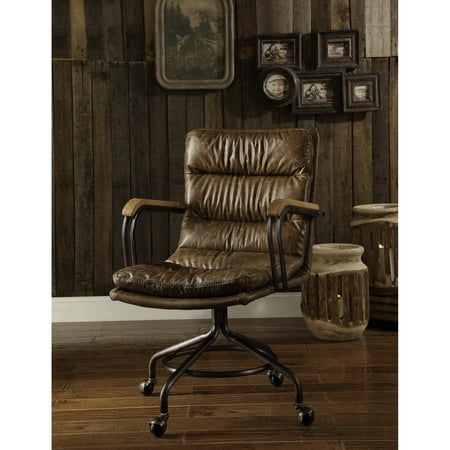
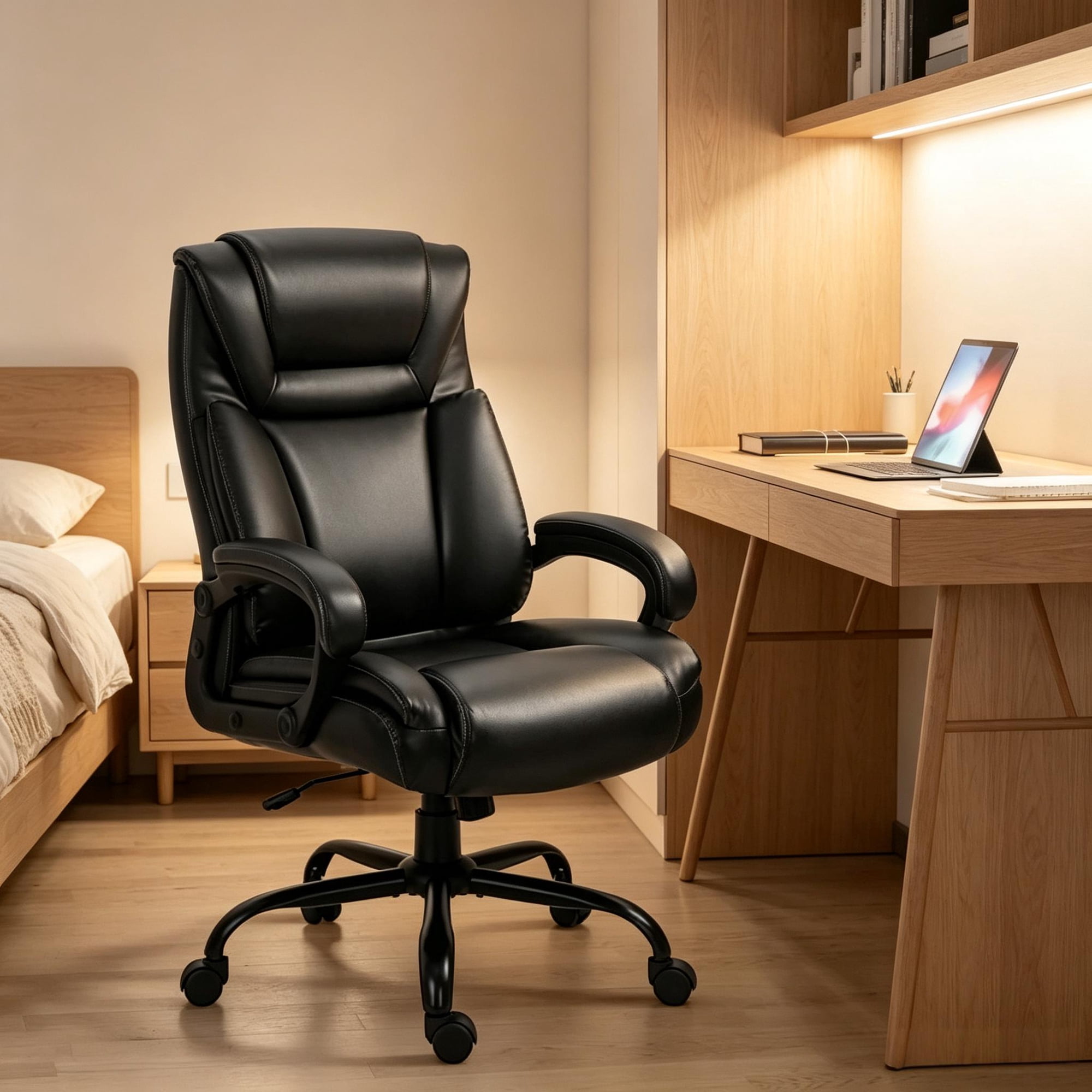
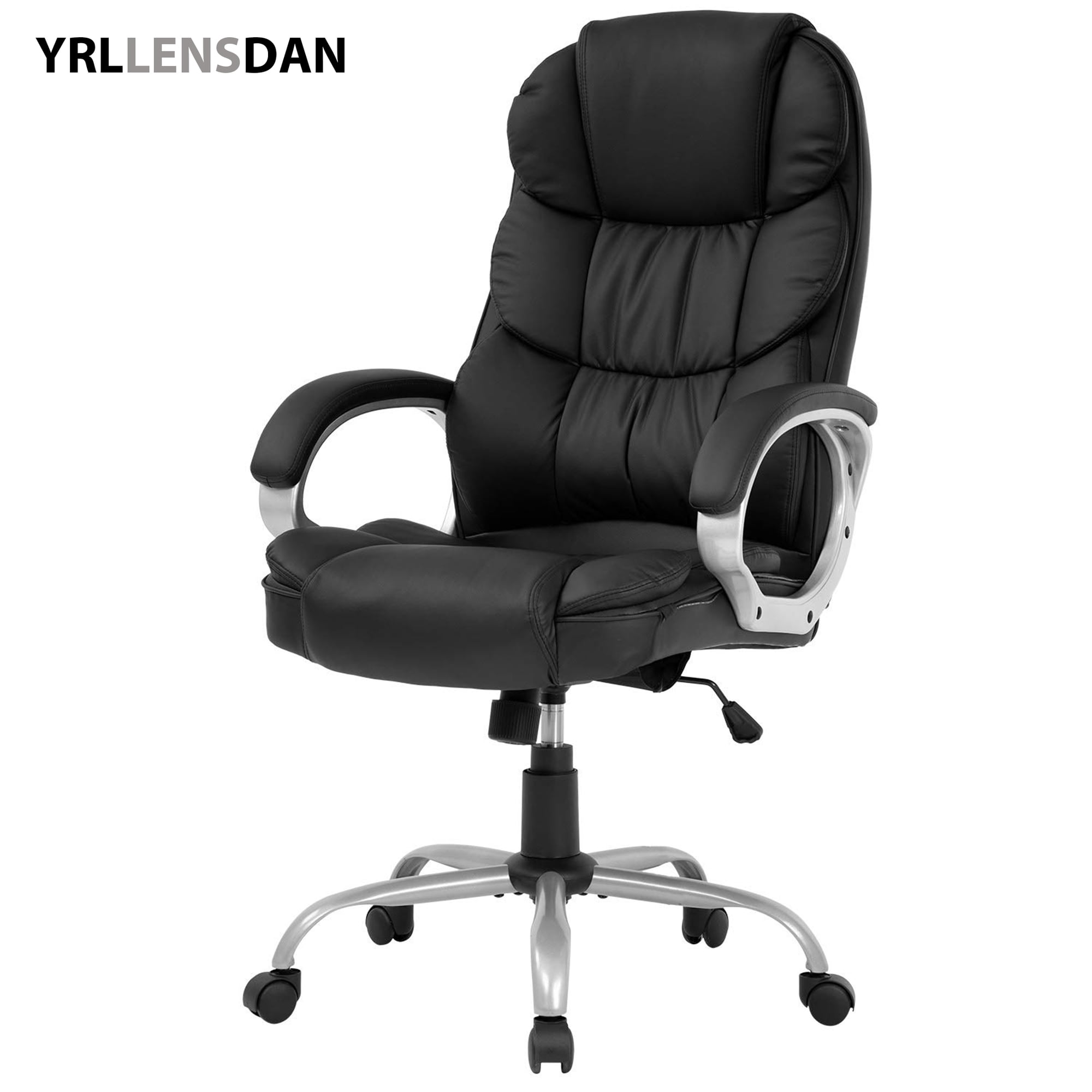
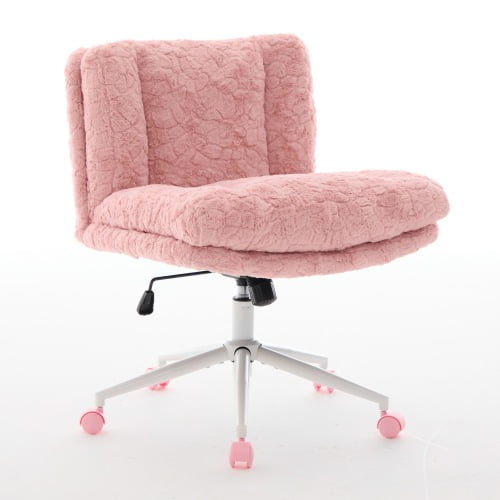
Why "Comfortable" Means More Than Just a Soft Seat
Imagine sinking into your chair at 9 AM, and when you look at the clock again, it's 5 PM—not because you were bored, but because you were so focused and physically at ease that you lost track of time. That's the power of a truly comfortable high back office chair. It's not just a piece of furniture; it's the cockpit of your productivity.
For many of us, the office chair is where we spend the majority of our waking hours. According to a study by the CDC, nearly 1 in 4 adults sits for more than 8 hours a day. In this context, comfort isn't a luxury—it's a necessity. A chair that fails to support you can lead to a cascade of issues: nagging back pain, stiff shoulders, reduced circulation, and the mental fog that comes from physical discomfort.
The "Goldilocks" Principle: Finding a comfortable high back chair is like finding the perfect pair of shoes. It needs to be supportive where you need it, flexible where you move, and made of materials that feel good against your skin. It's a balance of science (ergonomics) and art (plushness).
1. Decoding the Anatomy of Comfort: Key Features Explained
Not all high back chairs are created equal. Here are the critical components that separate a merely "okay" chair from a "comfortable high back office chair" you'll love for years.
1.1. The Cushioning: Beyond the Initial "Sink-In"
The seat cushion is your foundation. If it goes flat after a few months, your comfort goes with it. Look for these indicators of quality:
- High-Density Foam: This is the gold standard. It resists compression and maintains its shape, providing consistent support for years. Think of it like a high-quality mattress.
- Memory Foam with Support: While memory foam conforms to your body, it must have a supportive base. If it's too soft, you'll "bottom out" and feel the hard base underneath.
- Latex or Hybrid Foam: Naturally buoyant and responsive, latex offers a unique "push-back" comfort that prevents fatigue.
Pro Tip: A waterfall edge—where the front of the seat curves gently downward—is non-negotiable for leg comfort. It prevents pressure on the back of your thighs, ensuring healthy blood flow to your legs and feet.
1.2. The Lumbar Support: Your Back's Best Friend
A high back chair provides coverage, but coverage alone isn't support. The lower spine has a natural inward curve that needs to be filled. A chair without proper lumbar support is like a bridge missing its keystone.
- Adjustable Lumbar (Depth & Height): This is a must-have. The curve of your spine is unique. Being able to move the support pad forward (depth) and up/down (height) ensures the chair fits your back, not the other way around.
- Dynamic Lumbar Support: Some advanced chairs have lumbar systems that move with you as you recline, ensuring continuous support in every position.
1.3. The Backrest Material: Mesh vs. Upholstered
The material against your back dictates your micro-climate. This is a major comfort factor.
✅ Mesh Backs
- Breathability: Mesh allows air to circulate, keeping you cool and sweat-free, even on long days or in warm offices.
- Flexible Support: The tension in the mesh can provide a "hammock-like" support that conforms to the shape of your spine.
- Low Maintenance: Easy to wipe clean and doesn't absorb odors.
✅ Upholstered Backs (Leather/Fabric)
- Plush Comfort: Offers a luxurious, "cushioned" feel that many associate with executive comfort.
- Aesthetic Warmth: Fabric or leather adds a layer of visual and tactile warmth to an office.
- Sound Dampening: Upholstered backs are quieter and can make a space feel more serene.
The best of both worlds? A chair with a mesh back and a padded, upholstered seat. This combines breathability for your torso with plush comfort for your sit bones.
2. The Hidden Factors: Mechanisms That Make Comfort Last
Beyond the obvious padding and materials, the mechanical components of a chair determine whether that initial comfort lasts through the afternoon.
2.1. Synchronized Recline Mechanism
This is a game-changer. A synchronized mechanism means that as you lean back, the seat pan tilts forward slightly. This keeps your feet flat on the floor and your body in a healthy posture, rather than just tipping your torso back and straining your neck. It encourages movement and shifts pressure points throughout the day.
2.2. Adjustable Tilt Tension
Are you light as a feather or do you have a more substantial build? Tilt tension adjusts how much force is needed to recline. You should be able to dial this in so you can rock back easily without feeling like you're fighting the chair, and so the chair supports you firmly in an upright position.
2.3. 4D Armrests: The Unsung Heroes
Armrests that adjust in height, width, depth, and pivot angle allow you to support your arms and shoulders perfectly, preventing hunching. When your elbows are at a 90-degree angle and your shoulders are relaxed, upper body tension melts away.
3. Who Benefits Most from a High Back Design?
The "high back" isn't just for tall people. Its extended height provides benefits for everyone:
- Tall Individuals: Obviously, a high back ensures the shoulders and upper back are supported, preventing a "headless" feeling.
- Those Prone to Neck and Shoulder Tension: The high back provides a surface for the upper traps and shoulders to rest against, reducing strain.
- People Who Like to Recline and Think: A high back acts as a comfortable headrest when you lean back for phone calls, reading, or deep thought, supporting the cervical spine.
- Executives and Managers: The commanding presence of a high back chair is a classic symbol of leadership and authority.
4. A Quick Guide to Testing Comfort (Before You Buy)
If possible, test a chair using this 5-point checklist:
- The 15-Minute Test: Sit in the chair for at least 15 minutes. Does any "hot spot" develop? Do you feel the urge to fidget?
- The Lumbar Check: Can you feel the lumbar support filling the curve of your lower back? Is it adjustable enough to hit the right spot?
- The Seat Depth Test: With your back against the chair, can you fit 2-3 fingers between the back of your knee and the seat edge?
- The Armrest Alignment: When you relax your shoulders, can you raise the armrests to support your forearms parallel to the floor?
- The Recline Flow: Does the recline feel smooth and natural, or does it jerk or feel unstable?
Frequently Asked Questions About Comfortable High Back Office Chairs
Conclusion: Invest in the Chair That Invests in You
Finding the perfect comfortable high back office chair is a personal journey, but the destination is always the same: a workday where you are focused on your tasks, not on your aching back or restless legs. By understanding the key components—from foam density and lumbar adjustability to breathable materials and smooth recline mechanisms—you can make an informed choice that serves you well for years.
Don't think of it as an expense; think of it as a foundational investment in your daily well-being, productivity, and long-term physical health. A great chair is the silent partner in your success, providing the support you need to do your best work, day in and day out.
Your Comfort Checklist
Prioritize a high-quality mesh back with a breathable seat fabric. Look for a chair with a strong, adjustable lumbar system.
Focus on premium upholstery (like top-grain leather) with plush, high-density foam and a chair that includes a padded, adjustable headrest.
Seek out a chair with the most adjustments: 4D armrests, independent lumbar depth/height, seat depth slider, and a synchronized recline mechanism.