
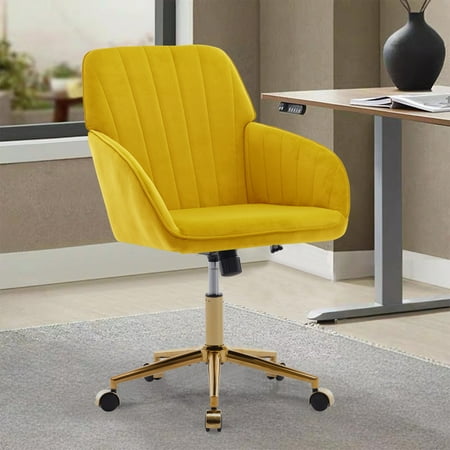
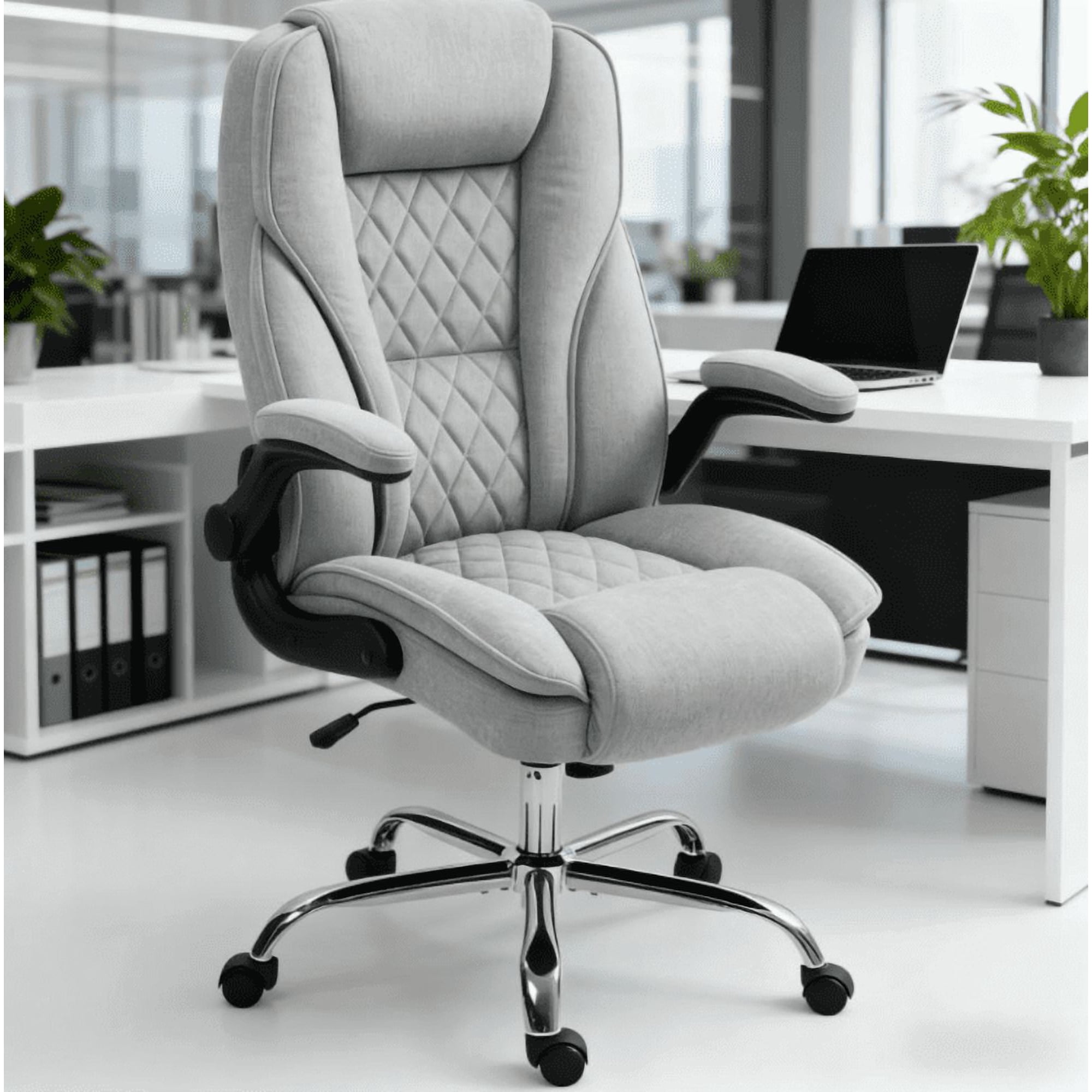
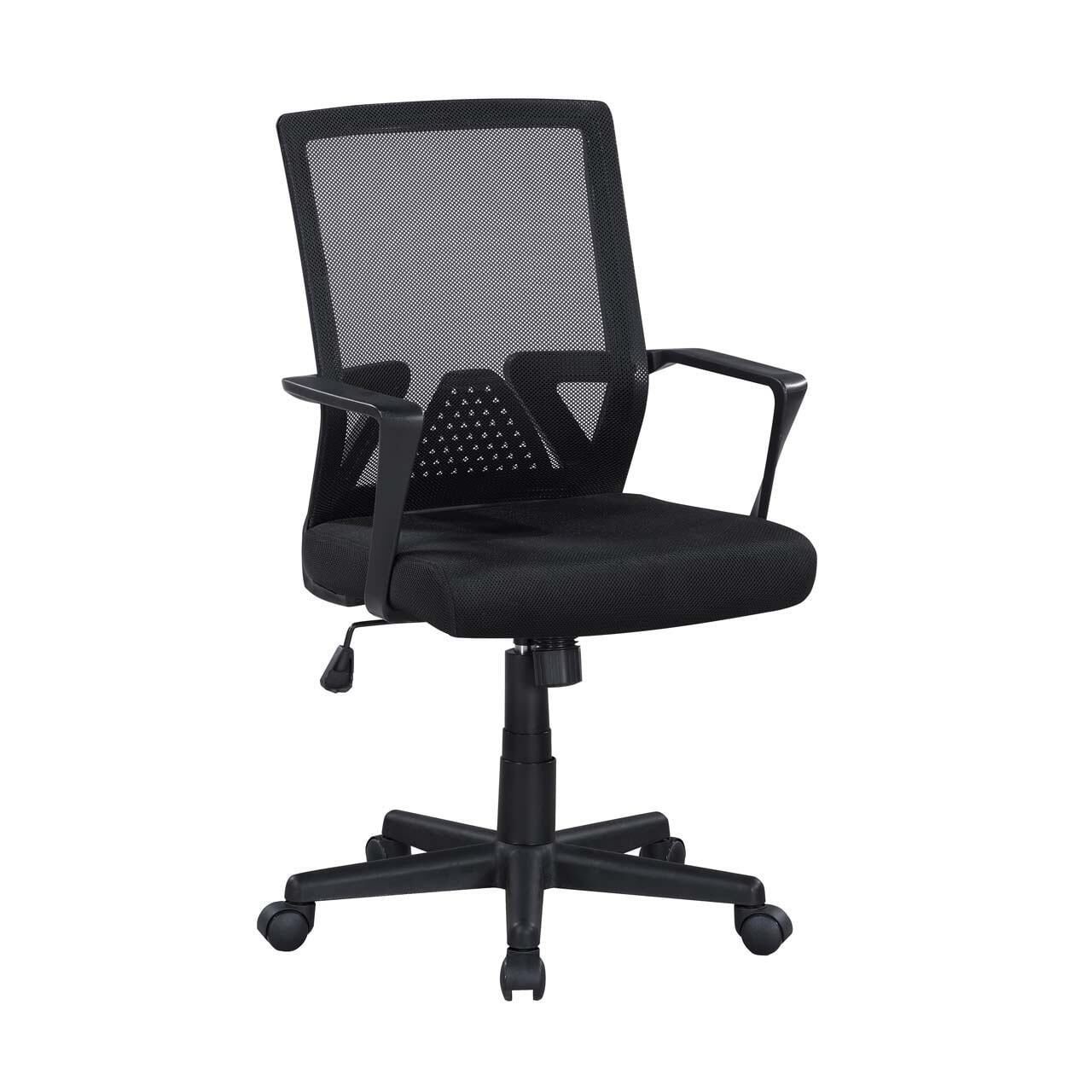
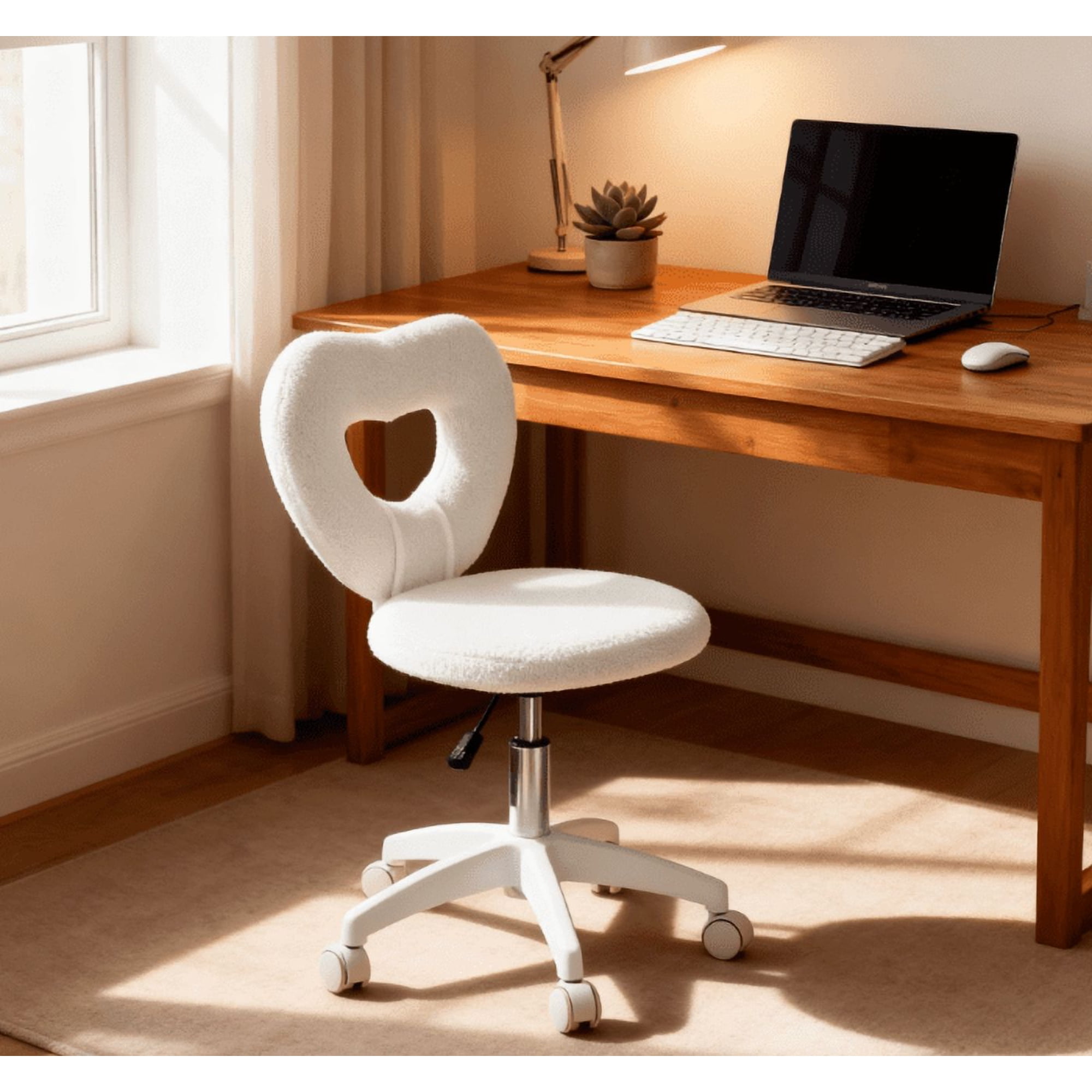
Why the Right Office Works Chair Transforms Your Workday
Imagine wearing shoes that are half a size too small all day — by 3 p.m., your only thought is relief. An unsuitable office chair does the same to your back, hips, and focus. Office works chairs (often called task chairs) are the workhorses of the seating world. They are designed not for lounging, but for active, dynamic sitting that supports the movements of a typical workday: typing, meeting, thinking, and occasionally leaning back to stretch.
Ergonomics at work: A study from the British Journal of Sports Medicine suggests that prolonged sitting without proper support increases the risk of musculoskeletal disorders by 45%. A well-designed task chair is your first line of defense.
What Defines an Office Works Chair?
Unlike executive chairs that prioritize plush leather and a commanding presence, office works chairs prioritize function, adjustability, and breathability. They are the 'tool' you use to perform your job. Think of them as the reliable sedan compared to the luxury SUV — both get you there, but the sedan is often more efficient and easier to maneuver. Key characteristics include:
- Mesh or breathable fabric backs: to prevent sweating during long tasks.
- Pneumatic seat height adjustment: to align with standard desk heights (typically 28–30 inches).
- Basic to advanced lumbar support: often adjustable in height or depth.
- Five-star base with smooth-rolling casters: for easy mobility around the workstation.
- Minimalist, professional aesthetics: they blend into any office environment without dominating it.
The Anatomy of a High-Quality Task Chair
When you start comparing models, you'll encounter terms like "synchro-tilt," "waterfall edge," and "4D armrests." Here’s a simple breakdown of what matters most for a chair you'll use for actual work.
| Component | Why It Matters for Work | What to Look For |
|---|---|---|
| Seat Comfort | You spend 90% of your time on it. Too hard = pain. Too soft = poor posture. | High-density foam (2.5–3.5 lbs/ft³) with a waterfall front to reduce thigh pressure. |
| Backrest Height & Support | Supports the natural S-curve of your spine, especially the lower back. | Mid-back (for task focus) or high-back (if you prefer head support). Adjustable lumbar is a must. |
| Armrest Adjustability | Allows your shoulders to relax while typing; prevents neck strain. | At least height-adjustable. 2D or 3D armrests (width/pivot) are better for varied tasks. |
| Tilt Mechanism | Promotes movement and dynamic sitting; relieves static load. | Synchro-tilt (backrest and seat move together) or knee-tilt with adjustable tension. |
| Casters & Base | Affects stability and floor protection. Hard casters for carpet, soft for hardwood. | Dual-wheel casters for smoother rolling; nylon or aluminum base (aluminum = more durable). |
Mesh vs. Fabric vs. Leather for Task Chairs
Choosing the right material affects your comfort across seasons and the chair’s lifespan. Here’s an honest comparison tailored for office works chairs:
Mesh (The Popular Choice)
- Breathability: Excellent air flow, keeps you cool.
- Support: Conforms to back shape, good tension.
- Maintenance: Easy to wipe; dust can settle in weave.
- Durability: High-quality mesh lasts 7–10 years without sagging.
- Best for: Warm climates, people who run hot, modern offices.
Fabric (The Balanced Option)
- Breathability: Good, but less than mesh.
- Comfort: Softer feel, cozy in winter.
- Maintenance: Can stain; vacuuming required.
- Durability: 5–8 years with good fabric (e.g., tweed or polyester blends).
- Best for: General office use, budget-friendly quality.
Leather (including bonded leather) is less common in pure task chairs because it can get sticky and hot, but leather/vinyl hybrid task chairs exist for a more polished look.
Step-by-Step: How to Choose Your Office Works Chair
Follow this practical guide to avoid confusion and find the perfect match:
- Measure your space: Ensure the chair's base fits under your desk and the backrest doesn't hit a window sill.
- Define your work style: Do you sit statically for hours (need plush foam) or move a lot (need responsive tilt)?
- Check adjustability range: Seat height should allow your feet flat on the floor with thighs parallel to the ground.
- Prioritize lumbar support: If you have back pain, this is non-negotiable. Test if it can be positioned at your belt line.
- Consider the return policy: Comfort is subjective. Buy from retailers with a solid return/exchange window.
Health & Productivity: The Tangible Benefits
Investing in a proper task chair isn't a luxury; it's a productivity tool. According to the Washington State Department of Labor & Industries, workers with ergonomically optimized workstations report a 17% increase in productivity. Here’s why:
- Reduced fatigue: Good lumbar support keeps your spine aligned, reducing muscle effort to hold you upright.
- Fewer distractions: When you're comfortable, you're not shifting every 20 minutes to find a pain-free position.
- Better circulation: A proper seat edge (waterfall) prevents pressure behind knees, reducing numbness.
- Long-term health: Prevents cumulative trauma disorders like sciatica or chronic back pain.
Budget Tiers for Office Works Chairs
Knowing what you get at each price level helps set realistic expectations:
Entry
Basic gas lift, fixed arms, moderate foam density. Suitable for guest or part-time use.
Mid-Range
Better lumbar support, adjustable arms (2D), quality mesh or fabric, 5–7 year lifespan.
Premium
Advanced ergonomics (synchro-tilt, 4D arms), superior materials, 10–12 year warranty.
High-End Ergonomic
Designer mesh, fully adjustable lumbar, seat depth, and headrest; often used in corporate procurement.
Frequently Asked Questions About Office Works Chairs
Conclusion: Work Better, Sit Smarter
Your chair is the foundation of your workspace. A thoughtful choice in office works chairs pays dividends in comfort, focus, and long-term health. Whether you opt for a breathable mesh task chair or a cushioned fabric model, prioritize adjustability and build quality over flashy looks. Remember the analogy: a chair is like a good pair of work boots — it should support you silently so you can concentrate on the task at hand. Explore the options above, check the specifications, and choose a seat that respects your body’s needs. Your back will thank you at 5 p.m.