
Redefining the Corner Office: The Rise of the Office Chaise Lounge Chair
The traditional image of an executive behind a massive desk is evolving. Today's business leaders understand that peak performance requires more than just stamina; it demands strategic recovery. Enter the office chaise lounge chair—a sophisticated piece of furniture that seamlessly transitions your workspace from a zone of pure productivity to a space that also supports well-being and micro-rest.
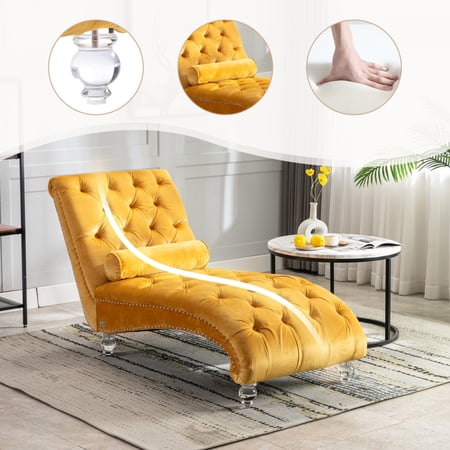
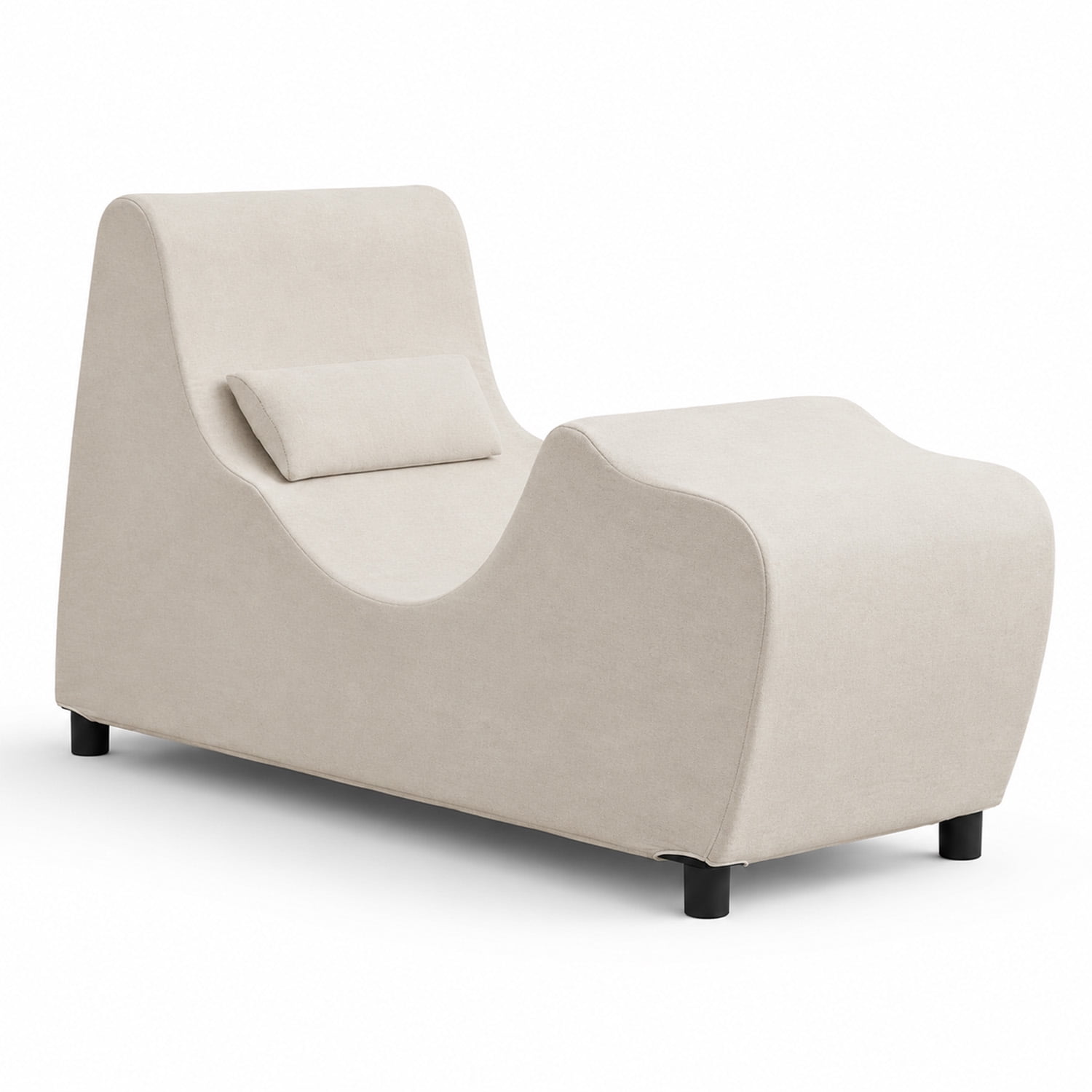
Think of it as the business-class seat for your office. Unlike a standard task chair that keeps you in a single upright posture, a chaise lounge office chair features an extended seat or a built-in ottoman, allowing you to recline, stretch out, and even take a power nap. This isn't about being less productive; it's about being sustainably productive. According to a 2023 workplace wellness report, executives who had access to relaxation-focused seating reported a 30% lower rate of afternoon burnout.
⚡ The 'Power Nap' Edge:
Studies by the National Sleep Foundation suggest that a 10-20 minute nap can significantly improve alertness and performance. An office chaise makes this a practical reality.
Anatomy of a Premium Office Chaise Lounge
Not all chaise lounges are created equal. A true executive-grade model incorporates specific design elements that set it apart from a simple couch or a cheap recliner. Here’s what to look for:
- Multi-Position Recline Mechanism: Look for infinite-position locking or smooth, gear-based recline that lets you stop at any angle, from upright working to nearly flat resting.
- Integrated or Attached Ottoman: The "chaise" portion is key. It should be well-padded and at a height that supports your legs without pressure behind the knees, promoting healthy circulation.
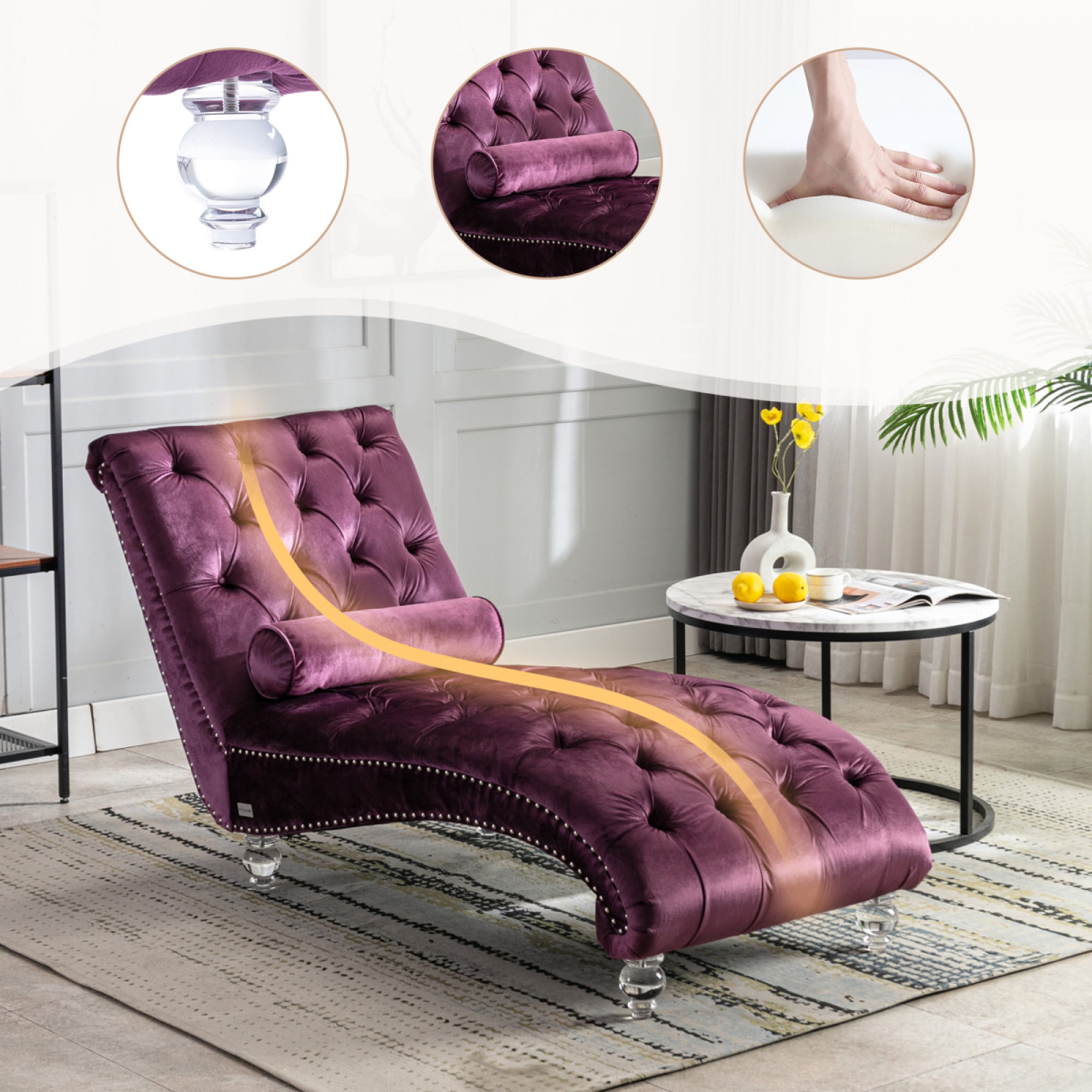
- High-Density Foam Cushioning: To maintain its shape and support over years of use, the seat and back cushions should use high-resiliency foam, often wrapped in a layer of memory foam or soft fiber for immediate comfort.
- Supportive Headrest: A generously sized, often adjustable headrest is crucial for neck comfort when you're in a reclined position. Some models offer a contoured pillow.
- Sturdy Five-Star Base (or Stable Platform): While some chaise lounges are stationary, many executive versions use a robust metal or chrome base with smooth-rolling casters, allowing you to move from desk to recline effortlessly. Stability is paramount.
Material Psychology: Choosing the Right Upholstery
The material of your office chaise lounge chair does more than just look good; it affects your comfort, the chair's durability, and the message it sends to visitors. Here’s a fresh take on material selection for this specific category:
| Material | Vibe & Message | Practical Benefit for Chaise | Consideration |
|---|---|---|---|
| Premium Leather | Classic authority, timeless elegance | Durable, easy to wipe clean, develops a rich patina. Ideal for frequent use. | Can be warm; look for breathable leather or perforated options. |
| Performance Fabric | Modern, approachable, tech-forward | Often stain-resistant and breathable. Available in a wider range of colors and textures. | May require professional cleaning for deep stains. |
| Velvet / Chenille | Luxurious, creative, confident | Extremely soft and inviting. Makes a strong design statement, perfect for a creative agency. | Higher maintenance; can show wear patterns over time. |
| Mesh (Hybrid) | Athletic, ergonomic-focused, casual | Maximum breathability—ideal for warmer climates or those who run hot. | Less common for full chaise; may offer less "cocooning" comfort. |
Your 4-Step Blueprint to Finding the Perfect Office Chaise
Selecting a chair that truly enhances your work-life requires a methodical approach. Follow this guide to make a confident investment.
1. Measure Your Sanctuary (The Clearance Test)
Before falling in love with a design, grab a tape measure. Step one: Measure the depth of your office when the chair is fully extended. You'll need at least 6 inches of clearance behind the chair. Step two: Measure your desk height to ensure the chair arm height (if any) will fit comfortably underneath when you're in a working position.
2. Define Your "Recline Ratio" (Work vs. Rest)
Be honest about how you'll use it. Will it be 80% work / 20% rest? Or do you need a true zero-gravity experience for serious breaks? For heavy work use: Prioritize models with excellent lumbar support and armrests. For deep relaxation: Focus on the recline angle, cushion plushness, and headrest comfort.
3. The "30-Minute Sit Test" (If Possible)
Whenever you can, visit a showroom. Sit in the chair in your typical working posture for 15 minutes. Then, fully recline and relax for another 15. Pay attention to pressure points—do your shoulders feel supported? Is there any strain on your lower back when reclined? Does the ottoman support your full calf?
4. Check the Mechanism's Warranty
The recline mechanism is the heart of a chaise lounge. A quality mechanism should feel smooth, not jerky, and lock firmly into place. Look for a warranty that covers the mechanism for at least 5-10 years. This is a strong indicator of the manufacturer's confidence in its durability.
Beyond Comfort: The Executive Wellness Advantage
Investing in an office chaise lounge chair is an investment in your most valuable asset: your ability to perform at your peak. Here’s how it pays dividends:
🧠 Cognitive Reset
Just 15 minutes of reclined rest can lower cortisol levels and reset mental clarity, helping you tackle complex problems with a fresh perspective.
❤️ Circulatory Health
Elevating your legs in a chaise position combats the effects of prolonged sitting, reducing the risk of deep vein thrombosis and improving overall circulation.
🎯 Enhanced Focus
Alternating between active sitting and passive rest prevents the "afternoon slump," maintaining higher levels of concentration throughout the day.
💼 Culture Signal
Having a chaise lounge in your office subtly communicates to employees and clients that you value well-being and a modern, human-centric approach to leadership.
Some executives are even integrating small side tables or smart lighting next to their chaise lounge, creating a dedicated "reading and reflection" zone within their office. This separation of spaces—even within one room—can psychologically help you shift modes from "doing" to "thinking."