
Why a Rolling Office Chair is Essential for Modern Workspaces
Imagine shifting from a focused task to a quick team huddle without standing up—simply roll across your office. A comfortable rolling office chair does more than provide mobility; it encourages dynamic movement, reduces strain from repetitive standing/sitting, and supports an active workflow. With the right casters and ergonomic design, these chairs become the backbone of a healthy, productive work environment.
Ergonomic Insight: Studies indicate that micro-movements and the ability to change position frequently reduce fatigue by up to 34%. A rolling chair enables subtle posture shifts and effortless transitions, keeping your body engaged and your mind sharp throughout the day.
Key Elements That Define Comfort in a Rolling Chair
Not all rolling chairs deliver the same level of comfort. Below are the core components that separate a basic task chair from a premium comfortable rolling office chair:
- High-Resilience Foam Cushioning: Dense foam prevents bottoming out even after 8+ hours of sitting.
- Multi-Directional Casters: 360-degree swivel and smooth-rolling wheels that adapt to hardwood, carpet, or tile without friction.
- Seat Depth & Tilt Control: Allows proper thigh support and pelvic alignment for taller or shorter users.
- Breathable Backrest Materials: Mesh or perforated fabric keeps your back cool and reduces sweat buildup.
- Adjustable Armrests (4D): Width, height, pivot, and depth adjustments ensure your shoulders and wrists stay relaxed.
Wheel Technology: The Science Behind Effortless Glide
The rolling mechanism is the heart of any mobile office chair. Upgraded casters can transform an average chair into a luxury mobility tool. Here's what you need to know:
🔄 Polyurethane Casters
Ideal for hardwood, laminate, and tile. Soft tread prevents scratches and reduces noise. Best for home offices with delicate floors.
🎯 Nylon/Plastic Casters
Standard for low-pile carpet. Durable but may mark some floors. Great for corporate environments with carpeted areas.
⚙️ Rollerblade Style Wheels
Premium upgrade. Polyurethane wheels with bearings offer ultra-smooth glide on any surface. Perfect for seamless transition between zones.
🔒 Locking Casters
Provide stability when needed. Press a lever to prevent rolling—ideal for focused desk work or standing desk setups.
Ergonomic Benefits of a Mobile Seating Solution
A rolling chair isn’t just about convenience—it actively contributes to physical wellness. When combined with ergonomic features, you get a tool that reduces common office ailments:
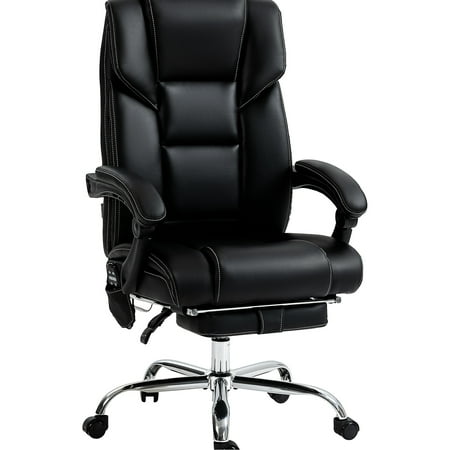
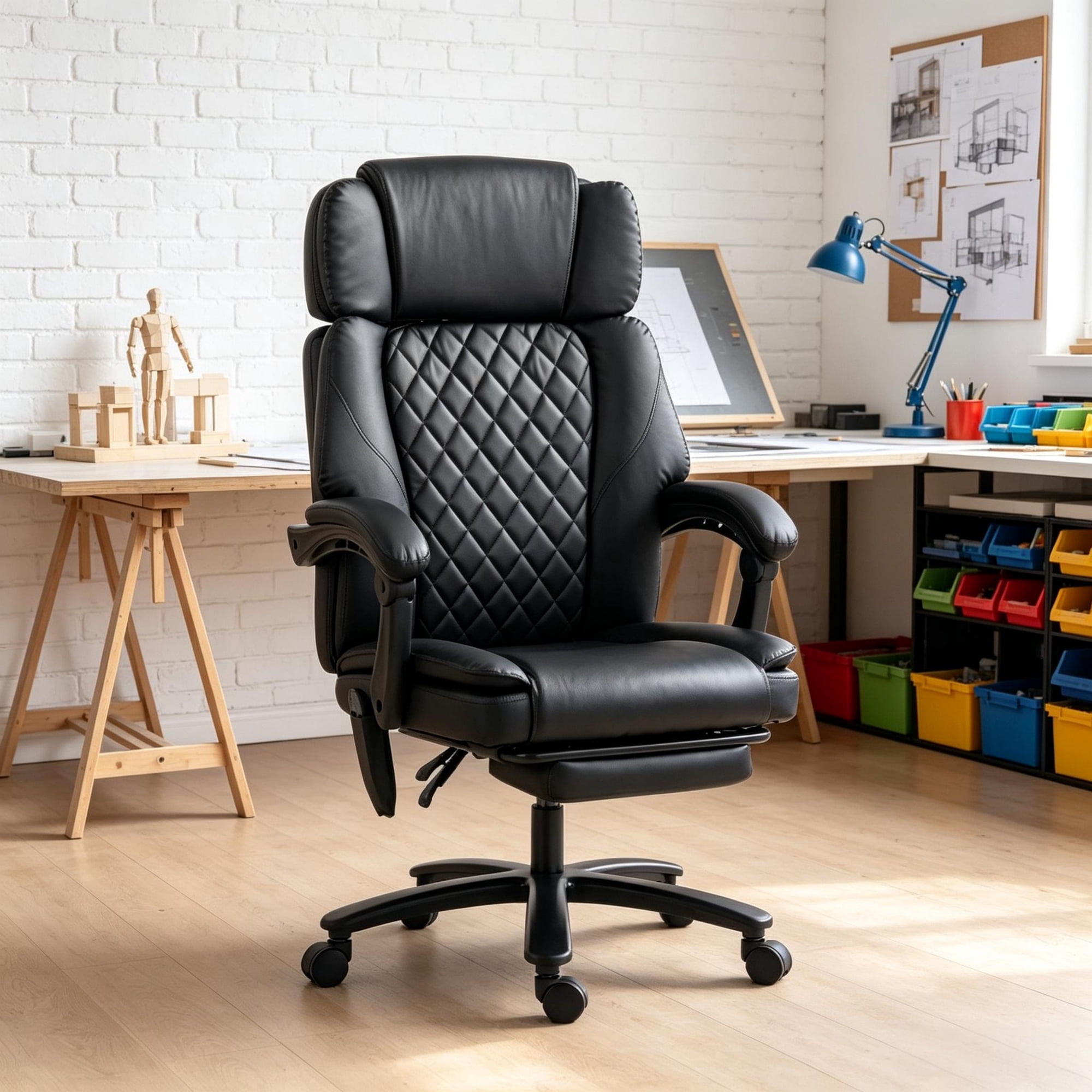
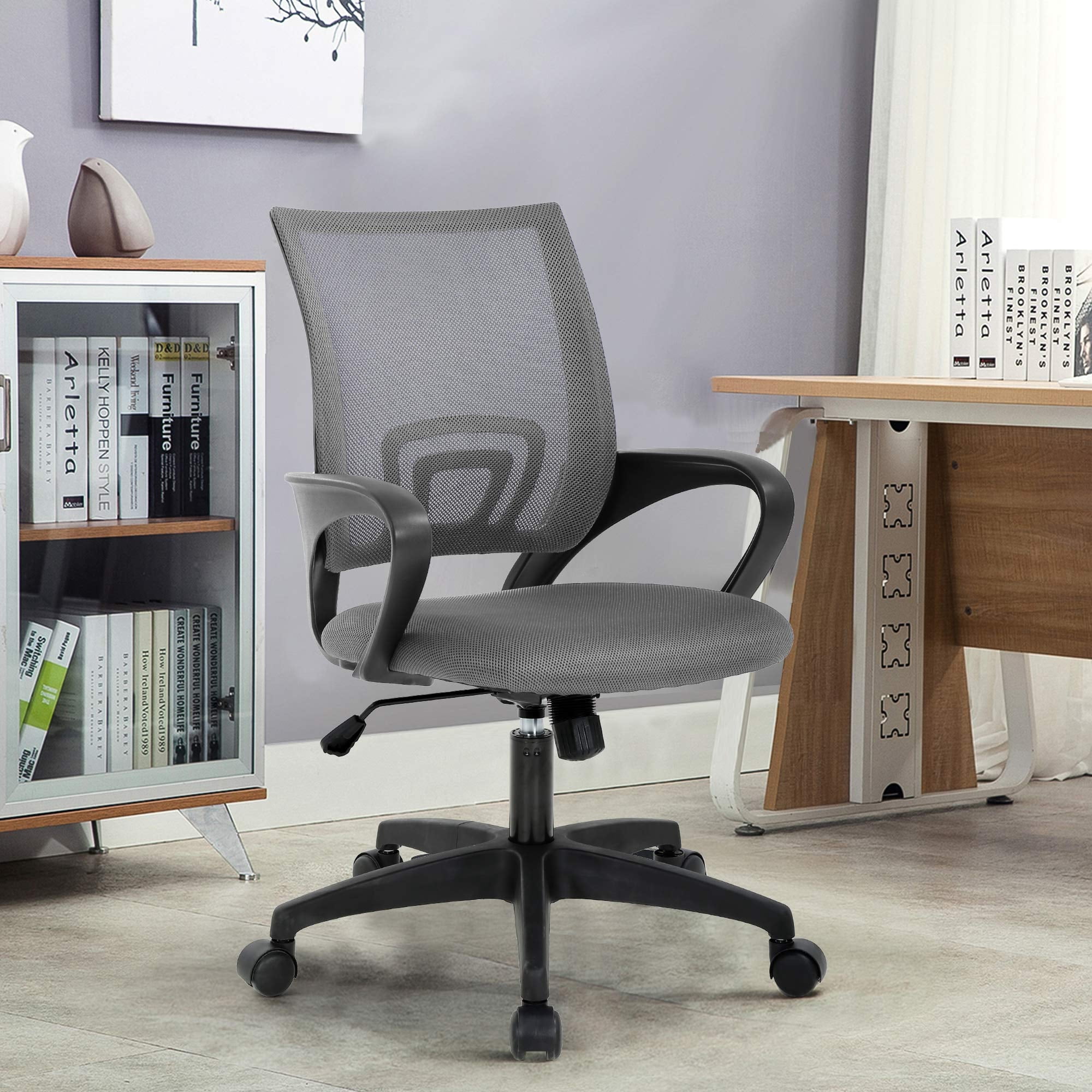
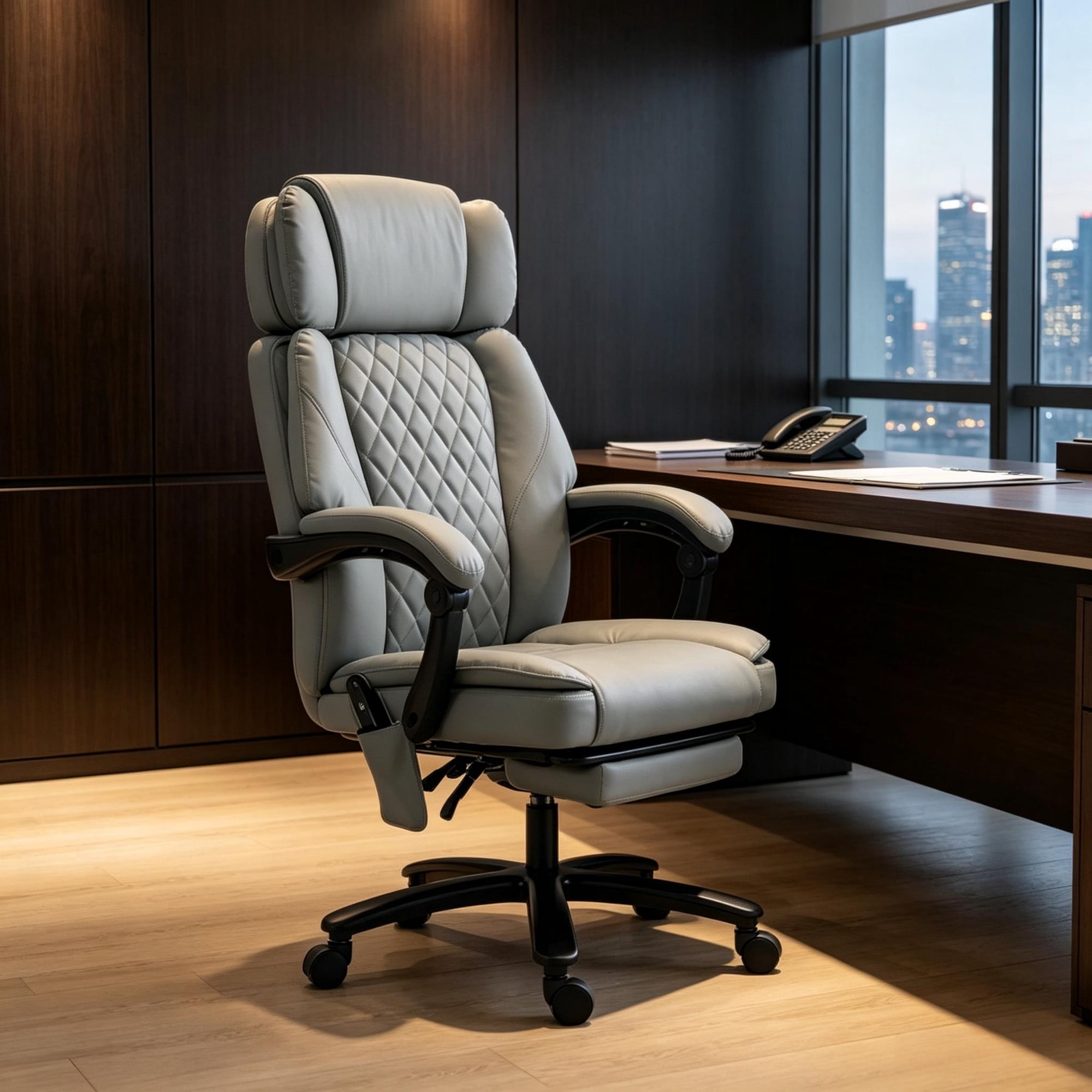
Comfortable Rolling Chair: Mesh vs. Cushioned Upholstery
Choosing between breathable mesh and plush fabric/leather depends on your environment and comfort preferences. Each has unique advantages:
✅ Mesh Back & Seat
- Maximum airflow – stays cool in summer
- Contoured support that adapts to movement
- Lightweight and easy to roll
- Low maintenance, easy to clean
✅ Cushioned (Fabric/Leather)
- Plush, luxurious feel
- Superior cushion thickness for pressure relief
- Often includes memory foam layers
- More traditional executive aesthetic
How to Select the Perfect Rolling Office Chair for Your Needs
Whether you're outfitting a home office or corporate workspace, follow this step-by-step evaluation to ensure the best fit:
- Measure your space and desk height: Ensure chair armrests fit under the desk and that the overall footprint allows full swivel without hitting obstacles.
- Determine floor type: Hardwood floors require soft polyurethane casters; thick carpet needs larger-diameter wheels for easy movement.
- Check weight capacity & build: For durability, choose a chair with a Class 4 gas lift and metal base. Capacity should exceed your body weight by at least 20%.
- Evaluate adjustability: Prioritize seat height, seat depth, tilt tension, and lumbar height adjustments. 3D/4D armrests add extra customizability.
- Test the recline mechanism: A synchronized tilt that moves with your body is ideal for long hours and relaxation moments.
Pro Tip: If you frequently transition between standing and sitting desks, consider a rolling chair with a tilt-lock feature and sturdy casters that don’t shift unintentionally. Some models offer a "free-floating" recline that encourages core engagement during focus work.
Maintenance Guide: Keep Your Rolling Chair in Premium Condition
To extend the lifespan of your comfortable rolling office chair, follow these simple care routines:
- Caster cleaning: Remove hair and debris from wheels every few months. Use a damp cloth to wipe polyurethane surfaces.
- Tighten screws & bolts: Check the base and armrest connections every 6 months to prevent wobbling.
- Upholstery care: For fabric, vacuum regularly; for leather, use a gentle conditioner annually to avoid cracking.
- Gas cylinder: If height adjustment becomes difficult, apply silicone lubricant or replace the cylinder after 5–7 years of heavy use.
- Floor protection: Use a chair mat for carpets to reduce friction; for hardwood, ensure casters are soft and clean.
Investing in Long-Term Health: Why Quality Rolling Chairs Pay Off
While budget-friendly options exist, premium comfortable rolling office chairs provide superior ergonomics, better materials, and longer warranties. Over 5-10 years, the reduction in back pain, increased productivity, and durability justify the investment. Look for chairs backed by at least 5-year component warranties and BIFMA certification for safety and reliability.