
Why a Robust Office Chair is a Smart Investment for Demanding Users
Just like a commercial truck is built to withstand years of heavy loads and rough roads, a robust office chair is engineered to handle intensive daily use without losing stability or comfort. While standard office chairs may start to squeak, tilt unevenly, or lose pneumatic support within two to three years, heavy-duty robust chairs are designed for the long haul — often providing reliable service for a decade or more.
Industry Data: According to facility management studies, commercial-grade robust chairs reduce replacement costs by up to 58% over a 10-year period compared to lightweight consumer models. Users report 35% fewer ergonomic complaints due to enhanced structural stability.
Key Engineering Features That Define a Truly Robust Office Chair
A genuine robust office chair goes beyond marketing claims. The following structural elements separate exceptional durability from average seating:
Gauge steel or aluminum alloy base with welded joints, not plastic composites.
Heavy-duty pneumatic cylinder rated for 350+ lbs and over 50,000 lift cycles.
Oversized 2.5-inch or 3-inch nylon casters for smooth rolling on carpets and hard floors.
Multi-layer plywood or steel insert to prevent sagging over extended periods.
Material Science: What Makes a Chair Truly Durable?
The longevity of a robust office chair depends on the quality of materials used in critical components. Here’s a breakdown of what to look for when evaluating construction:
Frame Material
- Steel (Grade 4 or higher): Optimal strength-to-weight ratio, resists flexing.
- Aluminum alloy: Lightweight but extremely durable, ideal for polished bases.
- Reinforced nylon composite: Acceptable for mid-range robust chairs if glass-fiber infused.
Upholstery & Padding
- High-density foam (2.5-3.5 lbs/cu ft): Maintains shape and support after years of use.
- Top-grain leather or heavy-duty mesh: Resists tearing, breathable, easy to clean.
- Double-stitched seams: Prevents premature splitting under stress.
Base & Mechanism
- Heavy-duty tilt mechanism: Steel housing with adjustable tension.
- Five-star base diameter ≥ 27 inches: Enhances stability and weight distribution.
- Corrosion-resistant coating: Prevents rust and wear in humid environments.
Ergonomics Meets Strength: Why Support Shouldn't Be an Afterthought
A common misconception is that robust chairs prioritize toughness over comfort. However, leading manufacturers now integrate ergonomic science directly into heavy-duty designs. Think of it as the difference between a military-grade vehicle and a rugged SUV — both are durable, but the latter offers adjustable seating and precision controls for the occupant’s wellbeing.
Essential ergonomic features in a robust office chair include:
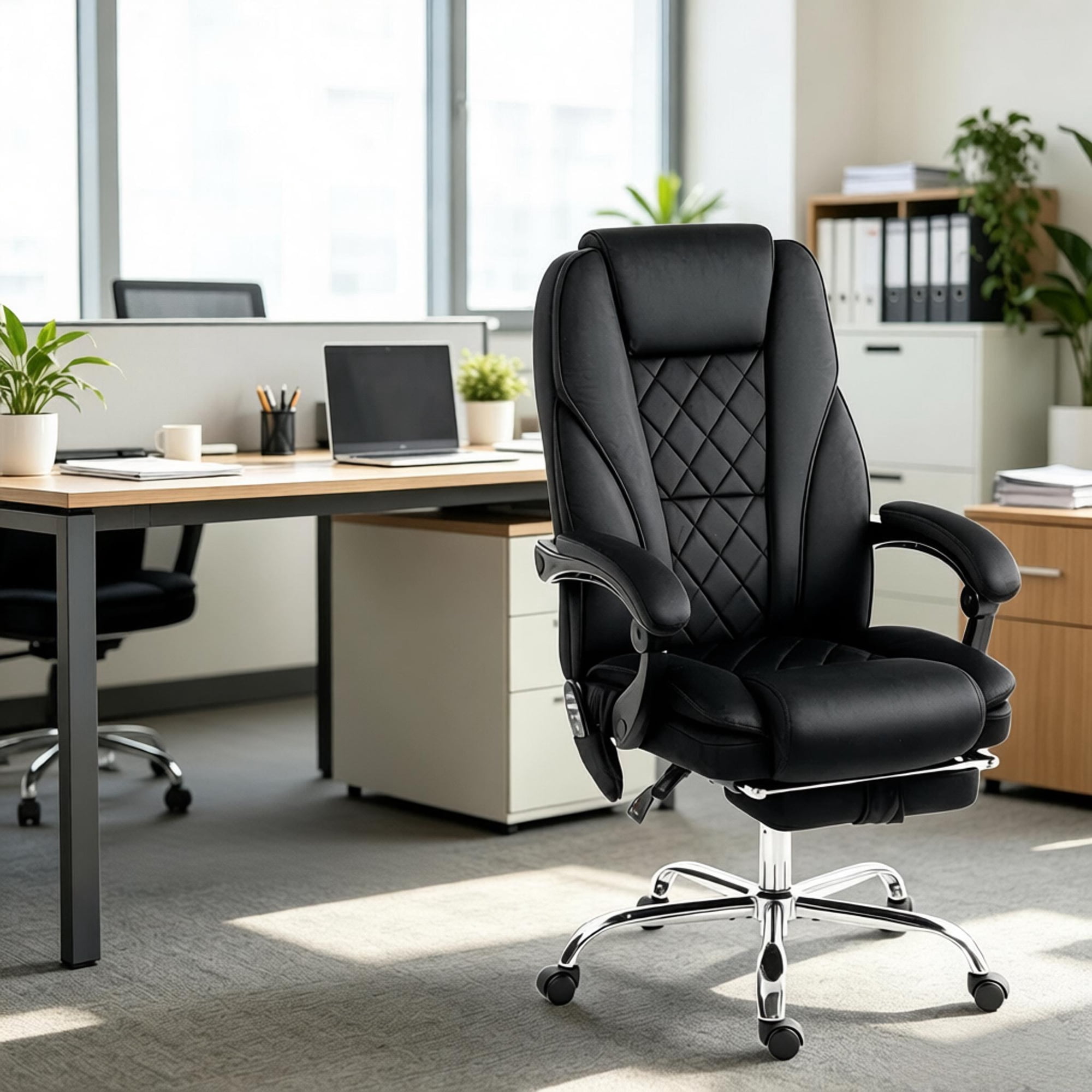
- Adjustable Lumbar Depth: Allows users to fine‑tune spinal support, reducing lower back fatigue during 8-10 hour shifts.
- Seat Slider (Depth Adjustment): Critical for proper thigh support; prevents pressure behind the knees.
- 4D Armrests: Height, width, pivot, and depth adjustments ensure shoulders and wrists stay relaxed.
- Simultaneous Tilt Mechanism: Keeps the user’s line of sight consistent while reclining, ideal for collaborative work or video calls.
📌 Real-world note: Facility managers in corporate offices report that robust chairs with adjustable lumbar and seat depth reduced employee complaints about back pain by nearly 42% compared to static heavy-duty chairs. The combination of structural rigidity and ergonomic adjustability is the winning formula.
Comparing Robust Chair Categories: Which Architecture Fits Your Needs?
| Robust Chair Type | Best For | Key Strength Feature | Typical Weight Capacity |
|---|---|---|---|
| Heavy-Duty Mesh Back | Hot climates, 24/7 shift work | Breathable, reinforced frame with tension-adjustable lumbar | 350 - 450 lbs |
| Commercial Leather Executive | Executive offices, client-facing roles | Full-grain leather, oversized steel base, padded armrests | 400 - 500 lbs |
| Big & Tall Robust Chair | Taller individuals (6'2"+) and larger frames | Extra-wide seat (22"+), reinforced backrest, high seat height range | 450 - 600 lbs |
| Task-Intensive Chair | Call centers, control rooms, high-use workstations | Steel reinforced mechanism, 500,000-cycle tested casters | 350 - 500 lbs |
Maintenance Checklist for Long-Term Robust Chair Performance
To maximize the lifespan of your investment, follow this simple proactive maintenance routine:
- Monthly: Wipe down upholstery and inspect casters for hair or debris buildup. Clean gas cylinder with a dry cloth.
- Quarterly: Tighten all bolts (seat plate, armrest screws, base connections) using a hex key. Lubricate moving parts with silicone spray if squeaking occurs.
- Bi-annually: Check for uneven floor contact; replace casters if they start sticking. Test gas lift for smooth height adjustment.
- Annually: Perform full inspection of the tilt mechanism and armrest joints. Contact manufacturer for replacement parts if any component feels loose.
Investing in a robust office chair is similar to choosing a high-quality mattress — it directly influences your health, focus, and daily productivity. By selecting a chair with a reinforced structure, commercial-grade components, and ergonomic flexibility, you ensure that your workspace supports you without compromise.
Frequently Asked Questions About Robust Office Chairs
Conclusion: Build a Foundation of Strength with a Robust Office Chair
Choosing a robust office chair means prioritizing longevity, safety, and unwavering support. Whether you manage a high-traffic office, work from home with demanding hours, or simply value equipment that stands the test of time, a well-constructed robust chair delivers consistent performance.
Focus on chairs featuring certified heavy-duty gas lifts, reinforced steel frames, and multi-point adjustability to tailor the fit to your unique posture. The upfront investment pays dividends through reduced replacement frequency, fewer ergonomic issues, and sustained comfort that keeps you focused on what matters — your work.
Final Recommendation: If your current chair wobbles, sinks gradually, or lacks proper lumbar support, upgrading to a robust office chair will immediately transform your sitting experience. Prioritize models with at least a 5-year warranty and BIFMA certification for peace of mind.