
Beyond the 9-to-5: The Rise of the Nap-Friendly Office Chair
Imagine this: It's 2:30 PM. Your energy dips. Your focus wavers. Instead of reaching for a third cup of coffee, you simply push back from your desk, recline your chair, extend the footrest, and close your eyes for a 20-minute power nap. This isn't a scene from a luxury tech startup; it's the reality offered by a new breed of seating: the office chair you can sleep in.
These innovative chairs are designed to bridge the gap between a high-performance ergonomic task chair and a personal relaxation pod. They acknowledge a simple truth: humans aren't designed to sit upright and focused for eight hours straight. Strategic rest, including short naps, can dramatically improve cognitive function, memory, and creativity. According to sleep researchers at the National Sleep Foundation, a nap of 20-30 minutes can enhance alertness and performance without the grogginess associated with longer sleep.
This guide explores everything you need to know about these versatile chairs, helping you choose the perfect model to boost your productivity and well-being.
Anatomy of a Chair Designed for Deep Rest
A standard office chair simply won't do for a quality nap. Chairs built for sleeping incorporate specific engineering and design elements. Let's break down the critical components that transform a work chair into a rest station.
1. The Recline Mechanism: From Upright to Flat
The heart of any sleepable office chair is its recline system. There are two main types you'll encounter:
- Infinite Locking Recline: This mechanism allows you to tilt back and lock the chair at any angle within its range. It's ideal for finding the perfect position for reading, watching a video, or napping. Look for chairs that recline to at least 135 degrees; some premium models offer a near-flat 170-180 degree position.
- Multi-Position Tilt with Tension Control: These chairs offer preset recline angles (e.g., 90°, 120°, 150°). The tension control knob lets you adjust how much force is needed to lean back, which is crucial for heavier individuals who might otherwise feel the chair snaps back too quickly.
Pro Tip: Always check the "recline depth" or "wall clearance" required. Some chairs need significant space behind them, while others are designed with a "space-saving" mechanism that moves the seat forward as you recline, keeping the headrest close to the wall.
2. The Integrated Footrest: Your Foundation for Rest
A simple headrest isn't enough for sleeping. You need support for your entire body, especially your legs. This is where the footrest comes in. You'll typically find two styles:
- Extendable Ottoman: This is the most common type. Hidden under the seat, it slides out (often with a simple pull or lever) to create a leg support platform. The best ottomans are padded and wide enough to support your calves comfortably in multiple positions.
- Flip-Up Footrest: Similar to the leg rest on a recliner, this piece flips up from the front of the chair. While comfortable, it can sometimes restrict leg movement if you prefer to stretch out completely.
3. The High-Back Design with Integrated Headrest
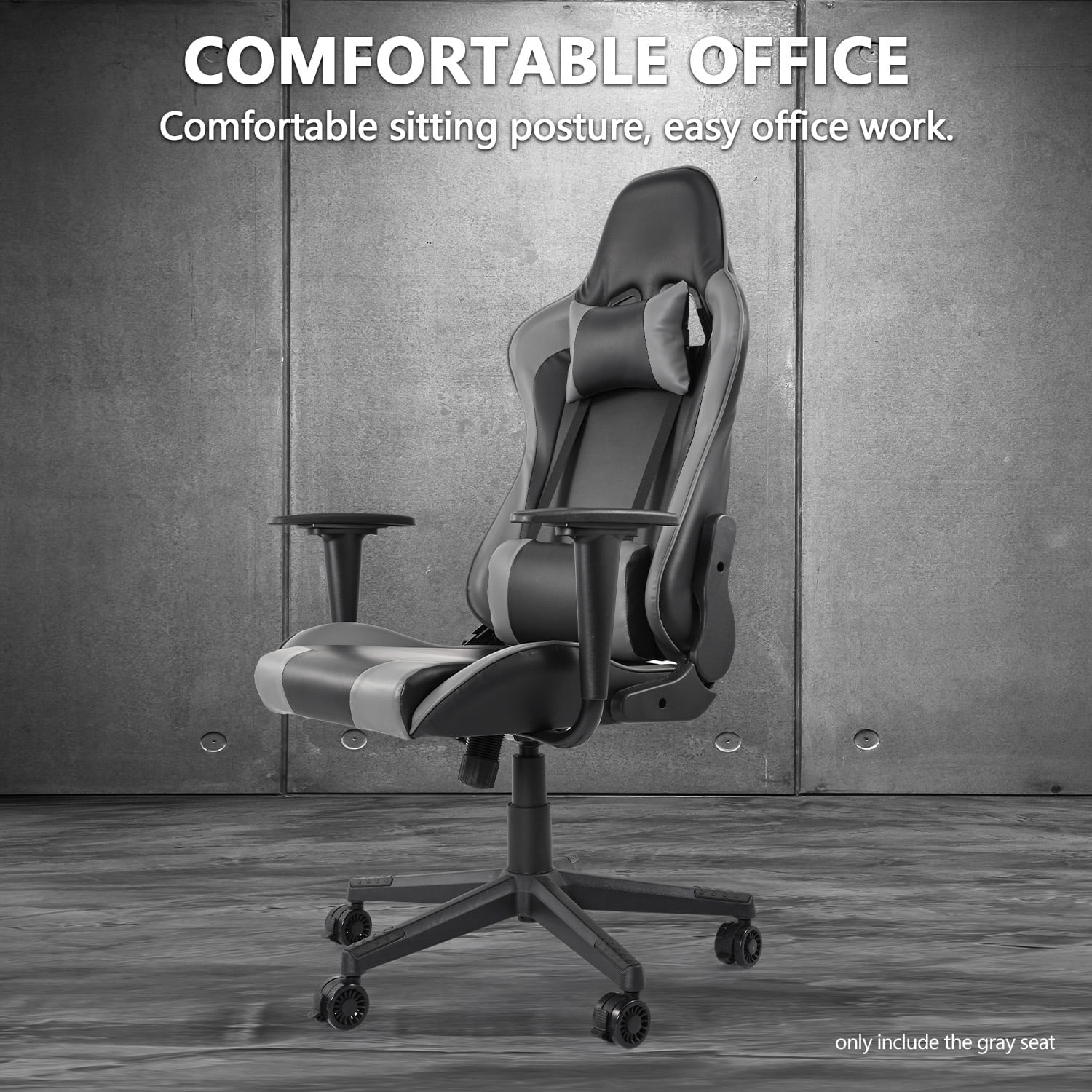
For sleeping, a mid-back chair is useless. You need a high-back design that supports your entire spine and, most importantly, your head and neck. A good headrest is non-negotiable. It should be:
- Adjustable: Look for 2D or 3D headrests that move up/down and tilt to cradle your neck perfectly, whether you're upright or fully reclined.
- Well-Padded: A hard, unpadded headrest will ruin any chance of a comfortable nap.
4. Material and Cushioning: The Comfort Factor
Imagine lying on a firm, sticky leather chair for 30 minutes. Not pleasant. Material choice is critical for a "sleep in" chair.
- Breathable Mesh or Fabric: These materials are superior for rest. They allow air to circulate, preventing that uncomfortable heat build-up. High-quality fabric or mesh is soft to the touch and conforms to your body.
- High-Density Foam: The seat and back cushions should use thick, high-density foam that provides pressure relief without bottoming out. Memory foam layers can be a great addition, contouring to your body's shape.
- Leather (Use with Caution): While premium leather looks stunning, it can be hot and less breathable. If you prefer leather, look for perforated options or bonded leather that might be slightly softer, but be prepared for potential stickiness during longer rests.
5. Armrests: Getting Out of the Way
Fixed armrests can be a nuisance when you're trying to stretch out. The best chairs for sleeping feature armrests that can be flipped up completely or adjusted wide and low enough so they don't dig into your sides when you're reclined. 4D armrests (height, width, depth, and pivot adjustment) offer the ultimate flexibility.
Did You Know? A study by the University of California, San Diego found that a 60-minute nap not only restored brain function but actually cleared out information overload, improving the brain's ability to learn. Having a chair designed for this purpose in your office makes integrating this healthy habit seamless.
Who Needs a "Sleep-In" Office Chair? (Beyond the Obvious)
While anyone can appreciate a comfortable place to rest, certain users will find these chairs indispensable:
- The Home Office Worker: If your office is a spare bedroom, you don't have space for a separate couch or daybed. A single chair that does double-duty as a workstation and a relaxation spot is a space-saving miracle.
- Shift Workers & Night Owls: For those working non-traditional hours, finding a quiet, comfortable place to nap during the day can be a challenge. A dedicated chair in a home office provides a consistent, ergonomic sleep environment.
- People with Chronic Pain: Conditions like fibromyalgia or chronic back pain often require periods of rest throughout the day. The ability to recline and take pressure off the spine without moving to a bed can be a game-changer for pain management.
- Creative Professionals & Problem-Solvers: History is full of stories of inventors and artists (like Salvador Dali and Thomas Edison) who used strategic naps to unlock creative breakthroughs. A comfortable chair facilitates this "hypnagogic" state between wakefulness and sleep where ideas often spark.
Quick Feature Comparison: Sleep-Ready vs. Standard Office Chair
| Feature | Standard Office Chair | Office Chair You Can Sleep In |
|---|---|---|
| Recline Angle | Up to 120 degrees | 135 to 180 degrees (near-flat) |
| Headrest | Often fixed or basic | Adjustable, well-padded, designed for neck support |
| Foot Support | None (feet on floor) | Extendable padded ottoman or flip-up footrest |
| Armrests | Fixed or height-adjustable | Flip-up or 4D to get out of the way when reclining |
| Cushioning | Firm, task-oriented | Plush, high-density foam, often with memory foam layers |
Balancing Act: Work Ergonomics and Nap Comfort
A common concern is whether a chair built for sleeping can still be a good *working* chair. The answer is a resounding yes, but you must look for specific features. The best models don't sacrifice ergonomics for comfort. When shopping, ensure the chair maintains proper lumbar support when upright, has adjustable seat depth, and allows your feet to rest flat on the floor. The transition from work mode to nap mode should be smooth and intuitive, often involving a simple lever or paddle to release the recline and slide out the footrest.