


Why a Mobility Office Chair Redefines Your Workday
Modern work demands adaptability. If you spend hours at a desk, a static chair can anchor you in place, leading to muscle stiffness, decreased circulation, and mental fog. A mobility office chair is designed to break that pattern. It's not just a seat — it's a tool that encourages fluid movement, allowing you to pivot, roll, and shift naturally as you work.
Active Sitting Insight: Research from ergonomics labs shows that dynamic seating (chairs that promote movement) can increase calorie expenditure by up to 20% per hour compared to static chairs, while also reducing lower back discomfort by nearly 50% over an 8-hour workday.
Core Features of a True Mobility Chair
What separates a mobility-focused office chair from a traditional one? It’s a blend of engineering and ergonomics that prioritizes movement:
- High-Performance Casters: Dual-wheel or rollerblade-style wheels that glide effortlessly across carpet, hardwood, or tile — reducing friction so you can move with a light touch.
- 360° Swivel & Tilt Freedom: Full rotational range and responsive tilt mechanisms allow you to reach for files, turn toward colleagues, or change posture without strain.
- Flexible Seat Pan: Some models feature contoured edges or slight give in the seat that responds to weight shifts, promoting micro-movements that engage your core.
- Adjustable Armrests (4D): Height, width, pivot, and depth adjustments ensure your arms stay supported even as you move around your workspace.
- Lightweight Yet Durable Frame: Mobility chairs often use aluminum or reinforced nylon bases that are strong but light enough to roll smoothly.
Who Benefits Most from a Mobility Office Chair?
While any desk worker can enjoy the perks, certain roles and individuals find mobility chairs especially transformative:
Open-Plan & Collaborative Environments
Easily pivot between screens, colleagues, and whiteboards without interrupting workflow. Smooth rolling means you stay engaged across your space.
Hybrid & Home Office Professionals
Maximize flexibility in smaller spaces. A mobility chair lets you transition from desk work to a video call or reading nook in seconds.
Individuals with Active Workstyles
If you're someone who naturally fidgets or likes to shift positions, a mobility chair supports these habits ergonomically instead of fighting them.
Those Recovering from Injury or with Chronic Pain
Reduced static pressure helps manage conditions like sciatica, arthritis, or disc issues. The ability to adjust frequently reduces flare-ups.
How Mobility Chairs Enhance Ergonomics Beyond Traditional Seating
Think of a mobility office chair as the "bicycle" of office seating — it keeps you in motion, even when you're stationary. Traditional chairs often lock you into one posture, which can lead to muscle imbalances. In contrast:
- Dynamic Lumbar Interaction: As you move, your back subtly contacts different areas of the backrest, distributing pressure and stimulating blood flow.
- Core Engagement: Small adjustments to maintain balance while tilting or swiveling naturally activates core stabilizers, reducing slouching.
- Reduced Pressure Points: Seat edges designed for movement (waterfall fronts) minimize thigh pressure, preventing numbness during long sits.
“Movement is the cornerstone of workplace wellness. A mobility office chair acts as a silent coach, reminding your body to stay fluid — leading to higher energy and better focus.” — Ergonomics Today
Selecting the Right Mobility Chair: Your Step-by-Step Guide
Choosing the perfect mobility office chair involves more than just aesthetics. Follow this practical framework:
Step 1: Evaluate Your Movement Needs
- Do you frequently move between multiple monitors or work surfaces? → Prioritize chairs with advanced casters and lightweight frames.
- Do you share a workspace or need to tuck the chair under a desk often? → Look for compact arm designs and seat depth adjustability.
Step 2: Match Casters to Your Floor Type
- Hardwood/Tile: Soft rubber or polyurethane casters prevent scratches and provide silent gliding.
- Carpet: Dual-wheel or larger casters (2.5-inch+) for easier maneuverability.
Step 3: Check Tilt Mechanism & Tension Control
- A synchronized tilt mechanism that allows the seat and backrest to move in a 2:1 ratio gives natural recline while keeping feet grounded.
- Adjustable tilt tension lets you customize resistance based on your weight and preferred movement range.
Step 4: Prioritize Weight Capacity & Base Size
- For frequent movement, a wider five-star base (28 inches or more) adds stability when leaning or rolling quickly.
- Select a chair with at least 300 lb capacity for robust daily use.
Comparing Mobility Chair Materials & Their Impact on Movement
Mesh-Back Mobility
Pros: Breathable, lightweight, flexible support that moves with your torso. Ideal for warm environments and those who value airflow.
Movement edge: Low friction fabric allows easy twisting without binding.
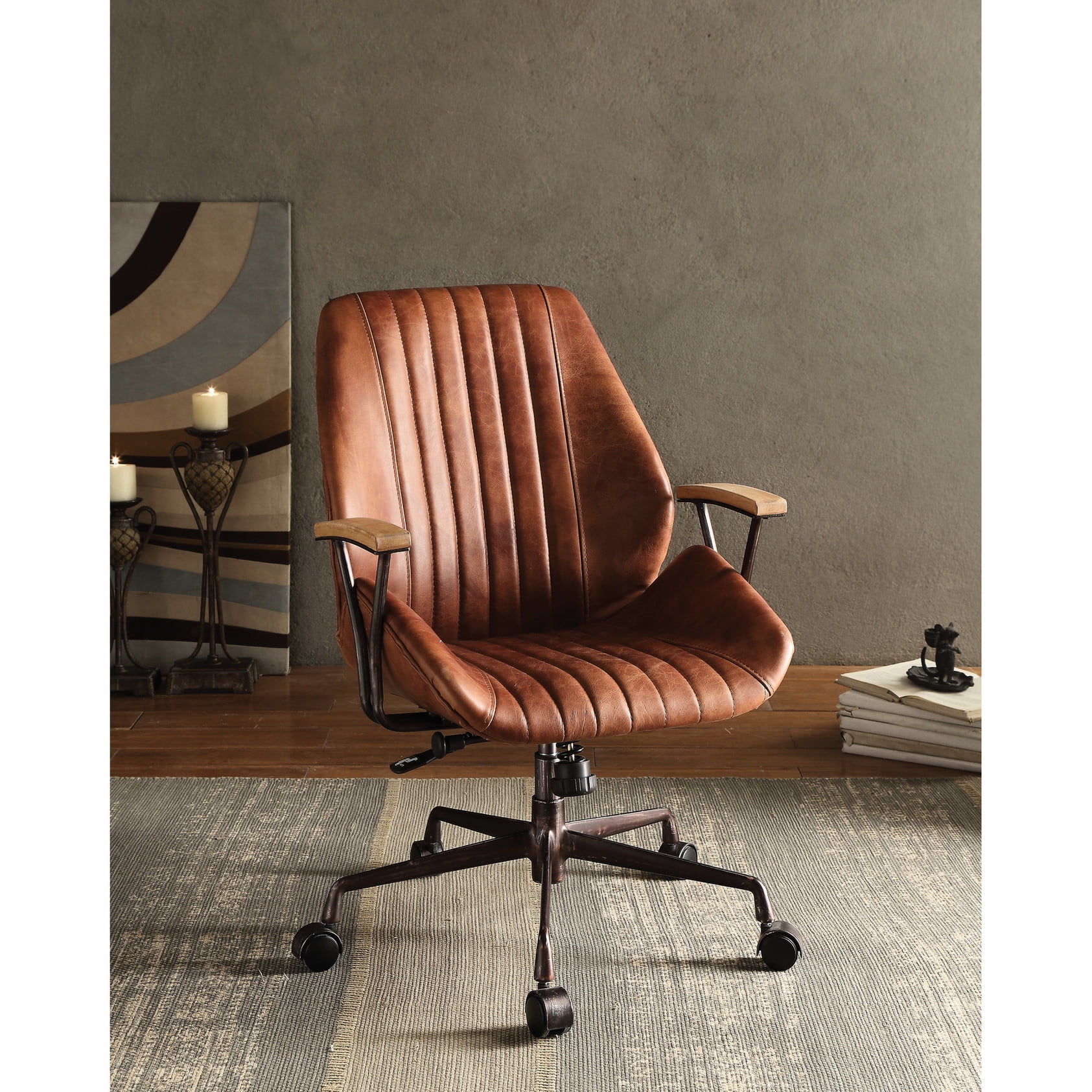
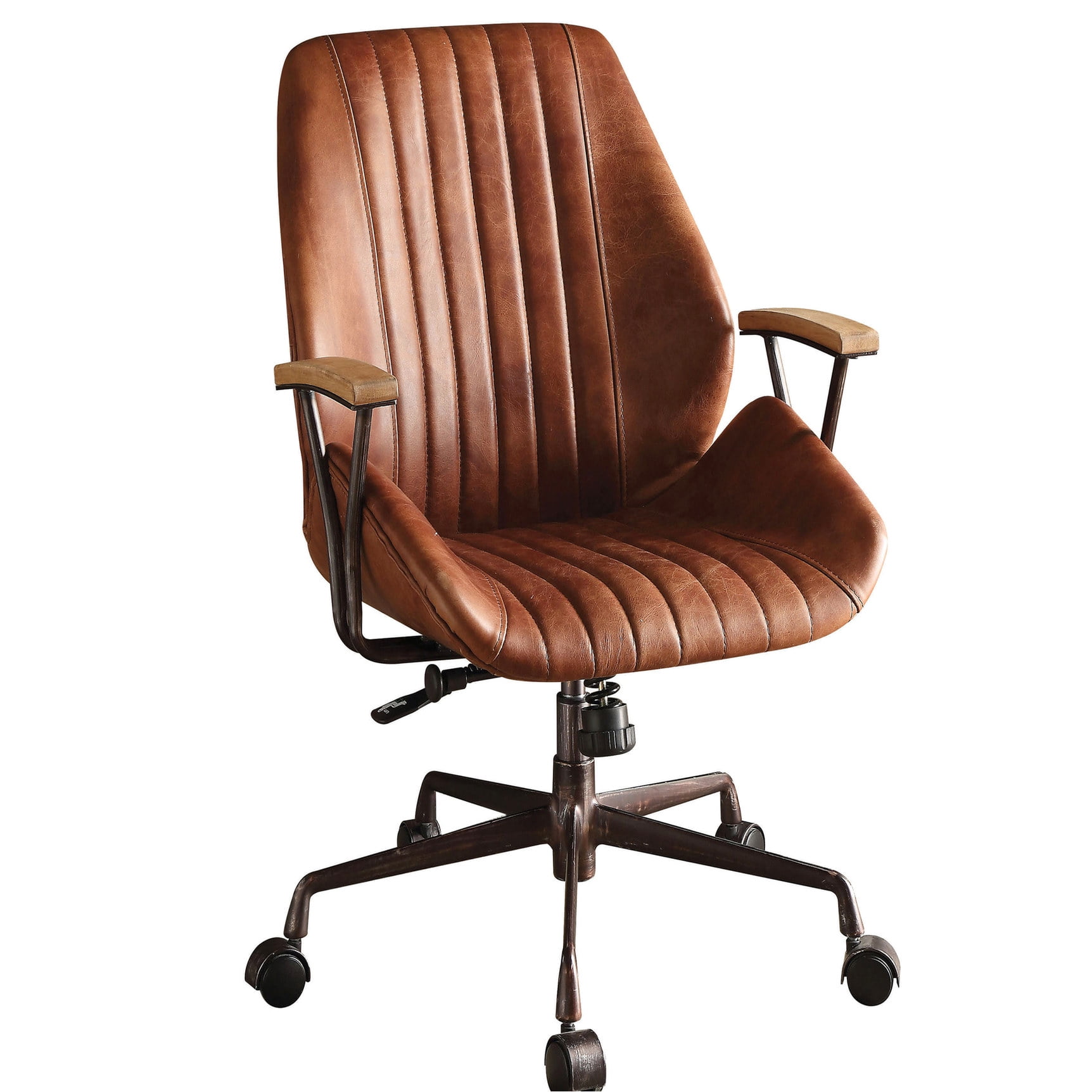
Leather / Faux Leather
Pros: Easy to wipe clean, professional look, often with plush padding.
Movement edge: May have more glide resistance; choose models with breathable perforations and smooth rolling casters.
Fabric / Textile
Pros: Soft feel, variety of colors, good grip for staying seated during dynamic movements.
Movement edge: High-grade fabric with stretch can conform to shifting positions.