
Beyond the Task Chair: Why Choose a Full Recline Office Chair?
The traditional office chair is designed for one thing: keeping you upright and focused. But what about the moments in between? The afternoon slump, the need for a quick mental reset, or a sudden backache from prolonged sitting. A full recline office chair bridges the gap between a high-performance task chair and a personal relaxation station. It’s a tool for both productivity and recovery, acknowledging that the best work often comes from a balanced mind and body.
The Science of Reclining: Research in the journal Human Factors indicates that allowing the body to recline reduces the load on the spinal column. At a 90-degree angle, spinal pressure is at its highest. As you recline to 135 degrees, that pressure is significantly offloaded. A full recline (close to 180 degrees) mimics a zero-gravity posture, promoting circulation and complete muscle relaxation, which can be more restorative than a coffee break.
Key Mechanisms: What Makes a Chair "Full Recline"?
Not all reclining chairs are created equal. The term "full recline" is reserved for chairs with specific engineering. Here’s what sets them apart:
- Infinite Position Locking: Unlike a standard tilt mechanism that only locks in the upright position, full recline chairs allow you to lock the backrest at any angle. This means you can find the perfect sweet spot for reading, brainstorming, or napping.
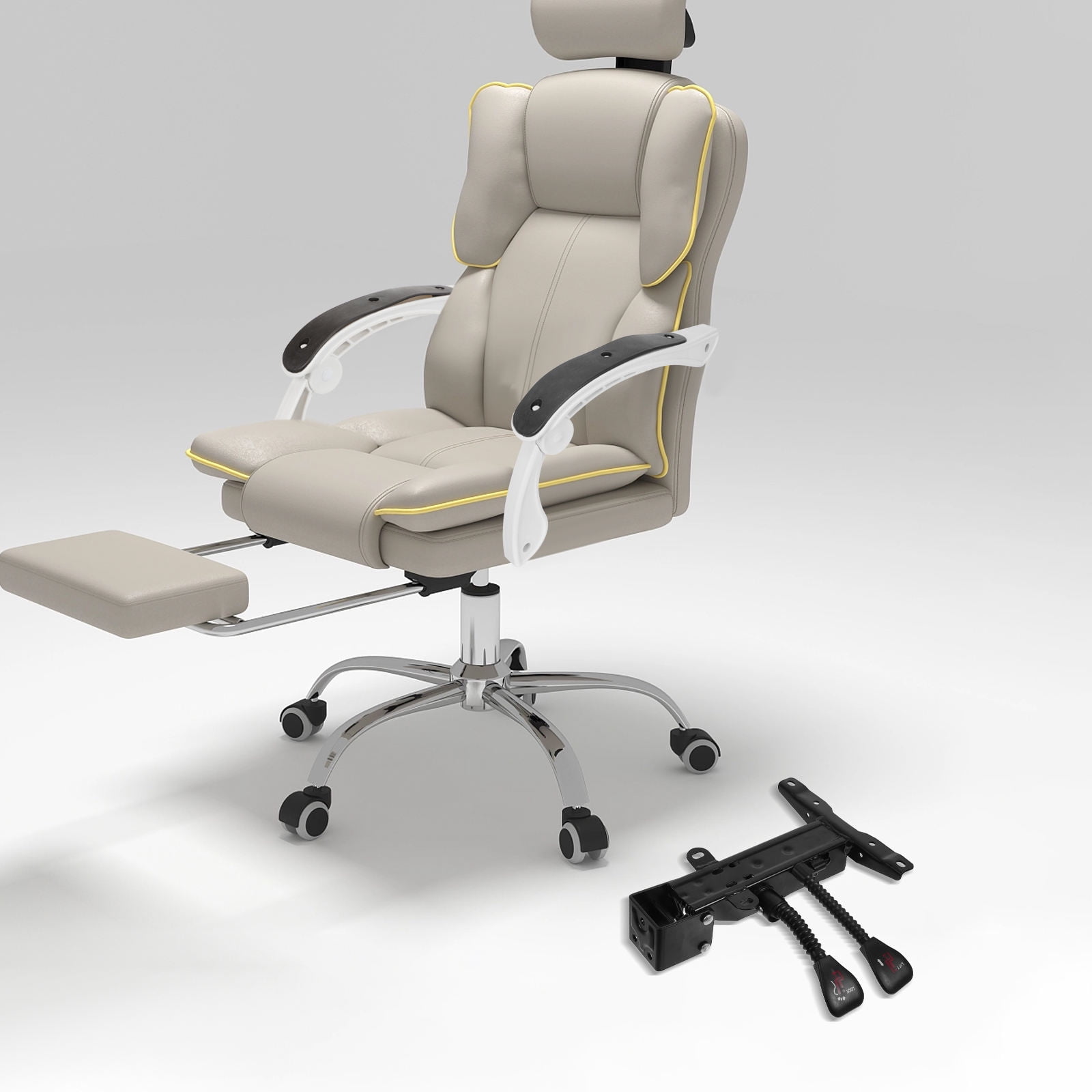
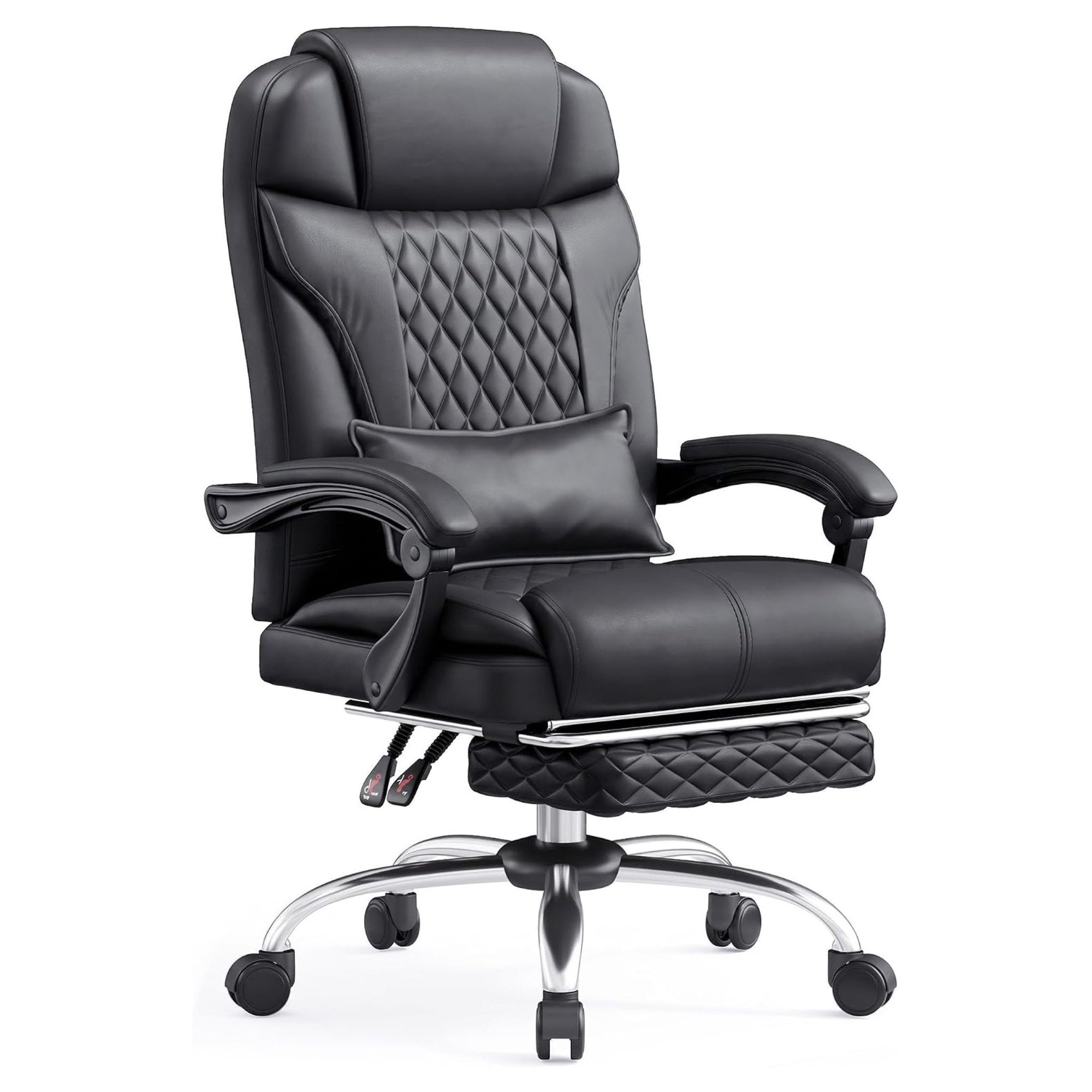
- Synchronized Recline with Footrest: The highest quality models feature a mechanism where the backrest and footrest move in harmony. As you lean back, the footrest automatically extends, supporting your legs and creating a true "lay flat" experience.
- Adjustable Tilt Tension: This is crucial. A dial or knob controls how much force is needed to recline. A lighter person needs lower tension, while a heavier person needs higher tension to feel supported, not like they're falling backward.
- Heavy-Duty Base & Casters: Because the chair's center of gravity shifts dramatically during recline, a robust five-star base (often made of aluminum or reinforced nylon) and smooth-rolling casters are non-negotiable for safety and stability.
Who Needs a Full Recline Chair? A Look at User Profiles
This chair category isn't for everyone, but for specific users, it's a game-changer. Consider if you fit one of these profiles:
The Entrepreneur & CEO
Long hours, back-to-back calls, and decision fatigue. A 20-minute power nap in a lay-flat chair can restore cognitive function equivalent to a full night's sleep for some individuals, according to sleep researchers.
The Creative Professional
Writers, designers, and architects often do their best thinking while relaxed. Reclining with a notebook or tablet allows for a different perspective—literally and figuratively—fostering creativity.
Individuals with Chronic Back Pain
For those suffering from conditions like sciatica or herniated discs, the ability to periodically recline and decompress the spine is not a luxury, but a medical necessity for managing pain throughout the workday.
Gamers & Streamers
Extended gaming sessions require the same ergonomic considerations as office work. A full recline chair offers the versatility to lean in during intense gameplay and kick back during cutscenes or streaming breaks.
Anatomy of a High-Quality Full Recline Office Chair
Investing in a chair that can fully recline requires looking beyond standard features. Here is a detailed breakdown of what separates a durable, comfortable recliner from a gimmicky one.
1. The Frame: The Backbone of Recline
The frame must withstand the torque and stress of repeated reclining. Look for chairs with a one-piece steel frame. This is the gold standard. Chairs with plastic or composite frames are prone to cracking and failure over time, especially under the strain of a full recline with a heavier user. The mechanism itself should be a class-4 gas lift, the highest rating for hydraulic pistons, ensuring smooth and safe height adjustment even when the chair is tilted back.
2. Cushioning: Memory Foam vs. High-Density Foam
Comfort is subjective, but material science provides some guidance:
- High-Density Foam: Offers firm, consistent support. It's durable and resistant to sagging. It provides a solid base, which is excellent for maintaining posture in an upright position.
- Memory Foam: Conforms to your body's unique shape, relieving pressure points. In a reclined position, this can feel incredibly luxurious, as the foam cradles your shoulders, hips, and heels (if using a footrest). The trade-off is that memory foam can sometimes feel warmer.
The best full recline chairs often use a combination: a high-density foam core for structural support, wrapped in a layer of memory foam or gel-infused foam for plush comfort and temperature regulation.
3. Upholstery: Durability and Feel
The material you choose affects the chair's lifespan and tactile experience.
| Material | Pros for Recliners | Cons for Recliners |
|---|---|---|
| Premium Bonded Leather / PU Leather | Easy to wipe clean, looks professional, relatively affordable. | Can be less breathable; may crack or peel over time (5-7 years) with frequent recline flexing. |
| Top-Grain Leather | Extremely durable (15+ years), breathable, develops a beautiful patina, and stands up to the flex of reclining. | Significantly more expensive, requires occasional conditioning. |
| Breathable Mesh (on back) | Excellent airflow prevents sweaty backs, ideal for warmer climates. | Less plush; may not provide the same "cozy" feel for napping. Often combined with padded seats. |
| High-Performance Fabric | Soft, warm, available in many colors, and some are treated to be stain-resistant. | Can trap odors and stains more easily than leather; may pill with heavy use. |
The "Power Nap" Protocol: How to Use Your Full Recline Chair for Maximum Recovery
Simply lying down isn't enough. To truly recharge, follow this short guide to using your chair's full potential.
- Set the Scene: Before you recline, ensure you have at least 3-4 feet of clearance behind the chair. Put your phone on silent and consider using an eye mask or closing the blinds.
- Adjust for Zero Gravity: Recline to the point where your knees are slightly elevated above your heart (if your chair has an adjustable footrest). This "zero gravity" position, endorsed by NASA, takes the pressure off your spine and improves circulation.
- Lock It In: Once you've found the perfect angle, engage the locking mechanism. You don't want the chair to jolt or move while you're relaxed.
- The 20-Minute Rule: Set a gentle alarm for 15-20 minutes. This prevents you from entering deep sleep, which can leave you feeling groggy (sleep inertia). A short "power nap" is proven to boost alertness and motor performance.
- The Re-entry: When your alarm goes off, sit up slowly. Allow the chair to return to its upright position in a controlled manner. Stretch your arms and roll your shoulders before getting back to work.
Frequently Asked Questions About Full Recline Office Chairs
Conclusion: Is a Full Recline Office Chair Right for Your Workspace?
A full recline office chair represents a paradigm shift in how we view the workspace. It’s an admission that human beings are not designed to be static. We need movement, variation, and moments of deep rest to perform at our best. If your work involves long hours, requires intense focus, and you value the ability to hit a "reset button" without leaving your office, this investment is worth serious consideration.
It's not just a chair; it's a wellness tool. By allowing you to alternate between active, engaged work and passive, restorative rest, it can help manage stress, reduce physical fatigue, and ultimately create a more sustainable and productive work environment.
Final Recommendations by User Need
| User Priority | Key Features to Look For | Ideal Material |
|---|---|---|
| Maximum Durability | Steel frame, heavy-duty gas lift, metal base, commercial-grade mechanism. | Top-Grain Leather |
| Plush Comfort for Napping | Memory foam cushioning, padded headrest, integrated footrest, infinite lock. | Soft Fabric or Premium Bonded Leather |
| Back Pain Relief | Adjustable lumbar support, synchronized recline, zero-gravity positioning. | Breathable Mesh back with padded seat |
| Value & Functionality | Solid frame, multi-functional mechanism (tilt + footrest), good warranty. | High-quality PU Leather |